About Museo del Algodón

Description

There’s something quietly powerful about the Museo del Algodón. It’s not a massive museum with marble floors or futuristic architecture—it’s more like a story told softly but with conviction. This museum, tucked into the heart of Torreón, brings to life the saga of cotton production in the Comarca Lagunera region, a tale that shaped both the land and the people who worked it. It’s one of those places that doesn’t just show history—it makes you feel it.

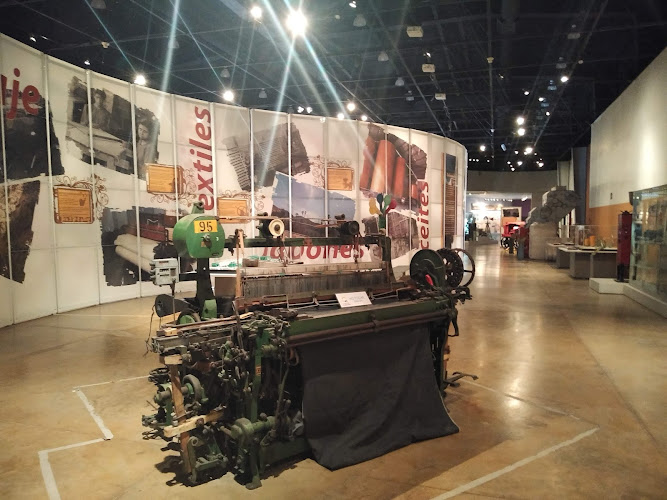
Walking through its exhibits, you’re surrounded by a blend of photos, moving images, personal artifacts, and written stories that weave together into a deeply human narrative. The curators clearly had a vision: to honor the men and women who turned a desert into fertile ground through sheer will and hard work. And you can sense that pride in every corner. The museum doesn’t just look backward—it also nudges you to imagine the region’s future, how those same values of perseverance and ingenuity might continue to shape what’s next.

What I personally love is how intimate the experience feels. You don’t get lost in endless halls or overwhelmed by too much information. Instead, you move through spaces that feel almost like someone’s living room, where stories are told over coffee rather than through cold text panels. There’s a warmth here—an emotional connection that’s rare in many museums. And even though it’s focused on cotton, it’s really about people, community, and transformation. It’s about how dreams of progress can literally change the landscape.

Some visitors mention that it’s not the flashiest museum they’ve seen, and that’s fair. But that’s also part of its charm. It’s grounded, honest, and deeply authentic. You leave not just knowing more about cotton, but feeling a kind of respect for the generations who came before—those who believed they could make something bloom in the desert, and did.

Key Features

  • Immersive storytelling: Exhibits use photos, film, and real-life objects to tell the story of cotton in the region through the voices of the people who lived it.
  • Human-centered approach: The museum’s narrative connects visitors emotionally to the lives of workers, families, and entrepreneurs who shaped the local economy.
  • Live performances: Occasional events and performances bring the history of the region to life in creative ways.
  • Accessibility: The museum is fully wheelchair accessible, with accessible entrances, restrooms, and parking.
  • Family-friendly environment: It’s a great place to bring kids—educational without being stuffy, and interactive enough to keep them interested.
  • Restroom facilities: Clean and conveniently located for visitors spending an hour or two exploring.

It’s not a huge museum, so you can take your time. You’ll find yourself pausing often—sometimes just staring at an old photo or reading a handwritten letter that survived decades. Those small details make it special. I remember one display showing the tools used for cotton harvesting—simple, worn, but full of meaning. They reminded me of my grandfather’s old farm tools, the ones he refused to throw away because they carried stories of their own. That’s the kind of emotion this place stirs up.

Best Time to Visit

If you’re planning a trip, the best time to visit the Museo del Algodón is during the cooler months—from November through March. Torreón can get pretty hot in the summer, and while the museum is indoors, exploring the surrounding area is much more comfortable when temperatures don’t hit the high 30s Celsius. Mornings tend to be quieter, perfect if you prefer to take your time reading and reflecting without crowds around.

That said, if you’re the type who enjoys a bit of local buzz, afternoons on weekends can be surprisingly lively. You might catch a local event or even a small performance tied to the museum’s cultural programming. And if you’re traveling with kids, late morning visits are ideal—they’ll have enough energy to explore, and you can easily pair it with lunch at one of the nearby eateries afterward.

Personally, I think there’s something special about visiting on a weekday morning. The light filters differently through the windows, and the quiet gives you space to really take in the exhibits. It almost feels like the museum is speaking directly to you, telling its story without interruption.

How to Get There

Reaching the Museo del Algodón is pretty straightforward. Torreón is a well-connected city, and the museum sits in a central area that’s accessible by both car and public transportation. If you’re staying downtown, it’s just a short drive or even a pleasant walk, depending on the weather. Taxis and rideshare services are readily available, and most drivers will know the museum by name—it’s a recognized local landmark.

For those using public transport, several local bus routes stop nearby. The streets around the museum are safe to walk, and you’ll likely pass a few interesting spots along the way—small shops, cafes, maybe even a street vendor selling fresh fruit or tamales. I once grabbed a cup of agua fresca from a vendor before heading in, and honestly, that small refreshment made the walk even better.

If you’re driving, parking is usually not an issue. The museum has accessible parking spaces, and the area isn’t as congested as some other parts of the city. Just be mindful of local traffic patterns—Torreón drivers can be a bit assertive, so stay alert!

Tips for Visiting

Here’s where a few insider tips can make your visit smoother—and maybe even more memorable:

  • Take your time: This isn’t a museum you rush through. Give yourself at least an hour or two to really absorb the stories and details.
  • Bring a water bottle: Torreón’s dry climate can sneak up on you, especially if you’re walking from nearby attractions.
  • Ask questions: The staff are incredibly knowledgeable and genuinely passionate about the museum’s mission. Don’t hesitate to chat with them—they often share anecdotes that aren’t on the display boards.
  • Photography: You can usually take photos (without flash), and there are some great photo-worthy corners that capture the texture and mood of the exhibits beautifully.
  • Combine your visit: If you’re exploring Torreón’s cultural side, pair your stop here with a visit to other local museums or historical landmarks nearby. It gives you a fuller picture of the region’s evolution.
  • Visit with kids: The museum’s interactive elements and storytelling approach keep children engaged. It’s a great way to introduce them to local history in a relatable way.
  • Accessibility comfort: Wheelchair users and visitors with mobility needs will find the facilities accommodating, from parking to restrooms.

And a small piece of advice from personal experience—don’t skip the short documentary that sometimes plays in the exhibit area. It’s beautifully done and ties the whole story together. The first time I watched it, I found myself thinking about how much we take for granted when it comes to everyday materials like cotton. Behind every fabric, there’s a legacy of effort, resilience, and community. That realization hit me harder than I expected.

Ultimately, the Museo del Algodón is more than a museum—it’s a tribute. A quiet, heartfelt reminder of what people can achieve when they believe in transforming their world. It’s not about luxury or spectacle; it’s about connection, memory, and pride. Whether you’re a history buff, a curious traveler, or just someone who enjoys understanding the soul of a place, this museum offers something real. And in a world full of flashy attractions, that authenticity is worth the visit.

Key Features

  • Key Features
  • Best Time to Visit
  • How to Get There
  • Tips for Visiting

More Details

Updated November 7, 2025

Description

There’s something quietly powerful about the Museo del Algodón. It’s not a massive museum with marble floors or futuristic architecture—it’s more like a story told softly but with conviction. This museum, tucked into the heart of Torreón, brings to life the saga of cotton production in the Comarca Lagunera region, a tale that shaped both the land and the people who worked it. It’s one of those places that doesn’t just show history—it makes you feel it.

Walking through its exhibits, you’re surrounded by a blend of photos, moving images, personal artifacts, and written stories that weave together into a deeply human narrative. The curators clearly had a vision: to honor the men and women who turned a desert into fertile ground through sheer will and hard work. And you can sense that pride in every corner. The museum doesn’t just look backward—it also nudges you to imagine the region’s future, how those same values of perseverance and ingenuity might continue to shape what’s next.

What I personally love is how intimate the experience feels. You don’t get lost in endless halls or overwhelmed by too much information. Instead, you move through spaces that feel almost like someone’s living room, where stories are told over coffee rather than through cold text panels. There’s a warmth here—an emotional connection that’s rare in many museums. And even though it’s focused on cotton, it’s really about people, community, and transformation. It’s about how dreams of progress can literally change the landscape.

Some visitors mention that it’s not the flashiest museum they’ve seen, and that’s fair. But that’s also part of its charm. It’s grounded, honest, and deeply authentic. You leave not just knowing more about cotton, but feeling a kind of respect for the generations who came before—those who believed they could make something bloom in the desert, and did.

Key Features

  • Immersive storytelling: Exhibits use photos, film, and real-life objects to tell the story of cotton in the region through the voices of the people who lived it.
  • Human-centered approach: The museum’s narrative connects visitors emotionally to the lives of workers, families, and entrepreneurs who shaped the local economy.
  • Live performances: Occasional events and performances bring the history of the region to life in creative ways.
  • Accessibility: The museum is fully wheelchair accessible, with accessible entrances, restrooms, and parking.
  • Family-friendly environment: It’s a great place to bring kids—educational without being stuffy, and interactive enough to keep them interested.
  • Restroom facilities: Clean and conveniently located for visitors spending an hour or two exploring.

It’s not a huge museum, so you can take your time. You’ll find yourself pausing often—sometimes just staring at an old photo or reading a handwritten letter that survived decades. Those small details make it special. I remember one display showing the tools used for cotton harvesting—simple, worn, but full of meaning. They reminded me of my grandfather’s old farm tools, the ones he refused to throw away because they carried stories of their own. That’s the kind of emotion this place stirs up.

Best Time to Visit

If you’re planning a trip, the best time to visit the Museo del Algodón is during the cooler months—from November through March. Torreón can get pretty hot in the summer, and while the museum is indoors, exploring the surrounding area is much more comfortable when temperatures don’t hit the high 30s Celsius. Mornings tend to be quieter, perfect if you prefer to take your time reading and reflecting without crowds around.

That said, if you’re the type who enjoys a bit of local buzz, afternoons on weekends can be surprisingly lively. You might catch a local event or even a small performance tied to the museum’s cultural programming. And if you’re traveling with kids, late morning visits are ideal—they’ll have enough energy to explore, and you can easily pair it with lunch at one of the nearby eateries afterward.

Personally, I think there’s something special about visiting on a weekday morning. The light filters differently through the windows, and the quiet gives you space to really take in the exhibits. It almost feels like the museum is speaking directly to you, telling its story without interruption.

How to Get There

Reaching the Museo del Algodón is pretty straightforward. Torreón is a well-connected city, and the museum sits in a central area that’s accessible by both car and public transportation. If you’re staying downtown, it’s just a short drive or even a pleasant walk, depending on the weather. Taxis and rideshare services are readily available, and most drivers will know the museum by name—it’s a recognized local landmark.

For those using public transport, several local bus routes stop nearby. The streets around the museum are safe to walk, and you’ll likely pass a few interesting spots along the way—small shops, cafes, maybe even a street vendor selling fresh fruit or tamales. I once grabbed a cup of agua fresca from a vendor before heading in, and honestly, that small refreshment made the walk even better.

If you’re driving, parking is usually not an issue. The museum has accessible parking spaces, and the area isn’t as congested as some other parts of the city. Just be mindful of local traffic patterns—Torreón drivers can be a bit assertive, so stay alert!

Tips for Visiting

Here’s where a few insider tips can make your visit smoother—and maybe even more memorable:

  • Take your time: This isn’t a museum you rush through. Give yourself at least an hour or two to really absorb the stories and details.
  • Bring a water bottle: Torreón’s dry climate can sneak up on you, especially if you’re walking from nearby attractions.
  • Ask questions: The staff are incredibly knowledgeable and genuinely passionate about the museum’s mission. Don’t hesitate to chat with them—they often share anecdotes that aren’t on the display boards.
  • Photography: You can usually take photos (without flash), and there are some great photo-worthy corners that capture the texture and mood of the exhibits beautifully.
  • Combine your visit: If you’re exploring Torreón’s cultural side, pair your stop here with a visit to other local museums or historical landmarks nearby. It gives you a fuller picture of the region’s evolution.
  • Visit with kids: The museum’s interactive elements and storytelling approach keep children engaged. It’s a great way to introduce them to local history in a relatable way.
  • Accessibility comfort: Wheelchair users and visitors with mobility needs will find the facilities accommodating, from parking to restrooms.

And a small piece of advice from personal experience—don’t skip the short documentary that sometimes plays in the exhibit area. It’s beautifully done and ties the whole story together. The first time I watched it, I found myself thinking about how much we take for granted when it comes to everyday materials like cotton. Behind every fabric, there’s a legacy of effort, resilience, and community. That realization hit me harder than I expected.

Ultimately, the Museo del Algodón is more than a museum—it’s a tribute. A quiet, heartfelt reminder of what people can achieve when they believe in transforming their world. It’s not about luxury or spectacle; it’s about connection, memory, and pride. Whether you’re a history buff, a curious traveler, or just someone who enjoys understanding the soul of a place, this museum offers something real. And in a world full of flashy attractions, that authenticity is worth the visit.

Key Highlights

  • Key Features
  • Best Time to Visit
  • How to Get There
  • Tips for Visiting

Location

Places to Stay Near Museo del Algodón

Find and Book a Tour

Explore More Travel Guides

No reviews found! Be the first to review!

Traveler Reviews for Museo del Algodón

There are no reviews yet. Be the first one to write one.

Share Your Experience

Have you visited Museo del Algodón? Help other travelers by sharing your review.

Find Accommodations Nearby

Recommended Tours & Activities

Visitor Reviews

There are no reviews yet. Be the first one to write one.

Share Your Experience

Have you visited Museo del Algodón? Help other travelers by leaving a review.