
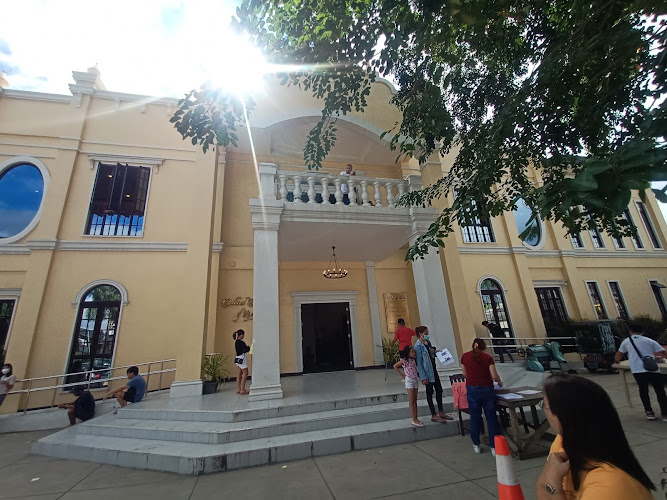
Museo de Lipa
About Museo de Lipa
Description
Museo de Lipa is one of those places that doesn’t shout for attention, and honestly, that’s part of the charm. It sits quietly in the heart of Lipa City, telling stories that go way beyond glass cases and dusty artifacts. This museum focuses on the cultural, historical, and religious heritage of Lipa, Batangas, and it does so in a way that feels personal rather than academic. You’re not just reading plaques; you’re stepping into the memory of a city that has lived through colonial eras, wars, faith movements, and everyday life that shaped generations.
Walking through Museo de Lipa feels a bit like being invited into someone’s ancestral home, except the stories belong to an entire community. There are exhibits on the Marian apparitions associated with Lipa, local religious traditions, old photographs, documents, and objects that make you pause and go, Oh, so that’s how it was back then. Some displays are simple, even understated, but that simplicity works. It lets the content breathe. And yes, a few sections could use more modern touches or clearer labels, but I actually found that imperfections made the place feel honest.
What really stands out is how approachable the museum is. It’s good for kids, not in a flashy, touchscreen-everywhere way, but in a storytelling way. I once watched a group of students listening to a guide, half bored at first, then slowly leaning in as the stories got more dramatic. That shift alone told me Museo de Lipa is doing something right. It’s not overwhelming, not pretentious, and not trying too hard to impress Instagram. It’s more about understanding where Lipa has been, so you can better appreciate where it is now.
For travelers who enjoy cultural tourism, history museums, or faith-based heritage sites, Museo de Lipa fits nicely into a relaxed day of exploring the city. It won’t take hours to finish, but it will stick with you longer than you expect. And that, to me, is the mark of a good museum.
Key Features
- Exhibits focused on the history and cultural identity of Lipa City
- Sections dedicated to religious heritage, including Marian devotion
- Old photographs, documents, and artifacts that tell local stories
- Kid-friendly environment suitable for school groups and families
- Clean restroom facilities available on-site
- Calm, quiet atmosphere ideal for reflective visits
- Helpful staff and guides who are willing to explain details if you ask
One small note I always tell friends: don’t rush. Some visitors breeze through in 20 minutes and leave thinking, That’s it? But if you slow down, read the captions, and let your curiosity wander, the experience deepens. Museums like this reward patience.
Best Time to Visit
The best time to visit Museo de Lipa is during weekday mornings, especially if you prefer a quiet, almost contemplative experience. I’ve been there once on a weekday when I could hear my own footsteps echo, and it felt oddly peaceful. You get more space to think, read, and ask questions without feeling like you’re in anyone’s way.
Weekends can be busier, particularly when there are school groups or local visitors exploring the city. But even then, it rarely feels crowded in a stressful sense. It’s not a mega tourist attraction, so foot traffic stays manageable. If you’re traveling during religious holidays or local events tied to Lipa’s spiritual history, expect more visitors and a slightly livelier atmosphere.
As for seasons, Museo de Lipa works year-round. It’s an indoor attraction, so rainy days are actually perfect. I often recommend it as a backup plan when Batangas weather decides to do its own thing, which it often does. Hot afternoons are also a good excuse to step inside and cool down while learning something meaningful.
Give yourself about one to two hours. That’s enough time to see everything without rushing, take a breather, and maybe reflect a bit. And reflection, in this place, feels natural.
How to Get There
Getting to Museo de Lipa is fairly straightforward if you’re already in Lipa City. Most travelers reach the city via bus or private car from Metro Manila, which usually takes a couple of hours depending on traffic. Once in Lipa, local transport options like jeepneys, tricycles, or ride-hailing services make it easy to get around.
If you’re the type who likes walking, and your accommodation is nearby, strolling to the museum can be a pleasant way to see the city at street level. You notice small things that way. Sari-sari stores, old houses, students heading home. It adds context before you even step inside the museum.
Drivers won’t have much trouble navigating the area, though like most city centers, traffic can get a bit tight at certain hours. My advice is to go earlier in the day to avoid both traffic and heat. And if you’re unsure, locals are generally helpful when asked for directions. Sometimes you even get a mini history lesson along with the directions, which I personally enjoy.
Tips for Visiting
First tip: come with an open mind. Museo de Lipa isn’t flashy, and it doesn’t pretend to be. If you’re expecting interactive screens and dramatic lighting, you might feel underwhelmed. But if you’re curious about local history, faith, and everyday life, you’ll likely walk away satisfied.
Second, read the labels. I know, museum fatigue is real. But here, the written explanations matter. They connect the artifacts to bigger stories about Lipa’s past. When I skipped a few labels on my first visit, I missed important context. On my second visit, I slowed down and enjoyed it more. Lesson learned.
Third, if there’s a guide available, take advantage of it. Ask questions. Even simple ones. You’ll often get answers that aren’t written anywhere, little anecdotes passed down through generations. Those unscripted moments are gold.
Fourth, if you’re visiting with kids, set expectations. Let them know it’s about stories and history, not games. But also encourage them to ask questions. I’ve seen kids become surprisingly engaged when adults let them explore at their own pace.
And finally, pair your visit with other nearby attractions or a local meal afterward. Museo de Lipa works best as part of a wider city experience. You learn the stories inside, then step outside and see how those stories still echo in daily life. That contrast, quiet museum to busy streets, is something I always appreciate.
Museo de Lipa may not be perfect, and that’s okay. A few exhibits could use updating, and some visitors might wish for more depth in certain sections. But overall, it offers a sincere, grounded look at Lipa’s identity. For travelers who value meaning over spectacle, it’s worth the stop. And honestly, places like this are getting rarer. When you find one, it’s good to slow down and really listen.
Key Features
- Exhibits focused on the history and cultural identity of Lipa City
- Sections dedicated to religious heritage, including Marian devotion
- Old photographs, documents, and artifacts that tell local stories
- Kid-friendly environment suitable for school groups and families
- Clean restroom facilities available on-site
- Calm, quiet atmosphere ideal for reflective visits
- Helpful staff and guides who are willing to explain details if you ask
More Details
Updated December 31, 2025
Table of Contents
Description
Museo de Lipa is one of those places that doesn’t shout for attention, and honestly, that’s part of the charm. It sits quietly in the heart of Lipa City, telling stories that go way beyond glass cases and dusty artifacts. This museum focuses on the cultural, historical, and religious heritage of Lipa, Batangas, and it does so in a way that feels personal rather than academic. You’re not just reading plaques; you’re stepping into the memory of a city that has lived through colonial eras, wars, faith movements, and everyday life that shaped generations.
Walking through Museo de Lipa feels a bit like being invited into someone’s ancestral home, except the stories belong to an entire community. There are exhibits on the Marian apparitions associated with Lipa, local religious traditions, old photographs, documents, and objects that make you pause and go, Oh, so that’s how it was back then. Some displays are simple, even understated, but that simplicity works. It lets the content breathe. And yes, a few sections could use more modern touches or clearer labels, but I actually found that imperfections made the place feel honest.
What really stands out is how approachable the museum is. It’s good for kids, not in a flashy, touchscreen-everywhere way, but in a storytelling way. I once watched a group of students listening to a guide, half bored at first, then slowly leaning in as the stories got more dramatic. That shift alone told me Museo de Lipa is doing something right. It’s not overwhelming, not pretentious, and not trying too hard to impress Instagram. It’s more about understanding where Lipa has been, so you can better appreciate where it is now.
For travelers who enjoy cultural tourism, history museums, or faith-based heritage sites, Museo de Lipa fits nicely into a relaxed day of exploring the city. It won’t take hours to finish, but it will stick with you longer than you expect. And that, to me, is the mark of a good museum.
Key Features
- Exhibits focused on the history and cultural identity of Lipa City
- Sections dedicated to religious heritage, including Marian devotion
- Old photographs, documents, and artifacts that tell local stories
- Kid-friendly environment suitable for school groups and families
- Clean restroom facilities available on-site
- Calm, quiet atmosphere ideal for reflective visits
- Helpful staff and guides who are willing to explain details if you ask
One small note I always tell friends: don’t rush. Some visitors breeze through in 20 minutes and leave thinking, That’s it? But if you slow down, read the captions, and let your curiosity wander, the experience deepens. Museums like this reward patience.
Best Time to Visit
The best time to visit Museo de Lipa is during weekday mornings, especially if you prefer a quiet, almost contemplative experience. I’ve been there once on a weekday when I could hear my own footsteps echo, and it felt oddly peaceful. You get more space to think, read, and ask questions without feeling like you’re in anyone’s way.
Weekends can be busier, particularly when there are school groups or local visitors exploring the city. But even then, it rarely feels crowded in a stressful sense. It’s not a mega tourist attraction, so foot traffic stays manageable. If you’re traveling during religious holidays or local events tied to Lipa’s spiritual history, expect more visitors and a slightly livelier atmosphere.
As for seasons, Museo de Lipa works year-round. It’s an indoor attraction, so rainy days are actually perfect. I often recommend it as a backup plan when Batangas weather decides to do its own thing, which it often does. Hot afternoons are also a good excuse to step inside and cool down while learning something meaningful.
Give yourself about one to two hours. That’s enough time to see everything without rushing, take a breather, and maybe reflect a bit. And reflection, in this place, feels natural.
How to Get There
Getting to Museo de Lipa is fairly straightforward if you’re already in Lipa City. Most travelers reach the city via bus or private car from Metro Manila, which usually takes a couple of hours depending on traffic. Once in Lipa, local transport options like jeepneys, tricycles, or ride-hailing services make it easy to get around.
If you’re the type who likes walking, and your accommodation is nearby, strolling to the museum can be a pleasant way to see the city at street level. You notice small things that way. Sari-sari stores, old houses, students heading home. It adds context before you even step inside the museum.
Drivers won’t have much trouble navigating the area, though like most city centers, traffic can get a bit tight at certain hours. My advice is to go earlier in the day to avoid both traffic and heat. And if you’re unsure, locals are generally helpful when asked for directions. Sometimes you even get a mini history lesson along with the directions, which I personally enjoy.
Tips for Visiting
First tip: come with an open mind. Museo de Lipa isn’t flashy, and it doesn’t pretend to be. If you’re expecting interactive screens and dramatic lighting, you might feel underwhelmed. But if you’re curious about local history, faith, and everyday life, you’ll likely walk away satisfied.
Second, read the labels. I know, museum fatigue is real. But here, the written explanations matter. They connect the artifacts to bigger stories about Lipa’s past. When I skipped a few labels on my first visit, I missed important context. On my second visit, I slowed down and enjoyed it more. Lesson learned.
Third, if there’s a guide available, take advantage of it. Ask questions. Even simple ones. You’ll often get answers that aren’t written anywhere, little anecdotes passed down through generations. Those unscripted moments are gold.
Fourth, if you’re visiting with kids, set expectations. Let them know it’s about stories and history, not games. But also encourage them to ask questions. I’ve seen kids become surprisingly engaged when adults let them explore at their own pace.
And finally, pair your visit with other nearby attractions or a local meal afterward. Museo de Lipa works best as part of a wider city experience. You learn the stories inside, then step outside and see how those stories still echo in daily life. That contrast, quiet museum to busy streets, is something I always appreciate.
Museo de Lipa may not be perfect, and that’s okay. A few exhibits could use updating, and some visitors might wish for more depth in certain sections. But overall, it offers a sincere, grounded look at Lipa’s identity. For travelers who value meaning over spectacle, it’s worth the stop. And honestly, places like this are getting rarer. When you find one, it’s good to slow down and really listen.
Key Highlights
- Exhibits focused on the history and cultural identity of Lipa City
- Sections dedicated to religious heritage, including Marian devotion
- Old photographs, documents, and artifacts that tell local stories
- Kid-friendly environment suitable for school groups and families
- Clean restroom facilities available on-site
- Calm, quiet atmosphere ideal for reflective visits
- Helpful staff and guides who are willing to explain details if you ask
Location
Places to Stay Near Museo de Lipa
Find and Book a Tour
Explore More Travel Guides
No reviews found! Be the first to review!
Traveler Reviews for Museo de Lipa
There are no reviews yet. Be the first one to write one.
Have you visited Museo de Lipa? Help other travelers by sharing your review.
You Might Also Like
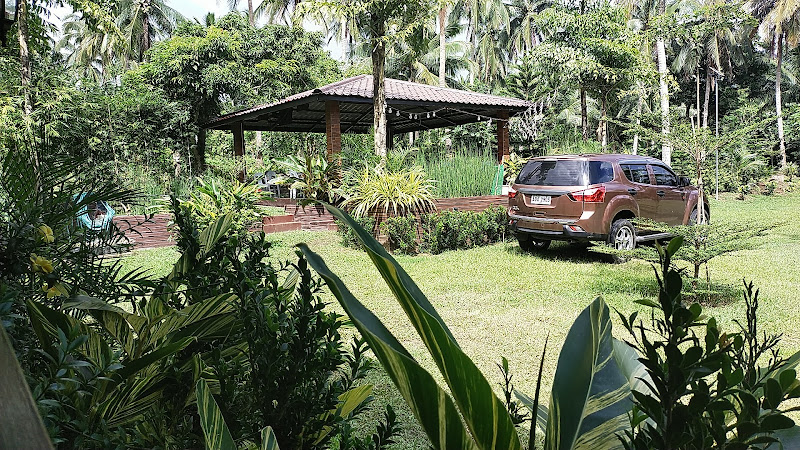
Atienza's Place
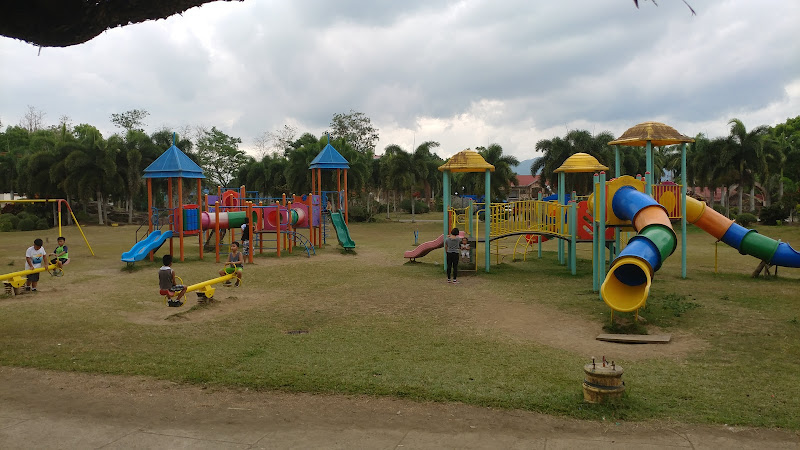
Lipa City Community Park
The Sikap Backyard @ Lipa
Find Accommodations Nearby
Recommended Tours & Activities
Visitor Reviews
There are no reviews yet. Be the first one to write one.
Share Your Experience
Have you visited Museo de Lipa? Help other travelers by leaving a review.