
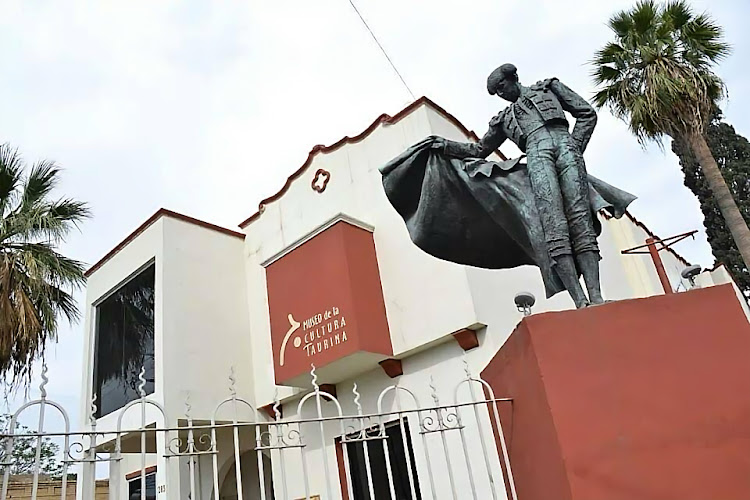
Museo de la Cultura Taurina
About Museo de la Cultura Taurina
Description
The Museo de la Cultura Taurina in Saltillo is one of those places that sparks curiosity the moment you hear about it. Dedicated entirely to the history, art, and traditions surrounding bullfighting, it’s not your typical museum stop. Some travelers walk in expecting a small exhibit and walk out surprised by the depth of the collection. From ancient myths about bulls to the colorful costumes of matadors, the museum explores a cultural practice that has shaped both Mexican and Spanish identities for centuries.
Now, let’s be honest—bullfighting is controversial. Some visitors come in with strong opinions, while others just want to learn about the history without judgment. The museum doesn’t shy away from presenting the tradition as it is, but it also weaves in fascinating perspectives on how humans have revered bulls throughout time. You’ll find artwork, photographs, and even large-scale pieces that feel more like art gallery installations than dusty museum displays. Personally, I found myself lingering in front of the paintings that show bulls as mythical creatures—it reminded me of reading Greek stories as a kid where the Minotaur was both terrifying and majestic.
The atmosphere is calm and well-organized, with air-conditioned rooms that make it a comfortable visit even during Saltillo’s warm afternoons. Families often bring kids here, and while the subject matter is unique, the layout is approachable enough for younger visitors to grasp. Accessibility is also thoughtfully considered, with wheelchair-friendly entrances and restrooms. It’s not a massive museum, so you won’t feel overwhelmed, but it packs more into its space than you’d expect.
Overall, the museum is a mix of admiration, curiosity, and reflection. Some people leave inspired by the artistry, others a bit unsettled by the realities of bullfighting, and many somewhere in between. And that’s exactly what makes it worth visiting—it makes you think, and not every museum manages to do that.
Key Features
- Nine air-conditioned exhibition rooms covering bullfighting history and culture
- Collections of costumes, photographs, and artifacts from Mexican and Spanish traditions
- Artwork exploring human fascination with bulls, including myths and legends
- Free admission, making it budget-friendly for travelers
- Wheelchair accessible entrance and restrooms
- Family-friendly environment with exhibits approachable for kids
- Central location in Saltillo’s historic area
Best Time to Visit
If you’re planning a trip, mornings are often the best time to visit. The museum tends to be quieter then, giving you space to wander without feeling rushed. Saltillo can get hot in the afternoons, so the cool interiors of the museum are a welcome break. Personally, I’d recommend pairing your visit with a stroll around the historic center—grab a coffee nearby, then head into the museum before lunchtime. Weekdays are less crowded, while weekends draw more families and groups. If you’re the type who likes to take photos without too many people in the background, aim for mid-morning on a Tuesday or Wednesday.
How to Get There
Getting to the Museo de la Cultura Taurina is pretty straightforward since it’s located right in Saltillo’s central district. If you’re staying nearby, it’s an easy walk through the city’s historic streets. For those coming from farther out, taxis and ride-share services are reliable and affordable. Public transportation is available, but honestly, if you’re short on time, a cab will save you the hassle. Parking can be a bit tight in the area, so if you’re driving, give yourself extra time to find a spot. I once circled the block three times before finally squeezing into a space, so trust me on this one.
Tips for Visiting
First tip—don’t rush it. Even though the museum isn’t huge, give yourself at least an hour to really take it in. The details in the costumes and the stories behind the photographs deserve more than a quick glance. Bring a bottle of water with you, especially if you’re exploring Saltillo on foot, because the sun can be strong. And while there’s no restaurant inside, there are plenty of local eateries nearby where you can grab a bite afterward—try the traditional dishes, they’re worth it.
If you’re traveling with kids, prepare them a little beforehand. Explain that the museum is about history and culture, not just the spectacle of bullfighting. That way, they’ll be more engaged with the myths, art, and human stories on display. Accessibility is solid, so visitors with mobility needs should feel comfortable. Lastly, keep an open mind. Whether you’re fascinated by bullfighting or skeptical of it, the museum offers a chance to understand why this tradition has endured for centuries. And who knows—you might walk out with a new perspective, or at least a story to share over dinner.
Key Features
- Nine air-conditioned exhibition rooms covering bullfighting history and culture
- Collections of costumes, photographs, and artifacts from Mexican and Spanish traditions
- Artwork exploring human fascination with bulls, including myths and legends
- Free admission, making it budget-friendly for travelers
- Wheelchair accessible entrance and restrooms
- Family-friendly environment with exhibits approachable for kids
- Central location in Saltillo’s historic area
More Details
Updated September 30, 2025
Table of Contents
Description
The Museo de la Cultura Taurina in Saltillo is one of those places that sparks curiosity the moment you hear about it. Dedicated entirely to the history, art, and traditions surrounding bullfighting, it’s not your typical museum stop. Some travelers walk in expecting a small exhibit and walk out surprised by the depth of the collection. From ancient myths about bulls to the colorful costumes of matadors, the museum explores a cultural practice that has shaped both Mexican and Spanish identities for centuries.
Now, let’s be honest—bullfighting is controversial. Some visitors come in with strong opinions, while others just want to learn about the history without judgment. The museum doesn’t shy away from presenting the tradition as it is, but it also weaves in fascinating perspectives on how humans have revered bulls throughout time. You’ll find artwork, photographs, and even large-scale pieces that feel more like art gallery installations than dusty museum displays. Personally, I found myself lingering in front of the paintings that show bulls as mythical creatures—it reminded me of reading Greek stories as a kid where the Minotaur was both terrifying and majestic.
The atmosphere is calm and well-organized, with air-conditioned rooms that make it a comfortable visit even during Saltillo’s warm afternoons. Families often bring kids here, and while the subject matter is unique, the layout is approachable enough for younger visitors to grasp. Accessibility is also thoughtfully considered, with wheelchair-friendly entrances and restrooms. It’s not a massive museum, so you won’t feel overwhelmed, but it packs more into its space than you’d expect.
Overall, the museum is a mix of admiration, curiosity, and reflection. Some people leave inspired by the artistry, others a bit unsettled by the realities of bullfighting, and many somewhere in between. And that’s exactly what makes it worth visiting—it makes you think, and not every museum manages to do that.
Key Features
- Nine air-conditioned exhibition rooms covering bullfighting history and culture
- Collections of costumes, photographs, and artifacts from Mexican and Spanish traditions
- Artwork exploring human fascination with bulls, including myths and legends
- Free admission, making it budget-friendly for travelers
- Wheelchair accessible entrance and restrooms
- Family-friendly environment with exhibits approachable for kids
- Central location in Saltillo’s historic area
Best Time to Visit
If you’re planning a trip, mornings are often the best time to visit. The museum tends to be quieter then, giving you space to wander without feeling rushed. Saltillo can get hot in the afternoons, so the cool interiors of the museum are a welcome break. Personally, I’d recommend pairing your visit with a stroll around the historic center—grab a coffee nearby, then head into the museum before lunchtime. Weekdays are less crowded, while weekends draw more families and groups. If you’re the type who likes to take photos without too many people in the background, aim for mid-morning on a Tuesday or Wednesday.
How to Get There
Getting to the Museo de la Cultura Taurina is pretty straightforward since it’s located right in Saltillo’s central district. If you’re staying nearby, it’s an easy walk through the city’s historic streets. For those coming from farther out, taxis and ride-share services are reliable and affordable. Public transportation is available, but honestly, if you’re short on time, a cab will save you the hassle. Parking can be a bit tight in the area, so if you’re driving, give yourself extra time to find a spot. I once circled the block three times before finally squeezing into a space, so trust me on this one.
Tips for Visiting
First tip—don’t rush it. Even though the museum isn’t huge, give yourself at least an hour to really take it in. The details in the costumes and the stories behind the photographs deserve more than a quick glance. Bring a bottle of water with you, especially if you’re exploring Saltillo on foot, because the sun can be strong. And while there’s no restaurant inside, there are plenty of local eateries nearby where you can grab a bite afterward—try the traditional dishes, they’re worth it.
If you’re traveling with kids, prepare them a little beforehand. Explain that the museum is about history and culture, not just the spectacle of bullfighting. That way, they’ll be more engaged with the myths, art, and human stories on display. Accessibility is solid, so visitors with mobility needs should feel comfortable. Lastly, keep an open mind. Whether you’re fascinated by bullfighting or skeptical of it, the museum offers a chance to understand why this tradition has endured for centuries. And who knows—you might walk out with a new perspective, or at least a story to share over dinner.
Key Highlights
- Nine air-conditioned exhibition rooms covering bullfighting history and culture
- Collections of costumes, photographs, and artifacts from Mexican and Spanish traditions
- Artwork exploring human fascination with bulls, including myths and legends
- Free admission, making it budget-friendly for travelers
- Wheelchair accessible entrance and restrooms
- Family-friendly environment with exhibits approachable for kids
- Central location in Saltillo’s historic area
Location
Places to Stay Near Museo de la Cultura Taurina
Find and Book a Tour
Explore More Travel Guides
No reviews found! Be the first to review!
Traveler Reviews for Museo de la Cultura Taurina
There are no reviews yet. Be the first one to write one.
Have you visited Museo de la Cultura Taurina? Help other travelers by sharing your review.
You Might Also Like
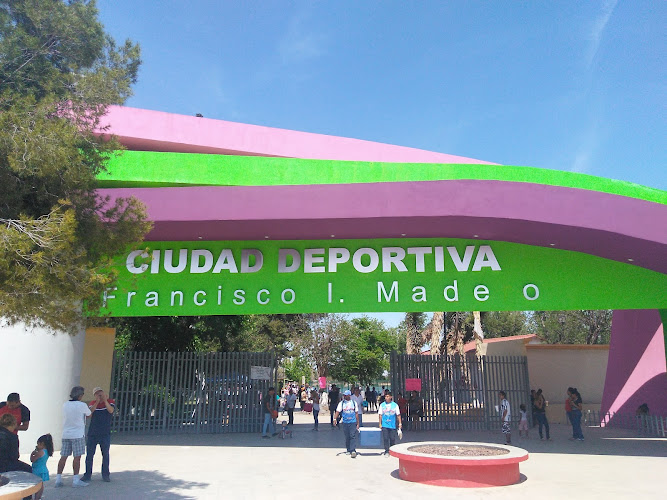
Ciudad Deportiva Francisco I. Madero
Urdiñola Park
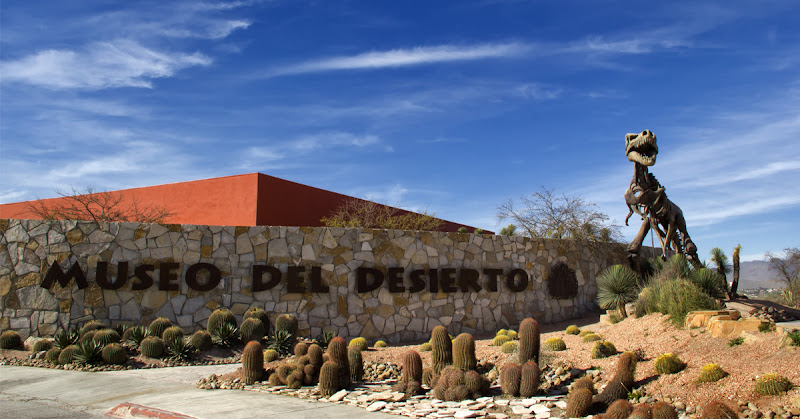
Museo del Desierto
Find Accommodations Nearby
Recommended Tours & Activities
Visitor Reviews
There are no reviews yet. Be the first one to write one.
Share Your Experience
Have you visited Museo de la Cultura Taurina? Help other travelers by leaving a review.