

Museo de Antropologia e Historia
About Museo de Antropologia e Historia
The Museo de Antropología e Historia in San Pedro Sula is one of those places that quietly surprises you. From the outside, it might not scream “grand museum,” but step inside and you’ll find centuries of stories layered through ceramics, stone carvings, and paintings that trace the region’s evolution from pre-Columbian civilizations to modern Honduras. It’s not a massive, echoing hall of relics – it’s more intimate, more personal. The exhibits feel like they were arranged by someone who really loves this place and wants you to love it too.
The museum’s layout is easy to navigate, and the atmosphere is calm, almost meditative. You can take your time here. I remember wandering through the pre-Columbian section and getting lost in the details of the pottery – the kind of craftsmanship that makes you stop and think about how much patience and skill ancient people had. The curators have done a fine job of connecting those early artifacts with the colonial and contemporary pieces, showing how the region’s identity has shifted yet somehow stayed rooted in the same soil.
It’s also a women-owned establishment, which adds a layer of pride and purpose to the experience. The staff are friendly and clearly passionate about what they do. There’s an authenticity to their explanations that you don’t always get in larger, more commercial museums. And if you’re traveling with your family, this place is a gem – kids can explore without feeling overwhelmed, and there’s a sense of safety and warmth throughout.
Key Features
- Artifacts and artwork tracing Honduran history from pre-Columbian times to the present day
- Live performances that bring local traditions and folklore to life
- Wheelchair-accessible restrooms and facilities for inclusive access
- On-site restaurant offering local dishes – perfect for a mid-visit break
- Family-friendly environment with exhibits suitable for children
- Knowledgeable staff who share personal insights about the collections
- Rotating exhibits that highlight regional art and cultural evolution
What I personally love is how the museum balances education with emotion. You don’t just read plaques here – you feel the stories. The live performances, for instance, aren’t just entertainment; they’re cultural preservation in motion. I once caught a small dance performance that depicted an ancient harvest ritual, and it was unexpectedly moving. It’s the kind of experience that sticks with you long after you’ve left.
Best Time to Visit
If you can, visit during the cooler months between November and February. The weather in San Pedro Sula can get pretty warm and humid, and you’ll appreciate the more comfortable temperatures when exploring. Weekday mornings are usually quieter, which makes it easier to take your time in each exhibit without the rush of larger crowds.
That said, there’s something special about visiting on weekends when live performances often take place. The museum feels more alive then, with music echoing softly through the halls and families chatting in the courtyard. If you’re the type who enjoys seeing culture in motion rather than just reading about it, those days are golden.
And here’s a small tip from my own mistake: don’t rush your visit. I once popped in thinking I’d stay for an hour, but I ended up staying almost three. There’s just so much subtle detail – from the handwoven textiles to the colonial-era artifacts – that rewards a slower pace.
How to Get There
Getting to the Museo de Antropología e Historia is fairly straightforward. It’s centrally located in San Pedro Sula, so most travelers can reach it easily by taxi or rideshare from the main hotels or bus terminals. If you’re staying nearby, it’s even walkable – just be prepared for the tropical heat.
Public transportation is available, but I’d personally recommend taking a taxi if you’re not familiar with the city. The drivers usually know the museum well, and the ride gives you a quick glimpse of local life along the way – street vendors selling fresh fruit, school kids in uniform, and the occasional burst of reggaeton from a passing car.
If you’re driving, parking is usually available nearby, though it can get a bit tight during weekends or special events. The museum’s location makes it a great starting point for a day of exploring San Pedro Sula’s cultural and historical spots, so you might want to plan a few nearby stops too.
Tips for Visiting
Here’s where a few practical (and personal) insights come in handy. First off, bring a bottle of water – even though the museum is air-conditioned in parts, the humidity can catch you off guard. Comfortable shoes are a must, especially if you plan to explore the surrounding area afterward.
Photography is usually allowed, but always check with the staff before snapping pictures. Some of the older artifacts are sensitive to light, and the staff appreciate when visitors show respect for preservation efforts. If you’re a history buff, you might want to bring a small notebook. There’s so much context here that’s worth jotting down – especially if you’re fascinated by Mesoamerican cultures.
Another thing: take advantage of the restaurant on-site. The food isn’t just convenient; it’s genuinely good. I had a plate of baleadas there once that might have been the best I’ve ever tasted. Sitting there with a coffee, watching families drift in and out, you get this lovely sense of connection – like you’re part of the rhythm of local life for a moment.
And if you’re traveling with kids, don’t worry about keeping them entertained. The museum does a great job at making history accessible. There are interactive displays and occasional workshops that let younger visitors get hands-on with crafts or storytelling sessions. It’s one of those rare museums where kids actually stay engaged instead of tugging at your sleeve to leave.
Lastly, be open to conversation. The staff and even other visitors often have fascinating stories to share about the artifacts or the city’s past. I once chatted with a local artist there who explained how some of the patterns in the ancient pottery still influence modern Honduran design. It gave me a whole new appreciation for the continuity of culture.
In short, the Museo de Antropología e Historia isn’t just a stop on your itinerary – it’s a window into the heart of Honduras. It’s about understanding where the people come from, what they’ve held onto, and how they’ve shaped their identity through time. Whether you’re a history lover, an art enthusiast, or just someone curious about the world, this museum offers a quiet but powerful experience that lingers long after you’ve stepped back into the sun-soaked streets of San Pedro Sula.
Key Features
- Artifacts and artwork tracing Honduran history from pre-Columbian times to the present day
- Live performances that bring local traditions and folklore to life
- Wheelchair-accessible restrooms and facilities for inclusive access
- On-site restaurant offering local dishes – perfect for a mid-visit break
- Family-friendly environment with exhibits suitable for children
- Knowledgeable staff who share personal insights about the collections
- Rotating exhibits that highlight regional art and cultural evolution
You Might Also Like
21103 San Pedro Sula, Cortés
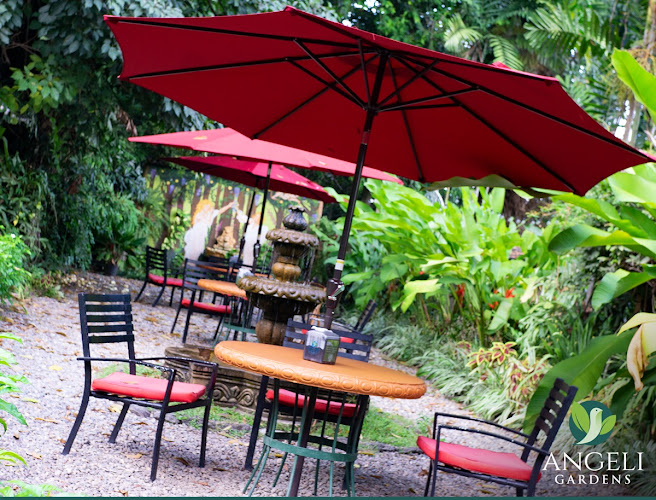
Angeli Gardens

Bazar del Sábado
Tours & Activities
GetYourGuide provides this tour inventory. We may earn a commission if you book through it; verify current availability, prices, and terms with the provider.
Visitor Reviews
There are no reviews yet. Be the first one to write one.
Share Your Experience
Have you visited Museo de Antropologia e Historia? Help other travelers by leaving a review.