
Shell
About Shell
The Shell, tucked away within the lush expanse of a Honduran national forest, feels like one of those places that time forgot—in the best possible way. It’s quiet but not empty, wild but not unwelcoming. The air smells faintly of pine and damp earth, and if you stand still long enough, you’ll hear the forest whisper its secrets. Travelers who stumble upon this spot often describe it as a kind of reset button for the soul. It’s not one of those overly commercialized destinations; instead, it’s raw, authentic, and refreshingly simple.
Now, I’ll be honest—this isn’t the kind of place where you’ll find luxury resorts or trendy coffee shops at every turn. But that’s part of its charm. The Shell draws people who crave connection—to nature, to themselves, and maybe even to a slower rhythm of life. You can pay for park access or small services easily with debit or credit cards, and yes, even NFC mobile payments are accepted (a pleasant surprise for somewhere that feels so remote).
There’s a certain balance here. Some visitors rave about the serenity, the trails, and the way the light filters through the canopy. Others mention that the facilities could use a bit of love. But that’s the thing about wild places—they’re not supposed to be perfect. They’re supposed to be real. And The Shell, with its winding paths and soft, earthy silence, is as real as it gets.
Key Features
- Expansive forest trails suitable for hiking, birdwatching, and quiet reflection
- Natural streams and shaded picnic areas ideal for a mid-day rest
- Payment options include debit cards, credit cards, and NFC mobile payments
- Rich biodiversity with native flora and fauna unique to this part of Honduras
- Peaceful atmosphere away from the bustle of city life
- Opportunities for photography, sketching, or simply disconnecting from screens
If you’re the kind of traveler who prefers the sound of rustling leaves to car horns, The Shell will feel like home. And even though it’s not a massive tourist hub, the infrastructure is decent enough for a comfortable visit. There’s a raw honesty about the place that’s hard to find elsewhere.
Best Time to Visit
The best time to visit The Shell really depends on what you’re after. If you’re into lush greenery and don’t mind a bit of rain, the wet season (roughly May to October) paints the forest in deep, vivid shades of green. It’s humid, sure, but the payoff is the sound of rain tapping the leaves and the sight of mist curling through the trees—it’s almost cinematic.
For those who prefer drier trails and easier hiking, the dry season (November to April) is your best bet. The paths are more manageable, and you’ll get clearer views from the higher points. I personally went in early March once, and the weather was just about perfect—not too hot, not too muggy, just that sweet spot where you can hike for hours without feeling like you’re melting.
Avoid major holidays if you can, since locals love coming here for picnics and family gatherings. It’s not overly crowded, but if you’re chasing that sense of solitude, weekdays are pure magic.
How to Get There
Reaching The Shell is part of the adventure. From San Pedro Sula, it’s a relatively short drive, but don’t expect a straight highway all the way—some of the roads can be a bit bumpy, especially after heavy rain. If you’re renting a car, I’d recommend something with decent clearance. I once made the trip in a small sedan and, well, let’s just say I learned to appreciate every pothole as part of the experience.
Public transport is an option, though it might take a bit longer and require some patience. Local buses or colectivos can get you close, and from there, a short taxi ride or even a walk (if you’re feeling adventurous) will lead you to the forest entrance. And honestly, walking that last stretch gives you a chance to take in the changing scenery—the way the city noise fades and the forest starts to hum around you.
If you’re using a GPS, make sure to double-check your route before heading out. Connectivity can be spotty once you’re deeper in the forest. Bring a physical map or download an offline one just in case. Trust me, it’s worth the extra prep.
Tips for Visiting
Here’s where a little insider advice goes a long way. First, bring water—more than you think you’ll need. The humidity can sneak up on you, and there’s nothing worse than realizing your bottle’s empty halfway through a trail. A reusable one is best; there are a few refill stations near the visitor area.
Wear comfortable shoes, preferably hiking boots or sturdy sneakers. The terrain isn’t extreme, but it can get slippery after rain. Bug spray is another must. I learned that the hard way—mosquitoes here are persistent little creatures. Sunscreen, too, because even under the canopy, the sun finds its way through.
If you’re into photography, bring your camera or a good phone with a decent lens. The light here shifts throughout the day, creating some stunning natural contrasts. Early morning and late afternoon are particularly magical—the kind of light that makes even the simplest leaf look like art.
And if you’re planning to picnic, please, pack out what you pack in. The Shell has managed to stay beautiful because most visitors respect it. Let’s keep it that way. Also, don’t be surprised if you meet a few friendly locals along the trails—they’re usually happy to share stories or point you toward hidden spots you might otherwise miss.
Lastly, don’t rush. This isn’t a place you “check off” a list. It’s one you experience slowly. Sit on a rock, listen to the wind, maybe even close your eyes for a bit. You’ll understand why people keep coming back. It’s not just about the forest—it’s about what the forest gives back to you.
The Shell may not be the most famous destination in Honduras, but that’s exactly what makes it special. It’s a quiet, grounding space for travelers who crave authenticity over spectacle. Whether you’re a hiker, a dreamer, or just someone in need of a deep breath, this national forest has a way of reminding you what peace really feels like.
Key Features
- Expansive forest trails suitable for hiking, birdwatching, and quiet reflection
- Natural streams and shaded picnic areas ideal for a mid-day rest
- Payment options include debit cards, credit cards, and NFC mobile payments
- Rich biodiversity with native flora and fauna unique to this part of Honduras
- Peaceful atmosphere away from the bustle of city life
- Opportunities for photography, sketching, or simply disconnecting from screens
You Might Also Like
21103 San Pedro Sula, Cortés
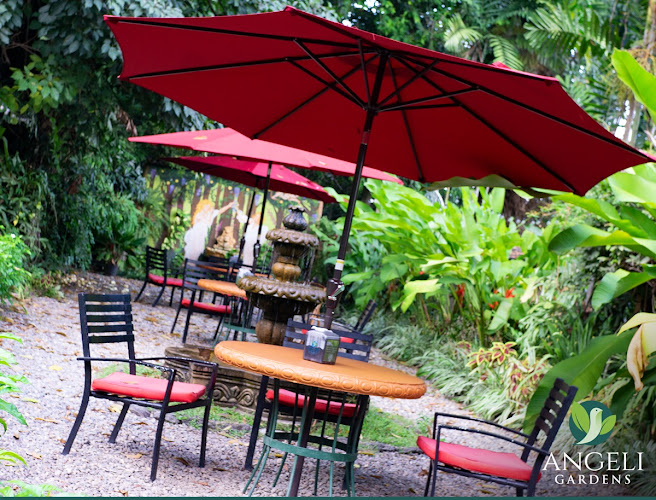
Angeli Gardens

Bazar del Sábado
Tours & Activities
GetYourGuide provides this tour inventory. We may earn a commission if you book through it; verify current availability, prices, and terms with the provider.
Visitor Reviews
There are no reviews yet. Be the first one to write one.
Share Your Experience
Have you visited Shell? Help other travelers by leaving a review.