

Musée Fougau
About Musée Fougau
Description
The Musée Fougau is one of those places that surprises you, even if you think you’ve seen every corner of Montpellier already. It’s small, tucked away in the historic heart of the city, and yet it carries a kind of quiet dignity that draws you in. The museum focuses on the cultural and artistic heritage of Montpellier, offering a glimpse into the city’s past through its artifacts, paintings, and exhibits. It’s not the kind of museum that overwhelms you with endless rooms or flashy installations. Instead, it feels personal—almost like stepping into someone’s beautifully preserved home from another century.
Visitors often find the atmosphere calm and reflective. The lighting is soft, the exhibits thoughtfully arranged, and the staff genuinely welcoming. The museum’s accessibility features, such as a wheelchair-accessible restroom, make it comfortable for all visitors. While it doesn’t have a restaurant on-site, there are plenty of cozy cafés nearby where you can grab a coffee afterward and chat about what you’ve just seen. It’s the kind of place that encourages you to slow down and really notice the details—the brushstrokes on a painting, the craftsmanship of a centuries-old object, or the subtle scent of old wood and stone that lingers in the air.
What makes the Musée Fougau particularly special is its intimate scale. You can explore every corner without feeling rushed. It’s ideal for travelers who prefer depth over breadth—people who enjoy connecting with a city’s soul rather than racing through its checklist of attractions. There’s a sense of authenticity here, an honesty in how the museum presents its collection. It doesn’t try to impress; it simply tells its story, and that’s what makes it memorable.
Now, I’ll admit, not every visitor walks out completely enchanted. Some might find it a bit too small or wish for more interactive displays. But others, myself included, appreciate that very simplicity. It’s a museum that invites you to think, to feel, to imagine the lives of those who once walked these same streets centuries ago. And honestly, that’s worth something.
Key Features
- Authentic Local Heritage: The museum highlights Montpellier’s cultural history through carefully curated artifacts and artworks that tell the story of the region’s evolution.
- Intimate Atmosphere: Unlike larger museums, the Musée Fougau offers a quiet, personal experience—perfect for travelers who prefer a slower pace.
- Accessibility: Wheelchair-accessible restroom ensures comfort for all visitors, making it inclusive and easy to navigate.
- Historic Setting: Housed in a beautiful old building that feels like part of the exhibit itself, with architectural details that reflect the charm of Montpellier’s past.
- Knowledgeable Staff: Friendly staff often share stories or background details that add depth to the exhibits, giving the visit a more personal touch.
- Central Location: Conveniently situated in the old town, making it easy to combine a visit with nearby attractions, cafés, and shops.
- Peaceful Environment: A great place to escape the bustle of the city for an hour or two and simply enjoy a bit of quiet reflection.
Best Time to Visit
If you want to enjoy the Musée Fougau without the crowds, weekdays are your best bet—especially in the morning. Montpellier can get busy during the summer months, with tourists wandering through the old streets, but the museum remains relatively calm compared to other attractions. Spring and early autumn are ideal times to visit the city in general. The weather is gentle, the light is golden, and walking through the historic center feels like stepping into a painting. I remember visiting one late April afternoon—the air smelled faintly of jasmine, and the streets were dotted with locals chatting outside cafés. It felt like the perfect prelude to spending an hour exploring the museum’s quiet halls.
Winter has its charm too. The museum’s cozy atmosphere pairs well with the crisp air outside. You can wander through the exhibits, then warm up with a hot drink nearby. Summer, on the other hand, can be a bit hot, but the museum’s thick stone walls keep it pleasantly cool inside. So, really, there’s no bad time to go—it just depends on the kind of experience you’re after. If you like peaceful mornings and fewer people, go early. If you prefer a more social vibe, late afternoons tend to bring in small groups of visitors who linger and chat.
How to Get There
Reaching the Musée Fougau is straightforward, especially if you’re already exploring the center of Montpellier. The city’s public transport system is efficient, with trams and buses connecting most major points. The museum sits within walking distance from several tram stops, so you can easily hop off and wander through the charming streets leading up to it. Personally, I recommend walking if you can—it’s the best way to soak in the city’s atmosphere. The narrow lanes, the stone façades, the little shops tucked between centuries-old buildings—it’s all part of the experience.
For those driving, parking can be a bit tricky in the old town, but there are public car parks within a short walk. If you’re staying nearby, it’s even easier—just a leisurely stroll through Montpellier’s historic quarter will get you there. And if you’re the kind of traveler who loves to wander without a strict plan, you might even stumble upon it by accident. That’s how I found it the first time, actually—just following my curiosity down a quiet street until I saw the sign and thought, why not?
Tips for Visiting
Before you go, here are a few practical (and slightly personal) tips to make your visit smoother and more enjoyable:
- Plan for a relaxed visit: The museum isn’t large, so set aside about an hour or two. That’s enough time to take it all in without feeling rushed.
- Bring a curious mindset: Some exhibits might seem modest at first glance, but take a closer look. The details often reveal fascinating stories about Montpellier’s local history.
- Check opening hours: They can vary depending on the season, so it’s smart to confirm before you head out.
- No on-site restaurant: Since there’s no café inside, plan to grab a bite nearby. The surrounding area has plenty of spots serving great coffee and light lunches.
- Ask questions: The staff are approachable and often eager to share insights. Don’t hesitate to strike up a conversation—it can really enrich your experience.
- Accessibility: If you or someone in your group uses a wheelchair, rest assured that the facilities are accommodating, including accessible restrooms.
- Photography: Always check whether photography is allowed before snapping pictures. Some areas may have restrictions to protect the artworks.
- Combine your visit: The museum’s location makes it easy to pair with other nearby attractions. You could spend the morning exploring the old town, visit the museum after lunch, and then enjoy a relaxed evening walk.
One last thing—don’t rush. The Musée Fougau isn’t the kind of place you “do” and move on from. It’s a place to linger, to let your imagination wander through time. I remember sitting on a bench inside, just taking in the quiet hum of the space, thinking about how many stories these walls must have witnessed. That’s what travel is about, isn’t it? Finding those little moments that stay with you long after you’ve left. The Musée Fougau offers exactly that kind of experience—subtle, meaningful, and quietly unforgettable.
Key Features
- Key Features
- Best Time to Visit
- How to Get There
- Tips for Visiting
More Details
Updated November 9, 2025
Table of Contents
Description
The Musée Fougau is one of those places that surprises you, even if you think you’ve seen every corner of Montpellier already. It’s small, tucked away in the historic heart of the city, and yet it carries a kind of quiet dignity that draws you in. The museum focuses on the cultural and artistic heritage of Montpellier, offering a glimpse into the city’s past through its artifacts, paintings, and exhibits. It’s not the kind of museum that overwhelms you with endless rooms or flashy installations. Instead, it feels personal—almost like stepping into someone’s beautifully preserved home from another century.
Visitors often find the atmosphere calm and reflective. The lighting is soft, the exhibits thoughtfully arranged, and the staff genuinely welcoming. The museum’s accessibility features, such as a wheelchair-accessible restroom, make it comfortable for all visitors. While it doesn’t have a restaurant on-site, there are plenty of cozy cafés nearby where you can grab a coffee afterward and chat about what you’ve just seen. It’s the kind of place that encourages you to slow down and really notice the details—the brushstrokes on a painting, the craftsmanship of a centuries-old object, or the subtle scent of old wood and stone that lingers in the air.
What makes the Musée Fougau particularly special is its intimate scale. You can explore every corner without feeling rushed. It’s ideal for travelers who prefer depth over breadth—people who enjoy connecting with a city’s soul rather than racing through its checklist of attractions. There’s a sense of authenticity here, an honesty in how the museum presents its collection. It doesn’t try to impress; it simply tells its story, and that’s what makes it memorable.
Now, I’ll admit, not every visitor walks out completely enchanted. Some might find it a bit too small or wish for more interactive displays. But others, myself included, appreciate that very simplicity. It’s a museum that invites you to think, to feel, to imagine the lives of those who once walked these same streets centuries ago. And honestly, that’s worth something.
Key Features
- Authentic Local Heritage: The museum highlights Montpellier’s cultural history through carefully curated artifacts and artworks that tell the story of the region’s evolution.
- Intimate Atmosphere: Unlike larger museums, the Musée Fougau offers a quiet, personal experience—perfect for travelers who prefer a slower pace.
- Accessibility: Wheelchair-accessible restroom ensures comfort for all visitors, making it inclusive and easy to navigate.
- Historic Setting: Housed in a beautiful old building that feels like part of the exhibit itself, with architectural details that reflect the charm of Montpellier’s past.
- Knowledgeable Staff: Friendly staff often share stories or background details that add depth to the exhibits, giving the visit a more personal touch.
- Central Location: Conveniently situated in the old town, making it easy to combine a visit with nearby attractions, cafés, and shops.
- Peaceful Environment: A great place to escape the bustle of the city for an hour or two and simply enjoy a bit of quiet reflection.
Best Time to Visit
If you want to enjoy the Musée Fougau without the crowds, weekdays are your best bet—especially in the morning. Montpellier can get busy during the summer months, with tourists wandering through the old streets, but the museum remains relatively calm compared to other attractions. Spring and early autumn are ideal times to visit the city in general. The weather is gentle, the light is golden, and walking through the historic center feels like stepping into a painting. I remember visiting one late April afternoon—the air smelled faintly of jasmine, and the streets were dotted with locals chatting outside cafés. It felt like the perfect prelude to spending an hour exploring the museum’s quiet halls.
Winter has its charm too. The museum’s cozy atmosphere pairs well with the crisp air outside. You can wander through the exhibits, then warm up with a hot drink nearby. Summer, on the other hand, can be a bit hot, but the museum’s thick stone walls keep it pleasantly cool inside. So, really, there’s no bad time to go—it just depends on the kind of experience you’re after. If you like peaceful mornings and fewer people, go early. If you prefer a more social vibe, late afternoons tend to bring in small groups of visitors who linger and chat.
How to Get There
Reaching the Musée Fougau is straightforward, especially if you’re already exploring the center of Montpellier. The city’s public transport system is efficient, with trams and buses connecting most major points. The museum sits within walking distance from several tram stops, so you can easily hop off and wander through the charming streets leading up to it. Personally, I recommend walking if you can—it’s the best way to soak in the city’s atmosphere. The narrow lanes, the stone façades, the little shops tucked between centuries-old buildings—it’s all part of the experience.
For those driving, parking can be a bit tricky in the old town, but there are public car parks within a short walk. If you’re staying nearby, it’s even easier—just a leisurely stroll through Montpellier’s historic quarter will get you there. And if you’re the kind of traveler who loves to wander without a strict plan, you might even stumble upon it by accident. That’s how I found it the first time, actually—just following my curiosity down a quiet street until I saw the sign and thought, why not?
Tips for Visiting
Before you go, here are a few practical (and slightly personal) tips to make your visit smoother and more enjoyable:
- Plan for a relaxed visit: The museum isn’t large, so set aside about an hour or two. That’s enough time to take it all in without feeling rushed.
- Bring a curious mindset: Some exhibits might seem modest at first glance, but take a closer look. The details often reveal fascinating stories about Montpellier’s local history.
- Check opening hours: They can vary depending on the season, so it’s smart to confirm before you head out.
- No on-site restaurant: Since there’s no café inside, plan to grab a bite nearby. The surrounding area has plenty of spots serving great coffee and light lunches.
- Ask questions: The staff are approachable and often eager to share insights. Don’t hesitate to strike up a conversation—it can really enrich your experience.
- Accessibility: If you or someone in your group uses a wheelchair, rest assured that the facilities are accommodating, including accessible restrooms.
- Photography: Always check whether photography is allowed before snapping pictures. Some areas may have restrictions to protect the artworks.
- Combine your visit: The museum’s location makes it easy to pair with other nearby attractions. You could spend the morning exploring the old town, visit the museum after lunch, and then enjoy a relaxed evening walk.
One last thing—don’t rush. The Musée Fougau isn’t the kind of place you “do” and move on from. It’s a place to linger, to let your imagination wander through time. I remember sitting on a bench inside, just taking in the quiet hum of the space, thinking about how many stories these walls must have witnessed. That’s what travel is about, isn’t it? Finding those little moments that stay with you long after you’ve left. The Musée Fougau offers exactly that kind of experience—subtle, meaningful, and quietly unforgettable.
Key Highlights
- Key Features
- Best Time to Visit
- How to Get There
- Tips for Visiting
Location
Places to Stay Near Musée Fougau
Find and Book a Tour
Explore More Travel Guides
No reviews found! Be the first to review!
Traveler Reviews for Musée Fougau
There are no reviews yet. Be the first one to write one.
Have you visited Musée Fougau? Help other travelers by sharing your review.
You Might Also Like

Aqueduc Saint-Clément

Champ de Mars Garden
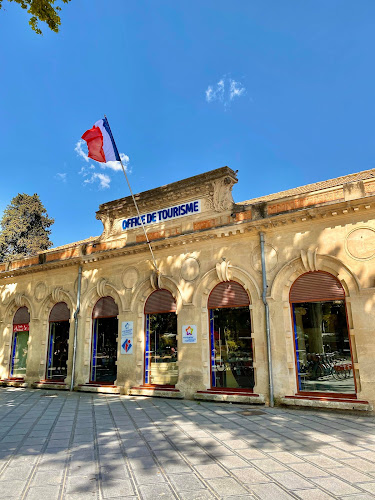
Office de Tourisme & des Congrès Montpellier Méditerranée Métropole
Find Accommodations Nearby
Recommended Tours & Activities
Visitor Reviews
There are no reviews yet. Be the first one to write one.
Share Your Experience
Have you visited Musée Fougau? Help other travelers by leaving a review.