
musée d
About musée d
Description
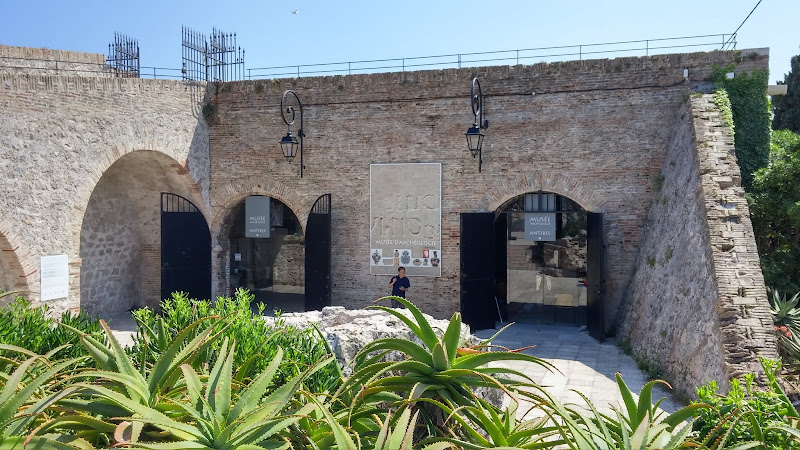
If you’ve ever found yourself daydreaming about what life looked like on the Mediterranean centuries ago, the Musée d’archéologie d’Antibes basically hands you the keys to the past. It’s quirky—let’s just get that clear right away. It’s not the sprawling, echoey halls of the big Louvre or Rome’s museum giants. Instead, you get a cozy, honestly kind of snug, fort perched beside the glimmering sea. The building itself, the Bastion Saint-André, is a mid-16th-century fortress, which, weirdly enough, is now stuffed with treasures dragged up from under Antibes, its harbors, and beyond.
Expect a real mix—shelves spilling with ancient Roman amphorae, hundreds of crusty coins (I can never resist peering in those cases), jewelry, pottery, and enough tools to paint a vivid picture of the people who actually lived here. I’ve been to a lot of museums in France, and here’s the wild thing: this one makes it super tangible to imagine a fisherman, say, a couple thousand years back, dropping a coin in the sand, or a merchant hauling jars of oil. And the sea views right outside the fort’s stone walls? Well, I dare you to look out and not picture Roman ships gliding past.
Despite its age, the museum is great for families—my nephew ran laps around the displays and pointed at every helmet. Plus, there’s ramp access almost everywhere, so if you’re rolling with a stroller or a wheelchair, you’re set. Now, it’s not without its little quirks (sometimes the signage is more in French than English), and if you’re expecting shining interactive screens everywhere, this probably isn’t for you. But for curious souls—history buffs, people with a romantic streak, heck, even slightly bored teenagers—there’s genuine magic inside.
Key Features
- Historic Seaside Fort: Housed inside a real 16th-century bastion, combining military history with compelling archaeological treasures.
- Ancient Roman Artifacts: Pottery, glassware, amphorae, mosaics, tools, and coins dating from the Greek and Roman periods, dredged up from local digs and shipwrecks.
- Kid-Friendly Displays: Thoughtfully curated for all ages, with plenty for children to ogle and spaces where they can touch and ask questions (beware, you may be quizzed on what a mosaic is!).
- Spectacular Sea Views: The museum sits right above the Mediterranean, offering some of the prettiest lookout points you’ll get for the ticket price alone.
- Accessible Facilities: Wheelchair-friendly entrance, restrooms, and parking, making it straightforward for everyone to visit. (Though, yes, a few spots indoors feel just a bit tight!)
- Tangible Connections to Ancient Life: The real draw here is just how up-close you can get to local history—with exhibits showing what everyday living, trade, and ritual looked like for Antibes’ earliest folks.
- Local French Flair: Unlike many museums, staff are locals—often enthusiastic, always happy to chat if your French is up to it, sometimes hilarious if you’re patient and smiley.
Best Time to Visit
Okay, so let’s spill the beans: aim for spring or early autumn if you can swing it. Here’s why. During July and August, the crowds in Antibes can feel like a rugby scrum (especially when heatwaves hit), so the snug museum can get stuffy and louder than a Roman market. But from late March to early June or mid-September through October, the pace slows, the sun is soft, and you might just have some galleries all to yourself. I once visited in the shoulder season and ended up chatting with a curator for twenty minutes about ancient maritime trade—try doing that in peak tourist time!
Mornings generally see fewer visitors, and if you’re traveling with kids or you appreciate a little extra breathing room for gawping at relics, I can’t recommend arriving near opening enough. Most people drift in after brunch. Oh—and a rainy day? Absolutely perfect: the fort’s thick walls and moody lighting add a poetic atmosphere that just works.
How to Get There
Getting yourself to the Musée d’archéologie d’Antibes is a treat in itself. Honestly, Antibes is built for wandering. If you’re already in the old town, you’re in luck—you’re a short stroll away. You’ll swing by cobbled alleys, cheeky street art, and, more often than not, a cluster of locals discussing today’s fish catch. Keep your eyes peeled for the fort jutting out by the sea—with its chunky stone walls, it’s almost impossible to miss.
For those rolling in by train (bless the SNCF and its surprising punctuality, sometimes): Antibes station is a 10-15 minute walk, straight through some of the prettiest streets you’ll see on the Riviera. There are also buses from the other Côte d’Azur towns. If you drive, the good news is the nearby parking isn’t as nightmarish as, say, Nice’s center, but on weekends, the lots can fill up quick. I prefer hoofing it—parking in Antibes is never truly stress-free—but walking means gelato stops.
And honestly, if you can, arrive by bike or on foot. That instant sea breeze and the salty tang in the air? Makes it feel like you just time-traveled yourself into a postcard.
Tips for Visiting
Let’s be real: there are always little secrets that make a museum trip more satisfying, especially when you’re in a spot with as much personality as this one. First off, try to pack light. The museum isn’t enormous, so hauling backpacks gets awkward fast (plus, who wants to accidentally sweep an ancient vase off a pedestal? Not this clumsy writer, thanks!).
Don’t rush. Linger by the cases, even if you’re “not really a history person”. Seriously—some of the oddest highlights are easy to miss, like the shipwrecked amphorae still crusted with centuries-old barnacles. If you see a label in French only and you’re not fluent, just ask the staff—half the time, they’ll launch into an impromptu story that’s better than any translation app.
There’s no on-site café (I learned this the hard way after craving a strong coffee), but the old town is packed with cafés and bakeries steps away. Perfect for discussing your favorite finds over tarte tropézienne or an espresso. Kids can get a little wiggly, so be sure to let them pause at the lookout terraces outside. Those views burn themselves into your memory; I think my niece spent more time giggling at the sailboats than mulling over old pottery.
Photography is allowed without flash (and you’ll want those moody fortress shots for your feed). Wear comfortable shoes—the floors are uneven in places—and bring a jacket if you’re visiting outside summer; those old fort stones can be chilly.
And here’s a final bit of wisdom: check their event schedule. Sometimes there are temporary exhibitions or hands-on workshops that are honestly worth timing your trip for. One last thing—the museum’s a calm spot if you need a breather from the busy Riviera. So, take your time, let your mind wander, and if you catch yourself pondering what life was like two millennia ago, you’re in good company.
Key Features
- Key Features
- Best Time to Visit
- How to Get There
- Tips for Visiting
More Details
Updated June 26, 2025
Table of Contents
Description
If you’ve ever found yourself daydreaming about what life looked like on the Mediterranean centuries ago, the Musée d’archéologie d’Antibes basically hands you the keys to the past. It’s quirky—let’s just get that clear right away. It’s not the sprawling, echoey halls of the big Louvre or Rome’s museum giants. Instead, you get a cozy, honestly kind of snug, fort perched beside the glimmering sea. The building itself, the Bastion Saint-André, is a mid-16th-century fortress, which, weirdly enough, is now stuffed with treasures dragged up from under Antibes, its harbors, and beyond.
Expect a real mix—shelves spilling with ancient Roman amphorae, hundreds of crusty coins (I can never resist peering in those cases), jewelry, pottery, and enough tools to paint a vivid picture of the people who actually lived here. I’ve been to a lot of museums in France, and here’s the wild thing: this one makes it super tangible to imagine a fisherman, say, a couple thousand years back, dropping a coin in the sand, or a merchant hauling jars of oil. And the sea views right outside the fort’s stone walls? Well, I dare you to look out and not picture Roman ships gliding past.
Despite its age, the museum is great for families—my nephew ran laps around the displays and pointed at every helmet. Plus, there’s ramp access almost everywhere, so if you’re rolling with a stroller or a wheelchair, you’re set. Now, it’s not without its little quirks (sometimes the signage is more in French than English), and if you’re expecting shining interactive screens everywhere, this probably isn’t for you. But for curious souls—history buffs, people with a romantic streak, heck, even slightly bored teenagers—there’s genuine magic inside.
Key Features
- Historic Seaside Fort: Housed inside a real 16th-century bastion, combining military history with compelling archaeological treasures.
- Ancient Roman Artifacts: Pottery, glassware, amphorae, mosaics, tools, and coins dating from the Greek and Roman periods, dredged up from local digs and shipwrecks.
- Kid-Friendly Displays: Thoughtfully curated for all ages, with plenty for children to ogle and spaces where they can touch and ask questions (beware, you may be quizzed on what a mosaic is!).
- Spectacular Sea Views: The museum sits right above the Mediterranean, offering some of the prettiest lookout points you’ll get for the ticket price alone.
- Accessible Facilities: Wheelchair-friendly entrance, restrooms, and parking, making it straightforward for everyone to visit. (Though, yes, a few spots indoors feel just a bit tight!)
- Tangible Connections to Ancient Life: The real draw here is just how up-close you can get to local history—with exhibits showing what everyday living, trade, and ritual looked like for Antibes’ earliest folks.
- Local French Flair: Unlike many museums, staff are locals—often enthusiastic, always happy to chat if your French is up to it, sometimes hilarious if you’re patient and smiley.
Best Time to Visit
Okay, so let’s spill the beans: aim for spring or early autumn if you can swing it. Here’s why. During July and August, the crowds in Antibes can feel like a rugby scrum (especially when heatwaves hit), so the snug museum can get stuffy and louder than a Roman market. But from late March to early June or mid-September through October, the pace slows, the sun is soft, and you might just have some galleries all to yourself. I once visited in the shoulder season and ended up chatting with a curator for twenty minutes about ancient maritime trade—try doing that in peak tourist time!
Mornings generally see fewer visitors, and if you’re traveling with kids or you appreciate a little extra breathing room for gawping at relics, I can’t recommend arriving near opening enough. Most people drift in after brunch. Oh—and a rainy day? Absolutely perfect: the fort’s thick walls and moody lighting add a poetic atmosphere that just works.
How to Get There
Getting yourself to the Musée d’archéologie d’Antibes is a treat in itself. Honestly, Antibes is built for wandering. If you’re already in the old town, you’re in luck—you’re a short stroll away. You’ll swing by cobbled alleys, cheeky street art, and, more often than not, a cluster of locals discussing today’s fish catch. Keep your eyes peeled for the fort jutting out by the sea—with its chunky stone walls, it’s almost impossible to miss.
For those rolling in by train (bless the SNCF and its surprising punctuality, sometimes): Antibes station is a 10-15 minute walk, straight through some of the prettiest streets you’ll see on the Riviera. There are also buses from the other Côte d’Azur towns. If you drive, the good news is the nearby parking isn’t as nightmarish as, say, Nice’s center, but on weekends, the lots can fill up quick. I prefer hoofing it—parking in Antibes is never truly stress-free—but walking means gelato stops.
And honestly, if you can, arrive by bike or on foot. That instant sea breeze and the salty tang in the air? Makes it feel like you just time-traveled yourself into a postcard.
Tips for Visiting
Let’s be real: there are always little secrets that make a museum trip more satisfying, especially when you’re in a spot with as much personality as this one. First off, try to pack light. The museum isn’t enormous, so hauling backpacks gets awkward fast (plus, who wants to accidentally sweep an ancient vase off a pedestal? Not this clumsy writer, thanks!).
Don’t rush. Linger by the cases, even if you’re “not really a history person”. Seriously—some of the oddest highlights are easy to miss, like the shipwrecked amphorae still crusted with centuries-old barnacles. If you see a label in French only and you’re not fluent, just ask the staff—half the time, they’ll launch into an impromptu story that’s better than any translation app.
There’s no on-site café (I learned this the hard way after craving a strong coffee), but the old town is packed with cafés and bakeries steps away. Perfect for discussing your favorite finds over tarte tropézienne or an espresso. Kids can get a little wiggly, so be sure to let them pause at the lookout terraces outside. Those views burn themselves into your memory; I think my niece spent more time giggling at the sailboats than mulling over old pottery.
Photography is allowed without flash (and you’ll want those moody fortress shots for your feed). Wear comfortable shoes—the floors are uneven in places—and bring a jacket if you’re visiting outside summer; those old fort stones can be chilly.
And here’s a final bit of wisdom: check their event schedule. Sometimes there are temporary exhibitions or hands-on workshops that are honestly worth timing your trip for. One last thing—the museum’s a calm spot if you need a breather from the busy Riviera. So, take your time, let your mind wander, and if you catch yourself pondering what life was like two millennia ago, you’re in good company.
Key Highlights
- Key Features
- Best Time to Visit
- How to Get There
- Tips for Visiting
Location
Places to Stay Near musée d'archéologie d'Antibes
Find and Book a Tour
Explore More Travel Guides
No reviews found! Be the first to review!
Traveler Reviews for musée d
There are no reviews yet. Be the first one to write one.
Have you visited musée d? Help other travelers by sharing your review.
You Might Also Like

Le Sentier du Littoral, Cap d

Antibes Free Walking Tours

Bay of Antibes Billionaires
Find Accommodations Nearby
Recommended Tours & Activities
Visitor Reviews
There are no reviews yet. Be the first one to write one.
Share Your Experience
Have you visited musée d? Help other travelers by leaving a review.