
Musée d
About Musée d
Description
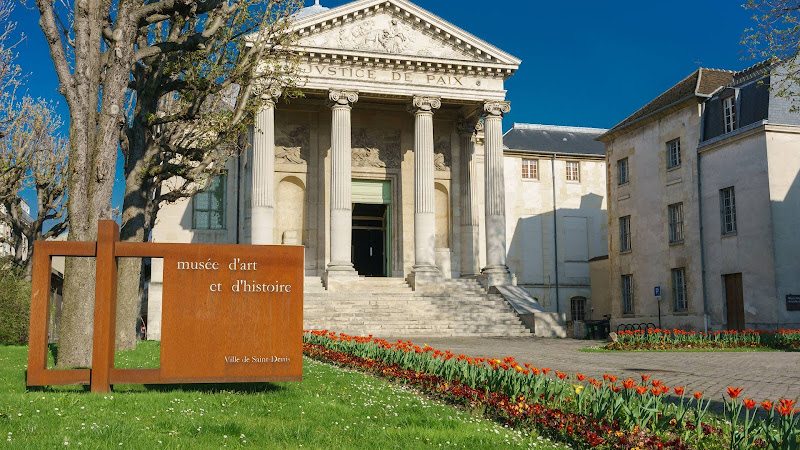
The Musée d'art et d'histoire is one of those hidden gems in France that completely took me by surprise. Y'know how sometimes you stumble upon a place that feels like stepping into a time machine? That's exactly what you'll experience in this former Carmelite convent transformed into a fascinating museum. I was particularly blown away by their incredible collection documenting the Siege of Paris and the Paris Commune (1870-1871) - it's actually the largest archive of its kind anywhere!
The museum beautifully weaves together art and history through its medieval archaeological finds and city artifacts. But what really makes this place special is its connection to Paul Eluard, the renowned French poet. They've dedicated significant space to celebrating his works and legacy, which adds such a personal touch to the museum experience.
Key Features
- Extensive collection of artifacts from medieval archaeological digs
- Remarkable archive of documents from the Paris Commune period
- Special exhibition space dedicated to poet Paul Eluard
- Regular live performances and cultural events
- Beautiful historic convent architecture
- Interactive exhibits perfect for families
- Accessible facilities with hearing loop system
Best Time to Visit
From my experience, weekday mornings are absolutely perfect for exploring the museum - that's when you'll find the quietest atmosphere to really soak in the history. I'd suggest avoiding weekends if possible, as that's when local families tend to visit. The lighting is particularly gorgeous during mid-morning hours, making it ideal for appreciating the artwork and architecture.
And here's a pro tip I learned the hard way: check their website for special exhibition dates! Sometimes they host amazing temporary displays that can make your visit even more memorable. The museum tends to be less crowded during early afternoon hours on weekdays, which might work better if you're not an early bird like me.
How to Get There
Getting to the museum is pretty straightforward - I've done it multiple times and always found it manageable. You can take public transportation, which I honestly think is the smartest way to go. The nearest metro and bus stops are just a short walk away, and you'll find plenty of signage pointing you in the right direction.
If you're driving (though I wouldn't really recommend it), there's paid street parking available nearby. But trust me on this one - public transport is your friend here! The surrounding area can get pretty busy, and finding a parking spot might take longer than your actual museum visit.
Tips for Visiting
First things first - give yourself at least 2-3 hours to properly explore. I made the mistake of rushing through on my first visit and totally regretted it! The medieval archaeology section alone deserves a good hour of your time. Bring your reading glasses if you need 'em - some of the historical document displays use smaller text.
While the museum is wheelchair accessible at the entrance, not all areas have the same level of accessibility. The restroom situation isn't ideal for wheelchair users, so that's something to keep in mind. Oh, and there's no restaurant on-site, so I'd suggest grabbing a bite before or after your visit - there are some lovely cafes in the neighborhood.
Don't forget to check out their events calendar! The live performances they host are absolutely worth planning your visit around. And if you're bringing kids (which is totally encouraged), there are usually special programs and activities to keep them engaged. I saw a group of school children absolutely mesmerized by an interactive history presentation last time I was there.
One last thing - the lighting can be a bit tricky for photography in some areas, so if you're planning to take pictures, maybe bring a camera that handles low light well. And remember to ask about photography rules for special exhibitions - they sometimes have different policies depending on what's on display.
Key Features
- Extensive collection of artifacts from medieval archaeological digs
- Remarkable archive of documents from the Paris Commune period
- Special exhibition space dedicated to poet Paul Eluard
- Regular live performances and cultural events
- Beautiful historic convent architecture
- Interactive exhibits perfect for families
- Accessible facilities with hearing loop system
More Details
Updated June 11, 2025
Table of Contents
Description
The Musée d’art et d’histoire is one of those hidden gems in France that completely took me by surprise. Y’know how sometimes you stumble upon a place that feels like stepping into a time machine? That’s exactly what you’ll experience in this former Carmelite convent transformed into a fascinating museum. I was particularly blown away by their incredible collection documenting the Siege of Paris and the Paris Commune (1870-1871) – it’s actually the largest archive of its kind anywhere!
The museum beautifully weaves together art and history through its medieval archaeological finds and city artifacts. But what really makes this place special is its connection to Paul Eluard, the renowned French poet. They’ve dedicated significant space to celebrating his works and legacy, which adds such a personal touch to the museum experience.
Key Features
- Extensive collection of artifacts from medieval archaeological digs
- Remarkable archive of documents from the Paris Commune period
- Special exhibition space dedicated to poet Paul Eluard
- Regular live performances and cultural events
- Beautiful historic convent architecture
- Interactive exhibits perfect for families
- Accessible facilities with hearing loop system
Best Time to Visit
From my experience, weekday mornings are absolutely perfect for exploring the museum – that’s when you’ll find the quietest atmosphere to really soak in the history. I’d suggest avoiding weekends if possible, as that’s when local families tend to visit. The lighting is particularly gorgeous during mid-morning hours, making it ideal for appreciating the artwork and architecture.
And here’s a pro tip I learned the hard way: check their website for special exhibition dates! Sometimes they host amazing temporary displays that can make your visit even more memorable. The museum tends to be less crowded during early afternoon hours on weekdays, which might work better if you’re not an early bird like me.
How to Get There
Getting to the museum is pretty straightforward – I’ve done it multiple times and always found it manageable. You can take public transportation, which I honestly think is the smartest way to go. The nearest metro and bus stops are just a short walk away, and you’ll find plenty of signage pointing you in the right direction.
If you’re driving (though I wouldn’t really recommend it), there’s paid street parking available nearby. But trust me on this one – public transport is your friend here! The surrounding area can get pretty busy, and finding a parking spot might take longer than your actual museum visit.
Tips for Visiting
First things first – give yourself at least 2-3 hours to properly explore. I made the mistake of rushing through on my first visit and totally regretted it! The medieval archaeology section alone deserves a good hour of your time. Bring your reading glasses if you need ’em – some of the historical document displays use smaller text.
While the museum is wheelchair accessible at the entrance, not all areas have the same level of accessibility. The restroom situation isn’t ideal for wheelchair users, so that’s something to keep in mind. Oh, and there’s no restaurant on-site, so I’d suggest grabbing a bite before or after your visit – there are some lovely cafes in the neighborhood.
Don’t forget to check out their events calendar! The live performances they host are absolutely worth planning your visit around. And if you’re bringing kids (which is totally encouraged), there are usually special programs and activities to keep them engaged. I saw a group of school children absolutely mesmerized by an interactive history presentation last time I was there.
One last thing – the lighting can be a bit tricky for photography in some areas, so if you’re planning to take pictures, maybe bring a camera that handles low light well. And remember to ask about photography rules for special exhibitions – they sometimes have different policies depending on what’s on display.
Key Highlights
- Extensive collection of artifacts from medieval archaeological digs
- Remarkable archive of documents from the Paris Commune period
- Special exhibition space dedicated to poet Paul Eluard
- Regular live performances and cultural events
- Beautiful historic convent architecture
- Interactive exhibits perfect for families
- Accessible facilities with hearing loop system
Location
Places to Stay Near Musée d'art et d'histoire
Find and Book a Tour
Explore More Travel Guides
No reviews found! Be the first to review!
Traveler Reviews for Musée d
There are no reviews yet. Be the first one to write one.
Have you visited Musée d? Help other travelers by sharing your review.
You Might Also Like
Amazonie-voyage
Basilique Cathédrale Saint-Denis

Basilica Cathedral of Saint Denis
Find Accommodations Nearby
Recommended Tours & Activities
Visitor Reviews
There are no reviews yet. Be the first one to write one.
Share Your Experience
Have you visited Musée d? Help other travelers by leaving a review.