

Murcia
About Murcia
Description
Murcia doesn't usually top the list when travelers plan their Spanish adventures, and honestly? That's part of its charm. This southeastern Spanish city manages to fly under the radar while offering everything you'd want from an authentic Spanish experience without the crushing tourist crowds that make Barcelona feel like a theme park in August. The city serves as both the capital of the Murcia region and a thriving university hub, which means you'll find that perfect blend of historical gravitas and youthful energy. Walking through Murcia feels like stumbling into a conversation between centuries - medieval churches share street corners with contemporary architecture, and the locals seem perfectly content with this temporal mashup. Plaza Cardenal Belluga represents everything fascinating about Spanish urban planning. Here's where things get interesting architecturally speaking. You've got the Cathedral of Murcia dominating one side, and this building is basically a textbook on European architectural evolution. Gothic foundations, Renaissance influences, baroque flourishes - the cathedral collected styles like some people collect passport stamps. Construction started in the 14th century and continued for about 500 years, which explains why it looks like several different churches decided to merge. Right next to it stands the Palacio Episcopal from the 18th century, all colorful and baroque and absolutely gorgeous. But then - and this is where Murcia shows its willingness to break with convention - there's this modern 1990s annex to the Ayuntamiento designed by Rafael Moneo. Some architectural purists probably had heart palpitations when that went up, but the contrast actually works. It's bold, it's modern, and it refuses to apologize for existing in the same space as centuries-old monuments. The university population keeps the city feeling alive and surprisingly affordable compared to coastal tourist traps. Students need cheap places to eat and drink, which means visitors benefit from the same economics. The tapas scene here rivals anywhere in Spain, and you'll actually hear Spanish being spoken around you instead of English, German, and French.Key Features
- Cathedral of Murcia: This architectural wonder took approximately five centuries to complete, resulting in an extraordinary fusion of Gothic, Renaissance, and baroque elements. The bell tower stands 93 meters tall and offers spectacular views for those willing to climb it
- Plaza Cardenal Belluga: The main square showcases the striking architectural contrast between historical religious buildings and contemporary civic design, creating one of Spain's most photographed urban spaces
- University atmosphere: The large student population creates an energetic environment with affordable dining options, active nightlife, and cultural events throughout the academic year
- Palacio Episcopal: This 18th-century episcopal palace features stunning baroque and rococo styling with intricate facade details and a distinctive color scheme that photographers absolutely love
- Authentic Spanish experience: Lower tourist numbers compared to major Spanish cities mean more genuine interactions with locals and traditional lifestyle patterns
- Regional cuisine: The Murcia region produces exceptional vegetables and fruits thanks to the huerta (irrigated farmland), making the local food scene remarkably fresh and distinct
- Climate advantage: Over 300 days of sunshine annually creates ideal conditions for outdoor exploration and terrace dining practically year-round
- Segura River walks: Pleasant riverside paths offer peaceful escapes from urban exploration and connect various neighborhoods
- Casino de Murcia: Despite the name, this 19th-century gentlemen's club functions as a cultural venue with jaw-dropping interior rooms including a spectacular Arab-style patio
- Affordable accommodation: Hotel and rental prices remain considerably lower than comparable Spanish cities, stretching travel budgets further
Best Time to Visit
Spring arrives early in Murcia, and honestly, March through May might be the sweet spot for visiting. Temperatures hover in that perfect range where you're comfortable in a light jacket during morning coffee but can strip down to a t-shirt by afternoon. The jacaranda trees bloom purple throughout the city, and the huerta surrounding Murcia explodes with agricultural activity. I'd particularly recommend April if you can swing it. The Spring Festival (Fiestas de Primavera) happens then, and you'll see the city at its most celebratory without the overwhelming crowds of Easter week in Seville or the complete madness of Pamplona's bull run. The university is still in session too, so the city maintains its energetic character. Fall works beautifully as well, particularly September and October. Summer heat has broken but the weather stays warm enough for comfortable exploration. The academic year kicks off, bringing students back and reviving the cultural calendar after the August slowdown when many Spanish cities feel half-empty because everyone escapes to the coast. Avoid July and August unless you really love heat. And I mean really love it. Temperatures regularly push past 40°C (104°F), and while the locals have adapted their lifestyle around afternoon siestas and late dinners, most visitors find it oppressive. Air conditioning exists but isn't as universally deployed as you might hope. Plus, many smaller restaurants and shops close for portions of August when owners take their own holidays. Winter remains surprisingly mild compared to northern Europe or even northern Spain, making Murcia a decent winter sun destination. December through February sees temperatures around 15-20°C (59-68°F) during the day. You won't be swimming, but you'll definitely be comfortable sightseeing. Christmas decorations transform Plaza Cardenal Belluga into something rather magical, and you'll find seasonal treats at the markets.How to Get There
Getting to Murcia requires a bit more effort than reaching Madrid or Barcelona, which partly explains why it remains relatively undiscovered. But several good options exist depending on where you're coming from. The Region de Murcia International Airport sits about 35 kilometers from the city center. It's small, it's quiet, and it handles mainly domestic flights plus some European connections. Ryanair operates routes from London, Brussels, and other European cities, though flight frequency isn't daily on all routes. A bus connects the airport to the city center and costs roughly €6, taking about 40 minutes depending on traffic. Most international visitors actually fly into Alicante Airport, which lies about 70 kilometers north of Murcia. Alicante sees way more international traffic and offers competitive flight prices from across Europe. From there, you can catch a bus directly to Murcia that takes roughly an hour and costs around €8-10. The bus service runs frequently throughout the day, making it pretty convenient despite the distance. Train service connects Murcia to Madrid in about four hours on the high-speed AVE trains. The journey itself feels comfortable and productive if you need to catch up on reading or work. Prices vary wildly depending on how far in advance you book - could be €25 if you plan ahead or €60 if you book last minute. The train station in Murcia sits a bit outside the city center, but trams connect it efficiently to downtown. If you're doing a broader Andalusia or Mediterranean coast trip, driving makes considerable sense. The road network around Murcia is excellent, and having a car lets you explore the spectacular countryside and coast at your own pace. Granada lies about 3 hours west, Cartagena just 40 minutes south, and the beaches of the Costa Cálida are easily accessible. Buses connect Murcia to basically everywhere in Spain. ALSA operates most long-distance routes, and their modern coaches come equipped with wifi and decent legroom. It's the budget option, though obviously slower than trains for longer distances.Tips for Visiting
Start your exploration early in the day, particularly during warmer months. The cathedral opens at 10am, and getting there right when it opens means you'll have the space largely to yourself for photographs and contemplation. The morning light hits Plaza Cardenal Belluga beautifully too, making it prime time for photography before the sun gets too harsh overhead. Download the city's free wifi app if you're trying to conserve mobile data. Murcia has actually implemented a decent public wifi network in the main tourist areas, which helps when you're trying to navigate or look up restaurant recommendations. The local speciality is zarangollo, which sounds fancier than it is - basically scrambled eggs with zucchini and onion. Simple, cheap, delicious. Try it at a traditional tapas bar rather than tourist-focused restaurants. Also sample paparajotes, a dessert made from lemon tree leaves dipped in batter and fried. Sounds weird, tastes amazing. Siesta time is real here. Like, really real. Many shops and smaller restaurants close between roughly 2pm and 5pm, especially in summer. Plan accordingly. Have a big lunch, take your own rest break, then resume activities when the city wakes back up. The Casino de Murcia costs just €5 to enter and absolutely deserves an hour of your time. The interior rooms are stunning, particularly the ladies' powder room which features one of the most beautiful ceilings you'll see anywhere. It's not actually a gambling casino despite the name - that's just what they called social clubs back in the day. Public transportation works well for a Spanish city this size. The tram system connects major points efficiently, and buses fill in the gaps. A multi-day tourist card might save money if you're planning lots of movement, though honestly, the historic center is compact enough to walk. Learn at least basic Spanish phrases before arriving. English proficiency is lower here than in Barcelona or Madrid, particularly among older residents and at smaller establishments. Most younger people have studied English, but making the effort to speak Spanish - however poorly - goes a long way toward positive interactions. Visit the Mercado de Verónicas if you want to see where locals actually shop. This traditional market hall sells everything from fresh fish to local produce, and the vendors are usually happy to let you sample olives or cheese if you show genuine interest. Go around 11am when it's busiest and most atmospheric. Book accommodation near the historic center if possible. You'll walk everywhere more easily, and you'll be closer to the concentration of restaurants and bars. The neighborhoods around Plaza de las Flores and Plaza de Santo Domingo offer excellent positioning without the premium prices you'd pay for plaza-facing rooms.Key Features
- Cathedral of Murcia with Baroque façade and mixed-style interiors
- Real Casino de Murcia — ornate 19th-century social club and rooftop
- Plaza de las Flores and lively tapas bars showcasing Murcian cuisine
- Riverside promenades along the Segura River and huerta landscapes
- Local festivals and cultural events (Holy Week, Títeremurcia puppet festival)
More Details
Updated January 18, 2026
Table of Contents
Description
Murcia doesn’t usually top the list when travelers plan their Spanish adventures, and honestly? That’s part of its charm. This southeastern Spanish city manages to fly under the radar while offering everything you’d want from an authentic Spanish experience without the crushing tourist crowds that make Barcelona feel like a theme park in August.
The city serves as both the capital of the Murcia region and a thriving university hub, which means you’ll find that perfect blend of historical gravitas and youthful energy. Walking through Murcia feels like stumbling into a conversation between centuries – medieval churches share street corners with contemporary architecture, and the locals seem perfectly content with this temporal mashup.
Plaza Cardenal Belluga represents everything fascinating about Spanish urban planning. Here’s where things get interesting architecturally speaking. You’ve got the Cathedral of Murcia dominating one side, and this building is basically a textbook on European architectural evolution. Gothic foundations, Renaissance influences, baroque flourishes – the cathedral collected styles like some people collect passport stamps. Construction started in the 14th century and continued for about 500 years, which explains why it looks like several different churches decided to merge.
Right next to it stands the Palacio Episcopal from the 18th century, all colorful and baroque and absolutely gorgeous. But then – and this is where Murcia shows its willingness to break with convention – there’s this modern 1990s annex to the Ayuntamiento designed by Rafael Moneo. Some architectural purists probably had heart palpitations when that went up, but the contrast actually works. It’s bold, it’s modern, and it refuses to apologize for existing in the same space as centuries-old monuments.
The university population keeps the city feeling alive and surprisingly affordable compared to coastal tourist traps. Students need cheap places to eat and drink, which means visitors benefit from the same economics. The tapas scene here rivals anywhere in Spain, and you’ll actually hear Spanish being spoken around you instead of English, German, and French.
Key Features
- Cathedral of Murcia: This architectural wonder took approximately five centuries to complete, resulting in an extraordinary fusion of Gothic, Renaissance, and baroque elements. The bell tower stands 93 meters tall and offers spectacular views for those willing to climb it
- Plaza Cardenal Belluga: The main square showcases the striking architectural contrast between historical religious buildings and contemporary civic design, creating one of Spain’s most photographed urban spaces
- University atmosphere: The large student population creates an energetic environment with affordable dining options, active nightlife, and cultural events throughout the academic year
- Palacio Episcopal: This 18th-century episcopal palace features stunning baroque and rococo styling with intricate facade details and a distinctive color scheme that photographers absolutely love
- Authentic Spanish experience: Lower tourist numbers compared to major Spanish cities mean more genuine interactions with locals and traditional lifestyle patterns
- Regional cuisine: The Murcia region produces exceptional vegetables and fruits thanks to the huerta (irrigated farmland), making the local food scene remarkably fresh and distinct
- Climate advantage: Over 300 days of sunshine annually creates ideal conditions for outdoor exploration and terrace dining practically year-round
- Segura River walks: Pleasant riverside paths offer peaceful escapes from urban exploration and connect various neighborhoods
- Casino de Murcia: Despite the name, this 19th-century gentlemen’s club functions as a cultural venue with jaw-dropping interior rooms including a spectacular Arab-style patio
- Affordable accommodation: Hotel and rental prices remain considerably lower than comparable Spanish cities, stretching travel budgets further
Best Time to Visit
Spring arrives early in Murcia, and honestly, March through May might be the sweet spot for visiting. Temperatures hover in that perfect range where you’re comfortable in a light jacket during morning coffee but can strip down to a t-shirt by afternoon. The jacaranda trees bloom purple throughout the city, and the huerta surrounding Murcia explodes with agricultural activity.
I’d particularly recommend April if you can swing it. The Spring Festival (Fiestas de Primavera) happens then, and you’ll see the city at its most celebratory without the overwhelming crowds of Easter week in Seville or the complete madness of Pamplona’s bull run. The university is still in session too, so the city maintains its energetic character.
Fall works beautifully as well, particularly September and October. Summer heat has broken but the weather stays warm enough for comfortable exploration. The academic year kicks off, bringing students back and reviving the cultural calendar after the August slowdown when many Spanish cities feel half-empty because everyone escapes to the coast.
Avoid July and August unless you really love heat. And I mean really love it. Temperatures regularly push past 40°C (104°F), and while the locals have adapted their lifestyle around afternoon siestas and late dinners, most visitors find it oppressive. Air conditioning exists but isn’t as universally deployed as you might hope. Plus, many smaller restaurants and shops close for portions of August when owners take their own holidays.
Winter remains surprisingly mild compared to northern Europe or even northern Spain, making Murcia a decent winter sun destination. December through February sees temperatures around 15-20°C (59-68°F) during the day. You won’t be swimming, but you’ll definitely be comfortable sightseeing. Christmas decorations transform Plaza Cardenal Belluga into something rather magical, and you’ll find seasonal treats at the markets.
How to Get There
Getting to Murcia requires a bit more effort than reaching Madrid or Barcelona, which partly explains why it remains relatively undiscovered. But several good options exist depending on where you’re coming from.
The Region de Murcia International Airport sits about 35 kilometers from the city center. It’s small, it’s quiet, and it handles mainly domestic flights plus some European connections. Ryanair operates routes from London, Brussels, and other European cities, though flight frequency isn’t daily on all routes. A bus connects the airport to the city center and costs roughly €6, taking about 40 minutes depending on traffic.
Most international visitors actually fly into Alicante Airport, which lies about 70 kilometers north of Murcia. Alicante sees way more international traffic and offers competitive flight prices from across Europe. From there, you can catch a bus directly to Murcia that takes roughly an hour and costs around €8-10. The bus service runs frequently throughout the day, making it pretty convenient despite the distance.
Train service connects Murcia to Madrid in about four hours on the high-speed AVE trains. The journey itself feels comfortable and productive if you need to catch up on reading or work. Prices vary wildly depending on how far in advance you book – could be €25 if you plan ahead or €60 if you book last minute. The train station in Murcia sits a bit outside the city center, but trams connect it efficiently to downtown.
If you’re doing a broader Andalusia or Mediterranean coast trip, driving makes considerable sense. The road network around Murcia is excellent, and having a car lets you explore the spectacular countryside and coast at your own pace. Granada lies about 3 hours west, Cartagena just 40 minutes south, and the beaches of the Costa Cálida are easily accessible.
Buses connect Murcia to basically everywhere in Spain. ALSA operates most long-distance routes, and their modern coaches come equipped with wifi and decent legroom. It’s the budget option, though obviously slower than trains for longer distances.
Tips for Visiting
Start your exploration early in the day, particularly during warmer months. The cathedral opens at 10am, and getting there right when it opens means you’ll have the space largely to yourself for photographs and contemplation. The morning light hits Plaza Cardenal Belluga beautifully too, making it prime time for photography before the sun gets too harsh overhead.
Download the city’s free wifi app if you’re trying to conserve mobile data. Murcia has actually implemented a decent public wifi network in the main tourist areas, which helps when you’re trying to navigate or look up restaurant recommendations.
The local speciality is zarangollo, which sounds fancier than it is – basically scrambled eggs with zucchini and onion. Simple, cheap, delicious. Try it at a traditional tapas bar rather than tourist-focused restaurants. Also sample paparajotes, a dessert made from lemon tree leaves dipped in batter and fried. Sounds weird, tastes amazing.
Siesta time is real here. Like, really real. Many shops and smaller restaurants close between roughly 2pm and 5pm, especially in summer. Plan accordingly. Have a big lunch, take your own rest break, then resume activities when the city wakes back up.
The Casino de Murcia costs just €5 to enter and absolutely deserves an hour of your time. The interior rooms are stunning, particularly the ladies’ powder room which features one of the most beautiful ceilings you’ll see anywhere. It’s not actually a gambling casino despite the name – that’s just what they called social clubs back in the day.
Public transportation works well for a Spanish city this size. The tram system connects major points efficiently, and buses fill in the gaps. A multi-day tourist card might save money if you’re planning lots of movement, though honestly, the historic center is compact enough to walk.
Learn at least basic Spanish phrases before arriving. English proficiency is lower here than in Barcelona or Madrid, particularly among older residents and at smaller establishments. Most younger people have studied English, but making the effort to speak Spanish – however poorly – goes a long way toward positive interactions.
Visit the Mercado de Verónicas if you want to see where locals actually shop. This traditional market hall sells everything from fresh fish to local produce, and the vendors are usually happy to let you sample olives or cheese if you show genuine interest. Go around 11am when it’s busiest and most atmospheric.
Book accommodation near the historic center if possible. You’ll walk everywhere more easily, and you’ll be closer to the concentration of restaurants and bars. The neighborhoods around Plaza de las Flores and Plaza de Santo Domingo offer excellent positioning without the premium prices you’d pay for plaza-facing rooms.
Key Highlights
- Cathedral of Murcia with Baroque façade and mixed-style interiors
- Real Casino de Murcia — ornate 19th-century social club and rooftop
- Plaza de las Flores and lively tapas bars showcasing Murcian cuisine
- Riverside promenades along the Segura River and huerta landscapes
- Local festivals and cultural events (Holy Week, Títeremurcia puppet festival)
Location
Places to Stay Near Murcia
Find and Book a Tour
Explore More Travel Guides
No reviews found! Be the first to review!
Traveler Reviews for Murcia
There are no reviews yet. Be the first one to write one.
Have you visited Murcia? Help other travelers by sharing your review.
Nearby Attractions
You Might Also Like

Acuario de la Universidad de Murcia

Pl. de las Flores, 7
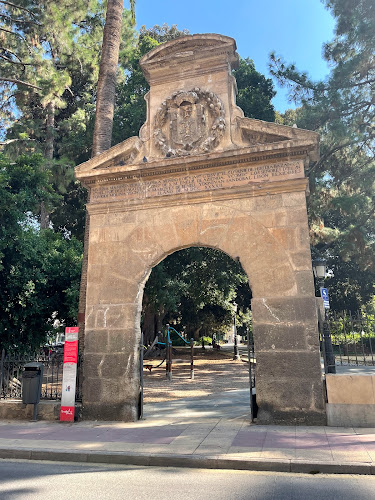
Jardín de Floridablanca
Find Accommodations Nearby
Recommended Tours & Activities
Visitor Reviews
There are no reviews yet. Be the first one to write one.
Share Your Experience
Have you visited Murcia? Help other travelers by leaving a review.