

Glorieta de España
About Glorieta de España
Description
Glorieta de España stands as one of those urban spaces that travelers often stumble upon and immediately wonder why more people aren't talking about it. This city park manages to capture the essence of local Spanish life while providing visitors with a genuine sense of what everyday leisure looks like in the community. The park functions as a gathering spot where generations converge, where morning joggers cross paths with families enjoying afternoon picnics, and where the rhythm of city life somehow slows down just enough to let you breathe. What strikes most visitors first is how the space feels both intentional and organic at the same time. Urban planners clearly put thought into the layout, yet the way locals have claimed every bench and pathway shows how a place truly comes alive through use rather than design alone. I've always believed that the best parks are the ones where you can sit for twenty minutes and witness the full spectrum of human activity, and Glorieta de España delivers on that front without even trying. The park welcomes everyone, and I mean that quite literally. The wheelchair accessible entrance ensures that mobility concerns don't become barriers to enjoyment, which is something you'd hope would be standard everywhere but unfortunately still isn't. Parents will find this spot particularly appealing since it's genuinely good for kids, not just tolerant of them. There's a difference between a place that allows children and one that actually considers their needs, and this park falls firmly in the latter category.Key Features
- Wheelchair accessible entrance making the park inclusive for visitors with mobility challenges
- Family-friendly environment specifically designed with children's needs in mind
- Well-maintained pathways perfect for leisurely strolls or morning exercise routines
- Shaded areas providing respite during warmer months when the Spanish sun can be relentless
- Benches strategically placed throughout for rest and people-watching opportunities
- Open green spaces ideal for impromptu games, picnics, or simply spreading out a blanket
- Local atmosphere where travelers can observe authentic daily life beyond tourist attractions
- Clean facilities and regular maintenance that speaks to community investment in the space
- Central location that makes it easy to incorporate into broader exploration of the area
- Safe environment suitable for solo travelers, families, and elderly visitors alike
Best Time to Visit
Timing your visit to Glorieta de España really depends on what kind of experience you're after, and I'd argue there's no truly wrong time to go. But let me share what I've learned about maximizing your enjoyment based on different seasons and times of day. Early mornings between 7 and 9 AM offer something special. The park awakens slowly, with local residents arriving for their exercise routines and morning coffee. You'll see the same faces greeting each other, establishing that sense of community that makes Spanish parks feel so different from their counterparts in other countries. The light during these hours is absolutely gorgeous for photography too, if that's your thing. Late afternoon and early evening, particularly from 6 to 8 PM, brings a completely different energy. Families emerge after the heat of the day, children run around with that boundless energy that seems to multiply in open spaces, and the social atmosphere reaches its peak. This is when you really get to see the park functioning as the community living room it was meant to be. Season-wise, spring stands out as particularly lovely. March through May brings comfortable temperatures and the kind of weather that makes you want to linger on a bench with a book for just one more chapter. The park's greenery looks its best during these months, refreshed by spring rains and not yet stressed by summer heat. Summer visits require a bit more strategy. June through August can get genuinely hot, so if you're planning a summer visit, stick to early mornings or later evenings. The midday sun doesn't just discourage lingering—it actively chases people indoors. But those summer evenings? They stretch on beautifully, and the park becomes this hub of activity that lasts well into twilight. Autumn offers another sweet spot from September through November. The crowds thin out a bit as tourist season wanes, yet the weather remains pleasant enough for extended outdoor time. There's something about fall light that makes everything look more photogenic, and the park takes on this golden quality that's hard to describe but easy to appreciate. Winter shouldn't be dismissed either. While December through February brings cooler temperatures, Spanish winters rarely get brutally cold in most regions. You might need a jacket, but you can still enjoy the park comfortably. Plus, experiencing local life during the off-season provides insights you simply won't get during peak tourist months. Weekdays versus weekends make a difference too. Weekday mornings and afternoons tend to be quieter, offering more contemplative experiences. Weekend afternoons burst with activity and energy, giving you that full immersion into how locals actually use and enjoy their public spaces.How to Get There
Getting to Glorieta de España doesn't require the navigation skills of Magellan, which is refreshing when you're dealing with unfamiliar territory. The park's accessibility is actually one of its strongest selling points, though you've got several options depending on where you're coming from and how you prefer to travel. Public transportation serves the area well. Local bus routes typically stop within easy walking distance, and the connections make sense once you've consulted a route map. Don't be intimidated if you haven't mastered the local bus system yet—park names are usually clearly announced, and drivers are generally patient with tourists who look slightly lost. Just have your destination written down or pulled up on your phone to show them if needed. If there's a metro system in the city, checking the nearest station would be worthwhile. Metro access varies by location, but these underground networks often provide the fastest route from tourist centers to local neighborhoods. The walk from a metro station to the park usually offers its own rewards too, letting you see residential areas and everyday scenes that tour buses skip right past. Walking represents another excellent option if you're staying relatively close by. Spanish cities are generally walker-friendly, and Glorieta de España's location typically puts it within reasonable distance of other points of interest. I've always found that walking to parks rather than taking direct transportation helps me build a mental map of a place and stumble across unexpected discoveries along the way. Taxis and ride-sharing services work perfectly fine if you prefer door-to-door convenience or if you're traveling with young children or anyone who might struggle with longer walks. The park's name should be immediately recognizable to any local driver. Just be aware that traffic patterns might affect travel time depending on when you go. For those renting cars, parking availability varies and honestly isn't always the most straightforward option for visiting city parks. Street parking in Spanish neighborhoods can be competitive, and deciphering parking regulations in another language adds an extra layer of challenge. Unless you're already driving for other reasons, I'd lean toward other transportation methods. Cycling offers another possibility worth considering. Many Spanish cities have expanded their bike infrastructure in recent years, and arriving at a park by bicycle lets you cover more ground during your day while still maintaining that close-to-the-street perspective that makes travel rewarding.Tips for Visiting
After thinking about what actually makes a park visit successful versus forgettable, here are the insights that'll help you get the most from your time at Glorieta de España. Come prepared with snacks and drinks, especially if you're visiting with children. While there might be vendors nearby, having your own supplies means you can stay as long as the moment feels right without logistical concerns forcing you to leave. Pack a small blanket too—it transforms any patch of grass into your personal base camp. Sunscreen and hats aren't optional suggestions during warmer months. That Spanish sun is no joke, and what feels pleasant in the shade can turn uncomfortable quickly if you're caught in direct sunlight without protection. Even on partly cloudy days, UV exposure adds up faster than you'd expect. Bring something to do, but don't over-plan. A book, a sketchpad, or just a fully charged phone for photos gives you an activity anchor, but the real magic happens when you allow yourself to simply observe. Some of my best park experiences have come from abandoning whatever I brought to do and just watching people live their lives. Language barriers might pop up, but they're rarely insurmountable. Learning basic Spanish phrases shows respect and opens doors, even if your pronunciation makes locals smile. "Hola," "gracias," and "por favor" carry you surprisingly far, and most people appreciate the effort. Photography etiquette matters. The park offers wonderful candid moments, but be mindful about pointing cameras at children who aren't yours or at people who clearly haven't consented to being subjects. Landscapes, architectural details, and general crowd scenes work better than close-ups of strangers. Timing your visit around local meal times can significantly impact the atmosphere. The traditional Spanish lunch hour means you might find the park quieter from roughly 2 to 4 PM when many people head home or to restaurants. This can be either an advantage or disadvantage depending on whether you want solitude or social energy. Don't underestimate the value of just sitting still for a while. Travelers often feel pressure to constantly move and check things off lists, but parks specifically exist as antidotes to that frenetic energy. Give yourself permission to occupy a bench for thirty minutes without any agenda beyond being present. Cash still reigns in many local contexts, so if you plan to buy anything from nearby vendors or shops, having euros in small denominations prevents the awkwardness of trying to break large bills for minor purchases. Respect the space and leave it cleaner than you found it. Trash bins exist throughout the park, and using them isn't just about following rules—it's about contributing to the community atmosphere that makes the place special. Locals notice when visitors treat their spaces with care. Weather changes can happen quickly, particularly during transitional seasons. Checking the forecast helps, but bringing a light jacket or umbrella that you might not need beats being caught unprepared when conditions shift. And finally, adjust your expectations to match reality. Glorieta de España offers genuine local atmosphere and accessible green space, not theme park entertainment or landmark spectacle. If you're approaching it with appreciation for everyday beauty and authentic experiences, you'll find exactly what you came for.Key Features
- Geometric flowerbeds and formal planting
- Shaded promenades with mature plane trees
- Classical fountains and decorative paving
- Proximity to sections of Murcia’s medieval city wall
- Underground car park providing convenient access
More Details
Updated January 18, 2026
Table of Contents
Description
Glorieta de España stands as one of those urban spaces that travelers often stumble upon and immediately wonder why more people aren’t talking about it. This city park manages to capture the essence of local Spanish life while providing visitors with a genuine sense of what everyday leisure looks like in the community. The park functions as a gathering spot where generations converge, where morning joggers cross paths with families enjoying afternoon picnics, and where the rhythm of city life somehow slows down just enough to let you breathe.
What strikes most visitors first is how the space feels both intentional and organic at the same time. Urban planners clearly put thought into the layout, yet the way locals have claimed every bench and pathway shows how a place truly comes alive through use rather than design alone. I’ve always believed that the best parks are the ones where you can sit for twenty minutes and witness the full spectrum of human activity, and Glorieta de España delivers on that front without even trying.
The park welcomes everyone, and I mean that quite literally. The wheelchair accessible entrance ensures that mobility concerns don’t become barriers to enjoyment, which is something you’d hope would be standard everywhere but unfortunately still isn’t. Parents will find this spot particularly appealing since it’s genuinely good for kids, not just tolerant of them. There’s a difference between a place that allows children and one that actually considers their needs, and this park falls firmly in the latter category.
Key Features
- Wheelchair accessible entrance making the park inclusive for visitors with mobility challenges
- Family-friendly environment specifically designed with children’s needs in mind
- Well-maintained pathways perfect for leisurely strolls or morning exercise routines
- Shaded areas providing respite during warmer months when the Spanish sun can be relentless
- Benches strategically placed throughout for rest and people-watching opportunities
- Open green spaces ideal for impromptu games, picnics, or simply spreading out a blanket
- Local atmosphere where travelers can observe authentic daily life beyond tourist attractions
- Clean facilities and regular maintenance that speaks to community investment in the space
- Central location that makes it easy to incorporate into broader exploration of the area
- Safe environment suitable for solo travelers, families, and elderly visitors alike
Best Time to Visit
Timing your visit to Glorieta de España really depends on what kind of experience you’re after, and I’d argue there’s no truly wrong time to go. But let me share what I’ve learned about maximizing your enjoyment based on different seasons and times of day.
Early mornings between 7 and 9 AM offer something special. The park awakens slowly, with local residents arriving for their exercise routines and morning coffee. You’ll see the same faces greeting each other, establishing that sense of community that makes Spanish parks feel so different from their counterparts in other countries. The light during these hours is absolutely gorgeous for photography too, if that’s your thing.
Late afternoon and early evening, particularly from 6 to 8 PM, brings a completely different energy. Families emerge after the heat of the day, children run around with that boundless energy that seems to multiply in open spaces, and the social atmosphere reaches its peak. This is when you really get to see the park functioning as the community living room it was meant to be.
Season-wise, spring stands out as particularly lovely. March through May brings comfortable temperatures and the kind of weather that makes you want to linger on a bench with a book for just one more chapter. The park’s greenery looks its best during these months, refreshed by spring rains and not yet stressed by summer heat.
Summer visits require a bit more strategy. June through August can get genuinely hot, so if you’re planning a summer visit, stick to early mornings or later evenings. The midday sun doesn’t just discourage lingering—it actively chases people indoors. But those summer evenings? They stretch on beautifully, and the park becomes this hub of activity that lasts well into twilight.
Autumn offers another sweet spot from September through November. The crowds thin out a bit as tourist season wanes, yet the weather remains pleasant enough for extended outdoor time. There’s something about fall light that makes everything look more photogenic, and the park takes on this golden quality that’s hard to describe but easy to appreciate.
Winter shouldn’t be dismissed either. While December through February brings cooler temperatures, Spanish winters rarely get brutally cold in most regions. You might need a jacket, but you can still enjoy the park comfortably. Plus, experiencing local life during the off-season provides insights you simply won’t get during peak tourist months.
Weekdays versus weekends make a difference too. Weekday mornings and afternoons tend to be quieter, offering more contemplative experiences. Weekend afternoons burst with activity and energy, giving you that full immersion into how locals actually use and enjoy their public spaces.
How to Get There
Getting to Glorieta de España doesn’t require the navigation skills of Magellan, which is refreshing when you’re dealing with unfamiliar territory. The park’s accessibility is actually one of its strongest selling points, though you’ve got several options depending on where you’re coming from and how you prefer to travel.
Public transportation serves the area well. Local bus routes typically stop within easy walking distance, and the connections make sense once you’ve consulted a route map. Don’t be intimidated if you haven’t mastered the local bus system yet—park names are usually clearly announced, and drivers are generally patient with tourists who look slightly lost. Just have your destination written down or pulled up on your phone to show them if needed.
If there’s a metro system in the city, checking the nearest station would be worthwhile. Metro access varies by location, but these underground networks often provide the fastest route from tourist centers to local neighborhoods. The walk from a metro station to the park usually offers its own rewards too, letting you see residential areas and everyday scenes that tour buses skip right past.
Walking represents another excellent option if you’re staying relatively close by. Spanish cities are generally walker-friendly, and Glorieta de España’s location typically puts it within reasonable distance of other points of interest. I’ve always found that walking to parks rather than taking direct transportation helps me build a mental map of a place and stumble across unexpected discoveries along the way.
Taxis and ride-sharing services work perfectly fine if you prefer door-to-door convenience or if you’re traveling with young children or anyone who might struggle with longer walks. The park’s name should be immediately recognizable to any local driver. Just be aware that traffic patterns might affect travel time depending on when you go.
For those renting cars, parking availability varies and honestly isn’t always the most straightforward option for visiting city parks. Street parking in Spanish neighborhoods can be competitive, and deciphering parking regulations in another language adds an extra layer of challenge. Unless you’re already driving for other reasons, I’d lean toward other transportation methods.
Cycling offers another possibility worth considering. Many Spanish cities have expanded their bike infrastructure in recent years, and arriving at a park by bicycle lets you cover more ground during your day while still maintaining that close-to-the-street perspective that makes travel rewarding.
Tips for Visiting
After thinking about what actually makes a park visit successful versus forgettable, here are the insights that’ll help you get the most from your time at Glorieta de España.
Come prepared with snacks and drinks, especially if you’re visiting with children. While there might be vendors nearby, having your own supplies means you can stay as long as the moment feels right without logistical concerns forcing you to leave. Pack a small blanket too—it transforms any patch of grass into your personal base camp.
Sunscreen and hats aren’t optional suggestions during warmer months. That Spanish sun is no joke, and what feels pleasant in the shade can turn uncomfortable quickly if you’re caught in direct sunlight without protection. Even on partly cloudy days, UV exposure adds up faster than you’d expect.
Bring something to do, but don’t over-plan. A book, a sketchpad, or just a fully charged phone for photos gives you an activity anchor, but the real magic happens when you allow yourself to simply observe. Some of my best park experiences have come from abandoning whatever I brought to do and just watching people live their lives.
Language barriers might pop up, but they’re rarely insurmountable. Learning basic Spanish phrases shows respect and opens doors, even if your pronunciation makes locals smile. “Hola,” “gracias,” and “por favor” carry you surprisingly far, and most people appreciate the effort.
Photography etiquette matters. The park offers wonderful candid moments, but be mindful about pointing cameras at children who aren’t yours or at people who clearly haven’t consented to being subjects. Landscapes, architectural details, and general crowd scenes work better than close-ups of strangers.
Timing your visit around local meal times can significantly impact the atmosphere. The traditional Spanish lunch hour means you might find the park quieter from roughly 2 to 4 PM when many people head home or to restaurants. This can be either an advantage or disadvantage depending on whether you want solitude or social energy.
Don’t underestimate the value of just sitting still for a while. Travelers often feel pressure to constantly move and check things off lists, but parks specifically exist as antidotes to that frenetic energy. Give yourself permission to occupy a bench for thirty minutes without any agenda beyond being present.
Cash still reigns in many local contexts, so if you plan to buy anything from nearby vendors or shops, having euros in small denominations prevents the awkwardness of trying to break large bills for minor purchases.
Respect the space and leave it cleaner than you found it. Trash bins exist throughout the park, and using them isn’t just about following rules—it’s about contributing to the community atmosphere that makes the place special. Locals notice when visitors treat their spaces with care.
Weather changes can happen quickly, particularly during transitional seasons. Checking the forecast helps, but bringing a light jacket or umbrella that you might not need beats being caught unprepared when conditions shift.
And finally, adjust your expectations to match reality. Glorieta de España offers genuine local atmosphere and accessible green space, not theme park entertainment or landmark spectacle. If you’re approaching it with appreciation for everyday beauty and authentic experiences, you’ll find exactly what you came for.
Key Highlights
- Geometric flowerbeds and formal planting
- Shaded promenades with mature plane trees
- Classical fountains and decorative paving
- Proximity to sections of Murcia’s medieval city wall
- Underground car park providing convenient access
Location
Places to Stay Near Glorieta de España
Find and Book a Tour
Explore More Travel Guides
No reviews found! Be the first to review!
Traveler Reviews for Glorieta de España
There are no reviews yet. Be the first one to write one.
Have you visited Glorieta de España? Help other travelers by sharing your review.
Nearby Attractions
You Might Also Like
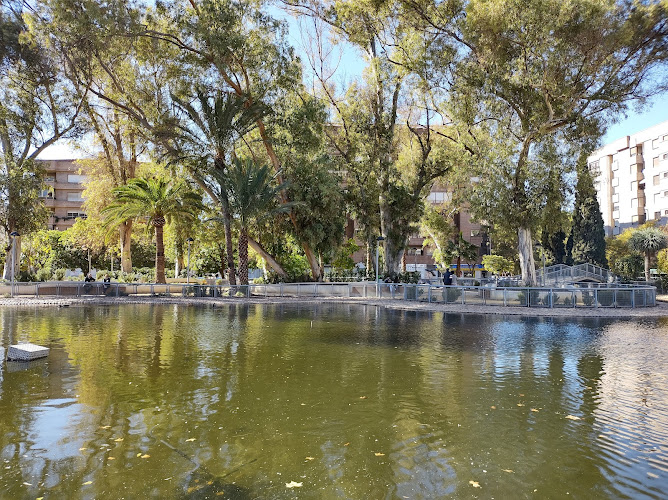
Jardín del Salitre

Church of Santo Domingo
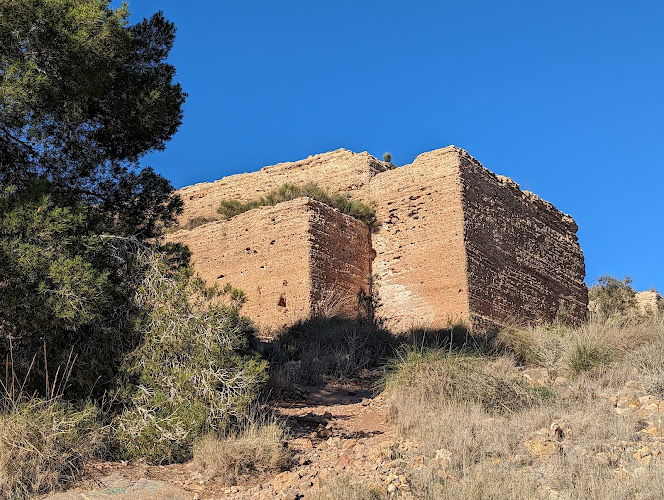
Castillo de la Asomada
Find Accommodations Nearby
Recommended Tours & Activities
Visitor Reviews
There are no reviews yet. Be the first one to write one.
Share Your Experience
Have you visited Glorieta de España? Help other travelers by leaving a review.