
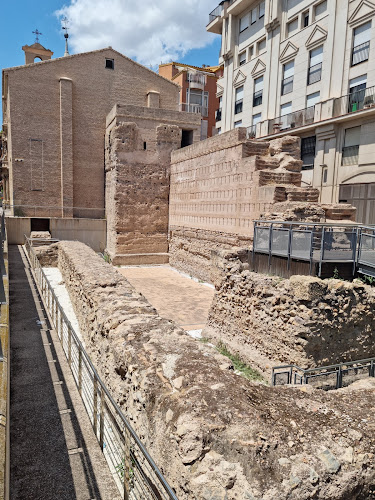
Muralla de Verónicas
About Muralla de Verónicas
Description
The Muralla de Verónicas stands as one of Murcia's most compelling historical treasures, revealing layers of the city's past that many travelers simply walk past without realizing what's beneath their feet. This ancient defensive wall, which dates back to medieval times, was actually discovered by accident during construction work in the 1990s – and honestly, that's the kind of historical find that gives you goosebumps when you think about it. What makes this site particularly fascinating is how it's been integrated into modern urban life. The wall sits right in the heart of Murcia's commercial district, creating this incredible juxtaposition between ancient stone and contemporary architecture. When I first learned about how city planners chose to preserve and showcase these remains rather than simply covering them up again, it really changed my perspective on how European cities handle their archaeological heritage. The fortification once served as a critical defensive structure protecting the medieval city, and walking along what remains today gives visitors a genuine connection to Murcia's Islamic and Christian past. The stones themselves tell stories of different epochs, with sections showing various construction techniques and materials used across centuries. It's not the most famous attraction in Spain, sure, but that's actually part of its charm – you won't be fighting through crowds to appreciate the craftsmanship of builders who lived hundreds of years ago.Key Features
The Muralla de Verónicas offers several distinctive elements that make it worth seeking out during your time in Murcia:- Medieval Islamic construction – The oldest sections showcase impressive engineering from the Moorish period, with techniques that kept the city safe for generations
- Archaeological viewing area – Specially designed walkways and platforms let you get up close to the ancient stonework without damaging these irreplaceable structures
- Multilayered history – Evidence of different construction periods visible in the same wall section, showing how the fortifications evolved over time
- Urban integration – The creative preservation approach that blends the historical remains with modern street-level shopping and dining areas
- Wheelchair accessible entrance – The site has been designed with accessibility in mind, making it genuinely inclusive for all visitors
- Kid-friendly exploration – Children can engage with history in a tangible way, touching (designated) stones and imagining life in medieval times
- Free admission – Unlike many historical sites across Europe, you can explore these remains without purchasing a ticket
- Informational displays – Explanatory panels provide context in multiple languages, helping you understand what you're looking at
- Central location – Positioned right in the shopping district, making it easy to combine history with other activities
- Compact size – You can thoroughly explore the site in 20-30 minutes, perfect for travelers on tight schedules
Best Time to Visit
Timing your visit to the Muralla de Verónicas really depends on what kind of experience you're after. Since the remains are partially open-air but mostly integrated into the urban landscape, weather plays less of a role than it might at other archaeological sites. Early mornings, particularly on weekdays, offer the quietest experience. Around 8 or 9 AM, before the shops fully open and the lunch crowds arrive, you can have the space almost to yourself. There's something special about experiencing ancient fortifications in relative solitude – it lets your imagination work better without the distraction of other tourists taking selfies. That said, late afternoon also has its advantages. The lighting around 5 or 6 PM can be particularly beautiful, especially in spring and autumn when the sun hits the old stones at just the right angle. And if you visit during this time, you can easily transition into exploring Murcia's dining scene afterwards. Weather-wise, spring (April through June) and autumn (September through November) are ideal. Murcia gets seriously hot during summer – we're talking temperatures that regularly exceed 40°C (104°F) in July and August. While the wall itself doesn't require extensive outdoor exposure, walking to and from the site in that heat can be exhausting. Winter is mild and pleasant, though occasionally rainy, which might affect your overall sightseeing plans but won't really impact this particular attraction. Weekends tend to bring more local shoppers to the area, which creates a lively atmosphere but also means more people around the archaeological remains. If you prefer a balance between quiet contemplation and local energy, Saturday mornings work well. One thing I've noticed about visiting historical sites in commercial areas is that they can feel more "alive" when the surrounding neighborhood is active. The Muralla de Verónicas actually benefits from being surrounded by the everyday life of modern Murcia – it reminds you that history isn't separate from current life but woven into it.How to Get There
Getting to the Muralla de Verónicas is refreshingly straightforward, especially compared to some archaeological sites that require complicated journeys. The wall's location in central Murcia means most visitors can reach it easily regardless of their starting point. If you're staying anywhere in Murcia's historic center, walking is absolutely the best option. The city center is compact and pedestrian-friendly, and you'll likely stumble upon interesting buildings and plazas along the way. The wall sits in the commercial district near the Verónicas Market, which serves as a useful landmark when asking for directions. Most locals know exactly where the market is, even if they're less familiar with the wall itself. Public transportation also provides excellent access. Several bus lines stop within a few minutes' walk of the site. The local bus system is reliable and affordable, though schedules can be less frequent on Sundays and holidays – something to keep in mind when planning your visit. For those arriving from outside Murcia, the train station is roughly a 15-minute walk from the Muralla de Verónicas. It's a pleasant walk through the city that gives you a good sense of Murcia's layout and character. Alternatively, taxis are readily available at the station and won't break your budget for such a short distance. Driving isn't really recommended for reaching the site itself, as parking in this busy commercial area can be challenging and expensive. But if you are traveling by car, there are several public parking garages within reasonable walking distance. Just factor in some extra time for finding a spot and potentially walking a few blocks. The surrounding streets are mostly pedestrianized or have limited vehicle access, which actually makes navigation on foot quite pleasant once you're in the area. You won't be dodging traffic while trying to appreciate ancient architecture.Tips for Visiting
Making the most of your visit to the Muralla de Verónicas doesn't require extensive planning, but a few insider tips can definitely enhance your experience. First off, don't rush. I know it's tempting to tick historical sites off your list quickly, but spending a bit of extra time here pays off. Read the information panels thoroughly – they contain fascinating details about construction techniques and historical context that really bring the stones to life. Take time to look at how different sections of the wall vary in their stonework and imagine the hands that placed each piece. Combining your visit with the nearby Verónicas Market makes perfect sense logistically and culturally. The market offers an authentic slice of local life and fantastic food options. Grab some fresh fruit or a snack and take a moment to appreciate how daily commerce has continued in this area for centuries, just in different forms. Photography here works best with some thought about angles and lighting. The integration of old and new creates interesting compositional opportunities, but automatic camera settings sometimes struggle with the contrast between bright modern surfaces and darker ancient stone. If you're serious about photos, visiting during golden hour or bringing a camera where you can adjust settings manually will give you better results. For families traveling with children, turn the visit into an interactive experience. Ask kids to spot differences between wall sections or imagine what it would have been like to defend the city from these fortifications. The tangible nature of the site – actual stones you can see and (in designated areas) touch – makes history more concrete than any textbook ever could. Accessibility is genuinely good here, but if you have specific mobility concerns, it's worth scoping out the layout when you arrive. The wheelchair-accessible entrance works well, though some viewing angles might require a bit of maneuvering. Don't expect a massive, overwhelming archaeological site like you might find in Rome or Athens. The Muralla de Verónicas is relatively modest in scale, and that's perfectly fine. Adjust your expectations accordingly and you'll appreciate it for what it is – a well-preserved, thoughtfully presented piece of Murcia's defensive past. Wear comfortable shoes, even though you won't be walking extensive distances at the site itself. The surrounding area has cobblestone streets and uneven paving that's charming but not ideal for fashion-over-function footwear choices. Finally, consider visiting during your first day in Murcia. The wall provides excellent historical context that will enrich your understanding of everything else you see in the city. Once you've connected with the medieval past here, wandering through other parts of the historic center takes on additional meaning. And here's something most guidebooks won't tell you – the area around the wall has excellent coffee shops perfect for reflecting on what you've just seen. Sometimes the best part of visiting historical sites is sitting afterwards with a good espresso, letting your thoughts settle and really processing the connection you've made with the past.Key Features
- Key Features
- Best Time to Visit
- How to Get There
- Tips for Visiting
More Details
Updated January 18, 2026
Table of Contents
Description
The Muralla de Verónicas stands as one of Murcia’s most compelling historical treasures, revealing layers of the city’s past that many travelers simply walk past without realizing what’s beneath their feet. This ancient defensive wall, which dates back to medieval times, was actually discovered by accident during construction work in the 1990s – and honestly, that’s the kind of historical find that gives you goosebumps when you think about it.
What makes this site particularly fascinating is how it’s been integrated into modern urban life. The wall sits right in the heart of Murcia’s commercial district, creating this incredible juxtaposition between ancient stone and contemporary architecture. When I first learned about how city planners chose to preserve and showcase these remains rather than simply covering them up again, it really changed my perspective on how European cities handle their archaeological heritage.
The fortification once served as a critical defensive structure protecting the medieval city, and walking along what remains today gives visitors a genuine connection to Murcia’s Islamic and Christian past. The stones themselves tell stories of different epochs, with sections showing various construction techniques and materials used across centuries. It’s not the most famous attraction in Spain, sure, but that’s actually part of its charm – you won’t be fighting through crowds to appreciate the craftsmanship of builders who lived hundreds of years ago.
Key Features
The Muralla de Verónicas offers several distinctive elements that make it worth seeking out during your time in Murcia:
- Medieval Islamic construction – The oldest sections showcase impressive engineering from the Moorish period, with techniques that kept the city safe for generations
- Archaeological viewing area – Specially designed walkways and platforms let you get up close to the ancient stonework without damaging these irreplaceable structures
- Multilayered history – Evidence of different construction periods visible in the same wall section, showing how the fortifications evolved over time
- Urban integration – The creative preservation approach that blends the historical remains with modern street-level shopping and dining areas
- Wheelchair accessible entrance – The site has been designed with accessibility in mind, making it genuinely inclusive for all visitors
- Kid-friendly exploration – Children can engage with history in a tangible way, touching (designated) stones and imagining life in medieval times
- Free admission – Unlike many historical sites across Europe, you can explore these remains without purchasing a ticket
- Informational displays – Explanatory panels provide context in multiple languages, helping you understand what you’re looking at
- Central location – Positioned right in the shopping district, making it easy to combine history with other activities
- Compact size – You can thoroughly explore the site in 20-30 minutes, perfect for travelers on tight schedules
Best Time to Visit
Timing your visit to the Muralla de Verónicas really depends on what kind of experience you’re after. Since the remains are partially open-air but mostly integrated into the urban landscape, weather plays less of a role than it might at other archaeological sites.
Early mornings, particularly on weekdays, offer the quietest experience. Around 8 or 9 AM, before the shops fully open and the lunch crowds arrive, you can have the space almost to yourself. There’s something special about experiencing ancient fortifications in relative solitude – it lets your imagination work better without the distraction of other tourists taking selfies.
That said, late afternoon also has its advantages. The lighting around 5 or 6 PM can be particularly beautiful, especially in spring and autumn when the sun hits the old stones at just the right angle. And if you visit during this time, you can easily transition into exploring Murcia’s dining scene afterwards.
Weather-wise, spring (April through June) and autumn (September through November) are ideal. Murcia gets seriously hot during summer – we’re talking temperatures that regularly exceed 40°C (104°F) in July and August. While the wall itself doesn’t require extensive outdoor exposure, walking to and from the site in that heat can be exhausting. Winter is mild and pleasant, though occasionally rainy, which might affect your overall sightseeing plans but won’t really impact this particular attraction.
Weekends tend to bring more local shoppers to the area, which creates a lively atmosphere but also means more people around the archaeological remains. If you prefer a balance between quiet contemplation and local energy, Saturday mornings work well.
One thing I’ve noticed about visiting historical sites in commercial areas is that they can feel more “alive” when the surrounding neighborhood is active. The Muralla de Verónicas actually benefits from being surrounded by the everyday life of modern Murcia – it reminds you that history isn’t separate from current life but woven into it.
How to Get There
Getting to the Muralla de Verónicas is refreshingly straightforward, especially compared to some archaeological sites that require complicated journeys. The wall’s location in central Murcia means most visitors can reach it easily regardless of their starting point.
If you’re staying anywhere in Murcia’s historic center, walking is absolutely the best option. The city center is compact and pedestrian-friendly, and you’ll likely stumble upon interesting buildings and plazas along the way. The wall sits in the commercial district near the Verónicas Market, which serves as a useful landmark when asking for directions. Most locals know exactly where the market is, even if they’re less familiar with the wall itself.
Public transportation also provides excellent access. Several bus lines stop within a few minutes’ walk of the site. The local bus system is reliable and affordable, though schedules can be less frequent on Sundays and holidays – something to keep in mind when planning your visit.
For those arriving from outside Murcia, the train station is roughly a 15-minute walk from the Muralla de Verónicas. It’s a pleasant walk through the city that gives you a good sense of Murcia’s layout and character. Alternatively, taxis are readily available at the station and won’t break your budget for such a short distance.
Driving isn’t really recommended for reaching the site itself, as parking in this busy commercial area can be challenging and expensive. But if you are traveling by car, there are several public parking garages within reasonable walking distance. Just factor in some extra time for finding a spot and potentially walking a few blocks.
The surrounding streets are mostly pedestrianized or have limited vehicle access, which actually makes navigation on foot quite pleasant once you’re in the area. You won’t be dodging traffic while trying to appreciate ancient architecture.
Tips for Visiting
Making the most of your visit to the Muralla de Verónicas doesn’t require extensive planning, but a few insider tips can definitely enhance your experience.
First off, don’t rush. I know it’s tempting to tick historical sites off your list quickly, but spending a bit of extra time here pays off. Read the information panels thoroughly – they contain fascinating details about construction techniques and historical context that really bring the stones to life. Take time to look at how different sections of the wall vary in their stonework and imagine the hands that placed each piece.
Combining your visit with the nearby Verónicas Market makes perfect sense logistically and culturally. The market offers an authentic slice of local life and fantastic food options. Grab some fresh fruit or a snack and take a moment to appreciate how daily commerce has continued in this area for centuries, just in different forms.
Photography here works best with some thought about angles and lighting. The integration of old and new creates interesting compositional opportunities, but automatic camera settings sometimes struggle with the contrast between bright modern surfaces and darker ancient stone. If you’re serious about photos, visiting during golden hour or bringing a camera where you can adjust settings manually will give you better results.
For families traveling with children, turn the visit into an interactive experience. Ask kids to spot differences between wall sections or imagine what it would have been like to defend the city from these fortifications. The tangible nature of the site – actual stones you can see and (in designated areas) touch – makes history more concrete than any textbook ever could.
Accessibility is genuinely good here, but if you have specific mobility concerns, it’s worth scoping out the layout when you arrive. The wheelchair-accessible entrance works well, though some viewing angles might require a bit of maneuvering.
Don’t expect a massive, overwhelming archaeological site like you might find in Rome or Athens. The Muralla de Verónicas is relatively modest in scale, and that’s perfectly fine. Adjust your expectations accordingly and you’ll appreciate it for what it is – a well-preserved, thoughtfully presented piece of Murcia’s defensive past.
Wear comfortable shoes, even though you won’t be walking extensive distances at the site itself. The surrounding area has cobblestone streets and uneven paving that’s charming but not ideal for fashion-over-function footwear choices.
Finally, consider visiting during your first day in Murcia. The wall provides excellent historical context that will enrich your understanding of everything else you see in the city. Once you’ve connected with the medieval past here, wandering through other parts of the historic center takes on additional meaning.
And here’s something most guidebooks won’t tell you – the area around the wall has excellent coffee shops perfect for reflecting on what you’ve just seen. Sometimes the best part of visiting historical sites is sitting afterwards with a good espresso, letting your thoughts settle and really processing the connection you’ve made with the past.
Key Highlights
- Key Features
- Best Time to Visit
- How to Get There
- Tips for Visiting
Location
Places to Stay Near Muralla de Verónicas
Find and Book a Tour
Explore More Travel Guides
No reviews found! Be the first to review!
Traveler Reviews for Muralla de Verónicas
There are no reviews yet. Be the first one to write one.
Have you visited Muralla de Verónicas? Help other travelers by sharing your review.
You Might Also Like
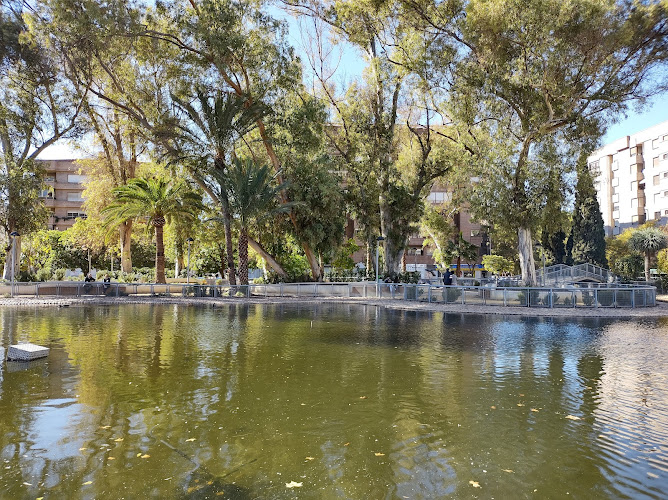
Jardín del Salitre

Av. Cdad. de Almería

Glorieta de España
Find Accommodations Nearby
Recommended Tours & Activities
Visitor Reviews
There are no reviews yet. Be the first one to write one.
Share Your Experience
Have you visited Muralla de Verónicas? Help other travelers by leaving a review.