Mundka presents a side of Delhi shaped by movement, labour and continual change. In the city’s western reaches, the neighbourhood combines the imprint of an older settlement with industrial estates, residential pockets, local commerce and expanding development. It is not a monument district arranged around a single must-see sight; its interest lies in observing how different layers of urban life operate beside one another.
The mood changes with the time of day and the day of the week. Weekday streets can feel purposeful, with workers, vehicles and businesses contributing to a brisk industrial rhythm. Away from the busier corridors, residential lanes and small green patches offer a quieter counterpoint. The metro presence is especially significant here, linking Mundka with the wider city and making it a practical stop for travellers who want to understand Delhi beyond central heritage precincts and major shopping areas.
What to See & Experience
Approach Mundka as an urban exploration rather than a checklist attraction. Start by noticing the contrast between transport infrastructure, commercial activity and the more intimate scale of older neighbourhood streets. The experience rewards unhurried observation: storefronts, everyday markets, changing building styles and the flow of local life reveal more than a rushed walk between points.
- Observe the metro station’s role in neighbourhood daily life.
- Notice industrial estates and their active weekday streetscape.
- Look for older village-scale lanes within residential pockets.
- Browse local markets serving routine household and food needs.
- Compare newer housing development with long-established built fabric.
- Seek out small parks and green breaks between dense streets.
There is value in keeping expectations grounded. Mundka is a lived-in, working part of Delhi, not a curated heritage enclosure, and its strongest impressions come from context. A short walk can show the collision and coexistence of village roots, manufacturing activity, public transport and housing growth. Respect private premises, avoid obstructing shopfronts or industrial entrances, and treat photography around workplaces and people with care.
Practical Visitor Strategy
| Planning Factor | Visitor Advice |
|---|
| Best Time to Go | Choose cooler months for more comfortable walking; daytime is best for seeing the area’s everyday activity. |
| Suggested Duration | Allow about one to two hours for a focused walk, observation and a market stop. |
| Crowd & Pacing Tips | Expect a busier feel on working days; move patiently around traffic, deliveries and active shopfronts. |
| Getting Oriented | Use Mundka Metro Station as a clear reference point, then keep a map available for local lanes. |
| Nearby Pairing | Pair the visit with another West Delhi errand, market visit or metro-based exploration rather than a long cross-city detour. |
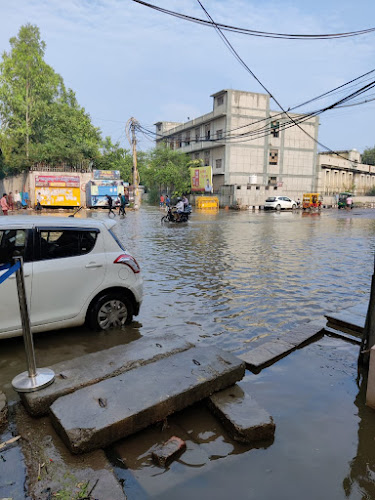
Comfortable footwear, water and sun protection are sensible for any daytime walk in this part of Delhi. Conditions can vary sharply between broad roadside stretches and narrower interior lanes, so allow extra time rather than planning a tightly timed circuit. During hotter periods, reduce outdoor walking and favour a shorter visit. In wet weather, surfaces, traffic and drainage conditions may make some stretches less pleasant on foot. The neighbourhood’s appeal is strongest when approached with flexibility rather than a fixed sightseeing script.
Who Will Enjoy It Most (and Trade-Offs)
Mundka will appeal most to repeat visitors to Delhi, urbanists, architecture and infrastructure observers, and travellers interested in the social geography behind a rapidly growing metropolis. It can also suit visitors staying or conducting business in West Delhi who want a more grounded local walk. Those seeking grand architecture, a polished promenade, museum interpretation or a concentrated set of conventional attractions may find the experience comparatively understated. Its character comes from ordinary life and urban transition, not from a formal visitor presentation.
Mobility needs deserve careful consideration. Parts of the area may involve uneven footpaths, roadside walking, variable crossings, dust, traffic and limited separation between pedestrians and vehicles. Visitors who require consistently smooth, barrier-free routes should plan conservatively and use the metro area as a practical anchor rather than assuming every lane will be easy to navigate. For a fuller West Delhi day, pair Mundka with local shopping or another nearby metro-accessible stop; this keeps travel efficient and preserves the value of Mundka as a concise, revealing look at Delhi’s evolving edge.
 Real Journey Travels