
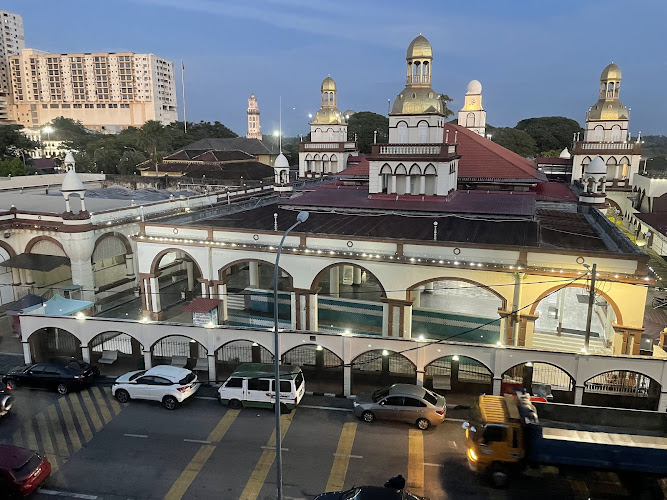
Muhammadi Mosque (State Mosque)
About Muhammadi Mosque (State Mosque)
Description
The Muhammadi Mosque, more commonly known as the State Mosque, stands as one of those architectural gems that somehow manages to blend colonial grandeur with Islamic design in a way that just works. Built back in 1931, this isn't your typical centuries-old historical monument - but that's part of what makes it interesting. The mosque sprawls across an impressive 10,600 square feet, and when you first catch sight of it, you'll understand why it's become such a significant landmark for both worshippers and travelers alike. What really strikes you about this place is how it's been lovingly maintained and renovated multiple times over the decades. The building hasn't been left to crumble like so many historical structures around the world. Instead, it's been carefully preserved and updated, which means you get to experience both its historical significance and practical functionality. And honestly, that's refreshing - there's something special about a place of worship that still serves its original purpose while welcoming curious travelers. The colonial-style architecture gives the mosque a distinctive character that sets it apart from other religious buildings in the region. You'll notice the attention to detail in the construction, from the soaring arches to the carefully planned prayer halls. It's a space that was designed to inspire reverence, and even if you're not Muslim yourself, you can't help but feel the peaceful atmosphere that permeates the entire complex.Key Features
The State Mosque offers several distinctive characteristics that make it worth adding to your travel itinerary:- Colonial Architecture with Islamic Elements: The mosque represents a unique architectural fusion that you won't find everywhere. The colonial-style structure incorporates traditional Islamic design principles, creating something truly distinctive.
- Spacious Prayer Halls: With over 10,000 square feet of space, the interior is remarkably accommodating. The main prayer hall can hold hundreds of worshippers, and the high ceilings create an airy, contemplative atmosphere.
- Full Accessibility Features: This is actually a big deal - the mosque has wheelchair accessible entrances, parking areas, and restrooms. Not every historical building can claim this level of accessibility, which makes it more welcoming for travelers with mobility concerns.
- Active Place of Worship: Unlike some "tourist mosques" that feel more like museums, this is a functioning religious space where regular prayers take place. You'll get to experience authentic religious practices if you time your visit right.
- Well-Maintained Facilities: The onsite services and clean restroom facilities mean you can spend more time exploring without worrying about basic amenities. Trust me, this matters more than you'd think when you're traveling.
- Historical Significance: Nearly a century of history lives within these walls. The mosque has witnessed significant events and served countless worshippers throughout its lifetime.
- Photogenic Exterior and Interior: For those of us who can't resist capturing travel memories, the mosque offers plenty of beautiful architectural details worth photographing (just be respectful about when and where you take pictures).
Best Time to Visit
Timing your visit to the Muhammadi Mosque requires a bit of strategy if you want the best experience. The mosque is technically open throughout the day, but your experience will vary dramatically depending on when you show up. Early morning visits, particularly right after sunrise, offer something special. The light hits the building just right, and you'll often find fewer crowds - just dedicated worshippers attending their morning prayers. There's a peacefulness to these early hours that you won't get later in the day. But if you're not a morning person (and I get it, vacation is vacation), don't stress too much about setting an alarm. Mid-morning to early afternoon generally works well for tourists. You can explore the exterior, appreciate the architecture, and get a feel for the place without interfering with prayer times. However, avoid visiting during Friday prayers - this is the most important prayer time of the week for Muslims, and the mosque will be packed with worshippers. It's not really appropriate for casual tourist visits during this time, and honestly, you won't be able to see much anyway with the crowds. Late afternoon can be lovely, especially if you're dealing with hot weather. The temperature drops slightly, and the golden hour light makes for spectacular photos. Just be mindful of the afternoon prayer time, which varies depending on the season. Weather-wise, if you're planning a trip during the rainy season, check the forecast before heading out. While the mosque itself provides shelter, getting there and exploring the grounds is much more pleasant in dry conditions. The hot season can be challenging too - come prepared with water and sun protection if you're visiting during peak heat. One thing I've learned from visiting religious sites around the world: weekday visits generally offer a more relaxed experience than weekends. You'll have more space to move around, better opportunities for photography, and can take your time without feeling rushed.How to Get There
Getting to the State Mosque is relatively straightforward, though like most travel experiences, having a plan helps. The mosque's prominence means most locals can point you in the right direction if you get turned around. Taxis remain one of the easiest options for travelers. Simply tell the driver you want to visit the State Mosque or Muhammadi Mosque - it's well-known enough that you shouldn't encounter any confusion. Ride-sharing apps have made this even simpler in recent years, allowing you to input your destination and track your route. The fare should be reasonable since the mosque is located in an accessible area. Public transportation works if you're comfortable navigating local bus systems. Ask at your hotel or accommodation about which bus routes stop near the mosque. Local staff usually know these routes by heart and can give you specific guidance. And there's something satisfying about figuring out public transport in a new place - makes you feel less like a tourist and more like a temporary local. If you're staying relatively close by, walking might be feasible depending on weather conditions and your comfort level with the area. The mosque's size makes it a prominent landmark, so navigation isn't too tricky. Just use common sense about walking times and heat exposure. For those renting vehicles, you'll appreciate the wheelchair accessible parking lot, which generally means there's decent parking space available. The entrance is clearly marked, and you won't struggle to find where to leave your vehicle. Some travelers prefer joining organized tours that include the mosque as part of a broader itinerary. This takes the navigation stress out of the equation and often provides historical context you might miss on your own. But it also means less flexibility in how long you can stay and explore.Tips for Visiting
Walking into any mosque as a tourist requires some awareness and respect - but don't let that intimidate you. Here's what you actually need to know for a smooth visit. Dress modestly. This isn't optional, and it's not about being restrictive - it's about respecting a sacred space. Men should wear long pants and shirts that cover their shoulders. Women need to cover their arms, legs, and hair. Bring a scarf if you're a woman traveler; some mosques provide coverings, but it's better to come prepared. Loose, breathable clothing works best, especially if you're visiting in warm weather. Remove your shoes before entering the prayer halls. You'll see a designated area for shoe storage near the entrance. Bring socks if you're uncomfortable walking barefoot - the floors are generally clean, but socks help if that bothers you. Be aware of prayer times throughout the day. Five daily prayers occur at specific times, and during these periods, the mosque primarily serves worshippers. You can still visit, but remain quiet, stay in designated tourist areas, and absolutely don't walk in front of people who are praying. It's disruptive and disrespectful. Photography etiquette matters here. The architecture is stunning and you'll want photos - I totally understand that impulse. But ask permission before photographing people, especially women. Some areas might restrict photography entirely during prayer times. When in doubt, observe what others are doing or simply ask a mosque attendant. Maintain quiet voices inside the mosque. This seems obvious, but it's easy to forget when you're excited about what you're seeing or traveling with friends. The space is meant for contemplation and prayer, not loud tourist chatter. Use the restroom facilities before entering prayer areas if needed. The mosque has accessible restrooms onsite, which is genuinely convenient. Better to take care of this beforehand than having to leave and come back. Consider visiting outside of peak tourist hours if you want a more authentic experience. While the mosque welcomes visitors, experiencing it when it's functioning primarily as a place of worship rather than a tourist attraction provides different insights. If you're not Muslim, you might wonder whether you're truly welcome. Most mosques, including this one, do welcome respectful non-Muslim visitors outside of prayer times. The goal is cultural exchange and understanding. But if you feel uncertain, you can always contact the mosque beforehand or ask at your hotel about tourist visiting protocols. Bring water, especially for hot weather visits, but consume it outside the prayer halls. Staying hydrated matters, particularly if you're doing a lot of walking and sightseeing. Take your time. This isn't a place to rush through for a quick photo op. The mosque's history, architecture, and atmosphere deserve more than a five-minute visit. Sit for a while if possible, observe the comings and goings, and let yourself absorb the peaceful environment. Finally, approach your visit with genuine curiosity and respect rather than just checking off a landmark from your list. The Muhammadi Mosque offers insights into local religious practices, colonial-era architecture, and the ways communities maintain their heritage over decades. That's worth more than any Instagram photo - though you'll probably get some great shots anyway.Key Features
- Key Features
- Best Time to Visit
- How to Get There
- Tips for Visiting
More Details
Updated March 30, 2026
Table of Contents
Description
The Muhammadi Mosque, more commonly known as the State Mosque, stands as one of those architectural gems that somehow manages to blend colonial grandeur with Islamic design in a way that just works. Built back in 1931, this isn’t your typical centuries-old historical monument – but that’s part of what makes it interesting. The mosque sprawls across an impressive 10,600 square feet, and when you first catch sight of it, you’ll understand why it’s become such a significant landmark for both worshippers and travelers alike.
What really strikes you about this place is how it’s been lovingly maintained and renovated multiple times over the decades. The building hasn’t been left to crumble like so many historical structures around the world. Instead, it’s been carefully preserved and updated, which means you get to experience both its historical significance and practical functionality. And honestly, that’s refreshing – there’s something special about a place of worship that still serves its original purpose while welcoming curious travelers.
The colonial-style architecture gives the mosque a distinctive character that sets it apart from other religious buildings in the region. You’ll notice the attention to detail in the construction, from the soaring arches to the carefully planned prayer halls. It’s a space that was designed to inspire reverence, and even if you’re not Muslim yourself, you can’t help but feel the peaceful atmosphere that permeates the entire complex.
Key Features
The State Mosque offers several distinctive characteristics that make it worth adding to your travel itinerary:
- Colonial Architecture with Islamic Elements: The mosque represents a unique architectural fusion that you won’t find everywhere. The colonial-style structure incorporates traditional Islamic design principles, creating something truly distinctive.
- Spacious Prayer Halls: With over 10,000 square feet of space, the interior is remarkably accommodating. The main prayer hall can hold hundreds of worshippers, and the high ceilings create an airy, contemplative atmosphere.
- Full Accessibility Features: This is actually a big deal – the mosque has wheelchair accessible entrances, parking areas, and restrooms. Not every historical building can claim this level of accessibility, which makes it more welcoming for travelers with mobility concerns.
- Active Place of Worship: Unlike some “tourist mosques” that feel more like museums, this is a functioning religious space where regular prayers take place. You’ll get to experience authentic religious practices if you time your visit right.
- Well-Maintained Facilities: The onsite services and clean restroom facilities mean you can spend more time exploring without worrying about basic amenities. Trust me, this matters more than you’d think when you’re traveling.
- Historical Significance: Nearly a century of history lives within these walls. The mosque has witnessed significant events and served countless worshippers throughout its lifetime.
- Photogenic Exterior and Interior: For those of us who can’t resist capturing travel memories, the mosque offers plenty of beautiful architectural details worth photographing (just be respectful about when and where you take pictures).
Best Time to Visit
Timing your visit to the Muhammadi Mosque requires a bit of strategy if you want the best experience. The mosque is technically open throughout the day, but your experience will vary dramatically depending on when you show up.
Early morning visits, particularly right after sunrise, offer something special. The light hits the building just right, and you’ll often find fewer crowds – just dedicated worshippers attending their morning prayers. There’s a peacefulness to these early hours that you won’t get later in the day. But if you’re not a morning person (and I get it, vacation is vacation), don’t stress too much about setting an alarm.
Mid-morning to early afternoon generally works well for tourists. You can explore the exterior, appreciate the architecture, and get a feel for the place without interfering with prayer times. However, avoid visiting during Friday prayers – this is the most important prayer time of the week for Muslims, and the mosque will be packed with worshippers. It’s not really appropriate for casual tourist visits during this time, and honestly, you won’t be able to see much anyway with the crowds.
Late afternoon can be lovely, especially if you’re dealing with hot weather. The temperature drops slightly, and the golden hour light makes for spectacular photos. Just be mindful of the afternoon prayer time, which varies depending on the season.
Weather-wise, if you’re planning a trip during the rainy season, check the forecast before heading out. While the mosque itself provides shelter, getting there and exploring the grounds is much more pleasant in dry conditions. The hot season can be challenging too – come prepared with water and sun protection if you’re visiting during peak heat.
One thing I’ve learned from visiting religious sites around the world: weekday visits generally offer a more relaxed experience than weekends. You’ll have more space to move around, better opportunities for photography, and can take your time without feeling rushed.
How to Get There
Getting to the State Mosque is relatively straightforward, though like most travel experiences, having a plan helps. The mosque’s prominence means most locals can point you in the right direction if you get turned around.
Taxis remain one of the easiest options for travelers. Simply tell the driver you want to visit the State Mosque or Muhammadi Mosque – it’s well-known enough that you shouldn’t encounter any confusion. Ride-sharing apps have made this even simpler in recent years, allowing you to input your destination and track your route. The fare should be reasonable since the mosque is located in an accessible area.
Public transportation works if you’re comfortable navigating local bus systems. Ask at your hotel or accommodation about which bus routes stop near the mosque. Local staff usually know these routes by heart and can give you specific guidance. And there’s something satisfying about figuring out public transport in a new place – makes you feel less like a tourist and more like a temporary local.
If you’re staying relatively close by, walking might be feasible depending on weather conditions and your comfort level with the area. The mosque’s size makes it a prominent landmark, so navigation isn’t too tricky. Just use common sense about walking times and heat exposure.
For those renting vehicles, you’ll appreciate the wheelchair accessible parking lot, which generally means there’s decent parking space available. The entrance is clearly marked, and you won’t struggle to find where to leave your vehicle.
Some travelers prefer joining organized tours that include the mosque as part of a broader itinerary. This takes the navigation stress out of the equation and often provides historical context you might miss on your own. But it also means less flexibility in how long you can stay and explore.
Tips for Visiting
Walking into any mosque as a tourist requires some awareness and respect – but don’t let that intimidate you. Here’s what you actually need to know for a smooth visit.
Dress modestly. This isn’t optional, and it’s not about being restrictive – it’s about respecting a sacred space. Men should wear long pants and shirts that cover their shoulders. Women need to cover their arms, legs, and hair. Bring a scarf if you’re a woman traveler; some mosques provide coverings, but it’s better to come prepared. Loose, breathable clothing works best, especially if you’re visiting in warm weather.
Remove your shoes before entering the prayer halls. You’ll see a designated area for shoe storage near the entrance. Bring socks if you’re uncomfortable walking barefoot – the floors are generally clean, but socks help if that bothers you.
Be aware of prayer times throughout the day. Five daily prayers occur at specific times, and during these periods, the mosque primarily serves worshippers. You can still visit, but remain quiet, stay in designated tourist areas, and absolutely don’t walk in front of people who are praying. It’s disruptive and disrespectful.
Photography etiquette matters here. The architecture is stunning and you’ll want photos – I totally understand that impulse. But ask permission before photographing people, especially women. Some areas might restrict photography entirely during prayer times. When in doubt, observe what others are doing or simply ask a mosque attendant.
Maintain quiet voices inside the mosque. This seems obvious, but it’s easy to forget when you’re excited about what you’re seeing or traveling with friends. The space is meant for contemplation and prayer, not loud tourist chatter.
Use the restroom facilities before entering prayer areas if needed. The mosque has accessible restrooms onsite, which is genuinely convenient. Better to take care of this beforehand than having to leave and come back.
Consider visiting outside of peak tourist hours if you want a more authentic experience. While the mosque welcomes visitors, experiencing it when it’s functioning primarily as a place of worship rather than a tourist attraction provides different insights.
If you’re not Muslim, you might wonder whether you’re truly welcome. Most mosques, including this one, do welcome respectful non-Muslim visitors outside of prayer times. The goal is cultural exchange and understanding. But if you feel uncertain, you can always contact the mosque beforehand or ask at your hotel about tourist visiting protocols.
Bring water, especially for hot weather visits, but consume it outside the prayer halls. Staying hydrated matters, particularly if you’re doing a lot of walking and sightseeing.
Take your time. This isn’t a place to rush through for a quick photo op. The mosque’s history, architecture, and atmosphere deserve more than a five-minute visit. Sit for a while if possible, observe the comings and goings, and let yourself absorb the peaceful environment.
Finally, approach your visit with genuine curiosity and respect rather than just checking off a landmark from your list. The Muhammadi Mosque offers insights into local religious practices, colonial-era architecture, and the ways communities maintain their heritage over decades. That’s worth more than any Instagram photo – though you’ll probably get some great shots anyway.
Key Highlights
- Key Features
- Best Time to Visit
- How to Get There
- Tips for Visiting
Location
Places to Stay Near Muhammadi Mosque (State Mosque)
Find and Book a Tour
Explore More Travel Guides
No reviews found! Be the first to review!
Muhammadi Mosque (State Mosque) is a prominent attractions located in Kota Bharu.
Visit us at: D1, Bandar Kota Bharu, 15000 Kota Bharu, Kelantan, Malaysia.
Traveler Reviews for Muhammadi Mosque (State Mosque)
There are no reviews yet. Be the first one to write one.
Have you visited Muhammadi Mosque (State Mosque)? Help other travelers by sharing your review.
You Might Also Like

Jalan Pasir Hor

Persimpangan Tok Kenali
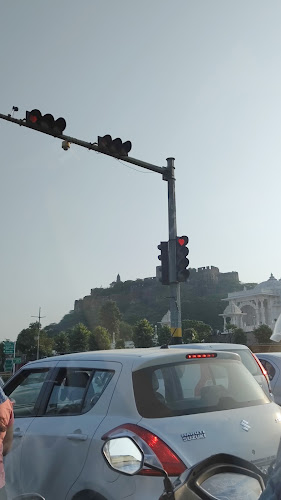
Heart-shaped Traffic Light Kota Bharu
Find Accommodations Nearby
Recommended Tours & Activities
Visitor Reviews
There are no reviews yet. Be the first one to write one.
Share Your Experience
Have you visited Muhammadi Mosque (State Mosque)? Help other travelers by leaving a review.