

Mudhafaria Minaret
About Mudhafaria Minaret
Description
The Mudhafaria Minaret, sometimes called the Choli Minaret or the Great Minaret of Erbil, is one of those places that quietly demands attention without needing to shout. Rising 36 meters into the sky, this 12th-century tower is more than just a piece of architecture—it’s a survivor of time, politics, and shifting city landscapes. Built during the reign of Muzaffar al-Din Abu Sa’eed, a ruler of the Ayyubid dynasty, the minaret is all that remains of a grand mosque complex that no longer stands. What’s left today is a brick-built masterpiece that manages to look both sturdy and delicate at the same time, thanks to its geometric brickwork and decorative bands.
When you stand in front of it, you can’t help but feel small. There’s this strange mix of awe and curiosity—like, how did they manage to create something so tall and precise with the tools they had nearly 800 years ago? I remember the first time I saw it, I was struck by how quiet the area felt. Unlike the bustling Erbil Citadel nearby, the minaret stands in a relatively open space, which makes it feel almost contemplative. Locals even call it “Choli Minaret,” which loosely translates to “desolate minaret,” and honestly, that name fits its vibe perfectly.
Travelers often describe it as both beautiful and haunting. Some people fall in love with its history and craftsmanship right away, while others might find it a little underwhelming if they expect flashy attractions. But that’s the thing—this isn’t about spectacle. It’s about standing in front of something that has seen centuries of change and still holds its ground. Families often bring their kids here to run around the park that surrounds it, and the area is surprisingly accessible, with wheelchair-friendly paths and parking nearby. It’s not just for history buffs—it’s for anyone who wants to slow down and feel connected to something bigger than themselves.
Key Features
- Height of 36 meters, making it one of the tallest surviving minarets of its era.
- Octagonal base supporting a cylindrical shaft, typical of Ayyubid architecture.
- Intricate brickwork with decorative geometric patterns and Kufic inscriptions.
- Originally part of a mosque complex, now the only surviving structure.
- Known locally as “Choli Minaret” or “Desolate Minaret” due to its isolated location.
- Surrounded today by Minare Park, a green space popular with families and locals.
- Wheelchair-accessible entrance and parking, making it inclusive for visitors.
Best Time to Visit
If you’re planning a trip, timing really matters here. Summers in Erbil can be brutally hot, with temperatures often soaring above 40°C (104°F). Walking around in the midday sun isn’t just uncomfortable—it can be downright exhausting. Personally, I’d say spring and autumn are the sweet spots. In April, the air feels fresh, flowers are blooming, and the park around the minaret actually looks alive. October is another great month because the weather is cooler, and you can actually enjoy wandering without constantly looking for shade.
Evenings are magical too. The minaret takes on a golden hue as the sun sets, and the atmosphere shifts from historical curiosity to almost spiritual calm. If you’re into photography, that’s your golden hour—literally. And if you’re traveling with kids, the cooler evening air makes it easier for them to enjoy the open space without overheating.
How to Get There
The Mudhafaria Minaret is located in western Erbil, not far from the city’s famous citadel. If you’re staying in central Erbil, it’s just a short drive away—usually under 15 minutes depending on traffic. Taxis are plentiful and affordable, and most drivers will know exactly where you want to go if you mention “Choli Minaret.” For those who prefer walking, it’s about a 20–30 minute stroll from the citadel area, though keep in mind the heat if you’re visiting in summer.
If you’re renting a car, parking is straightforward thanks to the park facilities. And if you’re relying on rideshare apps, you’ll find it easy to get dropped off right at the entrance. Public transport isn’t the most reliable option here, so I wouldn’t recommend it unless you’re really trying to travel like a local. Honestly, the convenience of a taxi or ride-hailing service is worth it.
Tips for Visiting
Here’s the thing about visiting the Mudhafaria Minaret—it’s not just about showing up, snapping a photo, and leaving. To really appreciate it, you’ve got to slow down. Spend some time walking around the base, look closely at the brickwork, and imagine the mosque that once stood here.
- Go early or late: Midday sun can be punishing. Early mornings and evenings are cooler and more atmospheric.
- Bring water: Even if you’re only planning a short visit, staying hydrated is key in Erbil’s climate.
- Wear comfortable shoes: The park is easy to walk, but you’ll want shoes that can handle a bit of dust and uneven ground.
- Take your time: Don’t rush it. Sit on a bench, watch families enjoying the park, and let the place sink in.
- Photography: Sunset shots are stunning, but don’t forget to capture the details of the brickwork up close.
- Respect the site: It’s a historical landmark, so avoid climbing or touching the structure.
- Combine with other sites: Pair your visit with the Erbil Citadel for a fuller picture of the city’s history.
One last personal note: I remember sitting on the grass nearby, sipping tea from a little thermos I’d brought along, and just watching the way the light shifted across the minaret’s surface. It was one of those rare travel moments where time slows down, and you feel like you’re part of something ancient. That’s what makes the Mudhafaria Minaret special—not just its history, but the way it makes you stop and pay attention. And honestly, in a world where we’re all rushing from one thing to the next, that’s a gift worth seeking out.
Key Features
- Height of 36 meters, making it one of the tallest surviving minarets of its era.
- Octagonal base supporting a cylindrical shaft, typical of Ayyubid architecture.
- Intricate brickwork with decorative geometric patterns and Kufic inscriptions.
- Originally part of a mosque complex, now the only surviving structure.
- Known locally as “Choli Minaret” or “Desolate Minaret” due to its isolated location.
- Surrounded today by Minare Park, a green space popular with families and locals.
- Wheelchair-accessible entrance and parking, making it inclusive for visitors.
More Details
Updated September 24, 2025
Table of Contents
Description
The Mudhafaria Minaret, sometimes called the Choli Minaret or the Great Minaret of Erbil, is one of those places that quietly demands attention without needing to shout. Rising 36 meters into the sky, this 12th-century tower is more than just a piece of architecture—it’s a survivor of time, politics, and shifting city landscapes. Built during the reign of Muzaffar al-Din Abu Sa’eed, a ruler of the Ayyubid dynasty, the minaret is all that remains of a grand mosque complex that no longer stands. What’s left today is a brick-built masterpiece that manages to look both sturdy and delicate at the same time, thanks to its geometric brickwork and decorative bands.
When you stand in front of it, you can’t help but feel small. There’s this strange mix of awe and curiosity—like, how did they manage to create something so tall and precise with the tools they had nearly 800 years ago? I remember the first time I saw it, I was struck by how quiet the area felt. Unlike the bustling Erbil Citadel nearby, the minaret stands in a relatively open space, which makes it feel almost contemplative. Locals even call it “Choli Minaret,” which loosely translates to “desolate minaret,” and honestly, that name fits its vibe perfectly.
Travelers often describe it as both beautiful and haunting. Some people fall in love with its history and craftsmanship right away, while others might find it a little underwhelming if they expect flashy attractions. But that’s the thing—this isn’t about spectacle. It’s about standing in front of something that has seen centuries of change and still holds its ground. Families often bring their kids here to run around the park that surrounds it, and the area is surprisingly accessible, with wheelchair-friendly paths and parking nearby. It’s not just for history buffs—it’s for anyone who wants to slow down and feel connected to something bigger than themselves.
Key Features
- Height of 36 meters, making it one of the tallest surviving minarets of its era.
- Octagonal base supporting a cylindrical shaft, typical of Ayyubid architecture.
- Intricate brickwork with decorative geometric patterns and Kufic inscriptions.
- Originally part of a mosque complex, now the only surviving structure.
- Known locally as “Choli Minaret” or “Desolate Minaret” due to its isolated location.
- Surrounded today by Minare Park, a green space popular with families and locals.
- Wheelchair-accessible entrance and parking, making it inclusive for visitors.
Best Time to Visit
If you’re planning a trip, timing really matters here. Summers in Erbil can be brutally hot, with temperatures often soaring above 40°C (104°F). Walking around in the midday sun isn’t just uncomfortable—it can be downright exhausting. Personally, I’d say spring and autumn are the sweet spots. In April, the air feels fresh, flowers are blooming, and the park around the minaret actually looks alive. October is another great month because the weather is cooler, and you can actually enjoy wandering without constantly looking for shade.
Evenings are magical too. The minaret takes on a golden hue as the sun sets, and the atmosphere shifts from historical curiosity to almost spiritual calm. If you’re into photography, that’s your golden hour—literally. And if you’re traveling with kids, the cooler evening air makes it easier for them to enjoy the open space without overheating.
How to Get There
The Mudhafaria Minaret is located in western Erbil, not far from the city’s famous citadel. If you’re staying in central Erbil, it’s just a short drive away—usually under 15 minutes depending on traffic. Taxis are plentiful and affordable, and most drivers will know exactly where you want to go if you mention “Choli Minaret.” For those who prefer walking, it’s about a 20–30 minute stroll from the citadel area, though keep in mind the heat if you’re visiting in summer.
If you’re renting a car, parking is straightforward thanks to the park facilities. And if you’re relying on rideshare apps, you’ll find it easy to get dropped off right at the entrance. Public transport isn’t the most reliable option here, so I wouldn’t recommend it unless you’re really trying to travel like a local. Honestly, the convenience of a taxi or ride-hailing service is worth it.
Tips for Visiting
Here’s the thing about visiting the Mudhafaria Minaret—it’s not just about showing up, snapping a photo, and leaving. To really appreciate it, you’ve got to slow down. Spend some time walking around the base, look closely at the brickwork, and imagine the mosque that once stood here.
- Go early or late: Midday sun can be punishing. Early mornings and evenings are cooler and more atmospheric.
- Bring water: Even if you’re only planning a short visit, staying hydrated is key in Erbil’s climate.
- Wear comfortable shoes: The park is easy to walk, but you’ll want shoes that can handle a bit of dust and uneven ground.
- Take your time: Don’t rush it. Sit on a bench, watch families enjoying the park, and let the place sink in.
- Photography: Sunset shots are stunning, but don’t forget to capture the details of the brickwork up close.
- Respect the site: It’s a historical landmark, so avoid climbing or touching the structure.
- Combine with other sites: Pair your visit with the Erbil Citadel for a fuller picture of the city’s history.
One last personal note: I remember sitting on the grass nearby, sipping tea from a little thermos I’d brought along, and just watching the way the light shifted across the minaret’s surface. It was one of those rare travel moments where time slows down, and you feel like you’re part of something ancient. That’s what makes the Mudhafaria Minaret special—not just its history, but the way it makes you stop and pay attention. And honestly, in a world where we’re all rushing from one thing to the next, that’s a gift worth seeking out.
Key Highlights
- Height of 36 meters, making it one of the tallest surviving minarets of its era.
- Octagonal base supporting a cylindrical shaft, typical of Ayyubid architecture.
- Intricate brickwork with decorative geometric patterns and Kufic inscriptions.
- Originally part of a mosque complex, now the only surviving structure.
- Known locally as “Choli Minaret” or “Desolate Minaret” due to its isolated location.
- Surrounded today by Minare Park, a green space popular with families and locals.
- Wheelchair-accessible entrance and parking, making it inclusive for visitors.
Location
Places to Stay Near Mudhafaria Minaret
Find and Book a Tour
Explore More Travel Guides
No reviews found! Be the first to review!
Traveler Reviews for Mudhafaria Minaret
There are no reviews yet. Be the first one to write one.
Have you visited Mudhafaria Minaret? Help other travelers by sharing your review.
You Might Also Like
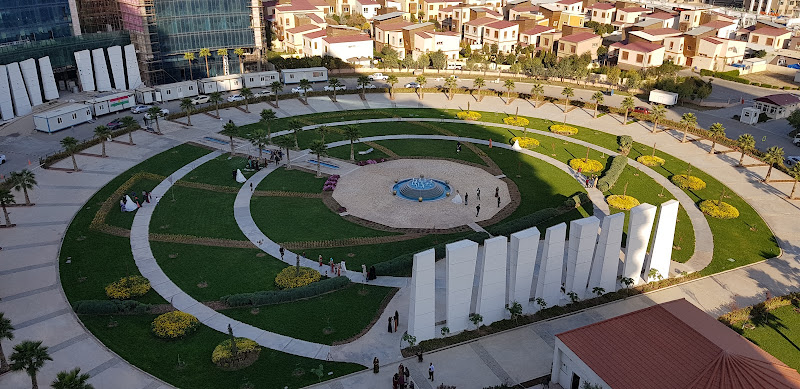
Sakura Park
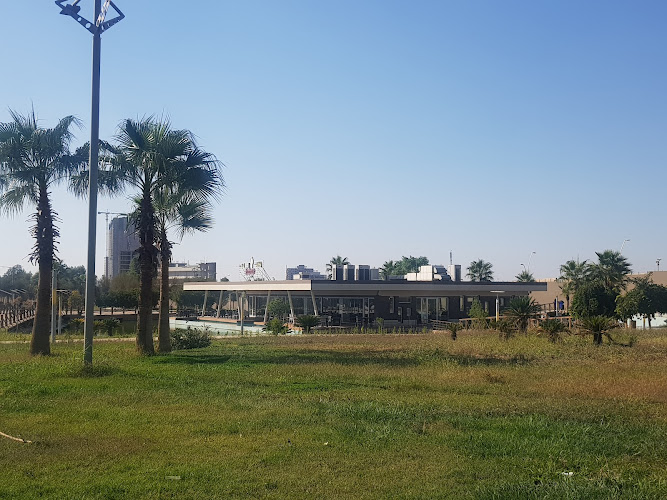
Peshmarga Park

Sarbasti Park
Find Accommodations Nearby
Recommended Tours & Activities
Visitor Reviews
There are no reviews yet. Be the first one to write one.
Share Your Experience
Have you visited Mudhafaria Minaret? Help other travelers by leaving a review.