
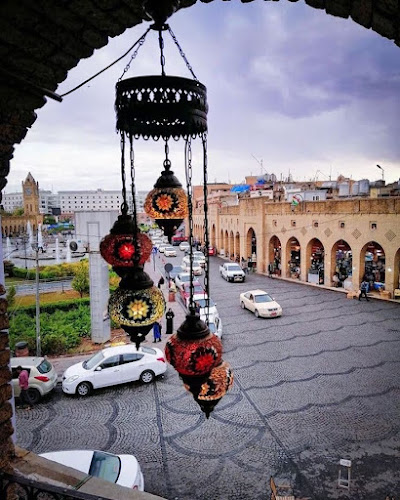
Erbil
About Erbil
Description
Erbil, also known as Hawler, is one of those places that surprises you the moment you set foot in it. It's the capital of the Kurdistan Region of Iraq and the beating heart of Erbil Governorate. What makes it fascinating is not just its modern cityscape with shopping malls and lively cafés, but the fact that people have been living here continuously since around the 5th millennium BC. That’s older than most civilizations we read about in history books. At the center of it all stands the UNESCO-listed Citadel of Erbil, a massive fortress-like mound that has seen empires rise and fall. Just a short walk away, the elegant Mudhafaria Minaret stands tall, a reminder of the city’s Islamic heritage.
The city has its quirks too. On one hand, you’ll see high-rise towers and bustling markets filled with gold jewelry, spices, and Kurdish textiles. On the other, you’ll stumble upon quiet alleyways where life feels unchanged for centuries. Some travelers find the pace chaotic, while others love the energy. Personally, I found the mix of old and new oddly comforting—like the city knows where it came from and where it’s heading.
Erbil isn’t without its flaws. Traffic can be frustrating, and not every corner of the city is postcard-pretty. But if you’re after authenticity, history, and a chance to see a culture that’s often misunderstood, this city delivers in spades. It’s not polished like major European hubs, but that’s part of its charm. You’ll leave with stories, not just photos.
Key Features
- The Citadel of Erbil, a UNESCO World Heritage Site and one of the oldest continuously inhabited sites on Earth
- Mudhafaria Minaret, dating back to the 12th century
- Traditional bazaars like Qaysari Market, buzzing with local life
- Modern shopping centers and restaurants offering Kurdish and international cuisine
- Parks and green spaces such as Sami Abdulrahman Park, a favorite for families
- A growing cultural scene with museums, art galleries, and festivals
Best Time to Visit
Timing is everything in Erbil. Summers here are scorching—think 40°C (104°F) and above—so unless you love dry heat, you’ll probably want to avoid July and August. Spring, from March to May, is hands down the best season. The city is greener, the air is softer, and locals are out celebrating Nowruz, the Kurdish New Year. Autumn, especially September and October, is also a sweet spot with cooler weather and fewer crowds. Winter can be chilly and a bit grey, though snow in the nearby mountains makes for a scenic escape. I once visited in early April, and the whole city felt alive with flowers, music, and outdoor gatherings—it’s a memory that stuck with me.
How to Get There
Getting to Erbil is easier than you might expect. The city has its own international airport, Erbil International Airport, which connects to major hubs like Istanbul, Dubai, and Doha. From the airport, it’s a quick drive into the city center. If you’re traveling within Iraq, there are also bus routes and shared taxis from cities like Sulaymaniyah, Duhok, and even Baghdad. Roads are generally safe in the Kurdistan Region, though always check current travel advisories before planning your trip. Inside the city, taxis are the main way to get around—don’t expect Uber, but you’ll find plenty of drivers ready to negotiate a fare. Walking is possible in central areas, though the city is more spread out than it looks on a map.
Tips for Visiting
A few things I wish someone had told me before my first trip to Erbil. First, dress modestly—it’s a conservative region, and while locals are friendly and welcoming, respecting cultural norms goes a long way. Second, cash is king. Credit cards are accepted in some hotels and malls, but smaller shops and taxis will expect Iraqi dinars. Third, don’t underestimate the language barrier. Kurdish and Arabic are the main languages, and while some younger people speak English, it’s not universal. Learning a few Kurdish phrases will earn you big smiles.
Safety is another topic people often ask about. In the Kurdistan Region, security is generally stable compared to other parts of Iraq, but it’s wise to stay updated on local news. I always felt safe walking around, even in the evenings, but like any city, keep an eye on your belongings. And here’s a quirky tip: try the street food. The kebabs, fresh bread, and falafel are not only cheap but also ridiculously tasty. Just follow the locals to the busiest stalls.
Finally, give yourself time. Erbil isn’t just a quick stopover—it’s a place to linger, sip tea in a bazaar, chat with shopkeepers, and explore beyond the obvious. If you can, take a day trip to the mountains or nearby towns. You’ll see a side of Kurdistan that’s breathtakingly beautiful and often overlooked. And honestly, that’s where the magic of this region really shines.
Key Features
- The Citadel of Erbil, a UNESCO World Heritage Site and one of the oldest continuously inhabited sites on Earth
- Mudhafaria Minaret, dating back to the 12th century
- Traditional bazaars like Qaysari Market, buzzing with local life
- Modern shopping centers and restaurants offering Kurdish and international cuisine
- Parks and green spaces such as Sami Abdulrahman Park, a favorite for families
- A growing cultural scene with museums, art galleries, and festivals
More Details
Updated September 24, 2025
Table of Contents
Description
Erbil, also known as Hawler, is one of those places that surprises you the moment you set foot in it. It’s the capital of the Kurdistan Region of Iraq and the beating heart of Erbil Governorate. What makes it fascinating is not just its modern cityscape with shopping malls and lively cafés, but the fact that people have been living here continuously since around the 5th millennium BC. That’s older than most civilizations we read about in history books. At the center of it all stands the UNESCO-listed Citadel of Erbil, a massive fortress-like mound that has seen empires rise and fall. Just a short walk away, the elegant Mudhafaria Minaret stands tall, a reminder of the city’s Islamic heritage.
The city has its quirks too. On one hand, you’ll see high-rise towers and bustling markets filled with gold jewelry, spices, and Kurdish textiles. On the other, you’ll stumble upon quiet alleyways where life feels unchanged for centuries. Some travelers find the pace chaotic, while others love the energy. Personally, I found the mix of old and new oddly comforting—like the city knows where it came from and where it’s heading.
Erbil isn’t without its flaws. Traffic can be frustrating, and not every corner of the city is postcard-pretty. But if you’re after authenticity, history, and a chance to see a culture that’s often misunderstood, this city delivers in spades. It’s not polished like major European hubs, but that’s part of its charm. You’ll leave with stories, not just photos.
Key Features
- The Citadel of Erbil, a UNESCO World Heritage Site and one of the oldest continuously inhabited sites on Earth
- Mudhafaria Minaret, dating back to the 12th century
- Traditional bazaars like Qaysari Market, buzzing with local life
- Modern shopping centers and restaurants offering Kurdish and international cuisine
- Parks and green spaces such as Sami Abdulrahman Park, a favorite for families
- A growing cultural scene with museums, art galleries, and festivals
Best Time to Visit
Timing is everything in Erbil. Summers here are scorching—think 40°C (104°F) and above—so unless you love dry heat, you’ll probably want to avoid July and August. Spring, from March to May, is hands down the best season. The city is greener, the air is softer, and locals are out celebrating Nowruz, the Kurdish New Year. Autumn, especially September and October, is also a sweet spot with cooler weather and fewer crowds. Winter can be chilly and a bit grey, though snow in the nearby mountains makes for a scenic escape. I once visited in early April, and the whole city felt alive with flowers, music, and outdoor gatherings—it’s a memory that stuck with me.
How to Get There
Getting to Erbil is easier than you might expect. The city has its own international airport, Erbil International Airport, which connects to major hubs like Istanbul, Dubai, and Doha. From the airport, it’s a quick drive into the city center. If you’re traveling within Iraq, there are also bus routes and shared taxis from cities like Sulaymaniyah, Duhok, and even Baghdad. Roads are generally safe in the Kurdistan Region, though always check current travel advisories before planning your trip. Inside the city, taxis are the main way to get around—don’t expect Uber, but you’ll find plenty of drivers ready to negotiate a fare. Walking is possible in central areas, though the city is more spread out than it looks on a map.
Tips for Visiting
A few things I wish someone had told me before my first trip to Erbil. First, dress modestly—it’s a conservative region, and while locals are friendly and welcoming, respecting cultural norms goes a long way. Second, cash is king. Credit cards are accepted in some hotels and malls, but smaller shops and taxis will expect Iraqi dinars. Third, don’t underestimate the language barrier. Kurdish and Arabic are the main languages, and while some younger people speak English, it’s not universal. Learning a few Kurdish phrases will earn you big smiles.
Safety is another topic people often ask about. In the Kurdistan Region, security is generally stable compared to other parts of Iraq, but it’s wise to stay updated on local news. I always felt safe walking around, even in the evenings, but like any city, keep an eye on your belongings. And here’s a quirky tip: try the street food. The kebabs, fresh bread, and falafel are not only cheap but also ridiculously tasty. Just follow the locals to the busiest stalls.
Finally, give yourself time. Erbil isn’t just a quick stopover—it’s a place to linger, sip tea in a bazaar, chat with shopkeepers, and explore beyond the obvious. If you can, take a day trip to the mountains or nearby towns. You’ll see a side of Kurdistan that’s breathtakingly beautiful and often overlooked. And honestly, that’s where the magic of this region really shines.
Key Highlights
- The Citadel of Erbil, a UNESCO World Heritage Site and one of the oldest continuously inhabited sites on Earth
- Mudhafaria Minaret, dating back to the 12th century
- Traditional bazaars like Qaysari Market, buzzing with local life
- Modern shopping centers and restaurants offering Kurdish and international cuisine
- Parks and green spaces such as Sami Abdulrahman Park, a favorite for families
- A growing cultural scene with museums, art galleries, and festivals
Location
Places to Stay Near Erbil
Find and Book a Tour
Explore More Travel Guides
No reviews found! Be the first to review!
Traveler Reviews for Erbil
There are no reviews yet. Be the first one to write one.
Have you visited Erbil? Help other travelers by sharing your review.
You Might Also Like

Qalat

Minara Park

Mudhafaria Minaret
Find Accommodations Nearby
Recommended Tours & Activities
Visitor Reviews
There are no reviews yet. Be the first one to write one.
Share Your Experience
Have you visited Erbil? Help other travelers by leaving a review.