
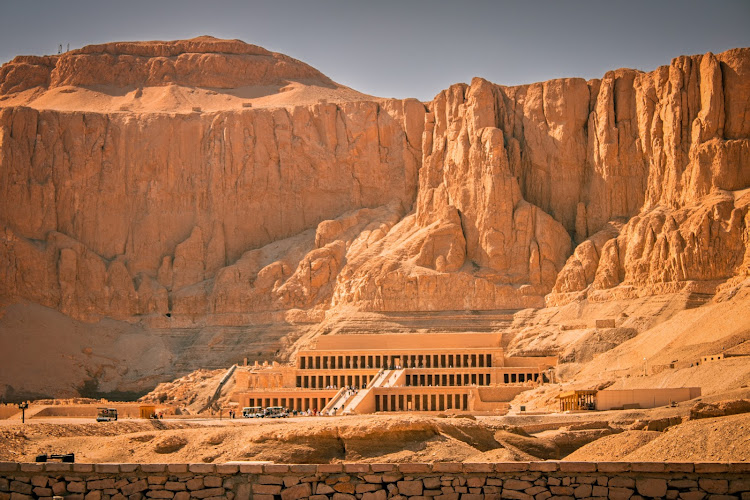
Mortuary Temple of Hatshepsut
About Mortuary Temple of Hatshepsut
The Mortuary Temple of Hatshepsut stands as one of ancient Egypt's most remarkable architectural achievements. This stunning three-level temple, built into the limestone cliffs of Deir el-Bahari, pays tribute to Egypt's most famous female pharaoh. I'll never forget my first glimpse of those elegant colonnades rising against the golden desert cliffs - it literally took my breath away!
Built around 1479 BC, this temple tells the fascinating story of Hatshepsut, who ruled as pharaoh for 20+ years despite the traditional male-dominated hierarchy. The temple's design is revolutionary even by today's standards - featuring grand ceremonial ramps connecting its terraces and incredible reliefs depicting everything from divine births to trading expeditions.
Y'know what really blows my mind? The temple's perfect symmetry and how it harmoniously blends with the surrounding landscape. Those ancient architects sure knew what they were doing! The temple stretches nearly 300 meters in length, with each level showcasing different aspects of Hatshepsut's reign and her relationship with the gods.
Key Features
- Three dramatic terraced levels connected by ceremonial ramps
- Stunning colonnade halls with massive pillars
- Birth Colonnade showing scenes from Hatshepsut's divine origins
- Punt Colonnade depicting famous trading expeditions
- Chapel of Hathor with its unique cow-headed columns
- Chapel of Anubis featuring incredible original paint colors
- Solar cult shrine dedicated to Ra-Horakhty
- Massive courtyard with reflecting pools (now restored)
- Relief sculptures showing the transportation of obelisks
- Royal burial chamber cut deep into the cliff face
Best Time to Visit
Trust me on this one - you'll want to visit early morning or late afternoon to avoid the intense midday heat. I learned this the hard way! The temple opens at 6 AM, and that's honestly the perfect time to arrive. The rising sun creates magical shadows across the colonnades, and the temperature is actually bearable.
Winter months (October through March) offer the most comfortable weather for exploring. Summer temperatures can soar above 40°C (104°F), making it pretty tough to fully appreciate the site. Plus, the early morning light makes for amazing photos before the tour buses arrive around 9 AM.
How to Get There
Most visitors base themselves in Luxor and make the journey across the Nile to the West Bank. You've got several options for getting to the temple. The easiest way is booking a guided tour that includes transportation, but if you're feeling adventurous like I was, you can totally do it independently!
Grab a ferry from Luxor to the West Bank (super cheap and runs frequently), then either hire a taxi or rent a bike. Some hotels also offer shuttle services. The temple's about 3 kilometers from the ferry landing, and you might wanna combine your visit with other West Bank sites like the Valley of the Kings.
Tips for Visiting
Lemme share some hard-earned wisdom here! First off, bring PLENTY of water - there's limited shade and the desert heat is no joke. Wear comfy walking shoes cause those ramps are steeper than they look in photos. A hat and sunscreen are absolute must-haves.
The site can get pretty crowded by mid-morning, so arriving early isn't just about beating the heat. I'd recommend spending at least 2-3 hours exploring - there's so much detail in those reliefs you'll keep discovering new things. Oh, and don't forget your camera! The morning light makes those limestone cliffs glow like gold.
Consider hiring a guide (available at the entrance) to really understand what you're looking at. The symbolism and historical significance can be easy to miss without someone knowledgeable pointing things out. And here's a pro tip: bring small Egyptian pounds for the bathroom attendants - they'll appreciate it!
Lastly, take some time to just sit and soak it all in. Find a quiet spot (the upper terrace usually has fewer people) and imagine what this place was like 3,500 years ago. It's an experience that'll stick with you forever - I still get goosebumps thinking about it!
You Might Also Like
3fret¾👻

Abu Haggag Mosque
Abu Qir
Tours & Activities
GetYourGuide provides this tour inventory. We may earn a commission if you book through it; verify current availability, prices, and terms with the provider.
Visitor Reviews
There are no reviews yet. Be the first one to write one.
Share Your Experience
Have you visited Mortuary Temple of Hatshepsut? Help other travelers by leaving a review.