
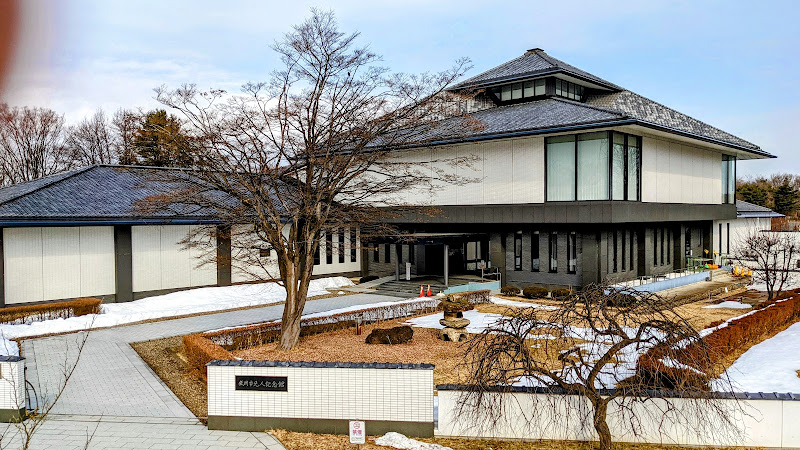
Morioka Memorial Museum of Great Predecessors
About Morioka Memorial Museum of Great Predecessors
Description
The Morioka Memorial Museum of Great Predecessors is a quietly proud local history museum in Morioka, Iwate, that focuses on the lives and legacies of notable figures who shaped the city and the wider Tohoku region. It presents a thoughtful mix of artifacts, documents, portraits, and interpretive displays arranged to tell human stories rather than just list dates. Visitors will find exhibits that trace political, cultural, and social threads from the Edo and Meiji periods through modern times, and the museum frames those threads in ways that help a visitor understand how Morioka became the city it is today.
Unlike larger metropolitan institutions where exhibits can feel impersonal, this memorial museum leans into local detail. The curators have prioritized original materials linked to famous local figures, including letters, clothing fragments, early photographs, and small domestic objects that surprisingly reveal everyday life. The result is an intimate experience: a modest building with concentrated displays where a single case can bring a whole story to life. For travelers who enjoy slow looking and making connections, that intimacy is a real plus.
The collection emphasizes educational value, so expect well-organized timelines and captions that place people in historical context. That said, the museum’s explanatory material sometimes assumes familiarity with Japanese-language sources. Many visitors appreciate the depth of content, while a few note that some panels could be more accessible to non-Japanese speakers. Still, the visual material—photos, maps, and objects—carries a lot of meaning even when text is limited, and audio guides or occasional bilingual pamphlets are offered when special exhibitions run.
Architecturally, the museum is straightforward and functional. It does not compete for attention with Morioka’s stone walls or the castle site nearby; instead it quietly complements these landmarks by offering the stories behind the place. The layout is intuitive: a ground floor with the main exhibits and rotating display space, plus accessible facilities designed to welcome families and visitors with mobility needs. Accessibility is clearly a priority here, with a wheelchair accessible entrance, parking, and restroom, which is a relief for visitors traveling with elderly relatives or small children in strollers.
Families tend to find the museum accommodating. The institution signals that it is good for kids, and while it may not have a large hands-on children’s area like some science museums, it offers child-friendly labels and occasional educational workshops aimed at school groups. Parents appreciate that the galleries are compact enough to visit in an hour or two without the meltdown factor that comes with marathon museum days. There is no on-site restaurant, though the neighborhood around the museum provides plenty of casual dining options for a post-visit meal, from soba shops to local sweets.
As for atmosphere, people often describe the place as respectful and reflective. It has that quiet seriousness of a memorial hall combined with the curiosity-sparking energy of a local museum. Special exhibitions rotate, so repeat visitors can find new material on different visits. The museum also hosts small events—lectures, panel discussions, and occasional historical reenactments—which draw local scholars and enthusiasts. Travelers who are lucky enough to time their trip with one of these events will leave with a richer sense of local identity and history.
There is an honesty to the museum’s storytelling that feels grounded. The displays do not glamorize the past; they humanize it. Through carefully chosen objects, the museum shows how national changes—industrialization, political reform, and cultural exchange—touched ordinary people in Morioka. One memorable gallery presents correspondence between local leaders and national figures, and the handwriting alone gives a sense of real lives grappling with big questions. For the visitor who likes to imagine the past as lived experience, these small details are gold.
Travelers who enjoy linking sites together will appreciate how the museum fits into a broader Morioka itinerary. It pairs well with a walk near the castle site and the surrounding park, or with a day exploring the city center and its venerable temples and shrines. Those who come off the Tohoku Shinkansen at Morioka Station often find the museum a manageable first stop to orient themselves to regional history before heading further into Iwate Prefecture. Public transport and short taxi rides make access simple, and it is a nice way to slow the pace after a train journey.
There is, however, a realistic side to mention. Some visitors find the museum modest in scale, and expectations should be set accordingly. This is not a sprawling national museum with sweeping galleries; it is a focused memorial museum with depth in a few key areas. For the traveler who is hunting for blockbuster displays, it may feel small. But for the curious traveler who enjoys context, nuance, and the kind of artifacts that spark conversation over coffee later, it is rewarding.
Local pride shows through in small touches. Exhibition text often ties local craft traditions and cultural practices to the biographies on display, offering insights into regional identity. One recurring theme in the museum is adaptation: how leaders and communities in the region responded to national reforms, foreign influence, and changing economic realities. Those themes resonate with visitors who like to probe how local and national histories intersect, and they make the museum a useful primer for anyone seeking to understand Iwate beyond its landscapes.
Practical matters are handled thoughtfully. The museum is kept clean and well-maintained, with clear visitor routes and comfortable seating in key galleries for moments of quiet reflection. Restroom facilities are available, and the institution’s modest size means that signage and staff can provide personalized help if a visitor is looking for specific information. Staff are generally friendly and willing to answer questions, and while language ability varies, effort is made to be helpful to foreign visitors.
From a photography perspective, the museum encourages respectful picture-taking in certain areas, though some cases and special exhibits may restrict photography to protect fragile materials. This is standard practice, and most visitors appreciate the rule once they understand the conservation concerns involved. The lighting in the galleries is designed to preserve delicate items while still allowing a visitor to study details, so close inspection is possible without damaging the artifacts.
What makes the Morioka Memorial Museum of Great Predecessors stand out is the way it privileges people over objects. The objects are anchors, but the stories are the point. Human dramas—local heroes, intellectuals, reformers, and everyday citizens—are portrayed with a dignity that helps a visitor feel connected to the city. There is a subtle curatorial choice at work: to show history as lived experience rather than as an abstract catalogue. That choice will appeal to travelers who prefer narrative-driven cultural experiences.
Finally, the museum can be a quiet reminder of why travel matters. It gives context to the streets and stones of Morioka, and it invites the visitor to think about continuity and change in a specific place. For someone who remembers museums as dusty cabinets of curiosities, this place is a pleasant surprise: compact, contemplative, and surprisingly full of narrative. The writer remembers a gray afternoon spent reading a handwritten letter displayed in a simple glass case and feeling unexpectedly moved; small moments like that are common here, and they linger after the visit ends.
In short, the Morioka Memorial Museum of Great Predecessors is a compact but meaningful stop for travelers interested in local history, Japanese culture, and the personal side of historical change. It serves families, visitors with accessibility needs, and curious travelers who prefer depth over spectacle. With its emphasis on people, its practical amenities, and a layout that respects both artifacts and visitors, it provides a grounded, informative, and often quietly moving introduction to Morioka and the historical figures who shaped it.
Key Features
More Details
Updated August 29, 2025
Table of Contents
Description
The Morioka Memorial Museum of Great Predecessors is a quietly proud local history museum in Morioka, Iwate, that focuses on the lives and legacies of notable figures who shaped the city and the wider Tohoku region. It presents a thoughtful mix of artifacts, documents, portraits, and interpretive displays arranged to tell human stories rather than just list dates. Visitors will find exhibits that trace political, cultural, and social threads from the Edo and Meiji periods through modern times, and the museum frames those threads in ways that help a visitor understand how Morioka became the city it is today.
Unlike larger metropolitan institutions where exhibits can feel impersonal, this memorial museum leans into local detail. The curators have prioritized original materials linked to famous local figures, including letters, clothing fragments, early photographs, and small domestic objects that surprisingly reveal everyday life. The result is an intimate experience: a modest building with concentrated displays where a single case can bring a whole story to life. For travelers who enjoy slow looking and making connections, that intimacy is a real plus.
The collection emphasizes educational value, so expect well-organized timelines and captions that place people in historical context. That said, the museum’s explanatory material sometimes assumes familiarity with Japanese-language sources. Many visitors appreciate the depth of content, while a few note that some panels could be more accessible to non-Japanese speakers. Still, the visual material—photos, maps, and objects—carries a lot of meaning even when text is limited, and audio guides or occasional bilingual pamphlets are offered when special exhibitions run.
Architecturally, the museum is straightforward and functional. It does not compete for attention with Morioka’s stone walls or the castle site nearby; instead it quietly complements these landmarks by offering the stories behind the place. The layout is intuitive: a ground floor with the main exhibits and rotating display space, plus accessible facilities designed to welcome families and visitors with mobility needs. Accessibility is clearly a priority here, with a wheelchair accessible entrance, parking, and restroom, which is a relief for visitors traveling with elderly relatives or small children in strollers.
Families tend to find the museum accommodating. The institution signals that it is good for kids, and while it may not have a large hands-on children’s area like some science museums, it offers child-friendly labels and occasional educational workshops aimed at school groups. Parents appreciate that the galleries are compact enough to visit in an hour or two without the meltdown factor that comes with marathon museum days. There is no on-site restaurant, though the neighborhood around the museum provides plenty of casual dining options for a post-visit meal, from soba shops to local sweets.
As for atmosphere, people often describe the place as respectful and reflective. It has that quiet seriousness of a memorial hall combined with the curiosity-sparking energy of a local museum. Special exhibitions rotate, so repeat visitors can find new material on different visits. The museum also hosts small events—lectures, panel discussions, and occasional historical reenactments—which draw local scholars and enthusiasts. Travelers who are lucky enough to time their trip with one of these events will leave with a richer sense of local identity and history.
There is an honesty to the museum’s storytelling that feels grounded. The displays do not glamorize the past; they humanize it. Through carefully chosen objects, the museum shows how national changes—industrialization, political reform, and cultural exchange—touched ordinary people in Morioka. One memorable gallery presents correspondence between local leaders and national figures, and the handwriting alone gives a sense of real lives grappling with big questions. For the visitor who likes to imagine the past as lived experience, these small details are gold.
Travelers who enjoy linking sites together will appreciate how the museum fits into a broader Morioka itinerary. It pairs well with a walk near the castle site and the surrounding park, or with a day exploring the city center and its venerable temples and shrines. Those who come off the Tohoku Shinkansen at Morioka Station often find the museum a manageable first stop to orient themselves to regional history before heading further into Iwate Prefecture. Public transport and short taxi rides make access simple, and it is a nice way to slow the pace after a train journey.
There is, however, a realistic side to mention. Some visitors find the museum modest in scale, and expectations should be set accordingly. This is not a sprawling national museum with sweeping galleries; it is a focused memorial museum with depth in a few key areas. For the traveler who is hunting for blockbuster displays, it may feel small. But for the curious traveler who enjoys context, nuance, and the kind of artifacts that spark conversation over coffee later, it is rewarding.
Local pride shows through in small touches. Exhibition text often ties local craft traditions and cultural practices to the biographies on display, offering insights into regional identity. One recurring theme in the museum is adaptation: how leaders and communities in the region responded to national reforms, foreign influence, and changing economic realities. Those themes resonate with visitors who like to probe how local and national histories intersect, and they make the museum a useful primer for anyone seeking to understand Iwate beyond its landscapes.
Practical matters are handled thoughtfully. The museum is kept clean and well-maintained, with clear visitor routes and comfortable seating in key galleries for moments of quiet reflection. Restroom facilities are available, and the institution’s modest size means that signage and staff can provide personalized help if a visitor is looking for specific information. Staff are generally friendly and willing to answer questions, and while language ability varies, effort is made to be helpful to foreign visitors.
From a photography perspective, the museum encourages respectful picture-taking in certain areas, though some cases and special exhibits may restrict photography to protect fragile materials. This is standard practice, and most visitors appreciate the rule once they understand the conservation concerns involved. The lighting in the galleries is designed to preserve delicate items while still allowing a visitor to study details, so close inspection is possible without damaging the artifacts.
What makes the Morioka Memorial Museum of Great Predecessors stand out is the way it privileges people over objects. The objects are anchors, but the stories are the point. Human dramas—local heroes, intellectuals, reformers, and everyday citizens—are portrayed with a dignity that helps a visitor feel connected to the city. There is a subtle curatorial choice at work: to show history as lived experience rather than as an abstract catalogue. That choice will appeal to travelers who prefer narrative-driven cultural experiences.
Finally, the museum can be a quiet reminder of why travel matters. It gives context to the streets and stones of Morioka, and it invites the visitor to think about continuity and change in a specific place. For someone who remembers museums as dusty cabinets of curiosities, this place is a pleasant surprise: compact, contemplative, and surprisingly full of narrative. The writer remembers a gray afternoon spent reading a handwritten letter displayed in a simple glass case and feeling unexpectedly moved; small moments like that are common here, and they linger after the visit ends.
In short, the Morioka Memorial Museum of Great Predecessors is a compact but meaningful stop for travelers interested in local history, Japanese culture, and the personal side of historical change. It serves families, visitors with accessibility needs, and curious travelers who prefer depth over spectacle. With its emphasis on people, its practical amenities, and a layout that respects both artifacts and visitors, it provides a grounded, informative, and often quietly moving introduction to Morioka and the historical figures who shaped it.
Key Highlights
Morioka Memorial Museum of Great Predecessors
Location
Places to Stay Near Morioka Memorial Museum of Great Predecessors
Find and Book a Tour
Explore More Travel Guides
No reviews found! Be the first to review!
Traveler Reviews for Morioka Memorial Museum of Great Predecessors
There are no reviews yet. Be the first one to write one.
Have you visited Morioka Memorial Museum of Great Predecessors? Help other travelers by sharing your review.
You Might Also Like
Hōonji Temple (500 Rakan)
Genta-iwa Observation Deck
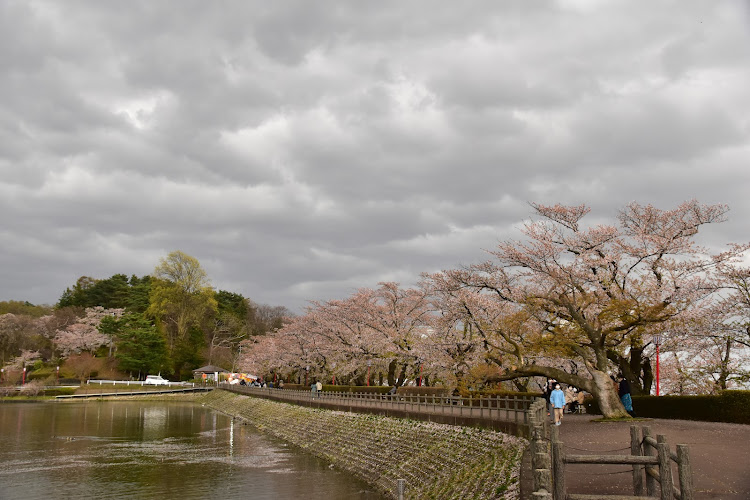
Takamatsu Park
Find Accommodations Nearby
Recommended Tours & Activities
Visitor Reviews
There are no reviews yet. Be the first one to write one.
Share Your Experience
Have you visited Morioka Memorial Museum of Great Predecessors? Help other travelers by leaving a review.