
Morioka History and Culture Museum
About Morioka History and Culture Museum
Description
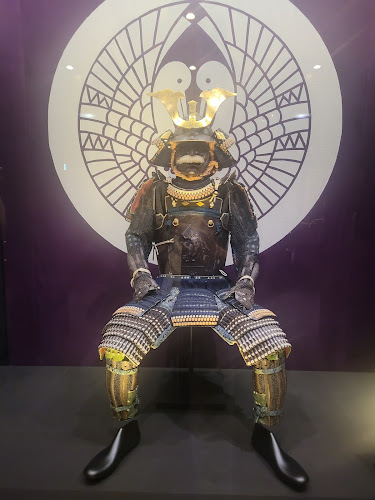
The Morioka History and Culture Museum sits quietly within the wide green sweep of the castle grounds, where stone walls and cherry trees mark the outline of Morioka's feudal past. It presents the story of the city and the wider Iwate region across a mix of permanent displays and rotating exhibitions — artifacts, maps, textiles, and sometimes surprising everyday objects that together sketch a clearer picture of life in a castle town. The museum does what good local history museums do: it connects objects to people. Visitors see not only samurai armor and clan records, but also the tools of farmers, festival costumes, and the kinds of things that suggest how ordinary life carried on beneath the drama of history.
Located inside a park on the Morioka castle site, the museum benefits from one of those lovely dualities — an indoor scholarly atmosphere and an outdoor living context. On clear days, a visitor can move from glass cases to cherry-laden paths in minutes, and that shift between exhibit hall and historic landscape is a big part of the appeal. The building is practical and approachable rather than flashy: exhibit halls organized by theme, a small hands-on space for workshops, and an event area where local festivals and seasonal programs sometimes spill into public activities. The museum hosts a rotating calendar of workshops that focus on traditional crafts, history talks, and family-friendly events tied into local festivals; these are worth checking before planning a visit.
Accessibility is taken seriously here. The museum provides wheelchair-accessible parking and restrooms, which is not always a given at smaller municipal sites, and there are onsite services to help with orientation and information. Restrooms are available on the premises, but there is no full-service restaurant inside the museum — that means visitors often pair a museum trip with a picnic in the castle grounds or a short walk into town for a local meal. That intimacy, the lack of big commercial trappings, is actually part of the charm: it feels like a place made for learning and quiet discovery rather than a blockbuster tourist stop.
For travelers who like context, this museum does an efficient job of orienting people to Morioka: historical narratives about the Nambu clan and the city's evolution from a castle town to a modern city, displays on seasonal festivals (the Sansa Odori movement and other local dances often get a mention), and focused exhibits on crafts and daily life across the centuries. Those who dig deeper will get small nuggets of regional detail — stone wall construction of the castle site, the role of markets in urban life, and photographs that capture Morioka's streets in the early 20th century. It’s a tidy primer on the city; and for travelers who enjoy museums as a way to feel oriented, this one reliably delivers.
One honest note: because the museum is municipal and community-minded, exhibition quality varies — some temporary shows are tightly curated and compelling, others feel more modest. But that variability can be rewarding: smaller, local exhibitions sometimes reveal things that larger institutions overlook, like a village master craftsman’s tools or a community's festival banner. People who visit with curiosity — not expectations of museum blockbuster production values — tend to leave pleasantly satisfied. And there’s something to be said for the gentle pace here; a careful two-hour visit is often enough to absorb the highlights and then move outside to explore the castle site park.
Key Features
- Local history and culture museum focusing on Morioka and Iwate prefecture heritage
- Exhibits on the Nambu (Nanbu) clan, castle town development, traditional crafts, and seasonal festivals
- Set within the castle grounds and adjacent park — easy to combine indoor learning with outdoor exploration
- Rotating exhibitions and regular workshops, including hands-on events for families and craft demonstrations
- Wheelchair accessible parking and wheelchair accessible restrooms; generally accessible layout
- Onsite information and visitor services for orientation and scheduling
- Photographic opportunities — stone walls, cherry trees, festival artifacts — though some displays restrict flash and tripods
- No on-site restaurant; restrooms available inside the facility
- Good half-day visit option; ideal stop for those researching Morioka’s history before exploring the city
Best Time to Visit
The best time to visit depends on what the traveler is chasing. Spring is a crowd-pleaser: cherry blossoms explode around the castle site and the contrast between delicate blooms and ancient stone walls is visually delightful. If one’s schedule is flexible, late April into early May offers both comfortable weather and frequent local events. Summer brings festival energy — notably the Sansa Odori and other regional dance and music traditions. During festival season the museum often schedules related talks, film screenings, or small exhibitions to deepen the context, so combining a park stroll with a museum visit makes for a memorable cultural day.
Autumn is another winning season. Cooler air, turning leaves, and fewer tourists make for relaxed exploration. Photographers like this time because the low light pairs well with the warm tones of the display cases and the outdoor foliage. Winter visits are quieter and can be surprisingly atmospheric; exhibitions take on a different mood without the bustle of festival crowds. Weekdays, and mornings soon after opening, are the least crowded times — worth noting for travelers who prefer to read labels and linger over displays without feeling rushed.
Timing tip: plan ahead if a specific workshop or special exhibition is a must-see. Those events can fill up, and because the museum is more community-oriented than large tourist centers, advanced sign-up or early arrival often secures a better experience.
How to Get There
The museum is conveniently positioned within Morioka’s castle site area, making it easy to pair with other central attractions. Travelers coming from Morioka Station can reach the museum by a short taxi ride or local bus; on foot it’s a pleasant walk for those who enjoy urban strolls through historic streets. For those driving, there is parking available at the castle grounds with wheelchair-accessible parking spots — handy for visitors with mobility needs.
Public transportation in Morioka is straightforward. City buses connect major points (station, cultural sites, and central neighborhoods), and taxis are readily available around the station. Bicycles are a viable option in warmer months; Morioka’s relatively flat center and the ring of parks make for comfortable short rides. For day-trippers originating from other parts of Iwate or the Tohoku region, the city is a manageable hub — regional trains arrive at Morioka Station and onward connections are well signposted.
Direction-minded travelers should allow time to explore the castle grounds after the museum visit; the stone foundations and park paths are part of the experience. Because the museum sits on a historic site, some paths are stone or slightly uneven — to bear in mind when planning mobility needs or with young children.
Tips for Visiting
- Allow at least 1.5 to 2 hours: that gives time for the permanent galleries, a rotating exhibit, and a short walk around the castle grounds.
- Check the special events calendar before arrival — workshops and talks can add real value, and they’re often scheduled around local festivals.
- Wear comfortable shoes: the transition from museum floors to castle paths often involves stone steps and informal trails.
- Photography rules vary by exhibit. Quietly ask staff at the information desk; flash and tripods are typically restricted in artifact rooms.
- The museum does not have a restaurant. Pack a light snack or plan to enjoy a picnic on the castle grounds; alternatively, explore nearby cafes and local eateries for Morioka specialties like wanko soba if time allows.
- Accessibility is thoughtful but not exhaustive. Wheelchair-accessible parking and restrooms are available; bring any mobility aids needed for outdoor paths, where surfaces can be uneven.
- Cash and small change: while many municipal museums accept cards, small workshop fees or souvenir purchases sometimes work best with cash. It’s old-fashioned, but practical.
- Combine visits: the museum pairs naturally with a stroll through the castle site park, a stop at a nearby shrine or temple, or an afternoon catching a local festival parade — plan a half-day in this part of Morioka to make the most of the area.
- Ask questions: staff are often local experts and can point out subtle details in exhibits — the sort of context that turns a display case into a story about community life.
- Bring curiosity, not deadlines: smaller local museums shine when visitors slow down. Even if it seems modest at first glance, the place rewards those who linger and read the labels.
In short, the Morioka History and Culture Museum is a quiet, informative hub for understanding Morioka’s past and the culture of Iwate prefecture. It’s not flashy, and it doesn’t pretend to be a national museum — it’s a place where local stories are told carefully, where seasonal events highlight living traditions, and where the castle grounds give the whole visit an extra layer of historical texture. Travelers who appreciate context, craft, and a bit of local color will likely find the museum a pleasant and useful stop on their trip through northern Japan.
Key Features
- Permanent exhibits on Morioka and Nanbu clan history
- Multimedia displays of local festivals (Chagu Chagu Umakko, Morioka Sansa Odori)
- Architectural renovation of the former Iwate Prefectural Library by Kiyonori Kikutake
- Location within Morioka Castle Ruins Park with direct views of castle grounds
- Visitor facilities including a café/rest area and tourist information
More Details
Updated August 29, 2025
Table of Contents
- Description
- Key Features
- Best Time to Visit
- How to Get There
- Tips for Visiting
- Key Highlights
- Location
- Places to Stay Near Morioka History and Culture Museum
- Find and Book a Tour
- Explore More Travel Guides
- Nearby Places You Might Like
- Traveler Reviews for Morioka History and Culture Museum
- Share Your Experience
Description
The Morioka History and Culture Museum sits quietly within the wide green sweep of the castle grounds, where stone walls and cherry trees mark the outline of Morioka’s feudal past. It presents the story of the city and the wider Iwate region across a mix of permanent displays and rotating exhibitions — artifacts, maps, textiles, and sometimes surprising everyday objects that together sketch a clearer picture of life in a castle town. The museum does what good local history museums do: it connects objects to people. Visitors see not only samurai armor and clan records, but also the tools of farmers, festival costumes, and the kinds of things that suggest how ordinary life carried on beneath the drama of history.
Located inside a park on the Morioka castle site, the museum benefits from one of those lovely dualities — an indoor scholarly atmosphere and an outdoor living context. On clear days, a visitor can move from glass cases to cherry-laden paths in minutes, and that shift between exhibit hall and historic landscape is a big part of the appeal. The building is practical and approachable rather than flashy: exhibit halls organized by theme, a small hands-on space for workshops, and an event area where local festivals and seasonal programs sometimes spill into public activities. The museum hosts a rotating calendar of workshops that focus on traditional crafts, history talks, and family-friendly events tied into local festivals; these are worth checking before planning a visit.
Accessibility is taken seriously here. The museum provides wheelchair-accessible parking and restrooms, which is not always a given at smaller municipal sites, and there are onsite services to help with orientation and information. Restrooms are available on the premises, but there is no full-service restaurant inside the museum — that means visitors often pair a museum trip with a picnic in the castle grounds or a short walk into town for a local meal. That intimacy, the lack of big commercial trappings, is actually part of the charm: it feels like a place made for learning and quiet discovery rather than a blockbuster tourist stop.
For travelers who like context, this museum does an efficient job of orienting people to Morioka: historical narratives about the Nambu clan and the city’s evolution from a castle town to a modern city, displays on seasonal festivals (the Sansa Odori movement and other local dances often get a mention), and focused exhibits on crafts and daily life across the centuries. Those who dig deeper will get small nuggets of regional detail — stone wall construction of the castle site, the role of markets in urban life, and photographs that capture Morioka’s streets in the early 20th century. It’s a tidy primer on the city; and for travelers who enjoy museums as a way to feel oriented, this one reliably delivers.
One honest note: because the museum is municipal and community-minded, exhibition quality varies — some temporary shows are tightly curated and compelling, others feel more modest. But that variability can be rewarding: smaller, local exhibitions sometimes reveal things that larger institutions overlook, like a village master craftsman’s tools or a community’s festival banner. People who visit with curiosity — not expectations of museum blockbuster production values — tend to leave pleasantly satisfied. And there’s something to be said for the gentle pace here; a careful two-hour visit is often enough to absorb the highlights and then move outside to explore the castle site park.
Key Features
- Local history and culture museum focusing on Morioka and Iwate prefecture heritage
- Exhibits on the Nambu (Nanbu) clan, castle town development, traditional crafts, and seasonal festivals
- Set within the castle grounds and adjacent park — easy to combine indoor learning with outdoor exploration
- Rotating exhibitions and regular workshops, including hands-on events for families and craft demonstrations
- Wheelchair accessible parking and wheelchair accessible restrooms; generally accessible layout
- Onsite information and visitor services for orientation and scheduling
- Photographic opportunities — stone walls, cherry trees, festival artifacts — though some displays restrict flash and tripods
- No on-site restaurant; restrooms available inside the facility
- Good half-day visit option; ideal stop for those researching Morioka’s history before exploring the city
Best Time to Visit
The best time to visit depends on what the traveler is chasing. Spring is a crowd-pleaser: cherry blossoms explode around the castle site and the contrast between delicate blooms and ancient stone walls is visually delightful. If one’s schedule is flexible, late April into early May offers both comfortable weather and frequent local events. Summer brings festival energy — notably the Sansa Odori and other regional dance and music traditions. During festival season the museum often schedules related talks, film screenings, or small exhibitions to deepen the context, so combining a park stroll with a museum visit makes for a memorable cultural day.
Autumn is another winning season. Cooler air, turning leaves, and fewer tourists make for relaxed exploration. Photographers like this time because the low light pairs well with the warm tones of the display cases and the outdoor foliage. Winter visits are quieter and can be surprisingly atmospheric; exhibitions take on a different mood without the bustle of festival crowds. Weekdays, and mornings soon after opening, are the least crowded times — worth noting for travelers who prefer to read labels and linger over displays without feeling rushed.
Timing tip: plan ahead if a specific workshop or special exhibition is a must-see. Those events can fill up, and because the museum is more community-oriented than large tourist centers, advanced sign-up or early arrival often secures a better experience.
How to Get There
The museum is conveniently positioned within Morioka’s castle site area, making it easy to pair with other central attractions. Travelers coming from Morioka Station can reach the museum by a short taxi ride or local bus; on foot it’s a pleasant walk for those who enjoy urban strolls through historic streets. For those driving, there is parking available at the castle grounds with wheelchair-accessible parking spots — handy for visitors with mobility needs.
Public transportation in Morioka is straightforward. City buses connect major points (station, cultural sites, and central neighborhoods), and taxis are readily available around the station. Bicycles are a viable option in warmer months; Morioka’s relatively flat center and the ring of parks make for comfortable short rides. For day-trippers originating from other parts of Iwate or the Tohoku region, the city is a manageable hub — regional trains arrive at Morioka Station and onward connections are well signposted.
Direction-minded travelers should allow time to explore the castle grounds after the museum visit; the stone foundations and park paths are part of the experience. Because the museum sits on a historic site, some paths are stone or slightly uneven — to bear in mind when planning mobility needs or with young children.
Tips for Visiting
- Allow at least 1.5 to 2 hours: that gives time for the permanent galleries, a rotating exhibit, and a short walk around the castle grounds.
- Check the special events calendar before arrival — workshops and talks can add real value, and they’re often scheduled around local festivals.
- Wear comfortable shoes: the transition from museum floors to castle paths often involves stone steps and informal trails.
- Photography rules vary by exhibit. Quietly ask staff at the information desk; flash and tripods are typically restricted in artifact rooms.
- The museum does not have a restaurant. Pack a light snack or plan to enjoy a picnic on the castle grounds; alternatively, explore nearby cafes and local eateries for Morioka specialties like wanko soba if time allows.
- Accessibility is thoughtful but not exhaustive. Wheelchair-accessible parking and restrooms are available; bring any mobility aids needed for outdoor paths, where surfaces can be uneven.
- Cash and small change: while many municipal museums accept cards, small workshop fees or souvenir purchases sometimes work best with cash. It’s old-fashioned, but practical.
- Combine visits: the museum pairs naturally with a stroll through the castle site park, a stop at a nearby shrine or temple, or an afternoon catching a local festival parade — plan a half-day in this part of Morioka to make the most of the area.
- Ask questions: staff are often local experts and can point out subtle details in exhibits — the sort of context that turns a display case into a story about community life.
- Bring curiosity, not deadlines: smaller local museums shine when visitors slow down. Even if it seems modest at first glance, the place rewards those who linger and read the labels.
In short, the Morioka History and Culture Museum is a quiet, informative hub for understanding Morioka’s past and the culture of Iwate prefecture. It’s not flashy, and it doesn’t pretend to be a national museum — it’s a place where local stories are told carefully, where seasonal events highlight living traditions, and where the castle grounds give the whole visit an extra layer of historical texture. Travelers who appreciate context, craft, and a bit of local color will likely find the museum a pleasant and useful stop on their trip through northern Japan.
Key Highlights
- Permanent exhibits on Morioka and Nanbu clan history
- Multimedia displays of local festivals (Chagu Chagu Umakko, Morioka Sansa Odori)
- Architectural renovation of the former Iwate Prefectural Library by Kiyonori Kikutake
- Location within Morioka Castle Ruins Park with direct views of castle grounds
- Visitor facilities including a café/rest area and tourist information
Location
Places to Stay Near Morioka History and Culture Museum
Find and Book a Tour
Explore More Travel Guides
No reviews found! Be the first to review!
Traveler Reviews for Morioka History and Culture Museum
There are no reviews yet. Be the first one to write one.
Have you visited Morioka History and Culture Museum? Help other travelers by sharing your review.
Nearby Attractions
You Might Also Like
Takamatsu Park
Iwate Prefectural Citizens

Iwate Museum of Art
Find Accommodations Nearby
Recommended Tours & Activities
Visitor Reviews
There are no reviews yet. Be the first one to write one.
Share Your Experience
Have you visited Morioka History and Culture Museum? Help other travelers by leaving a review.