
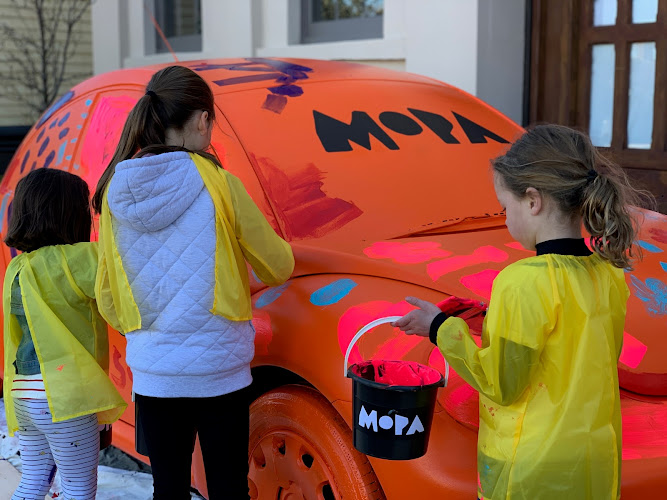
MoPA: Museum of Play and Art
About MoPA: Museum of Play and Art
Description
MoPA: Museum of Play and Art in Geelong is an award-winning children's museum and indoor playground that champions play-based learning, and it wears that mission proudly. Located in the heart of Geelong, this place has carved out a reputation across Australia for mixing imaginative exhibits, curated art activities, and practical services for families — yes, including coffee that doesn't taste like regret. While many family attractions are noisy and scattershot, MoPA manages to feel deliberately designed: every nook, prop, and paint-splattered table has a purpose aimed at curiosity and creativity.
The museum caters primarily to children but it’s set up so adults don’t feel like they’re just standing guard. There are staged live performances for small audiences that delight toddlers and amuse older siblings, and rotating themed installations that change the vibe every few months. The spaces lean into tactile, sensory, and dramatic play — think puppet theaters, costume corners, art studios with real materials, and scaled-building zones where kids can stack, construct, and sometimes delightfully collapse their own designs.
One of the things a frequent visitor points out is how MoPA balances chaos and calm. The open-play sections are lively and full of energy, sure, but there are quieter craft alcoves and reading nooks where caregivers can regroup with a hot drink. The onsite café and small restaurant area make it possible to spend a full morning or afternoon here without sprinting to the nearest fast-food joint. Practical stuff — clean restrooms, changing tables, and clear wayfinding — is thoughtfully placed, which parents will appreciate more than they expect.
A key differentiator is the museum’s approach to events and parties. MoPA doubles as a children's party service with curated party packages that take the stress off hosts. The party spaces are purpose-built, so the birthday chaos feels contained and — dare it be said — enjoyable. Workshops and guided art sessions are run by staff who actually know how to coax a messy masterpiece out of a group of sugar-fueled kids. For those who’ve hosted birthday parties at home, booking an event here often becomes a revelation: fewer snacks to manage, more fun to watch.
Accessibility is not an afterthought. There’s a wheelchair-accessible entrance, parking, and restrooms, and staff are used to assisting families with diverse needs. The museum is explicitly welcoming to LGBTQ+ families and positions itself as a transgender safe space — deliberate language and visible policies that matter when one is deciding whether an outing will be truly inclusive. This is reflected in the tone of signage, staff training, and programming that celebrates different family forms without turning it into a checklist.
Tickets to MoPA are limited and bookings are recommended on most days. It’s busy, and for good reason: the experience is well-reviewed by families and educators alike. Some days sell out, particularly school holidays and weekend slots, so advanced planning helps avoid disappointment. The admissions process itself is straightforward and the staff are generally cheerful, though naturally there are off days — a museum with as many visitors as MoPA will occasionally have hiccups. However, most guests leave with tired kids and smiling adults, and that’s the practical win here.
Visually, MoPA avoids being cartoonish; instead it opts for an accessible, slightly whimsical design language. Colors are bright but not blinding, textures are varied, and materials mostly feel robust — built to survive a thousand finger-paint sessions. The mix of permanent exhibits and temporary installations keeps repeat visits interesting. A child who adored building in the engineering corner a month ago might discover an interactive shadow-play exhibit on the next visit, and that variety keeps families coming back.
Programs at MoPA span free play, guided activities, and scheduled performances. Live shows are intimate and tailored to little attention spans, with storytelling and participatory moments that keep kids engaged without requiring adults to translate what's happening. The educational philosophy beneath it all is clear: learning through play, curiosity before correction, and fostering creative confidence rather than rote achievement.
There’s also a soft but distinct community feel. Local schools sometimes bring kids for curated sessions; parents trade tips in the café; and on quieter weekdays, a few artists-in-residence might be sketching or leading a workshop. MoPA functions as both a tourist draw and a neighborhood hangout — save for the fact that tourists should remember to book ahead, which no local will ever tire of repeating.
It’s not perfect. Any public venue that welcomes young children will encounter noise, occasional tantrums, and the inevitability of spilled snacks. Some visitors have noted uneven experiences on busy days: longer waits for workshops, packed play zones, and a few logistical strains. But the overwhelmingly positive reports outnumber the gripes by a fair margin; the institution’s reputation is built on repeatable good experiences and a core team that understands the dynamics of family play.
For travelers looking to combine culture with a kid-friendly stop in Geelong, MoPA is a smart pick. It offers more than just a place to let kids burn off energy — it can be an introduction to art and making that feels playful rather than didactic. Educators who travel through often single it out as a model of how museums can engage very young audiences without dumbing anything down. And yes, adults will sometimes leave thinking more creatively themselves, which is a delightful, unintended side effect.
Insider tip from many return visitors: timing matters. Early morning sessions tend to be calmer and are great for babies and toddlers who get overstimulated easily. Late afternoons can be pleasantly mellow on weekdays. During school holidays, however, expect a carnival atmosphere — and book in advance. Parents who’ve learned to pack an emergency snack and a small surprise toy tend to enjoy the day more; those who don’t often find themselves improvising amidst the delightful chaos.
MoPA’s appeal extends to those planning group visits or birthday celebrations. The party-service options are deliberately practical: thematic choices, trained facilitators, and contained spaces that keep adults sane. For smaller groups or family reunions, the museum’s programming can be scaled to duration and age range, which is handy when a clan includes kids from toddlers to pre-teens.
Finally, while MoPA is a destination in its own right, it pairs well with a broader Geelong itinerary. A morning here followed by a nearby riverside walk or a relaxed lunch in town makes for an achievable family day. The museum’s centrality to local culture — small-scale, intentional, and often surprising — is what makes it stand out. Travelers who enjoy experiences that feel curated but not precious will find MoPA refreshing: it takes play seriously and treats children as full participants in the cultural life of a city.
All in all, MoPA: Museum of Play and Art is the kind of place that makes people say, I’m glad we came. It’s practical, thoughtful, and energetic, with a clear focus on playful learning. Families planning a visit should book ahead, wear comfortable shoes (for both kids and adults), and prepare for an afternoon where imagination leads the way. If the goal is an outing that’s equal parts learning, laughter, and a little creative mess, MoPA delivers — often with a smile and always with purpose.
Key Features
More Details
Updated August 30, 2025
Table of Contents
Description
MoPA: Museum of Play and Art in Geelong is an award-winning children’s museum and indoor playground that champions play-based learning, and it wears that mission proudly. Located in the heart of Geelong, this place has carved out a reputation across Australia for mixing imaginative exhibits, curated art activities, and practical services for families — yes, including coffee that doesn’t taste like regret. While many family attractions are noisy and scattershot, MoPA manages to feel deliberately designed: every nook, prop, and paint-splattered table has a purpose aimed at curiosity and creativity.
The museum caters primarily to children but it’s set up so adults don’t feel like they’re just standing guard. There are staged live performances for small audiences that delight toddlers and amuse older siblings, and rotating themed installations that change the vibe every few months. The spaces lean into tactile, sensory, and dramatic play — think puppet theaters, costume corners, art studios with real materials, and scaled-building zones where kids can stack, construct, and sometimes delightfully collapse their own designs.
One of the things a frequent visitor points out is how MoPA balances chaos and calm. The open-play sections are lively and full of energy, sure, but there are quieter craft alcoves and reading nooks where caregivers can regroup with a hot drink. The onsite café and small restaurant area make it possible to spend a full morning or afternoon here without sprinting to the nearest fast-food joint. Practical stuff — clean restrooms, changing tables, and clear wayfinding — is thoughtfully placed, which parents will appreciate more than they expect.
A key differentiator is the museum’s approach to events and parties. MoPA doubles as a children’s party service with curated party packages that take the stress off hosts. The party spaces are purpose-built, so the birthday chaos feels contained and — dare it be said — enjoyable. Workshops and guided art sessions are run by staff who actually know how to coax a messy masterpiece out of a group of sugar-fueled kids. For those who’ve hosted birthday parties at home, booking an event here often becomes a revelation: fewer snacks to manage, more fun to watch.
Accessibility is not an afterthought. There’s a wheelchair-accessible entrance, parking, and restrooms, and staff are used to assisting families with diverse needs. The museum is explicitly welcoming to LGBTQ+ families and positions itself as a transgender safe space — deliberate language and visible policies that matter when one is deciding whether an outing will be truly inclusive. This is reflected in the tone of signage, staff training, and programming that celebrates different family forms without turning it into a checklist.
Tickets to MoPA are limited and bookings are recommended on most days. It’s busy, and for good reason: the experience is well-reviewed by families and educators alike. Some days sell out, particularly school holidays and weekend slots, so advanced planning helps avoid disappointment. The admissions process itself is straightforward and the staff are generally cheerful, though naturally there are off days — a museum with as many visitors as MoPA will occasionally have hiccups. However, most guests leave with tired kids and smiling adults, and that’s the practical win here.
Visually, MoPA avoids being cartoonish; instead it opts for an accessible, slightly whimsical design language. Colors are bright but not blinding, textures are varied, and materials mostly feel robust — built to survive a thousand finger-paint sessions. The mix of permanent exhibits and temporary installations keeps repeat visits interesting. A child who adored building in the engineering corner a month ago might discover an interactive shadow-play exhibit on the next visit, and that variety keeps families coming back.
Programs at MoPA span free play, guided activities, and scheduled performances. Live shows are intimate and tailored to little attention spans, with storytelling and participatory moments that keep kids engaged without requiring adults to translate what’s happening. The educational philosophy beneath it all is clear: learning through play, curiosity before correction, and fostering creative confidence rather than rote achievement.
There’s also a soft but distinct community feel. Local schools sometimes bring kids for curated sessions; parents trade tips in the café; and on quieter weekdays, a few artists-in-residence might be sketching or leading a workshop. MoPA functions as both a tourist draw and a neighborhood hangout — save for the fact that tourists should remember to book ahead, which no local will ever tire of repeating.
It’s not perfect. Any public venue that welcomes young children will encounter noise, occasional tantrums, and the inevitability of spilled snacks. Some visitors have noted uneven experiences on busy days: longer waits for workshops, packed play zones, and a few logistical strains. But the overwhelmingly positive reports outnumber the gripes by a fair margin; the institution’s reputation is built on repeatable good experiences and a core team that understands the dynamics of family play.
For travelers looking to combine culture with a kid-friendly stop in Geelong, MoPA is a smart pick. It offers more than just a place to let kids burn off energy — it can be an introduction to art and making that feels playful rather than didactic. Educators who travel through often single it out as a model of how museums can engage very young audiences without dumbing anything down. And yes, adults will sometimes leave thinking more creatively themselves, which is a delightful, unintended side effect.
Insider tip from many return visitors: timing matters. Early morning sessions tend to be calmer and are great for babies and toddlers who get overstimulated easily. Late afternoons can be pleasantly mellow on weekdays. During school holidays, however, expect a carnival atmosphere — and book in advance. Parents who’ve learned to pack an emergency snack and a small surprise toy tend to enjoy the day more; those who don’t often find themselves improvising amidst the delightful chaos.
MoPA’s appeal extends to those planning group visits or birthday celebrations. The party-service options are deliberately practical: thematic choices, trained facilitators, and contained spaces that keep adults sane. For smaller groups or family reunions, the museum’s programming can be scaled to duration and age range, which is handy when a clan includes kids from toddlers to pre-teens.
Finally, while MoPA is a destination in its own right, it pairs well with a broader Geelong itinerary. A morning here followed by a nearby riverside walk or a relaxed lunch in town makes for an achievable family day. The museum’s centrality to local culture — small-scale, intentional, and often surprising — is what makes it stand out. Travelers who enjoy experiences that feel curated but not precious will find MoPA refreshing: it takes play seriously and treats children as full participants in the cultural life of a city.
All in all, MoPA: Museum of Play and Art is the kind of place that makes people say, I’m glad we came. It’s practical, thoughtful, and energetic, with a clear focus on playful learning. Families planning a visit should book ahead, wear comfortable shoes (for both kids and adults), and prepare for an afternoon where imagination leads the way. If the goal is an outing that’s equal parts learning, laughter, and a little creative mess, MoPA delivers — often with a smile and always with purpose.
Key Highlights
MoPA: Museum of Play and Art
Location
Places to Stay Near MoPA: Museum of Play and Art
Find and Book a Tour
Explore More Travel Guides
No reviews found! Be the first to review!
Traveler Reviews for MoPA: Museum of Play and Art
There are no reviews yet. Be the first one to write one.
Have you visited MoPA: Museum of Play and Art? Help other travelers by sharing your review.
You Might Also Like
Floating Christmas Tree & Light Show
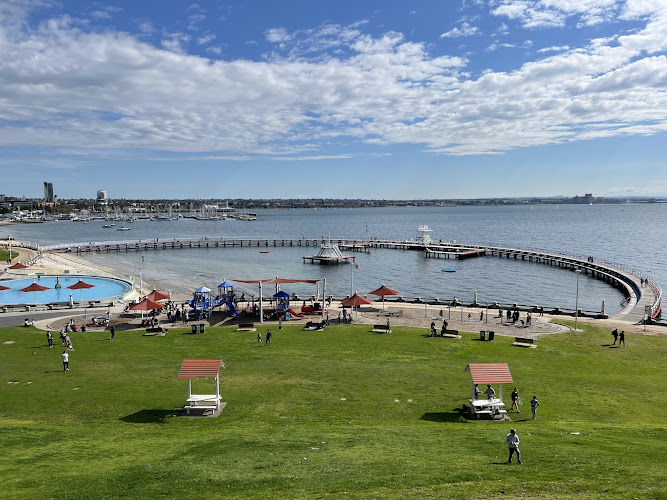
Eastern Beach Reserve
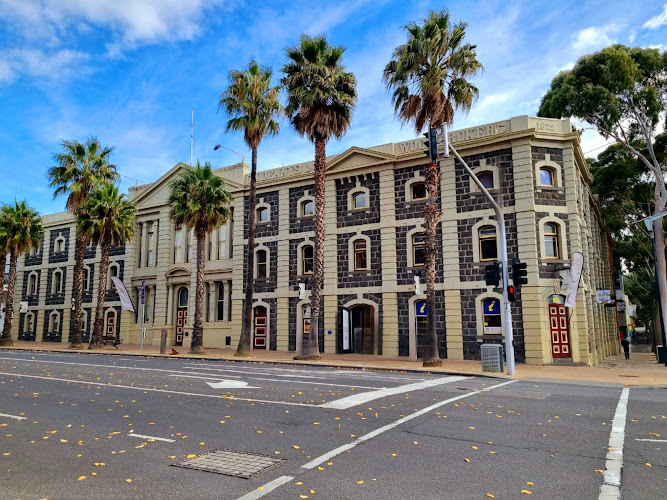
National Wool Museum
Find Accommodations Nearby
Recommended Tours & Activities
Visitor Reviews
There are no reviews yet. Be the first one to write one.
Share Your Experience
Have you visited MoPA: Museum of Play and Art? Help other travelers by leaving a review.