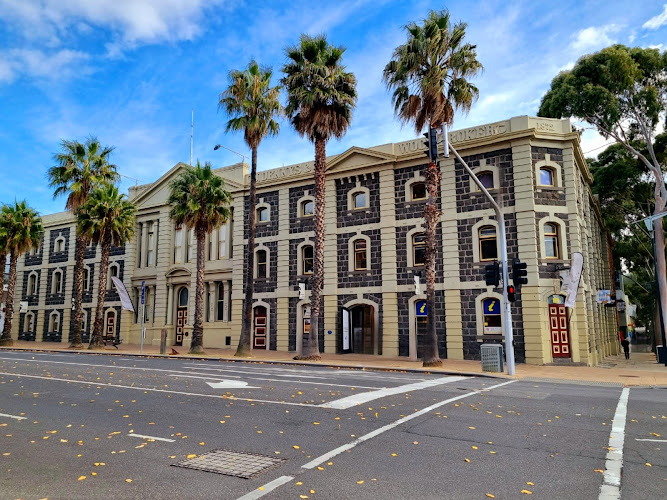
It mixes quiet, archival displays about the technology and trade with lively, hands-on exhibits where visitors can actually touch fibers, try simple loom techniques and see how raw fleece becomes finished cloth. There is a curious comfort in the place — the faint, earthy scent of lanolin, the click of a shuttle, the hum of an old spinning wheel — and for many people that sensory detail is the thing they remember most.
This venue doubles as a conference centre and community hub, so it often feels less like a museum and more like a working building: workshops are in session, volunteers are laying out swatches, and live performances pop up in the courtyard or small performance space. It also runs volunteer programs, offers onsite services like guided tours and workshops, and has a small restaurant and a gift shop stocked with locally made woollen goods — sweaters, scarves, rugs, and a few delightful oddities that are hard to find elsewhere.
Visitors generally find the museum approachable. The exhibits present technical history — carding machines, wartime textile production, export routes — in a way that non-specialists can follow, and the hands-on components are genuinely satisfying. Families with children appreciate the kid-focused activities and the tactile nature of the displays. At the same time, the museum keeps enough depth for textile students, designers and craft historians who like the archival photos, original machinery and reference collections.
There is also room for critique. The museum’s layout occasionally feels like it was added on over time, so some visitors wander and then discover smaller rooms that contain excellent material. And while the live performances and events enrich the calendar, they sometimes mean the quieter exhibit spaces are busier than expected. Overall, most people walk away impressed and with a new appreciation for wool as an industrial and artistic material, though expectations should be managed if a highly curated, white-glove museum experience is what you seek.
Key Features
- Accessibility features: wheelchair accessible entrance, parking and restrooms are available, making the site easier for visitors with mobility needs.
- Free parking lot for visitors arriving by car — a practical plus when exploring the city.
Best Time to Visit
Timing your visit can make a real difference. Weekdays, especially mid-mornings after opening, are usually quieter; that’s when the hands-on stations feel spacious and you’ll get better chances to chat with staff. Weekends tend to be busier because workshops and live performances are scheduled then, and families arrive in greater numbers. If you want to catch a workshop or live performance, check the events calendar and book in advance — the small class sizes mean spots can fill quickly.
Seasons matter, too. Mild months in spring and autumn are ideal if we’re talking about pairing the museum visit with a stroll through nearby streets or pop-up markets. Summer brings more tourists to the city, and school holidays will swell the numbers — which is fine if you’re into a lively atmosphere, less good if you seek quiet reflection. Expect to spend 90 minutes for a standard visit; if you plan to join a workshop, allow half a day or more.
How to Get There
The National Wool Museum sits within easy reach of Geelong’s central precinct. For people driving in from surrounding areas, it’s about an hour’s drive from the major metropolitan centres, depending on traffic. There is free parking on site, which removes a lot of the usual downtown parking stress — a small mercy, honestly. The parking area includes wheelchair accessible spaces close to the entrance.
Public transport is straightforward. Geelong’s main train station and central bus stops are a short walk away, and most visitors find the walk pleasant and flat. If you prefer not to walk, local buses drop close to the city centre and taxis or ride-shares will take you door-to-door. For cyclists, the central city routes are manageable and the museum’s location makes it easy to combine the visit with a bike ride around the waterfront or nearby laneways.
If arriving by tour or coach, the museum staff can usually advise on the best drop-off points and coach parking — worth a call ahead if bringing a larger group. Conference visitors will find loading zones and accessible entry points to move equipment smoothly into the event spaces.
Tips for Visiting
Practical, tested tips that make visits smoother and more fun:
- Book workshops in advance. Small class sizes mean they sell out. If the site’s calendar doesn’t list a workshop on the date you want, phone or email to ask — sometimes spots open up or new sessions are added.
- Arrive early if you want good photos inside the galleries. Light is variable and some of the more atmospheric rooms are best photographed without crowds.
- Bring comfortable shoes. The museum mixes older floorboards and modern ramps, and there’s a fair bit of wandering from room to room. Also, those machines are worth a slow walk-around.
- Ask about volunteer-led tours. These are often run by passionate locals with great stories and details that don’t make it into the panels; they’re a lovely way to connect with the place’s human history.
- Try the restaurant. It’s handy and casual — not gourmet fine dining, but the right kind of place for a steady lunch after a hands-on workshop. If you have dietary needs, call ahead to make sure options will be available.
- Allow time for the gift shop. The locally made woollen goods are excellent quality and often unique. If you’re on the hunt for a special souvenir or a sustainable textile purchase, this is a great place to find it.
- Check accessibility needs before you go. The museum has wheelchair accessible entrances, parking and restrooms, but if a very specific accommodation is required, the staff are generally helpful when given notice.
- Plan for kids. The museum is good for children who like to touch and try things, but little ones may tire quickly. Pack a small activity or schedule a break in the restaurant; workshops aimed at children can be both educational and exhausting for them (but in a good way).
- Expect mixed gallery sizes. Some rooms are airy and modern, others are compact and intimate. If someone in your group prefers open spaces, steer them to the larger exhibition halls first.
- Combine visits with other city attractions. The museum sits in a lively area with cafes, markets and historic streets nearby — a decent plan is museum + lunch + a short stroll to round out the day.
- If attending an event or conference, confirm AV and setup needs in advance. The conference centre is flexible but specific audio-visual or staging requirements are better sorted early.
Finally, a small personal note: people often underestimate how calming a textile museum can be. Maybe it’s the rhythm of looms or the slow, tactile nature of wool itself, but there’s a grounding quality to watching centuries of craft on display. The museum isn’t a flashy blockbuster attraction; it’s more like a well-loved local neighbour that happens to hold a fascinating industrial tale. If you go with curiosity and a little patience, you’ll likely leave with a small piece of textile wisdom, a nicer appreciation for garments you take for granted, and perhaps a cozy scarf bought in the gift shop. And yes, you may catch yourself sniffing the wool—don’t worry, that’s normal.
 Real Journey Travels