
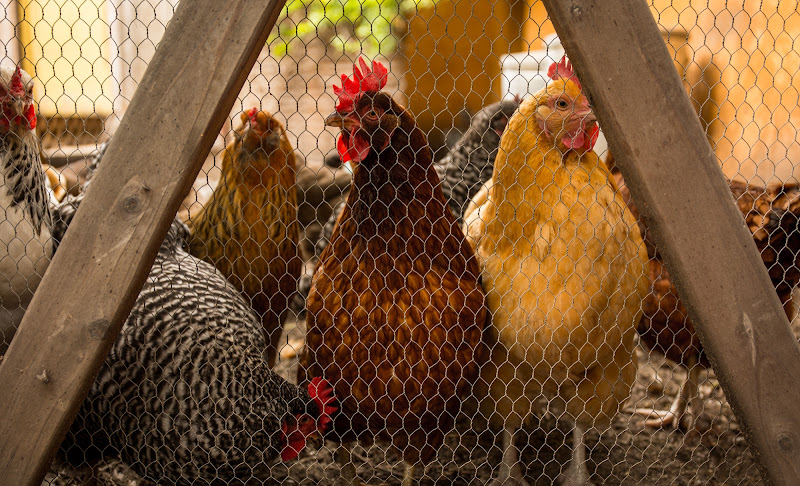
Moonwater Farm
About Moonwater Farm
Description
Moonwater Farm is a rare gem tucked right inside the urban sprawl, offering a breath of fresh air—literally and figuratively—to anyone craving a break from the concrete jungle. It’s not your typical farm with rows of crops stretching endlessly into the horizon. No, this place is an urban oasis where city dwellers can roll up their sleeves and get their hands dirty, learn a thing or two about sustainable farming, and reconnect with nature without having to drive for hours. It’s like a little patch of calm in the middle of the city’s chaos.
What really sets Moonwater Farm apart is its focus on education and community. They’re not just about growing vegetables or raising chickens (though they do that too). They offer extended learning classes and workshops that dive deep into topics like organic gardening, composting, beekeeping, and even fermentation. If you’ve ever wanted to make your own sauerkraut or learn how to nurture pollinators in your backyard, this is the place to be. The farm hosts events that bring together folks who are curious about sustainability, food justice, and living closer to the earth, all while enjoying a space that feels surprisingly peaceful for being smack dab in the city.
Accessibility is clearly a priority here, which is refreshing. The entrance and parking lot are wheelchair accessible, making it easier for everyone to enjoy the farm’s offerings without hassle. That’s something you don’t always see at places like this, so it’s a big plus.
One thing to keep in mind is that while many visitors rave about the hands-on experiences and the welcoming vibe, the farm’s urban location means it can feel a bit compact compared to sprawling rural farms. But honestly, that’s part of its charm. It’s a little green pocket where you can slow down, learn something new, and maybe even make a few new friends who share your passion for the earth.
Whether you’re a seasoned gardener, an eco-curious city dweller, or someone just looking for a unique weekend activity, Moonwater Farm offers a blend of education, community, and nature that’s hard to find elsewhere in the city. It’s the kind of place that stays with you long after you leave, inspiring you to bring a bit of that farm magic back into your daily life.
Key Features
- Extended learning classes covering organic gardening, composting, beekeeping, and fermentation
- Workshops and events focused on sustainability, food justice, and urban agriculture
- Hands-on experiences that let you get involved with planting, harvesting, and caring for farm animals
- Wheelchair accessible entrance and parking, ensuring inclusivity for all visitors
- Urban location providing easy access without the need for long travel outside the city
- Community-oriented atmosphere that encourages connection and shared learning
- Seasonal events that highlight local food and sustainable living practices
- Opportunities to volunteer and engage more deeply with the farm’s mission
Best Time to Visit
If you’re wondering when to swing by Moonwater Farm, spring through early fall is your best bet. That’s when the farm is buzzing with activity—plants are growing, workshops are in full swing, and the weather is just right for spending time outdoors. Late spring is especially magical because you’ll catch the farm in full bloom, with fresh greens ready for harvest and bees buzzing around the flowers.
Summer can get warm, but the farm’s shaded areas and occasional breezes make it comfortable enough to linger. Plus, summer often brings special events like farm-to-table dinners or outdoor classes that are worth planning your visit around. Fall is another favorite season here, with harvest festivals and workshops on preserving your bounty for the winter. It’s a great time to learn about fermentation or canning if that’s your jam.
Winter visits are quieter, with fewer activities, but if you’re looking for a peaceful stroll or some reflective time surrounded by bare branches and the scent of earth, it can be surprisingly beautiful. Just bundle up and maybe grab a hot drink afterward.
How to Get There
Getting to Moonwater Farm is pretty straightforward, especially if you’re used to navigating city streets. Since it’s located within the urban area, public transportation options are usually available nearby, making it accessible even if you don’t have a car. Biking is also a great option—many visitors appreciate how easy it is to combine a ride with a visit to the farm.
If you’re driving, keep in mind that parking is available and wheelchair accessible, but spaces might be limited during popular events. Arriving early or carpooling with friends is a smart move. The farm’s location means you won’t have to deal with long, winding country roads, which is a relief for those of us who get a bit queasy on those.
Walking over from nearby neighborhoods can turn your visit into a mini urban adventure. You get to experience the city’s rhythm before stepping into the slower, greener world of the farm. It’s a nice contrast that makes your time there feel even more special.
Tips for Visiting
Here’s where I get a little personal because, well, I’ve been there, done that, and learned a few things the hard way. First off, wear comfy clothes you don’t mind getting a little dirty. This isn’t a place for your Sunday best. You’ll want shoes that can handle a bit of mud or uneven ground because, let’s be honest, farms aren’t always perfectly smooth underfoot.
Bring a water bottle and maybe a snack—sometimes the workshops run longer than expected, and you’ll want to stay hydrated and energized. Oh, and sunscreen. Don’t forget sunscreen. Even if it’s cloudy, those UV rays sneak in.
Sign up for a class or workshop in advance if you can. Moonwater Farm’s events tend to fill up quickly, especially the popular ones like beekeeping or fermentation classes. It’s a bummer to show up all excited only to find out it’s full. Trust me, I’ve been there.
Don’t be shy about chatting with the staff and other visitors. The community vibe is one of the best parts of Moonwater Farm, and people are usually more than happy to share tips, stories, or even a little farming wisdom. You might just walk away with a new friend or two.
Lastly, keep an open mind. Whether you’re a total newbie or a seasoned green thumb, there’s always something new to learn or a fresh perspective to gain. The farm’s urban setting means it’s a bit of a hybrid space—part classroom, part garden, part social hub—and that mix is what makes it so interesting.
So, pack your curiosity, a sense of adventure, and maybe a little patience. Moonwater Farm isn’t just a visit; it’s an experience that invites you to slow down, connect, and get inspired to bring a bit of farm life into your own world.
Key Features
- Extended learning classes covering organic gardening, composting, beekeeping, and fermentation
- Workshops and events focused on sustainability, food justice, and urban agriculture
- Hands-on experiences that let you get involved with planting, harvesting, and caring for farm animals
- Wheelchair accessible entrance and parking, ensuring inclusivity for all visitors
- Urban location providing easy access without the need for long travel outside the city
- Community-oriented atmosphere that encourages connection and shared learning
- Seasonal events that highlight local food and sustainable living practices
- Opportunities to volunteer and engage more deeply with the farm’s mission
More Details
Updated July 16, 2025
Table of Contents
Description
Moonwater Farm is a rare gem tucked right inside the urban sprawl, offering a breath of fresh air—literally and figuratively—to anyone craving a break from the concrete jungle. It’s not your typical farm with rows of crops stretching endlessly into the horizon. No, this place is an urban oasis where city dwellers can roll up their sleeves and get their hands dirty, learn a thing or two about sustainable farming, and reconnect with nature without having to drive for hours. It’s like a little patch of calm in the middle of the city’s chaos.
What really sets Moonwater Farm apart is its focus on education and community. They’re not just about growing vegetables or raising chickens (though they do that too). They offer extended learning classes and workshops that dive deep into topics like organic gardening, composting, beekeeping, and even fermentation. If you’ve ever wanted to make your own sauerkraut or learn how to nurture pollinators in your backyard, this is the place to be. The farm hosts events that bring together folks who are curious about sustainability, food justice, and living closer to the earth, all while enjoying a space that feels surprisingly peaceful for being smack dab in the city.
Accessibility is clearly a priority here, which is refreshing. The entrance and parking lot are wheelchair accessible, making it easier for everyone to enjoy the farm’s offerings without hassle. That’s something you don’t always see at places like this, so it’s a big plus.
One thing to keep in mind is that while many visitors rave about the hands-on experiences and the welcoming vibe, the farm’s urban location means it can feel a bit compact compared to sprawling rural farms. But honestly, that’s part of its charm. It’s a little green pocket where you can slow down, learn something new, and maybe even make a few new friends who share your passion for the earth.
Whether you’re a seasoned gardener, an eco-curious city dweller, or someone just looking for a unique weekend activity, Moonwater Farm offers a blend of education, community, and nature that’s hard to find elsewhere in the city. It’s the kind of place that stays with you long after you leave, inspiring you to bring a bit of that farm magic back into your daily life.
Key Features
- Extended learning classes covering organic gardening, composting, beekeeping, and fermentation
- Workshops and events focused on sustainability, food justice, and urban agriculture
- Hands-on experiences that let you get involved with planting, harvesting, and caring for farm animals
- Wheelchair accessible entrance and parking, ensuring inclusivity for all visitors
- Urban location providing easy access without the need for long travel outside the city
- Community-oriented atmosphere that encourages connection and shared learning
- Seasonal events that highlight local food and sustainable living practices
- Opportunities to volunteer and engage more deeply with the farm’s mission
Best Time to Visit
If you’re wondering when to swing by Moonwater Farm, spring through early fall is your best bet. That’s when the farm is buzzing with activity—plants are growing, workshops are in full swing, and the weather is just right for spending time outdoors. Late spring is especially magical because you’ll catch the farm in full bloom, with fresh greens ready for harvest and bees buzzing around the flowers.
Summer can get warm, but the farm’s shaded areas and occasional breezes make it comfortable enough to linger. Plus, summer often brings special events like farm-to-table dinners or outdoor classes that are worth planning your visit around. Fall is another favorite season here, with harvest festivals and workshops on preserving your bounty for the winter. It’s a great time to learn about fermentation or canning if that’s your jam.
Winter visits are quieter, with fewer activities, but if you’re looking for a peaceful stroll or some reflective time surrounded by bare branches and the scent of earth, it can be surprisingly beautiful. Just bundle up and maybe grab a hot drink afterward.
How to Get There
Getting to Moonwater Farm is pretty straightforward, especially if you’re used to navigating city streets. Since it’s located within the urban area, public transportation options are usually available nearby, making it accessible even if you don’t have a car. Biking is also a great option—many visitors appreciate how easy it is to combine a ride with a visit to the farm.
If you’re driving, keep in mind that parking is available and wheelchair accessible, but spaces might be limited during popular events. Arriving early or carpooling with friends is a smart move. The farm’s location means you won’t have to deal with long, winding country roads, which is a relief for those of us who get a bit queasy on those.
Walking over from nearby neighborhoods can turn your visit into a mini urban adventure. You get to experience the city’s rhythm before stepping into the slower, greener world of the farm. It’s a nice contrast that makes your time there feel even more special.
Tips for Visiting
Here’s where I get a little personal because, well, I’ve been there, done that, and learned a few things the hard way. First off, wear comfy clothes you don’t mind getting a little dirty. This isn’t a place for your Sunday best. You’ll want shoes that can handle a bit of mud or uneven ground because, let’s be honest, farms aren’t always perfectly smooth underfoot.
Bring a water bottle and maybe a snack—sometimes the workshops run longer than expected, and you’ll want to stay hydrated and energized. Oh, and sunscreen. Don’t forget sunscreen. Even if it’s cloudy, those UV rays sneak in.
Sign up for a class or workshop in advance if you can. Moonwater Farm’s events tend to fill up quickly, especially the popular ones like beekeeping or fermentation classes. It’s a bummer to show up all excited only to find out it’s full. Trust me, I’ve been there.
Don’t be shy about chatting with the staff and other visitors. The community vibe is one of the best parts of Moonwater Farm, and people are usually more than happy to share tips, stories, or even a little farming wisdom. You might just walk away with a new friend or two.
Lastly, keep an open mind. Whether you’re a total newbie or a seasoned green thumb, there’s always something new to learn or a fresh perspective to gain. The farm’s urban setting means it’s a bit of a hybrid space—part classroom, part garden, part social hub—and that mix is what makes it so interesting.
So, pack your curiosity, a sense of adventure, and maybe a little patience. Moonwater Farm isn’t just a visit; it’s an experience that invites you to slow down, connect, and get inspired to bring a bit of farm life into your own world.
Key Highlights
- Extended learning classes covering organic gardening, composting, beekeeping, and fermentation
- Workshops and events focused on sustainability, food justice, and urban agriculture
- Hands-on experiences that let you get involved with planting, harvesting, and caring for farm animals
- Wheelchair accessible entrance and parking, ensuring inclusivity for all visitors
- Urban location providing easy access without the need for long travel outside the city
- Community-oriented atmosphere that encourages connection and shared learning
- Seasonal events that highlight local food and sustainable living practices
- Opportunities to volunteer and engage more deeply with the farm’s mission
Location
Places to Stay Near Moonwater Farm
Find and Book a Tour
Explore More Travel Guides
No reviews found! Be the first to review!
Traveler Reviews for Moonwater Farm
There are no reviews yet. Be the first one to write one.
Have you visited Moonwater Farm? Help other travelers by sharing your review.
You Might Also Like
Dominguez Rancho Adobe Museum
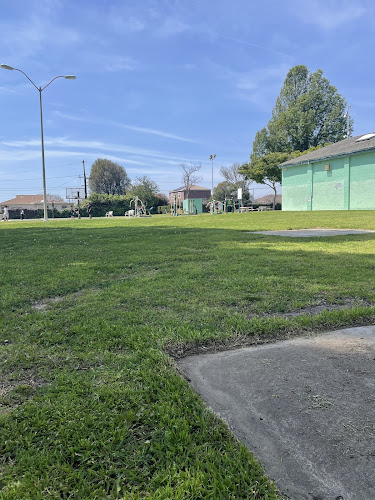
Burrell Mac Donald Park
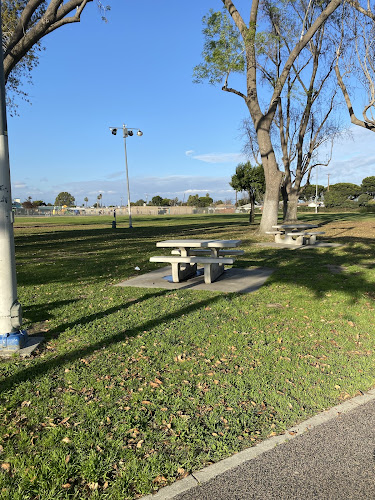
Kelly Park
Find Accommodations Nearby
Recommended Tours & Activities
Visitor Reviews
There are no reviews yet. Be the first one to write one.
Share Your Experience
Have you visited Moonwater Farm? Help other travelers by leaving a review.