Monument to the heroes of World War I
About Monument to the heroes of World War I
Description
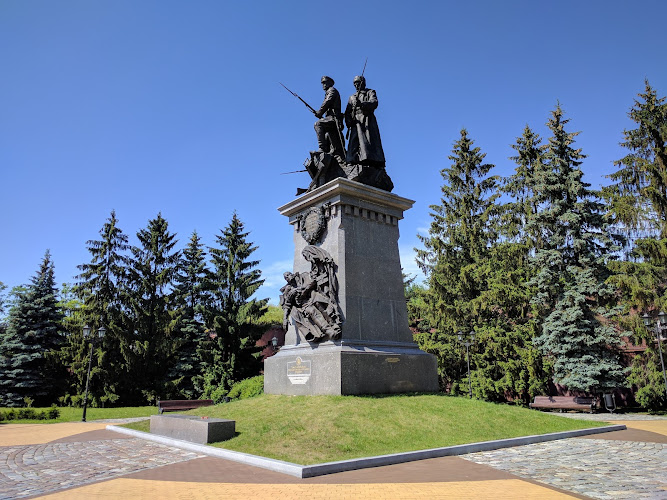
The Monument to the Heroes of World War I stands as a powerful reminder of one of history's most devastating conflicts, a war that changed the world forever and took millions of lives across continents. When you first approach this memorial, there's something deeply moving about the atmosphere that surrounds it—it's not just stone and metal, but a tangible connection to the past that makes you pause and reflect on what those soldiers endured. I've visited quite a few war memorials over the years, and what strikes me most about this particular monument is how it manages to convey both the tragedy and the heroism of that era. The Great War, as it was known before an even more terrible conflict came along, involved soldiers who often didn't fully understand the political machinations that sent them into battle. Yet they went anyway, driven by duty, patriotism, or sometimes just the social pressure of their time. This monument honors that sacrifice without glorifying war itself—a delicate balance that's harder to achieve than you might think. Travelers who make their way here will find themselves in a space that encourages contemplation. The monument serves multiple purposes: it's a place of remembrance for locals, a historical landmark for students of military history, and increasingly, a destination for tourists who want to understand the full scope of World War I's impact beyond the Western Front that dominates most English-language narratives. And honestly, that broader perspective is something we desperately need more of in our understanding of global conflicts. The structure itself commands attention without being overly ostentatious. There's a dignity to its design that speaks to the sensibilities of the early 20th century, when memorials were built to last generations and carry weight—both literally and figuratively. The vast majority of visitors leave deeply impressed by their experience here, with the memorial maintaining an exceptional reputation among those who've taken the time to visit.Key Features
The Monument to the Heroes of World War I offers several distinctive elements that make it worth including in your travel itinerary:- Architectural Significance: The monument showcases design elements typical of the interwar period, when countries were grappling with how to memorialize unprecedented loss. The craftsmanship reflects both artistic merit and solemn purpose.
- Historical Context: This memorial provides insight into how World War I affected regions beyond the commonly discussed battlefields of France and Belgium. It's a window into lesser-known aspects of the conflict that shaped nations.
- Symbolic Elements: Look closely at the details—sculptural components, inscriptions, and decorative features all carry meaning. These weren't arbitrary design choices but deliberate symbols chosen to convey specific messages about sacrifice and valor.
- Accessible Location: The monument is situated in an area that allows visitors to approach respectfully while also being part of the surrounding urban or natural landscape, creating a contemplative space that doesn't feel isolated from everyday life.
- Educational Value: For travelers interested in military history or early 20th-century European affairs, the monument serves as a tangible teaching tool that brings textbook knowledge into three-dimensional reality.
- Photography Opportunities: The memorial's design and setting create compelling visual compositions, though visitors should always be mindful of the solemn nature of the site when taking photographs.
- Cultural Insight: Understanding how different cultures memorialize their war dead tells you a lot about their values, their relationship with history, and how they process collective trauma.
Best Time to Visit
Timing your visit to the Monument to the Heroes of World War I can significantly affect your experience, and I've learned over years of travel that the "best" time really depends on what you're looking for. If you want the most profound experience, consider visiting on November 11th—Armistice Day—when commemorative ceremonies often take place. The atmosphere on this date is particularly powerful, with local veterans' organizations, government officials, and community members gathering to honor the fallen. But fair warning: you won't be alone, and the crowds can be substantial. I remember attending a similar ceremony at another war memorial once, and while the presence of so many people was moving in its own way, it also meant limited access and difficulty getting close to the monument itself. For a more solitary, contemplative visit, early morning hours on weekdays typically offer the best opportunity. There's something special about experiencing these memorials in relative quiet, when you can actually hear yourself think and process the weight of what you're seeing. The soft light of dawn also creates beautiful shadows and highlights on the stonework that you simply won't see at midday. Weather-wise, spring and autumn generally provide the most comfortable conditions for standing outside and really taking your time with the monument. Summer can work fine, though depending on the location's climate, intense heat might make extended visits uncomfortable. Winter visits have their own appeal—the stark, cold atmosphere can actually enhance the somber mood—but dress warmly because you'll want to spend more time there than you initially plan. Avoid visiting during heavy rain if possible, not just for your own comfort but because rushing through due to weather defeats the purpose. These memorials deserve unhurried attention.How to Get There
Getting to the Monument to the Heroes of World War I is generally straightforward, though as with any travel destination, a bit of planning helps ensure a smooth journey. Public transportation often provides the most practical access for travelers without rental cars. Depending on the monument's specific location, bus routes or metro lines typically serve the area, with stops within reasonable walking distance. Check local transit apps or websites before your visit to identify the most direct routes and confirm schedules—weekend and holiday service can differ significantly from weekday timetables, and there's nothing quite as frustrating as discovering you just missed the last bus. For those driving, parking availability varies but is usually accessible in the vicinity. Monument sites often have designated parking areas or are located near public parking facilities. Just remember that on commemoration days or during special events, parking becomes significantly more challenging and you might need to arrive extra early or park further away. Walking to the monument can be pleasant if you're staying nearby, and it gives you a chance to experience the surrounding neighborhood or landscape. I'm a big believer in approaching memorials on foot when possible—it creates a transition period between everyday tourism and the more reflective mindset appropriate for visiting war memorials. Taxi services and ride-sharing apps work well for direct access, particularly if you're traveling with mobility concerns or simply prefer door-to-door convenience. The drivers are usually familiar with the monument and can drop you at the most convenient entry point. If you're planning a multi-site day of sightseeing, consider the monument's location in relation to other attractions you want to see. Many war memorials are positioned in areas with other historical or cultural sites nearby, allowing you to create an efficient itinerary that doesn't waste time backtracking across the city.Tips for Visiting
Making the most of your visit to the Monument to the Heroes of World War I requires more than just showing up. Here are practical insights that'll enhance your experience and help you avoid common mistakes. First and foremost, approach with appropriate respect. This isn't just another photo opportunity on your tourist checklist—it's a memorial to real people who died in horrific circumstances. I've seen too many travelers treating war memorials like theme park attractions, and it's honestly disrespectful. Keep your voice low, avoid inappropriate behavior, and remember that locals may have family connections to those being honored. Allocate more time than you think you'll need. A meaningful visit takes at least 30-45 minutes, and that's if you're moving at a decent pace. If you're someone who likes to read inscriptions, examine architectural details, or simply sit and reflect, plan for an hour or more. Rushing defeats the entire purpose. Bring or download historical context beforehand. While some monuments have informational plaques, many assume a baseline knowledge of World War I that not all visitors possess. Reading up on the specific battles, regiments, or historical events connected to the memorial will dramatically deepen your understanding and appreciation. And honestly, without that context, you're just looking at stone and metal without grasping their significance. Dress appropriately for both the weather and the setting. Comfortable walking shoes are essential, as you'll likely be standing on stone or concrete surfaces. Bring layers if visiting during transitional seasons, and don't forget sun protection for summer visits—there might not be much shade. Photography is generally permitted, but be thoughtful about it. Avoid selfies with big smiles—it's wildly inappropriate at a war memorial. If you want photos, focus on the monument itself, architectural details, or tasteful compositions that honor the memorial's purpose. And if there are other visitors present, particularly anyone who appears to be mourning or in deep reflection, give them space and privacy. Consider visiting as part of a broader exploration of World War I history in the region. Single memorials are powerful, but understanding the larger historical landscape—nearby battlefields, museums, or other related sites—creates a more comprehensive picture of the war's impact. Check for any special exhibitions, ceremonies, or events scheduled during your visit. These can provide additional context and meaning, though they also attract larger crowds as mentioned earlier. Finally, take a moment after your visit to process what you've seen. Grab a coffee at a nearby café and sit with your thoughts, or find a park bench where you can decompress. War memorials can affect people more deeply than expected, stirring up emotions about conflict, sacrifice, mortality, and the human capacity for both terrible violence and remarkable courage. That's not something you want to immediately rush away from to check off the next item on your itinerary. The Monument to the Heroes of World War I offers travelers an opportunity to connect with history in a tangible, emotional way that photographs and documentaries simply cannot replicate. It stands as testament to a conflict that shaped our modern world, and visiting it with intention and respect makes for one of those travel experiences that stays with you long after you've returned home.Key Features
- Key Features
- Best Time to Visit
- How to Get There
- Tips for Visiting
More Details
Updated March 30, 2026
Table of Contents
- Description
- Key Features
- Best Time to Visit
- How to Get There
- Tips for Visiting
- Key Highlights
- Location
- Places to Stay Near Monument to the heroes of World War I
- Find and Book a Tour
- Explore More Travel Guides
- Nearby Places You Might Like
- Traveler Reviews for Monument to the heroes of World War I
- Share Your Experience
Description
The Monument to the Heroes of World War I stands as a powerful reminder of one of history’s most devastating conflicts, a war that changed the world forever and took millions of lives across continents. When you first approach this memorial, there’s something deeply moving about the atmosphere that surrounds it—it’s not just stone and metal, but a tangible connection to the past that makes you pause and reflect on what those soldiers endured.
I’ve visited quite a few war memorials over the years, and what strikes me most about this particular monument is how it manages to convey both the tragedy and the heroism of that era. The Great War, as it was known before an even more terrible conflict came along, involved soldiers who often didn’t fully understand the political machinations that sent them into battle. Yet they went anyway, driven by duty, patriotism, or sometimes just the social pressure of their time. This monument honors that sacrifice without glorifying war itself—a delicate balance that’s harder to achieve than you might think.
Travelers who make their way here will find themselves in a space that encourages contemplation. The monument serves multiple purposes: it’s a place of remembrance for locals, a historical landmark for students of military history, and increasingly, a destination for tourists who want to understand the full scope of World War I’s impact beyond the Western Front that dominates most English-language narratives. And honestly, that broader perspective is something we desperately need more of in our understanding of global conflicts.
The structure itself commands attention without being overly ostentatious. There’s a dignity to its design that speaks to the sensibilities of the early 20th century, when memorials were built to last generations and carry weight—both literally and figuratively. The vast majority of visitors leave deeply impressed by their experience here, with the memorial maintaining an exceptional reputation among those who’ve taken the time to visit.
Key Features
The Monument to the Heroes of World War I offers several distinctive elements that make it worth including in your travel itinerary:
- Architectural Significance: The monument showcases design elements typical of the interwar period, when countries were grappling with how to memorialize unprecedented loss. The craftsmanship reflects both artistic merit and solemn purpose.
- Historical Context: This memorial provides insight into how World War I affected regions beyond the commonly discussed battlefields of France and Belgium. It’s a window into lesser-known aspects of the conflict that shaped nations.
- Symbolic Elements: Look closely at the details—sculptural components, inscriptions, and decorative features all carry meaning. These weren’t arbitrary design choices but deliberate symbols chosen to convey specific messages about sacrifice and valor.
- Accessible Location: The monument is situated in an area that allows visitors to approach respectfully while also being part of the surrounding urban or natural landscape, creating a contemplative space that doesn’t feel isolated from everyday life.
- Educational Value: For travelers interested in military history or early 20th-century European affairs, the monument serves as a tangible teaching tool that brings textbook knowledge into three-dimensional reality.
- Photography Opportunities: The memorial’s design and setting create compelling visual compositions, though visitors should always be mindful of the solemn nature of the site when taking photographs.
- Cultural Insight: Understanding how different cultures memorialize their war dead tells you a lot about their values, their relationship with history, and how they process collective trauma.
Best Time to Visit
Timing your visit to the Monument to the Heroes of World War I can significantly affect your experience, and I’ve learned over years of travel that the “best” time really depends on what you’re looking for.
If you want the most profound experience, consider visiting on November 11th—Armistice Day—when commemorative ceremonies often take place. The atmosphere on this date is particularly powerful, with local veterans’ organizations, government officials, and community members gathering to honor the fallen. But fair warning: you won’t be alone, and the crowds can be substantial. I remember attending a similar ceremony at another war memorial once, and while the presence of so many people was moving in its own way, it also meant limited access and difficulty getting close to the monument itself.
For a more solitary, contemplative visit, early morning hours on weekdays typically offer the best opportunity. There’s something special about experiencing these memorials in relative quiet, when you can actually hear yourself think and process the weight of what you’re seeing. The soft light of dawn also creates beautiful shadows and highlights on the stonework that you simply won’t see at midday.
Weather-wise, spring and autumn generally provide the most comfortable conditions for standing outside and really taking your time with the monument. Summer can work fine, though depending on the location’s climate, intense heat might make extended visits uncomfortable. Winter visits have their own appeal—the stark, cold atmosphere can actually enhance the somber mood—but dress warmly because you’ll want to spend more time there than you initially plan.
Avoid visiting during heavy rain if possible, not just for your own comfort but because rushing through due to weather defeats the purpose. These memorials deserve unhurried attention.
How to Get There
Getting to the Monument to the Heroes of World War I is generally straightforward, though as with any travel destination, a bit of planning helps ensure a smooth journey.
Public transportation often provides the most practical access for travelers without rental cars. Depending on the monument’s specific location, bus routes or metro lines typically serve the area, with stops within reasonable walking distance. Check local transit apps or websites before your visit to identify the most direct routes and confirm schedules—weekend and holiday service can differ significantly from weekday timetables, and there’s nothing quite as frustrating as discovering you just missed the last bus.
For those driving, parking availability varies but is usually accessible in the vicinity. Monument sites often have designated parking areas or are located near public parking facilities. Just remember that on commemoration days or during special events, parking becomes significantly more challenging and you might need to arrive extra early or park further away.
Walking to the monument can be pleasant if you’re staying nearby, and it gives you a chance to experience the surrounding neighborhood or landscape. I’m a big believer in approaching memorials on foot when possible—it creates a transition period between everyday tourism and the more reflective mindset appropriate for visiting war memorials.
Taxi services and ride-sharing apps work well for direct access, particularly if you’re traveling with mobility concerns or simply prefer door-to-door convenience. The drivers are usually familiar with the monument and can drop you at the most convenient entry point.
If you’re planning a multi-site day of sightseeing, consider the monument’s location in relation to other attractions you want to see. Many war memorials are positioned in areas with other historical or cultural sites nearby, allowing you to create an efficient itinerary that doesn’t waste time backtracking across the city.
Tips for Visiting
Making the most of your visit to the Monument to the Heroes of World War I requires more than just showing up. Here are practical insights that’ll enhance your experience and help you avoid common mistakes.
First and foremost, approach with appropriate respect. This isn’t just another photo opportunity on your tourist checklist—it’s a memorial to real people who died in horrific circumstances. I’ve seen too many travelers treating war memorials like theme park attractions, and it’s honestly disrespectful. Keep your voice low, avoid inappropriate behavior, and remember that locals may have family connections to those being honored.
Allocate more time than you think you’ll need. A meaningful visit takes at least 30-45 minutes, and that’s if you’re moving at a decent pace. If you’re someone who likes to read inscriptions, examine architectural details, or simply sit and reflect, plan for an hour or more. Rushing defeats the entire purpose.
Bring or download historical context beforehand. While some monuments have informational plaques, many assume a baseline knowledge of World War I that not all visitors possess. Reading up on the specific battles, regiments, or historical events connected to the memorial will dramatically deepen your understanding and appreciation. And honestly, without that context, you’re just looking at stone and metal without grasping their significance.
Dress appropriately for both the weather and the setting. Comfortable walking shoes are essential, as you’ll likely be standing on stone or concrete surfaces. Bring layers if visiting during transitional seasons, and don’t forget sun protection for summer visits—there might not be much shade.
Photography is generally permitted, but be thoughtful about it. Avoid selfies with big smiles—it’s wildly inappropriate at a war memorial. If you want photos, focus on the monument itself, architectural details, or tasteful compositions that honor the memorial’s purpose. And if there are other visitors present, particularly anyone who appears to be mourning or in deep reflection, give them space and privacy.
Consider visiting as part of a broader exploration of World War I history in the region. Single memorials are powerful, but understanding the larger historical landscape—nearby battlefields, museums, or other related sites—creates a more comprehensive picture of the war’s impact.
Check for any special exhibitions, ceremonies, or events scheduled during your visit. These can provide additional context and meaning, though they also attract larger crowds as mentioned earlier.
Finally, take a moment after your visit to process what you’ve seen. Grab a coffee at a nearby café and sit with your thoughts, or find a park bench where you can decompress. War memorials can affect people more deeply than expected, stirring up emotions about conflict, sacrifice, mortality, and the human capacity for both terrible violence and remarkable courage. That’s not something you want to immediately rush away from to check off the next item on your itinerary.
The Monument to the Heroes of World War I offers travelers an opportunity to connect with history in a tangible, emotional way that photographs and documentaries simply cannot replicate. It stands as testament to a conflict that shaped our modern world, and visiting it with intention and respect makes for one of those travel experiences that stays with you long after you’ve returned home.
Key Highlights
- Key Features
- Best Time to Visit
- How to Get There
- Tips for Visiting
Location
Places to Stay Near Monument to the heroes of World War I
Find and Book a Tour
Explore More Travel Guides
No reviews found! Be the first to review!
Monument to the heroes of World War I is a prominent attractions located in Kaliningrad.
Visit us at: Kaliningrad, Kaliningrad Oblast, Russia, 236022.
Traveler Reviews for Monument to the heroes of World War I
There are no reviews yet. Be the first one to write one.
Have you visited Monument to the heroes of World War I? Help other travelers by sharing your review.
Find Accommodations Nearby
Recommended Tours & Activities
Visitor Reviews
There are no reviews yet. Be the first one to write one.
Share Your Experience
Have you visited Monument to the heroes of World War I? Help other travelers by leaving a review.
