About B-413 Submarine

Description

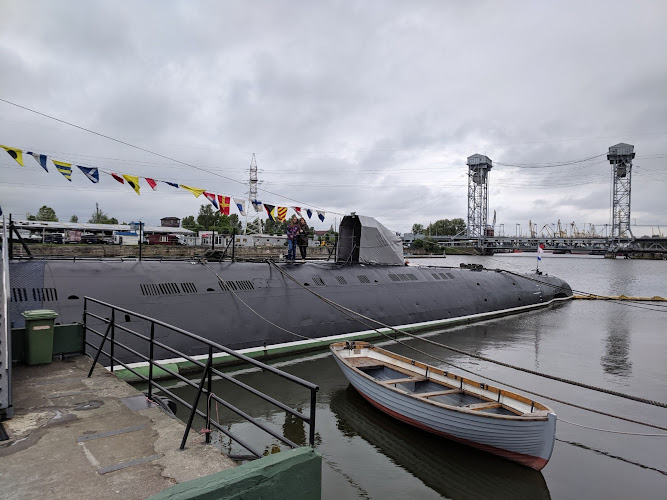
The B-413 Submarine stands as one of Russia's most fascinating maritime museums, offering visitors a rare opportunity to step inside an actual Cold War-era vessel that once prowled beneath the Baltic Sea. This Foxtrot-class diesel-electric submarine served the Soviet and Russian navies for over three decades, from 1968 until its retirement in 1999. Now permanently docked and converted into an immersive museum experience, it draws history enthusiasts, military buffs, and curious travelers from around the world who want to understand what life was really like for submariners during one of history's tensest geopolitical periods. I've always been captivated by military history, but there's something uniquely compelling about submarines – these self-contained worlds that operated in complete isolation beneath the waves for weeks or months at a time. The B-413 isn't your typical walk-through museum with glass cases and placards. Instead, you're navigating the actual cramped corridors where sailors lived, worked, and sometimes struggled to maintain their sanity in conditions most of us can't even imagine. What makes this submarine particularly special is its authenticity. The vessel has been preserved remarkably well, with much of its original equipment, instrumentation, and living quarters intact. Walking through the narrow passageways, you'll see the torpedo room, the command center with its vintage periscopes, the radio room filled with Cold War-era communication equipment, and the crew quarters where dozens of men slept in bunks stacked three high. The experience gives you an immediate appreciation for the dedication and toughness required of submarine crews. The B-413 was part of the Soviet Union's Project 641 submarine class, known to NATO as the Foxtrot class. These submarines were designed for anti-submarine warfare and could stay submerged for extended periods, though they needed to surface periodically to run their diesel engines and recharge batteries. During its operational years, this particular vessel participated in numerous patrols and exercises, serving as a critical component of Soviet naval power during the height of the Cold War.

Key Features

The B-413 Submarine offers visitors several remarkable features that make it stand out among maritime museums:
  • Authentic torpedo room displaying the original weapon systems and loading mechanisms that made these submarines formidable weapons of war
  • Fully preserved command center where the captain and officers made critical decisions, complete with functioning periscopes that visitors can actually look through
  • Original crew quarters demonstrating the incredibly tight living conditions sailors endured for months at sea, with bunks, personal storage areas, and communal spaces
  • Engine room showcasing the diesel-electric propulsion system that powered the submarine both on the surface and underwater
  • Navigation and radio communication rooms filled with period-accurate equipment, including encryption devices and radar systems
  • Galley and mess area where the crew prepared and consumed meals in a space barely larger than a closet
  • Medical bay equipped with basic supplies and equipment for handling emergencies far from any hospital
  • Educational exhibits throughout the vessel explaining submarine warfare tactics, daily life aboard, and the B-413's service history
  • External viewing opportunities allowing visitors to appreciate the submarine's impressive size and design from the outside before boarding
  • Guided tour options available in multiple languages with knowledgeable guides who sometimes include former submariners sharing firsthand stories

Best Time to Visit

Planning your visit to the B-413 Submarine requires some consideration of weather and tourist patterns. The museum operates year-round, but your experience can vary significantly depending on when you choose to go. Summer months from June through August bring the warmest weather and longest daylight hours, making it the peak tourist season. You'll encounter larger crowds during this period, and tours can feel quite packed – which, honestly, adds to the claustrophobic submarine experience in a weird way. But if you're not fond of waiting in lines or navigating through groups of other tourists in already-tight spaces, summer might not be your best bet. Spring and early autumn, particularly May and September, offer what I'd consider the sweet spot for visiting. The weather's generally pleasant enough that you won't be freezing while waiting to board, but the tourist numbers have died down considerably. The museum feels less rushed, and you'll have more opportunities to really examine the exhibits and ask guides questions without feeling like you're holding up a massive group. Winter visits have their own unique charm. Sure, it's cold – this is the Baltic region after all – but there's something atmospheric about visiting a Cold War submarine during the actual cold season. The crowds are minimal, sometimes you'll find yourself nearly alone in certain sections of the vessel, which creates an almost eerie authenticity to the experience. Just dress warmly because the submarine isn't heated like a modern museum space would be. Weekday mornings tend to be quieter than weekends regardless of season. And if you can avoid school holiday periods, you'll have a much more contemplative experience rather than competing with school groups racing through the exhibits.

How to Get There

Getting to the B-413 Submarine is relatively straightforward, though it requires some planning depending on where you're starting your journey. The submarine is docked along the waterfront, easily accessible from the city center by various transportation methods. Public transportation represents the most economical option for most travelers. Several bus and tram routes service the area, and the stops are clearly marked and within comfortable walking distance of the museum. If you're staying in the central district, you might actually consider walking, especially during pleasant weather. The waterfront promenade offers a nice stroll, and you'll pass several other attractions along the way. I personally prefer this approach when I visit maritime museums – there's something about approaching a naval vessel on foot that feels more authentic than just hopping out of a taxi directly at the entrance. Taxi services and rideshare options work well if you're traveling with family or prefer door-to-door convenience. The drivers are generally familiar with the location since it's a well-known attraction. Just be aware that parking near the waterfront can get congested during peak tourist times. For those renting a car, parking facilities are available nearby, though they fill up quickly during summer months. Arriving early gives you the best chance of finding a convenient spot. The museum is located along the waterfront area that hosts several other maritime attractions, so you can easily combine your submarine visit with other nautical experiences in the same trip. Many visitors make a full day of exploring the waterfront district.

Tips for Visiting

Visiting the B-413 Submarine isn't quite like visiting a traditional museum, so here are some practical tips based on what makes this experience unique. First and foremost, understand that this submarine was not designed with accessibility in mind. The entrance is not wheelchair accessible – you'll be climbing steep ladders and navigating through hatches that submariners used. The passageways are narrow, the ceilings are low in many sections, and you'll be doing quite a bit of stooping and careful footwork. If you have mobility issues or claustrophobia, this might not be the attraction for you, and that's perfectly okay. Wear comfortable, practical shoes with good grip. The metal floors can be slippery, and you'll be climbing up and down ladders. Those cute sandals or dressy shoes you wore for sightseeing? Leave them at the hotel. Sneakers or sturdy walking shoes are your friends here. Dress in layers. The submarine's interior temperature can vary quite a bit from the outside air, and different sections of the vessel maintain different temperatures. You might feel chilly in one compartment and stuffy in another. Leave large bags and backpacks behind if possible. The tight spaces make it difficult to maneuver with bulky items, and you risk damaging exhibits or hitting other visitors. Most museums have storage lockers or facilities where you can secure your belongings. Photography is typically allowed, but flash photography might be restricted in certain areas to preserve sensitive equipment and exhibits. The lighting inside is atmospheric but not always ideal for photos, so adjust your expectations accordingly. And honestly, sometimes it's better to just experience the moment rather than seeing everything through a camera screen. Consider joining a guided tour rather than going self-guided. The guides bring these spaces to life with stories and technical explanations that you simply won't get from reading placards. Some guides are former naval personnel who can share personal experiences that add incredible depth to the visit. Allow at least 90 minutes to two hours for a thorough visit. You could rush through in less time, but you'd be missing out on so much detail and atmosphere. The B-413 deserves your patience and attention. If you're traveling with children, prepare them beforehand for what they'll experience. Kids generally find the submarine fascinating, but younger ones might feel anxious in the confined spaces or get frustrated with the physical demands of moving through the vessel. Bringing kids who are at least school-age tends to work better, as they can appreciate the historical context and handle the physical challenges. The museum doesn't have a restaurant on site, so eat before you come or plan to grab food afterward at one of the nearby waterfront cafes and restaurants. There's usually a small gift shop where you can purchase submarine-themed souvenirs and books if you're interested. Finally, bring your curiosity and imagination. The B-413 offers a window into a world that most people never experience – the isolated, disciplined, and sometimes dangerous life of Cold War submariners. Let yourself really think about what it meant to live and work in these conditions, and you'll walk away with a profound appreciation for both the technology and the human element of submarine warfare.

Key Features

  • Authentic torpedo room displaying the original weapon systems and loading mechanisms that made these submarines formidable weapons of war
  • Fully preserved command center where the captain and officers made critical decisions, complete with functioning periscopes that visitors can actually look through
  • Original crew quarters demonstrating the incredibly tight living conditions sailors endured for months at sea, with bunks, personal storage areas, and communal spaces
  • Engine room showcasing the diesel-electric propulsion system that powered the submarine both on the surface and underwater
  • Navigation and radio communication rooms filled with period-accurate equipment, including encryption devices and radar systems
  • Galley and mess area where the crew prepared and consumed meals in a space barely larger than a closet
  • Medical bay equipped with basic supplies and equipment for handling emergencies far from any hospital
  • Educational exhibits throughout the vessel explaining submarine warfare tactics, daily life aboard, and the B-413's service history

More Details

Updated January 18, 2026

Description

The B-413 Submarine stands as one of Russia’s most fascinating maritime museums, offering visitors a rare opportunity to step inside an actual Cold War-era vessel that once prowled beneath the Baltic Sea. This Foxtrot-class diesel-electric submarine served the Soviet and Russian navies for over three decades, from 1968 until its retirement in 1999. Now permanently docked and converted into an immersive museum experience, it draws history enthusiasts, military buffs, and curious travelers from around the world who want to understand what life was really like for submariners during one of history’s tensest geopolitical periods.

I’ve always been captivated by military history, but there’s something uniquely compelling about submarines – these self-contained worlds that operated in complete isolation beneath the waves for weeks or months at a time. The B-413 isn’t your typical walk-through museum with glass cases and placards. Instead, you’re navigating the actual cramped corridors where sailors lived, worked, and sometimes struggled to maintain their sanity in conditions most of us can’t even imagine.

What makes this submarine particularly special is its authenticity. The vessel has been preserved remarkably well, with much of its original equipment, instrumentation, and living quarters intact. Walking through the narrow passageways, you’ll see the torpedo room, the command center with its vintage periscopes, the radio room filled with Cold War-era communication equipment, and the crew quarters where dozens of men slept in bunks stacked three high. The experience gives you an immediate appreciation for the dedication and toughness required of submarine crews.

The B-413 was part of the Soviet Union’s Project 641 submarine class, known to NATO as the Foxtrot class. These submarines were designed for anti-submarine warfare and could stay submerged for extended periods, though they needed to surface periodically to run their diesel engines and recharge batteries. During its operational years, this particular vessel participated in numerous patrols and exercises, serving as a critical component of Soviet naval power during the height of the Cold War.

Key Features

The B-413 Submarine offers visitors several remarkable features that make it stand out among maritime museums:

  • Authentic torpedo room displaying the original weapon systems and loading mechanisms that made these submarines formidable weapons of war
  • Fully preserved command center where the captain and officers made critical decisions, complete with functioning periscopes that visitors can actually look through
  • Original crew quarters demonstrating the incredibly tight living conditions sailors endured for months at sea, with bunks, personal storage areas, and communal spaces
  • Engine room showcasing the diesel-electric propulsion system that powered the submarine both on the surface and underwater
  • Navigation and radio communication rooms filled with period-accurate equipment, including encryption devices and radar systems
  • Galley and mess area where the crew prepared and consumed meals in a space barely larger than a closet
  • Medical bay equipped with basic supplies and equipment for handling emergencies far from any hospital
  • Educational exhibits throughout the vessel explaining submarine warfare tactics, daily life aboard, and the B-413’s service history
  • External viewing opportunities allowing visitors to appreciate the submarine’s impressive size and design from the outside before boarding
  • Guided tour options available in multiple languages with knowledgeable guides who sometimes include former submariners sharing firsthand stories

Best Time to Visit

Planning your visit to the B-413 Submarine requires some consideration of weather and tourist patterns. The museum operates year-round, but your experience can vary significantly depending on when you choose to go.

Summer months from June through August bring the warmest weather and longest daylight hours, making it the peak tourist season. You’ll encounter larger crowds during this period, and tours can feel quite packed – which, honestly, adds to the claustrophobic submarine experience in a weird way. But if you’re not fond of waiting in lines or navigating through groups of other tourists in already-tight spaces, summer might not be your best bet.

Spring and early autumn, particularly May and September, offer what I’d consider the sweet spot for visiting. The weather’s generally pleasant enough that you won’t be freezing while waiting to board, but the tourist numbers have died down considerably. The museum feels less rushed, and you’ll have more opportunities to really examine the exhibits and ask guides questions without feeling like you’re holding up a massive group.

Winter visits have their own unique charm. Sure, it’s cold – this is the Baltic region after all – but there’s something atmospheric about visiting a Cold War submarine during the actual cold season. The crowds are minimal, sometimes you’ll find yourself nearly alone in certain sections of the vessel, which creates an almost eerie authenticity to the experience. Just dress warmly because the submarine isn’t heated like a modern museum space would be.

Weekday mornings tend to be quieter than weekends regardless of season. And if you can avoid school holiday periods, you’ll have a much more contemplative experience rather than competing with school groups racing through the exhibits.

How to Get There

Getting to the B-413 Submarine is relatively straightforward, though it requires some planning depending on where you’re starting your journey.

The submarine is docked along the waterfront, easily accessible from the city center by various transportation methods. Public transportation represents the most economical option for most travelers. Several bus and tram routes service the area, and the stops are clearly marked and within comfortable walking distance of the museum.

If you’re staying in the central district, you might actually consider walking, especially during pleasant weather. The waterfront promenade offers a nice stroll, and you’ll pass several other attractions along the way. I personally prefer this approach when I visit maritime museums – there’s something about approaching a naval vessel on foot that feels more authentic than just hopping out of a taxi directly at the entrance.

Taxi services and rideshare options work well if you’re traveling with family or prefer door-to-door convenience. The drivers are generally familiar with the location since it’s a well-known attraction. Just be aware that parking near the waterfront can get congested during peak tourist times.

For those renting a car, parking facilities are available nearby, though they fill up quickly during summer months. Arriving early gives you the best chance of finding a convenient spot.

The museum is located along the waterfront area that hosts several other maritime attractions, so you can easily combine your submarine visit with other nautical experiences in the same trip. Many visitors make a full day of exploring the waterfront district.

Tips for Visiting

Visiting the B-413 Submarine isn’t quite like visiting a traditional museum, so here are some practical tips based on what makes this experience unique.

First and foremost, understand that this submarine was not designed with accessibility in mind. The entrance is not wheelchair accessible – you’ll be climbing steep ladders and navigating through hatches that submariners used. The passageways are narrow, the ceilings are low in many sections, and you’ll be doing quite a bit of stooping and careful footwork. If you have mobility issues or claustrophobia, this might not be the attraction for you, and that’s perfectly okay.

Wear comfortable, practical shoes with good grip. The metal floors can be slippery, and you’ll be climbing up and down ladders. Those cute sandals or dressy shoes you wore for sightseeing? Leave them at the hotel. Sneakers or sturdy walking shoes are your friends here.

Dress in layers. The submarine’s interior temperature can vary quite a bit from the outside air, and different sections of the vessel maintain different temperatures. You might feel chilly in one compartment and stuffy in another.

Leave large bags and backpacks behind if possible. The tight spaces make it difficult to maneuver with bulky items, and you risk damaging exhibits or hitting other visitors. Most museums have storage lockers or facilities where you can secure your belongings.

Photography is typically allowed, but flash photography might be restricted in certain areas to preserve sensitive equipment and exhibits. The lighting inside is atmospheric but not always ideal for photos, so adjust your expectations accordingly. And honestly, sometimes it’s better to just experience the moment rather than seeing everything through a camera screen.

Consider joining a guided tour rather than going self-guided. The guides bring these spaces to life with stories and technical explanations that you simply won’t get from reading placards. Some guides are former naval personnel who can share personal experiences that add incredible depth to the visit.

Allow at least 90 minutes to two hours for a thorough visit. You could rush through in less time, but you’d be missing out on so much detail and atmosphere. The B-413 deserves your patience and attention.

If you’re traveling with children, prepare them beforehand for what they’ll experience. Kids generally find the submarine fascinating, but younger ones might feel anxious in the confined spaces or get frustrated with the physical demands of moving through the vessel. Bringing kids who are at least school-age tends to work better, as they can appreciate the historical context and handle the physical challenges.

The museum doesn’t have a restaurant on site, so eat before you come or plan to grab food afterward at one of the nearby waterfront cafes and restaurants. There’s usually a small gift shop where you can purchase submarine-themed souvenirs and books if you’re interested.

Finally, bring your curiosity and imagination. The B-413 offers a window into a world that most people never experience – the isolated, disciplined, and sometimes dangerous life of Cold War submariners. Let yourself really think about what it meant to live and work in these conditions, and you’ll walk away with a profound appreciation for both the technology and the human element of submarine warfare.

Key Highlights

  • Authentic torpedo room displaying the original weapon systems and loading mechanisms that made these submarines formidable weapons of war
  • Fully preserved command center where the captain and officers made critical decisions, complete with functioning periscopes that visitors can actually look through
  • Original crew quarters demonstrating the incredibly tight living conditions sailors endured for months at sea, with bunks, personal storage areas, and communal spaces
  • Engine room showcasing the diesel-electric propulsion system that powered the submarine both on the surface and underwater
  • Navigation and radio communication rooms filled with period-accurate equipment, including encryption devices and radar systems
  • Galley and mess area where the crew prepared and consumed meals in a space barely larger than a closet
  • Medical bay equipped with basic supplies and equipment for handling emergencies far from any hospital
  • Educational exhibits throughout the vessel explaining submarine warfare tactics, daily life aboard, and the B-413's service history

Location

Places to Stay Near B-413 Submarine

Find and Book a Tour

Explore More Travel Guides

No reviews found! Be the first to review!

Traveler Reviews for B-413 Submarine

There are no reviews yet. Be the first one to write one.

Share Your Experience

Have you visited B-413 Submarine? Help other travelers by sharing your review.

Find Accommodations Nearby

Recommended Tours & Activities

Visitor Reviews

There are no reviews yet. Be the first one to write one.

Share Your Experience

Have you visited B-413 Submarine? Help other travelers by leaving a review.