About Immanuel Kant’s Tomb

Description

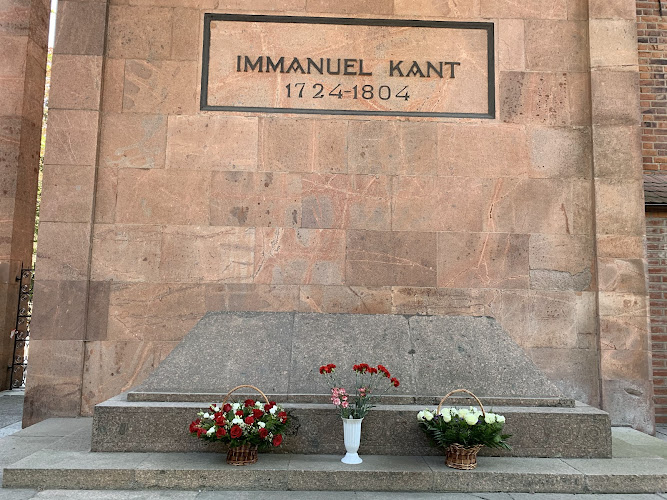
Standing just outside what remains of Königsberg Cathedral in Kaliningrad, Russia, visitors find themselves face-to-face with one of philosophy's most revered monuments. The tomb of Immanuel Kant isn't just another memorial to a historical figure - it's a pilgrimage site for thinkers, scholars, and curious travelers who want to pay respects to the man who fundamentally changed how we understand reality, morality, and knowledge itself. The monument itself was constructed in 1924, though Kant had been laid to rest in 1804. What you see today is an elegant cenotaph that replaced earlier memorials, designed with a dignified simplicity that somehow feels appropriate for a philosopher who spent his entire life in this one city (well, back when it was called Königsberg and part of Prussia). The structure features a classical design with a red granite colonnade that frames the actual burial site. I've always found it remarkable that Kant never traveled more than ten miles from his birthplace during his 79 years of life, yet his ideas traveled across the entire world and through centuries. And here's his final resting place, now in a country that didn't even exist during his lifetime - Russia took control of the region after World War II and renamed the city. It's one of those historical ironies that make you pause and think about how borders shift but ideas remain constant. The tomb sits adjacent to the cathedral's northeast corner, which gives it a somewhat secluded feeling despite being a popular tourist destination. The cathedral itself was heavily damaged during World War II bombing raids, and for decades it stood as a burnt-out shell. The tomb, remarkably, survived relatively intact - perhaps the universe had a soft spot for preserving the resting place of someone who tried so hard to understand its fundamental nature. What strikes most visitors first is the unexpected grandeur matched with philosophical restraint. It's not ostentatious, but it commands attention. The inscription simply reads his name and life dates, letting the man's work speak for itself rather than attempting some grandiose summary of his contributions.

Key Features

The tomb and surrounding area offer several distinctive elements that make this more than just a quick photo opportunity: • The striking red granite colonnade with its twelve columns creates an almost temple-like atmosphere around the burial site, giving visitors a sense of entering a sacred philosophical space • A bronze relief portrait of Kant adorns the memorial, showing him in profile with that distinctive look of deep contemplation he's known for in most depictions • The Latin inscription and philosophical quotes carved into the stonework provide material for contemplation - particularly famous is his quote from the Critique of Practical Reason about "the starry heavens above me and the moral law within me" • The adjacent Königsberg Cathedral, currently serving as a museum and concert hall, provides architectural context and houses exhibits about Kant's life and work • Wheelchair accessible pathways make the monument reachable for all visitors, which feels somehow fitting for a philosopher who believed in universal moral laws • The surrounding area includes a small park where you can sit and reflect after visiting - I'd recommend bringing a book, maybe even one of Kant's if you're feeling ambitious • Information plaques in multiple languages help international visitors understand the historical and philosophical significance of what they're viewing • The tomb's location on Kant Island (Kneiphof Island) creates a somewhat isolated, contemplative atmosphere that separates it from the busier parts of the city

Best Time to Visit

Timing your visit to Kant's tomb requires balancing weather considerations with crowd levels, and honestly, each season offers something different. Summer months from June through August bring the most pleasant weather to Kaliningrad, with temperatures hovering around 20-25°C (68-77°F). But here's the thing - this is also when tour groups descend on the site in full force. If you don't mind sharing the space with other philosophy enthusiasts and general tourists, summer offers long daylight hours and the surrounding gardens look their absolute best. I'd argue that late spring (May) or early fall (September) represents the sweet spot for visiting. The weather remains decent enough for comfortable outdoor exploring, but the massive summer crowds have either not arrived yet or already dispersed. Plus there's something poetic about visiting a philosopher's grave during transitional seasons - very metaphorical and all that. Winter visits from December through February present challenges that some travelers actually prefer. Yes, it gets cold (temperatures often drop below freezing), and yes, daylight becomes scarce. But the tomb covered in snow creates an absolutely haunting atmosphere that photography enthusiasts absolutely love. Just bundle up properly and watch for ice on the walkways. The anniversary of Kant's death falls on February 12th, and some years special commemorative events occur around this date. If you're a serious philosophy buff, this might be worth planning around, though you'll need to check locally for specific programming as it varies year to year. Weekday mornings typically see fewer visitors than afternoons or weekends, regardless of season. If you want a more contemplative experience without constantly dodging selfie-takers, aim for arriving right when the site opens.

How to Get There

Getting to Kant's tomb requires first getting yourself to Kaliningrad, which presents its own unique challenges since this Russian exclave is separated from the rest of Russia by Lithuania and Poland. Most international visitors fly into Khrabrovo Airport, located about 24 kilometers from the city center. From there, taxis and buses can transport you into Kaliningrad proper. The journey takes roughly 30-40 minutes depending on traffic. If you're already in Europe, some travelers take buses from nearby countries, though you'll need to navigate Russian visa requirements (more on that complexity in a moment). Train connections exist from various European cities, but they're not particularly fast or direct. Once you're actually in Kaliningrad, reaching the tomb is straightforward. The cathedral and Kant's tomb are located on Kant Island in the Pregolya River, right in the historic center of the city. Most hotels in the city center are within walking distance - we're talking 15-20 minutes on foot from many accommodations. Local buses and trolleybuses serve the area, with several routes stopping near the cathedral. Bus numbers 3, 18, 21, and others pass nearby, but honestly, the public transport system can be confusing for non-Russian speakers. Taxis through apps like Yandex Taxi work well and aren't expensive by Western standards. The cathedral and tomb sit on what's essentially a small island connected by bridges, creating a distinct destination that's hard to miss once you're in the general vicinity. The cathedral's reconstructed tower serves as a useful landmark for navigation. Now about those visa requirements - Russia typically requires advance visa applications for most nationalities, which means planning ahead. However, Kaliningrad sometimes offers special e-visa programs for shorter stays, which can simplify the process considerably. Requirements change periodically, so check current regulations well before your planned travel dates. This isn't a place for spontaneous visits unless you've got your documentation sorted already.

Tips for Visiting

After helping several friends plan their own visits and hearing their experiences, I've collected some practical wisdom worth passing along. First off, bring some cash in rubles. While Russia has modernized payment systems, smaller vendors near the cathedral don't always accept cards, and you might want to grab some local snacks or souvenirs. ATMs exist throughout the city, but having some local currency ready saves hassle. Photography is absolutely allowed and even encouraged at the tomb, but be respectful about it. This is still someone's grave, after all, even if that someone died over 200 years ago. I've seen tourists treat it like a jungle gym, which just feels wrong on multiple levels. The cathedral complex includes a museum about Kant's life and philosophy that's absolutely worth visiting alongside the tomb. Combined tickets offer better value if you plan to see both. The museum provides context that makes standing at the grave site more meaningful - you'll understand not just who is buried there but why his ideas mattered and continue mattering. Dress appropriately for the weather because you'll be mostly outdoors. Even in summer, bring layers since the location near the river can get breezy. In colder months, seriously don't underestimate how cold it gets - proper winter gear isn't optional. English isn't universally spoken in Kaliningrad, so having a translation app or basic Russian phrases ready helps. That said, younger Russians often speak some English, and the tourist areas around the cathedral generally have multilingual signs and sometimes staff. If you're a philosophy student or serious Kant enthusiast, consider bringing one of his works to read on a nearby bench. There's something special about reading "Critique of Pure Reason" while sitting near where he's buried, even if you only make it through a few pages before your brain starts hurting (Kant wasn't exactly known for accessible prose). Check the cathedral's concert schedule if you're interested in classical music. The acoustics in the reconstructed space are supposed to be exceptional, and attending a concert could make your visit more memorable. Allow more time than you think you'll need. What seems like a simple "stop by and see a tomb" often turns into an hour or more once you start exploring the cathedral grounds, reading the historical information, and just soaking in the atmosphere. Be aware that some reviews mention the site being smaller than expected. Manage your expectations accordingly - this isn't the Taj Mahal in scale. But sometimes the most powerful memorials don't need to be physically massive to leave a lasting impression. The significance of who rests here far outweighs the monument's physical size. Finally, take a moment for actual reflection while you're there. Whether you agree with Kant's categorical imperative or find transcendental idealism utterly baffling, this man spent his entire life trying to understand fundamental questions about existence, knowledge, and ethics. Standing at his grave offers a rare opportunity to disconnect from travel logistics and actually think about bigger questions - which seems like exactly what Kant himself would have wanted.

Key Features

  • Mausoleum completed in 1924 marking Kant’s bicentenary
  • Located adjacent to Königsberg Cathedral on Ulitsa Kanta (Kant Island)
  • Granite sarcophagus and commemorative inscriptions
  • Atmospheric riverside setting on the Pregolya with cathedral backdrop
  • Part of a restored historical complex with museum displays about Kant and the city

More Details

Updated January 18, 2026

Description

Standing just outside what remains of Königsberg Cathedral in Kaliningrad, Russia, visitors find themselves face-to-face with one of philosophy’s most revered monuments. The tomb of Immanuel Kant isn’t just another memorial to a historical figure – it’s a pilgrimage site for thinkers, scholars, and curious travelers who want to pay respects to the man who fundamentally changed how we understand reality, morality, and knowledge itself.

The monument itself was constructed in 1924, though Kant had been laid to rest in 1804. What you see today is an elegant cenotaph that replaced earlier memorials, designed with a dignified simplicity that somehow feels appropriate for a philosopher who spent his entire life in this one city (well, back when it was called Königsberg and part of Prussia). The structure features a classical design with a red granite colonnade that frames the actual burial site.

I’ve always found it remarkable that Kant never traveled more than ten miles from his birthplace during his 79 years of life, yet his ideas traveled across the entire world and through centuries. And here’s his final resting place, now in a country that didn’t even exist during his lifetime – Russia took control of the region after World War II and renamed the city. It’s one of those historical ironies that make you pause and think about how borders shift but ideas remain constant.

The tomb sits adjacent to the cathedral’s northeast corner, which gives it a somewhat secluded feeling despite being a popular tourist destination. The cathedral itself was heavily damaged during World War II bombing raids, and for decades it stood as a burnt-out shell. The tomb, remarkably, survived relatively intact – perhaps the universe had a soft spot for preserving the resting place of someone who tried so hard to understand its fundamental nature.

What strikes most visitors first is the unexpected grandeur matched with philosophical restraint. It’s not ostentatious, but it commands attention. The inscription simply reads his name and life dates, letting the man’s work speak for itself rather than attempting some grandiose summary of his contributions.

Key Features

The tomb and surrounding area offer several distinctive elements that make this more than just a quick photo opportunity:

• The striking red granite colonnade with its twelve columns creates an almost temple-like atmosphere around the burial site, giving visitors a sense of entering a sacred philosophical space

• A bronze relief portrait of Kant adorns the memorial, showing him in profile with that distinctive look of deep contemplation he’s known for in most depictions

• The Latin inscription and philosophical quotes carved into the stonework provide material for contemplation – particularly famous is his quote from the Critique of Practical Reason about “the starry heavens above me and the moral law within me”

• The adjacent Königsberg Cathedral, currently serving as a museum and concert hall, provides architectural context and houses exhibits about Kant’s life and work

• Wheelchair accessible pathways make the monument reachable for all visitors, which feels somehow fitting for a philosopher who believed in universal moral laws

• The surrounding area includes a small park where you can sit and reflect after visiting – I’d recommend bringing a book, maybe even one of Kant’s if you’re feeling ambitious

• Information plaques in multiple languages help international visitors understand the historical and philosophical significance of what they’re viewing

• The tomb’s location on Kant Island (Kneiphof Island) creates a somewhat isolated, contemplative atmosphere that separates it from the busier parts of the city

Best Time to Visit

Timing your visit to Kant’s tomb requires balancing weather considerations with crowd levels, and honestly, each season offers something different.

Summer months from June through August bring the most pleasant weather to Kaliningrad, with temperatures hovering around 20-25°C (68-77°F). But here’s the thing – this is also when tour groups descend on the site in full force. If you don’t mind sharing the space with other philosophy enthusiasts and general tourists, summer offers long daylight hours and the surrounding gardens look their absolute best.

I’d argue that late spring (May) or early fall (September) represents the sweet spot for visiting. The weather remains decent enough for comfortable outdoor exploring, but the massive summer crowds have either not arrived yet or already dispersed. Plus there’s something poetic about visiting a philosopher’s grave during transitional seasons – very metaphorical and all that.

Winter visits from December through February present challenges that some travelers actually prefer. Yes, it gets cold (temperatures often drop below freezing), and yes, daylight becomes scarce. But the tomb covered in snow creates an absolutely haunting atmosphere that photography enthusiasts absolutely love. Just bundle up properly and watch for ice on the walkways.

The anniversary of Kant’s death falls on February 12th, and some years special commemorative events occur around this date. If you’re a serious philosophy buff, this might be worth planning around, though you’ll need to check locally for specific programming as it varies year to year.

Weekday mornings typically see fewer visitors than afternoons or weekends, regardless of season. If you want a more contemplative experience without constantly dodging selfie-takers, aim for arriving right when the site opens.

How to Get There

Getting to Kant’s tomb requires first getting yourself to Kaliningrad, which presents its own unique challenges since this Russian exclave is separated from the rest of Russia by Lithuania and Poland.

Most international visitors fly into Khrabrovo Airport, located about 24 kilometers from the city center. From there, taxis and buses can transport you into Kaliningrad proper. The journey takes roughly 30-40 minutes depending on traffic.

If you’re already in Europe, some travelers take buses from nearby countries, though you’ll need to navigate Russian visa requirements (more on that complexity in a moment). Train connections exist from various European cities, but they’re not particularly fast or direct.

Once you’re actually in Kaliningrad, reaching the tomb is straightforward. The cathedral and Kant’s tomb are located on Kant Island in the Pregolya River, right in the historic center of the city. Most hotels in the city center are within walking distance – we’re talking 15-20 minutes on foot from many accommodations.

Local buses and trolleybuses serve the area, with several routes stopping near the cathedral. Bus numbers 3, 18, 21, and others pass nearby, but honestly, the public transport system can be confusing for non-Russian speakers. Taxis through apps like Yandex Taxi work well and aren’t expensive by Western standards.

The cathedral and tomb sit on what’s essentially a small island connected by bridges, creating a distinct destination that’s hard to miss once you’re in the general vicinity. The cathedral’s reconstructed tower serves as a useful landmark for navigation.

Now about those visa requirements – Russia typically requires advance visa applications for most nationalities, which means planning ahead. However, Kaliningrad sometimes offers special e-visa programs for shorter stays, which can simplify the process considerably. Requirements change periodically, so check current regulations well before your planned travel dates. This isn’t a place for spontaneous visits unless you’ve got your documentation sorted already.

Tips for Visiting

After helping several friends plan their own visits and hearing their experiences, I’ve collected some practical wisdom worth passing along.

First off, bring some cash in rubles. While Russia has modernized payment systems, smaller vendors near the cathedral don’t always accept cards, and you might want to grab some local snacks or souvenirs. ATMs exist throughout the city, but having some local currency ready saves hassle.

Photography is absolutely allowed and even encouraged at the tomb, but be respectful about it. This is still someone’s grave, after all, even if that someone died over 200 years ago. I’ve seen tourists treat it like a jungle gym, which just feels wrong on multiple levels.

The cathedral complex includes a museum about Kant’s life and philosophy that’s absolutely worth visiting alongside the tomb. Combined tickets offer better value if you plan to see both. The museum provides context that makes standing at the grave site more meaningful – you’ll understand not just who is buried there but why his ideas mattered and continue mattering.

Dress appropriately for the weather because you’ll be mostly outdoors. Even in summer, bring layers since the location near the river can get breezy. In colder months, seriously don’t underestimate how cold it gets – proper winter gear isn’t optional.

English isn’t universally spoken in Kaliningrad, so having a translation app or basic Russian phrases ready helps. That said, younger Russians often speak some English, and the tourist areas around the cathedral generally have multilingual signs and sometimes staff.

If you’re a philosophy student or serious Kant enthusiast, consider bringing one of his works to read on a nearby bench. There’s something special about reading “Critique of Pure Reason” while sitting near where he’s buried, even if you only make it through a few pages before your brain starts hurting (Kant wasn’t exactly known for accessible prose).

Check the cathedral’s concert schedule if you’re interested in classical music. The acoustics in the reconstructed space are supposed to be exceptional, and attending a concert could make your visit more memorable.

Allow more time than you think you’ll need. What seems like a simple “stop by and see a tomb” often turns into an hour or more once you start exploring the cathedral grounds, reading the historical information, and just soaking in the atmosphere.

Be aware that some reviews mention the site being smaller than expected. Manage your expectations accordingly – this isn’t the Taj Mahal in scale. But sometimes the most powerful memorials don’t need to be physically massive to leave a lasting impression. The significance of who rests here far outweighs the monument’s physical size.

Finally, take a moment for actual reflection while you’re there. Whether you agree with Kant’s categorical imperative or find transcendental idealism utterly baffling, this man spent his entire life trying to understand fundamental questions about existence, knowledge, and ethics. Standing at his grave offers a rare opportunity to disconnect from travel logistics and actually think about bigger questions – which seems like exactly what Kant himself would have wanted.

Key Highlights

  • Mausoleum completed in 1924 marking Kant’s bicentenary
  • Located adjacent to Königsberg Cathedral on Ulitsa Kanta (Kant Island)
  • Granite sarcophagus and commemorative inscriptions
  • Atmospheric riverside setting on the Pregolya with cathedral backdrop
  • Part of a restored historical complex with museum displays about Kant and the city

Location

Places to Stay Near Immanuel Kant's Tomb

Find and Book a Tour

Explore More Travel Guides

No reviews found! Be the first to review!

Traveler Reviews for Immanuel Kant’s Tomb

There are no reviews yet. Be the first one to write one.

Share Your Experience

Have you visited Immanuel Kant’s Tomb? Help other travelers by sharing your review.

Nearby Attractions

Königsberg (Kaliningrad) Cathedral (Kant Island) Kaliningrad Regional Amber Museum Fishing Village (Rybnaya Derevnya) and riverside promenade

Find Accommodations Nearby

Recommended Tours & Activities

Visitor Reviews

There are no reviews yet. Be the first one to write one.

Share Your Experience

Have you visited Immanuel Kant’s Tomb? Help other travelers by leaving a review.