

Monastery Vojlovica
About Monastery Vojlovica
Description
If you ever find yourself wandering the old streets of Pančevo, Serbia, and hear bells echoing where the Tamiš and the Danube rivers almost meet, odds are you’re not far from the Monastery Vojlovica. This Serbian Orthodox monastery, draped in centuries of history and stories you won’t get in any textbook, really is one of those places that manages to be both grounding and—I'll just say it—oddly magical, even in the middle of an industrial area.
History here isn’t just written in the bricks; you can almost breathe it in. Founded around the late 14th century (so yes, it even saw the Ottomans march through and managed to weather both World Wars), Vojlovica Monastery stands as a living testament to Serbian resilience and cultural spirit. The monastery’s location right towards the southern edge of Pančevo puts it on the border of tradition and modernity; it’s as if the past and present are sitting down for coffee together.
And the aura—hard to describe unless you’re there. Wide tree-lined paths, an intricate church dedicated to the Holy Archangels, and thick monastery walls that have seen just about everything the Banat region could throw at them. I once sat for an hour, just staring at the bricks thinking about all the people—pilgrims, monks, invaders, locals—who walked where I was sitting. Not to wax poetic, but if places could talk, Vojlovica would keep you up for days with its stories.
You’ll find folks streaming in for liturgies, especially during big Orthodox holidays, but also a quiet trickle of curious travelers and lovers of European heritage. There’s a sense Vojlovica is appreciated by people from all walks of life, not just the pious or the historically-minded. Some visit for peace, some for the architecture, and others—I suspect—for that subtle thrill of standing inside a building that’s survived centuries of change in Serbia and the heart of Vojvodina.
Accessibility? Far better than most religious sites you’ll visit in Eastern Europe. Wheelchair users have no trouble with the main approach, and there’s convenient parking for visitors with disabilities, as well as basic restrooms. There’s a refreshing openness here, actually—a sort of welcoming atmosphere that, for me, beats the stuffy, off-limits vibe you sometimes get at big monasteries elsewhere.
Key Features
- Centuries of History: Dating back to the 14th century, one of the oldest surviving Orthodox monasteries in the Banat region and wider Vojvodina. Simply being inside those walls connects you to 600+ years of stories, sieges, and celebrations.
- Serbian Orthodox Heritage: Active place of worship and cultural preservation, key in the Serbian Orthodox Church’s history during the Ottoman and Austro-Hungarian periods.
- Remarkable Architecture: Main monastery church boasts classic Byzantine-style domes, medieval frescoes (though faded, if you look close you can catch some wonderful details), and a unique mix of local materials you won’t see in city churches.
- Peaceful Monastic Grounds: Once inside the gates, you’re surrounded by lush gardens, fruit trees, and the hush of cloistered courtyards—a meditative contrast to Pančevo’s industrial hustle outside.
- Active Monastic Community: The monks are known for their warm hospitality and occasional stories if you catch them in the mood—don’t worry, basic English is spoken by most.
- Art and Artifacts: The church interior houses centuries-old religious icons, rare liturgical books, and beautiful gold-plated crosses. You won’t find these in any regular museum in the city.
- Accessibility: Wheelchair accessible entrance, well-maintained walking paths, and dedicated parking make life easier for those with mobility challenges.
- Rest Facilities: Clean restrooms are available near the entrance. You may not think much of it, but after a day out exploring Banat, it’s a relief.
- Position in Pančevo: Located within a short drive from the city center—a gentle walk or taxi ride brings you into a completely different world not far from the Danube and Tamiš rivers.
- Local Flavor: The monks use produce from their own gardens—fruit compotes and herbal teas sometimes for sale after major liturgies.
Best Time to Visit
Having visited at all times of year, I’d put it this way: spring and autumn are best if you want to see Monastery Vojlovica and experience the grounds in full charm. Late April brings blossoming fruit trees and a garden in bloom—a delightful sight. The heat of summer, oddly enough, is bearable since monastery courtyards keep a cool shade, though expect a bit more foot traffic thanks to school holidays and city tours from Pančevo and even Belgrade.
If you crave quiet for contemplation or photography, aim for a regular weekday in the off-season. In mid-winter, the silence is almost monkish, and the gentle snow dusting the old stone makes the whole scene worthy of a painting (or two hundred photos if you’re anything like me). But if big Orthodox holidays—especially the feast of the Holy Archangels or Christmas—are your thing, you’ll witness the monastery bursting with tradition, chanting, and community spirit rarely seen outside of Serbia.
Honestly, this is not the sort of place that feels crowded—unless you show up with a tourist bus on a religious festival. And even then, the courtyard soaks up visitors better than expected.
How to Get There
Reaching the Monastery Vojlovica is refreshingly straightforward compared to many historical sites in Serbia. Here’s how your options pan out:
- By Car: From the center of Pančevo city, it’s a quick 10-minute drive towards the southern industrial zone. Well-posted signs point the way—no need to worry about getting lost, unless you’re the kind that loses track of time staring at the Danube (been there myself). Free parking is available right outside, and there’s dedicated wheelchair accessible parking for those who need it.
- By Public Transport: Buses run from Pančevo’s main square out toward the Vojlovica area. The walk from the bus stop is less than five minutes and quite safe, though not the prettiest stretch—think refinery backdrops rather than river views.
- From Belgrade: If you’re coming in from the capital, catch a train or frequent bus to Pančevo city, then a local taxi (they’re cheap and chatty) or connect on to the city’s south bus lines. It’ll take you about 45-60 minutes total from the Belgrade center with normal traffic.
- By Bicycle: Adventurous? There’s a cycling route that locals use from the Danube embankment south of Pančevo. Not a touristy option, but it’s there.
No matter how you arrive, don’t expect sweeping signage. The monastery has kept its profile humble on the edge of an industrial zone—trust your GPS or, as I was told once, “just follow the bells.” Works surprisingly well.
Tips for Visiting
- Respect the Monastic Life: Remember, this isn’t just a museum—it’s a living community for Orthodox monks. Keep voices soft, especially inside the church. Modest dress is a must (shoulders and knees covered is a good rule).
- Photography: You’re welcome to snap photos outdoors, but flash and photos inside the main monastery church are a sensitive topic. Ask first, and don’t be shy—staff are used to visitors and will let you know.
- Opening Times: Monastery Vojlovica generally opens daily, but during big Orthodox holidays, hours may extend or shift a bit for services. Best to check with local sources if you plan to visit on a major feast day.
- Language: While signage is mostly in Serbian, monks and staff will do their best in English or German. Learning “hvala” (thank you) goes a long way—it’s a kind gesture appreciated everywhere in Serbia.
- Combine Your Visit: The monastery is not far from Pančevo’s city center, so if you’re up for a local exploration, check out the old town’s historic breweries, museums, and Danube river walks. I always make a half-day trip out of it—grab a strong Serbian coffee in Pančevo proper before or after your visit.
- No Cafeteria, No Problem: There aren’t on-site restaurants or cafes, but Pančevo’s main avenues are a quick ride away. It pays to bring water and a snack if you’re planning a long wander through the monastery’s gardens.
- Accessibility is Solid: Wheelchair users will find paths and entrance ramps in good condition, which is, frankly, a huge plus for a centuries-old Serbian Orthodox monastery.
- Don’t Rush: I know time can be tight—but linger a bit. The vibration of the place just… changes when sunset starts to hit the old stone and the bells start ringing in the distance.
- Souvenir Tip: On rare occasions, monks may sell hand-made icons or honey. If you spot any, they’re genuinely lovely keepsakes (and support the monastery’s upkeep).
- Off-the-Path Bonus: On weekdays, it’s just you, the sparrows, and maybe one or two locals tending the garden. For those craving peace or introspection, it’s absolute gold.
The Monastery Vojlovica isn’t just another tourist attraction in Serbia—it’s an experience you soak in layer by layer. Whether you’re coming for faith, history, or simply a quieter corner of the world, you’ll leave with a memory stitched into your journey, trust me. And don’t be surprised if you find yourself planning a return, just to see how the light falls on the old stones a little differently next time.
Key Features
- Key Features
- Best Time to Visit
- How to Get There
- Tips for Visiting
More Details
Updated July 12, 2025
Table of Contents
Description
If you ever find yourself wandering the old streets of Pančevo, Serbia, and hear bells echoing where the Tamiš and the Danube rivers almost meet, odds are you’re not far from the Monastery Vojlovica. This Serbian Orthodox monastery, draped in centuries of history and stories you won’t get in any textbook, really is one of those places that manages to be both grounding and—I’ll just say it—oddly magical, even in the middle of an industrial area.
History here isn’t just written in the bricks; you can almost breathe it in. Founded around the late 14th century (so yes, it even saw the Ottomans march through and managed to weather both World Wars), Vojlovica Monastery stands as a living testament to Serbian resilience and cultural spirit. The monastery’s location right towards the southern edge of Pančevo puts it on the border of tradition and modernity; it’s as if the past and present are sitting down for coffee together.
And the aura—hard to describe unless you’re there. Wide tree-lined paths, an intricate church dedicated to the Holy Archangels, and thick monastery walls that have seen just about everything the Banat region could throw at them. I once sat for an hour, just staring at the bricks thinking about all the people—pilgrims, monks, invaders, locals—who walked where I was sitting. Not to wax poetic, but if places could talk, Vojlovica would keep you up for days with its stories.
You’ll find folks streaming in for liturgies, especially during big Orthodox holidays, but also a quiet trickle of curious travelers and lovers of European heritage. There’s a sense Vojlovica is appreciated by people from all walks of life, not just the pious or the historically-minded. Some visit for peace, some for the architecture, and others—I suspect—for that subtle thrill of standing inside a building that’s survived centuries of change in Serbia and the heart of Vojvodina.
Accessibility? Far better than most religious sites you’ll visit in Eastern Europe. Wheelchair users have no trouble with the main approach, and there’s convenient parking for visitors with disabilities, as well as basic restrooms. There’s a refreshing openness here, actually—a sort of welcoming atmosphere that, for me, beats the stuffy, off-limits vibe you sometimes get at big monasteries elsewhere.
Key Features
- Centuries of History: Dating back to the 14th century, one of the oldest surviving Orthodox monasteries in the Banat region and wider Vojvodina. Simply being inside those walls connects you to 600+ years of stories, sieges, and celebrations.
- Serbian Orthodox Heritage: Active place of worship and cultural preservation, key in the Serbian Orthodox Church’s history during the Ottoman and Austro-Hungarian periods.
- Remarkable Architecture: Main monastery church boasts classic Byzantine-style domes, medieval frescoes (though faded, if you look close you can catch some wonderful details), and a unique mix of local materials you won’t see in city churches.
- Peaceful Monastic Grounds: Once inside the gates, you’re surrounded by lush gardens, fruit trees, and the hush of cloistered courtyards—a meditative contrast to Pančevo’s industrial hustle outside.
- Active Monastic Community: The monks are known for their warm hospitality and occasional stories if you catch them in the mood—don’t worry, basic English is spoken by most.
- Art and Artifacts: The church interior houses centuries-old religious icons, rare liturgical books, and beautiful gold-plated crosses. You won’t find these in any regular museum in the city.
- Accessibility: Wheelchair accessible entrance, well-maintained walking paths, and dedicated parking make life easier for those with mobility challenges.
- Rest Facilities: Clean restrooms are available near the entrance. You may not think much of it, but after a day out exploring Banat, it’s a relief.
- Position in Pančevo: Located within a short drive from the city center—a gentle walk or taxi ride brings you into a completely different world not far from the Danube and Tamiš rivers.
- Local Flavor: The monks use produce from their own gardens—fruit compotes and herbal teas sometimes for sale after major liturgies.
Best Time to Visit
Having visited at all times of year, I’d put it this way: spring and autumn are best if you want to see Monastery Vojlovica and experience the grounds in full charm. Late April brings blossoming fruit trees and a garden in bloom—a delightful sight. The heat of summer, oddly enough, is bearable since monastery courtyards keep a cool shade, though expect a bit more foot traffic thanks to school holidays and city tours from Pančevo and even Belgrade.
If you crave quiet for contemplation or photography, aim for a regular weekday in the off-season. In mid-winter, the silence is almost monkish, and the gentle snow dusting the old stone makes the whole scene worthy of a painting (or two hundred photos if you’re anything like me). But if big Orthodox holidays—especially the feast of the Holy Archangels or Christmas—are your thing, you’ll witness the monastery bursting with tradition, chanting, and community spirit rarely seen outside of Serbia.
Honestly, this is not the sort of place that feels crowded—unless you show up with a tourist bus on a religious festival. And even then, the courtyard soaks up visitors better than expected.
How to Get There
Reaching the Monastery Vojlovica is refreshingly straightforward compared to many historical sites in Serbia. Here’s how your options pan out:
- By Car: From the center of Pančevo city, it’s a quick 10-minute drive towards the southern industrial zone. Well-posted signs point the way—no need to worry about getting lost, unless you’re the kind that loses track of time staring at the Danube (been there myself). Free parking is available right outside, and there’s dedicated wheelchair accessible parking for those who need it.
- By Public Transport: Buses run from Pančevo’s main square out toward the Vojlovica area. The walk from the bus stop is less than five minutes and quite safe, though not the prettiest stretch—think refinery backdrops rather than river views.
- From Belgrade: If you’re coming in from the capital, catch a train or frequent bus to Pančevo city, then a local taxi (they’re cheap and chatty) or connect on to the city’s south bus lines. It’ll take you about 45-60 minutes total from the Belgrade center with normal traffic.
- By Bicycle: Adventurous? There’s a cycling route that locals use from the Danube embankment south of Pančevo. Not a touristy option, but it’s there.
No matter how you arrive, don’t expect sweeping signage. The monastery has kept its profile humble on the edge of an industrial zone—trust your GPS or, as I was told once, “just follow the bells.” Works surprisingly well.
Tips for Visiting
- Respect the Monastic Life: Remember, this isn’t just a museum—it’s a living community for Orthodox monks. Keep voices soft, especially inside the church. Modest dress is a must (shoulders and knees covered is a good rule).
- Photography: You’re welcome to snap photos outdoors, but flash and photos inside the main monastery church are a sensitive topic. Ask first, and don’t be shy—staff are used to visitors and will let you know.
- Opening Times: Monastery Vojlovica generally opens daily, but during big Orthodox holidays, hours may extend or shift a bit for services. Best to check with local sources if you plan to visit on a major feast day.
- Language: While signage is mostly in Serbian, monks and staff will do their best in English or German. Learning “hvala” (thank you) goes a long way—it’s a kind gesture appreciated everywhere in Serbia.
- Combine Your Visit: The monastery is not far from Pančevo’s city center, so if you’re up for a local exploration, check out the old town’s historic breweries, museums, and Danube river walks. I always make a half-day trip out of it—grab a strong Serbian coffee in Pančevo proper before or after your visit.
- No Cafeteria, No Problem: There aren’t on-site restaurants or cafes, but Pančevo’s main avenues are a quick ride away. It pays to bring water and a snack if you’re planning a long wander through the monastery’s gardens.
- Accessibility is Solid: Wheelchair users will find paths and entrance ramps in good condition, which is, frankly, a huge plus for a centuries-old Serbian Orthodox monastery.
- Don’t Rush: I know time can be tight—but linger a bit. The vibration of the place just… changes when sunset starts to hit the old stone and the bells start ringing in the distance.
- Souvenir Tip: On rare occasions, monks may sell hand-made icons or honey. If you spot any, they’re genuinely lovely keepsakes (and support the monastery’s upkeep).
- Off-the-Path Bonus: On weekdays, it’s just you, the sparrows, and maybe one or two locals tending the garden. For those craving peace or introspection, it’s absolute gold.
The Monastery Vojlovica isn’t just another tourist attraction in Serbia—it’s an experience you soak in layer by layer. Whether you’re coming for faith, history, or simply a quieter corner of the world, you’ll leave with a memory stitched into your journey, trust me. And don’t be surprised if you find yourself planning a return, just to see how the light falls on the old stones a little differently next time.
Key Highlights
- Key Features
- Best Time to Visit
- How to Get There
- Tips for Visiting
Location
Places to Stay Near Monastery Vojlovica
Find and Book a Tour
Explore More Travel Guides
No reviews found! Be the first to review!
Traveler Reviews for Monastery Vojlovica
There are no reviews yet. Be the first one to write one.
Have you visited Monastery Vojlovica? Help other travelers by sharing your review.
You Might Also Like
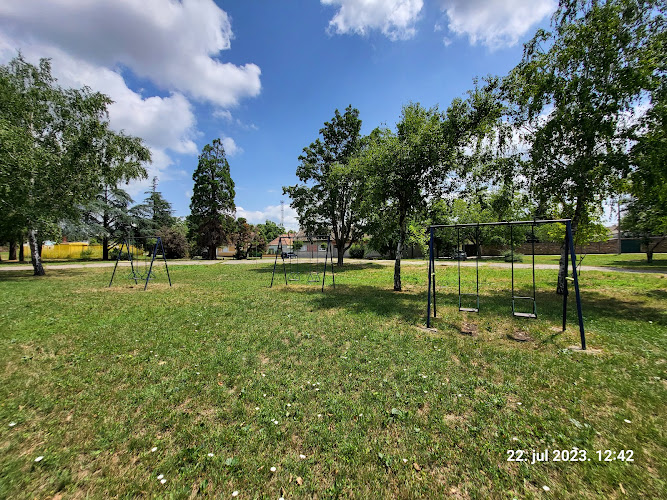
Prisajedinjenja Park
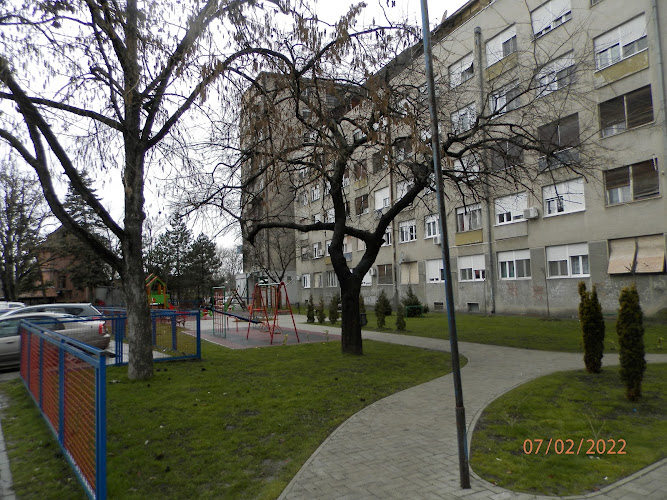
Park Dositeja Obradovića
Barok Entertainment
Find Accommodations Nearby
Recommended Tours & Activities
Visitor Reviews
There are no reviews yet. Be the first one to write one.
Share Your Experience
Have you visited Monastery Vojlovica? Help other travelers by leaving a review.