
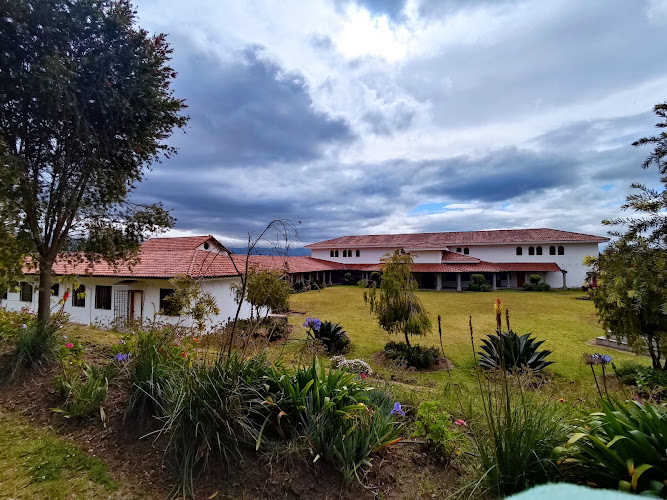
Monasterio Trapense Santa María del Paraíso
About Monasterio Trapense Santa María del Paraíso
Description
- Book Ahead When Possible: Entry is sometimes limited, especially during special events or holidays. Reserve or call ahead if you’re coming with a group—beats waiting in line.
- Dress Respectfully: The vibe is super relaxed, but hey, knees and shoulders covered in the chapel shows some respect for the residents and visitors.
- Arrive Early or Late: The crowds trickle in around midday. Early birds or late afternoon wanderers will score the best quiet and views.
- Bring Cash for the Shop: Trust me—while technology is creeping in, not all rural Ecuadorian monasteries are hip with card machines. Plus, you’ll want to buy extra for the ride home. It’d be criminal not to.
- Pace Yourself: This is a place to savor, not rush. Stroll slowly, take deep breaths, and let the peaceful energy soak in. Some of my best conversations with fellow travelers have happened on that sun-dappled bench by the olive tree.
- Mind the Silence: Especially during prayer times or retreats, the monastery’s hush is special. Whisper, or just listen for a bit—the calm is contagious.
- Photography: Pics are fine in most outdoor areas, but skip the flash, and avoid snapping during worship as a courtesy. The light beams through the windows in the late afternoon—pure photographic magic.
- Family Friendly: Kids are welcome, and there’s ample space to roam, but prep them ahead about not treating the chapel like a playground (learned that one the hard way!).
- Accessibility: Ramps and wide paths mean strollers and wheelchairs can get around, but bring water—hot days can sneak up on you fast.
- Soak It
Getting to Monasterio Trapense Santa María del Paraíso isn’t the odyssey some folks fear, but, full disclosure, you do need to plan a bit. Most travelers will arrive via the main route from Salcedo or Latacunga—a 30- to 45-minute drive along winding, scenic roads. I recommend renting a car if you’re able. Not only do you get the freedom to explore neighboring villages (like those glorious Salcedo ice cream cones), but you can also sprawl out and blast your playlist without guilt.
For those sticking to public transport (been there, stretches the travel legs in a good way), catch a local bus to Salcedo and arrange a quick taxi to the monastery. Buses run regularly, but I’ve learned to double-check schedules the day before—sometimes the countryside timetable has a mind of its own. There’s clear signage as you approach, so you probably won’t get lost. Parking is ample, even for larger vehicles or groups, and the layout is easy for first-timers. Last time I visited, a couple from Germany told me they biked in from a nearby hostel. Apparently, the hills are a bit of a workout, so don’t let that catch you flat-footed if you’re adventurous enough to try the same.
Tips for Visiting
If I had a dollar for every new friend who’s said, “Oh, I wish I’d known!” after visiting here, I’d cover everyone’s admission for a week. So here are my seasoned tips—maybe they’ll help you savor every second, like that last crumb of monastery bread!
- Book Ahead When Possible: Entry is sometimes limited, especially during special events or holidays. Reserve or call ahead if you’re coming with a group—beats waiting in line.
- Dress Respectfully: The vibe is super relaxed, but hey, knees and shoulders covered in the chapel shows some respect for the residents and visitors.
- Arrive Early or Late: The crowds trickle in around midday. Early birds or late afternoon wanderers will score the best quiet and views.
- Bring Cash for the Shop: Trust me—while technology is creeping in, not all rural Ecuadorian monasteries are hip with card machines. Plus, you’ll want to buy extra for the ride home. It’d be criminal not to.
- Pace Yourself: This is a place to savor, not rush. Stroll slowly, take deep breaths, and let the peaceful energy soak in. Some of my best conversations with fellow travelers have happened on that sun-dappled bench by the olive tree.
- Mind the Silence: Especially during prayer times or retreats, the monastery’s hush is special. Whisper, or just listen for a bit—the calm is contagious.
- Photography: Pics are fine in most outdoor areas, but skip the flash, and avoid snapping during worship as a courtesy. The light beams through the windows in the late afternoon—pure photographic magic.
- Family Friendly: Kids are welcome, and there’s ample space to roam, but prep them ahead about not treating the chapel like a playground (learned that one the hard way!).
- Accessibility: Ramps and wide paths mean strollers and wheelchairs can get around, but bring water—hot days can sneak up on you fast.
- Soak It
Okay, so let’s be honest—there’s barely a bad time to visit Monasterio Trapense Santa María del Paraíso. Ecuador’s weather is marvelously kind most of the year, though my personal favorite is late June to early September. The air’s crisp but not cold, the skies turn into Technicolor blue, and the gardens burst with green and wildflowers. Visiting on a weekday morning? That’s the golden ticket. Fewer visitors, more birdsong, and a front-row seat to serenity. Sundays tend to draw more people thanks to mass, so if you’re hunting for solitude, avoid the late morning rush.
Rainy seasons (roughly March and April) can cloak the grounds in a mysterious, misty vibe—which, let’s be honest, is its own kind of beautiful if you pack a good umbrella. Personally, I’m partial to the off-peak quiet—there’s something poetic about wandering the grounds with just the soft patter of rain for company. And if you’re after photos, sunrise and sunset do wonders for the chapel’s stonework and the landscape beyond. Don’t forget—holidays and feast days can be busier than usual, but that’s also when you’re more likely to catch live music, processions, and other festive touches.
How to Get There
Getting to Monasterio Trapense Santa María del Paraíso isn’t the odyssey some folks fear, but, full disclosure, you do need to plan a bit. Most travelers will arrive via the main route from Salcedo or Latacunga—a 30- to 45-minute drive along winding, scenic roads. I recommend renting a car if you’re able. Not only do you get the freedom to explore neighboring villages (like those glorious Salcedo ice cream cones), but you can also sprawl out and blast your playlist without guilt.
For those sticking to public transport (been there, stretches the travel legs in a good way), catch a local bus to Salcedo and arrange a quick taxi to the monastery. Buses run regularly, but I’ve learned to double-check schedules the day before—sometimes the countryside timetable has a mind of its own. There’s clear signage as you approach, so you probably won’t get lost. Parking is ample, even for larger vehicles or groups, and the layout is easy for first-timers. Last time I visited, a couple from Germany told me they biked in from a nearby hostel. Apparently, the hills are a bit of a workout, so don’t let that catch you flat-footed if you’re adventurous enough to try the same.
Tips for Visiting
If I had a dollar for every new friend who’s said, “Oh, I wish I’d known!” after visiting here, I’d cover everyone’s admission for a week. So here are my seasoned tips—maybe they’ll help you savor every second, like that last crumb of monastery bread!
- Book Ahead When Possible: Entry is sometimes limited, especially during special events or holidays. Reserve or call ahead if you’re coming with a group—beats waiting in line.
- Dress Respectfully: The vibe is super relaxed, but hey, knees and shoulders covered in the chapel shows some respect for the residents and visitors.
- Arrive Early or Late: The crowds trickle in around midday. Early birds or late afternoon wanderers will score the best quiet and views.
- Bring Cash for the Shop: Trust me—while technology is creeping in, not all rural Ecuadorian monasteries are hip with card machines. Plus, you’ll want to buy extra for the ride home. It’d be criminal not to.
- Pace Yourself: This is a place to savor, not rush. Stroll slowly, take deep breaths, and let the peaceful energy soak in. Some of my best conversations with fellow travelers have happened on that sun-dappled bench by the olive tree.
- Mind the Silence: Especially during prayer times or retreats, the monastery’s hush is special. Whisper, or just listen for a bit—the calm is contagious.
- Photography: Pics are fine in most outdoor areas, but skip the flash, and avoid snapping during worship as a courtesy. The light beams through the windows in the late afternoon—pure photographic magic.
- Family Friendly: Kids are welcome, and there’s ample space to roam, but prep them ahead about not treating the chapel like a playground (learned that one the hard way!).
- Accessibility: Ramps and wide paths mean strollers and wheelchairs can get around, but bring water—hot days can sneak up on you fast.
- Soak It
Let me just say—Monasterio Trapense Santa María del Paraíso has a special magic that’s hard to put into words (but hey, I’ll give it a whirl). It’s that rare spot where time honestly feels like it slows down, but not in a boring way. There's a calm here you don't find at flashy attractions; it's peaceful to the point that even my fidgety cousin was quiet the whole afternoon we spent there. This isn’t your run-of-the-mill monastery with stuffy vibes and “don’t touch” signs everywhere. Instead, the air smells of eucalyptus, bread, and the far-off chant of monks—it's just... grounding. If you’re craving quiet after a cramped bus ride or the hassle of airports, the sanctuary this monastery offers is kind of unbelievable.
Family-run isn’t exactly the right word, but it does feel like the monks see you. They work, pray, and live here—inviting you to take a short breath, shed digital distractions, and listen to the natural silence (punctuated occasionally by church bells or a friendly dog wagging his tail near the path). There’s humility everywhere: in the simple stone walls, the wooden benches dotted with soft sunlight, and the honest-to-goodness warmth of the people. And, okay, I have to mention the monastery shop, where you can buy bread still warm and fragrant from the monks’ oven. If carbs are your love language, don’t sleep on this.
Most travelers (myself included, guilty as charged) usually expect these kinds of places to play up tourism and herd visitors about, but that’s just not the mood here. You’re left blissfully to your own thoughts—with gentle guidance if you want a tour, but zero pressure. There’s meaning woven into the path you take, whether you pause in the chapel, wander under the age-old trees, or just rest on a bench watching clouds cross the Andes. It’s reflective, authentic, and just—a little bit holy, even if you’re not religious. Visiting feels less like sightseeing and more like an experience that gently hums in your soul for a long, long time after.
Key Features
- Active Trappist Monastery: Real monks still live, work, and worship in this oasis. There’s a sense of graceful tradition you can feel just walking around.
- Peaceful Grounds: The gardens, tree-lined paths, and spaces to sit—each area hums with tranquility. If you’re a fan of mindfulness or meditation, you’ll totally get why people stay the whole day.
- Monastic Bread and Treats: The monastery’s shop dishes out legendary bread—and trust me, it’s not an exaggeration. Grab the cheese bread, and don’t say I didn’t warn you. They sometimes sell artisanal candies and natural honey too.
- Wheelchair Accessible: Thoughtful features like ramps and reserved parking make it easy for everyone to enjoy the experience, including those with mobility challenges.
- Sacred Chapel: The heart of the monastery, open for quiet prayer, reflection, and soaking in the peaceful atmosphere. If you’re lucky, you might catch a soft-voiced chant drifting across the pews.
- Panoramic Views: The sights of the rolling countryside (especially at sunrise or sunset) are truly inspiring—picture-perfect, honestly.
- Opportunities for Retreat: Though not always available, the monastery occasionally offers silent retreats and guided spiritual experiences. Ask ahead if you’re interested!
- Friendly, Non-Intrusive Assistance: The monks and volunteers are around and genuinely kind if you have a question, but nobody’s hovering or hustling you through the grounds.
- Quiet Corners and Benches: Lots of hidden nooks to sit and reflect, read, or just watch the world go by at an ever-so-slightly slower pace.
Best Time to Visit
Okay, so let’s be honest—there’s barely a bad time to visit Monasterio Trapense Santa María del Paraíso. Ecuador’s weather is marvelously kind most of the year, though my personal favorite is late June to early September. The air’s crisp but not cold, the skies turn into Technicolor blue, and the gardens burst with green and wildflowers. Visiting on a weekday morning? That’s the golden ticket. Fewer visitors, more birdsong, and a front-row seat to serenity. Sundays tend to draw more people thanks to mass, so if you’re hunting for solitude, avoid the late morning rush.
Rainy seasons (roughly March and April) can cloak the grounds in a mysterious, misty vibe—which, let’s be honest, is its own kind of beautiful if you pack a good umbrella. Personally, I’m partial to the off-peak quiet—there’s something poetic about wandering the grounds with just the soft patter of rain for company. And if you’re after photos, sunrise and sunset do wonders for the chapel’s stonework and the landscape beyond. Don’t forget—holidays and feast days can be busier than usual, but that’s also when you’re more likely to catch live music, processions, and other festive touches.
How to Get There
Getting to Monasterio Trapense Santa María del Paraíso isn’t the odyssey some folks fear, but, full disclosure, you do need to plan a bit. Most travelers will arrive via the main route from Salcedo or Latacunga—a 30- to 45-minute drive along winding, scenic roads. I recommend renting a car if you’re able. Not only do you get the freedom to explore neighboring villages (like those glorious Salcedo ice cream cones), but you can also sprawl out and blast your playlist without guilt.
For those sticking to public transport (been there, stretches the travel legs in a good way), catch a local bus to Salcedo and arrange a quick taxi to the monastery. Buses run regularly, but I’ve learned to double-check schedules the day before—sometimes the countryside timetable has a mind of its own. There’s clear signage as you approach, so you probably won’t get lost. Parking is ample, even for larger vehicles or groups, and the layout is easy for first-timers. Last time I visited, a couple from Germany told me they biked in from a nearby hostel. Apparently, the hills are a bit of a workout, so don’t let that catch you flat-footed if you’re adventurous enough to try the same.
Tips for Visiting
If I had a dollar for every new friend who’s said, “Oh, I wish I’d known!” after visiting here, I’d cover everyone’s admission for a week. So here are my seasoned tips—maybe they’ll help you savor every second, like that last crumb of monastery bread!
- Book Ahead When Possible: Entry is sometimes limited, especially during special events or holidays. Reserve or call ahead if you’re coming with a group—beats waiting in line.
- Dress Respectfully: The vibe is super relaxed, but hey, knees and shoulders covered in the chapel shows some respect for the residents and visitors.
- Arrive Early or Late: The crowds trickle in around midday. Early birds or late afternoon wanderers will score the best quiet and views.
- Bring Cash for the Shop: Trust me—while technology is creeping in, not all rural Ecuadorian monasteries are hip with card machines. Plus, you’ll want to buy extra for the ride home. It’d be criminal not to.
- Pace Yourself: This is a place to savor, not rush. Stroll slowly, take deep breaths, and let the peaceful energy soak in. Some of my best conversations with fellow travelers have happened on that sun-dappled bench by the olive tree.
- Mind the Silence: Especially during prayer times or retreats, the monastery’s hush is special. Whisper, or just listen for a bit—the calm is contagious.
- Photography: Pics are fine in most outdoor areas, but skip the flash, and avoid snapping during worship as a courtesy. The light beams through the windows in the late afternoon—pure photographic magic.
- Family Friendly: Kids are welcome, and there’s ample space to roam, but prep them ahead about not treating the chapel like a playground (learned that one the hard way!).
- Accessibility: Ramps and wide paths mean strollers and wheelchairs can get around, but bring water—hot days can sneak up on you fast.
- Soak It
Key Features
- Key Features
- Best Time to Visit
- How to Get There
- Tips for Visiting
More Details
Updated June 9, 2025
Table of Contents
- Description
- Key Features
- Best Time to Visit
- How to Get There
- Tips for Visiting
- Key Highlights
- Location
- Places to Stay Near Monasterio Trapense Santa María del Paraíso
- Find and Book a Tour
- Explore More Travel Guides
- Nearby Places You Might Like
- Traveler Reviews for Monasterio Trapense Santa María del Paraíso
- Share Your Experience
Description
Let me just say—Monasterio Trapense Santa María del Paraíso has a special magic that’s hard to put into words (but hey, I’ll give it a whirl). It’s that rare spot where time honestly feels like it slows down, but not in a boring way. There’s a calm here you don’t find at flashy attractions; it’s peaceful to the point that even my fidgety cousin was quiet the whole afternoon we spent there. This isn’t your run-of-the-mill monastery with stuffy vibes and “don’t touch” signs everywhere. Instead, the air smells of eucalyptus, bread, and the far-off chant of monks—it’s just… grounding. If you’re craving quiet after a cramped bus ride or the hassle of airports, the sanctuary this monastery offers is kind of unbelievable.
Family-run isn’t exactly the right word, but it does feel like the monks see you. They work, pray, and live here—inviting you to take a short breath, shed digital distractions, and listen to the natural silence (punctuated occasionally by church bells or a friendly dog wagging his tail near the path). There’s humility everywhere: in the simple stone walls, the wooden benches dotted with soft sunlight, and the honest-to-goodness warmth of the people. And, okay, I have to mention the monastery shop, where you can buy bread still warm and fragrant from the monks’ oven. If carbs are your love language, don’t sleep on this.
Most travelers (myself included, guilty as charged) usually expect these kinds of places to play up tourism and herd visitors about, but that’s just not the mood here. You’re left blissfully to your own thoughts—with gentle guidance if you want a tour, but zero pressure. There’s meaning woven into the path you take, whether you pause in the chapel, wander under the age-old trees, or just rest on a bench watching clouds cross the Andes. It’s reflective, authentic, and just—a little bit holy, even if you’re not religious. Visiting feels less like sightseeing and more like an experience that gently hums in your soul for a long, long time after.
Key Features
- Active Trappist Monastery: Real monks still live, work, and worship in this oasis. There’s a sense of graceful tradition you can feel just walking around.
- Peaceful Grounds: The gardens, tree-lined paths, and spaces to sit—each area hums with tranquility. If you’re a fan of mindfulness or meditation, you’ll totally get why people stay the whole day.
- Monastic Bread and Treats: The monastery’s shop dishes out legendary bread—and trust me, it’s not an exaggeration. Grab the cheese bread, and don’t say I didn’t warn you. They sometimes sell artisanal candies and natural honey too.
- Wheelchair Accessible: Thoughtful features like ramps and reserved parking make it easy for everyone to enjoy the experience, including those with mobility challenges.
- Sacred Chapel: The heart of the monastery, open for quiet prayer, reflection, and soaking in the peaceful atmosphere. If you’re lucky, you might catch a soft-voiced chant drifting across the pews.
- Panoramic Views: The sights of the rolling countryside (especially at sunrise or sunset) are truly inspiring—picture-perfect, honestly.
- Opportunities for Retreat: Though not always available, the monastery occasionally offers silent retreats and guided spiritual experiences. Ask ahead if you’re interested!
- Friendly, Non-Intrusive Assistance: The monks and volunteers are around and genuinely kind if you have a question, but nobody’s hovering or hustling you through the grounds.
- Quiet Corners and Benches: Lots of hidden nooks to sit and reflect, read, or just watch the world go by at an ever-so-slightly slower pace.
Best Time to Visit
Okay, so let’s be honest—there’s barely a bad time to visit Monasterio Trapense Santa María del Paraíso. Ecuador’s weather is marvelously kind most of the year, though my personal favorite is late June to early September. The air’s crisp but not cold, the skies turn into Technicolor blue, and the gardens burst with green and wildflowers. Visiting on a weekday morning? That’s the golden ticket. Fewer visitors, more birdsong, and a front-row seat to serenity. Sundays tend to draw more people thanks to mass, so if you’re hunting for solitude, avoid the late morning rush.
Rainy seasons (roughly March and April) can cloak the grounds in a mysterious, misty vibe—which, let’s be honest, is its own kind of beautiful if you pack a good umbrella. Personally, I’m partial to the off-peak quiet—there’s something poetic about wandering the grounds with just the soft patter of rain for company. And if you’re after photos, sunrise and sunset do wonders for the chapel’s stonework and the landscape beyond. Don’t forget—holidays and feast days can be busier than usual, but that’s also when you’re more likely to catch live music, processions, and other festive touches.
How to Get There
Getting to Monasterio Trapense Santa María del Paraíso isn’t the odyssey some folks fear, but, full disclosure, you do need to plan a bit. Most travelers will arrive via the main route from Salcedo or Latacunga—a 30- to 45-minute drive along winding, scenic roads. I recommend renting a car if you’re able. Not only do you get the freedom to explore neighboring villages (like those glorious Salcedo ice cream cones), but you can also sprawl out and blast your playlist without guilt.
For those sticking to public transport (been there, stretches the travel legs in a good way), catch a local bus to Salcedo and arrange a quick taxi to the monastery. Buses run regularly, but I’ve learned to double-check schedules the day before—sometimes the countryside timetable has a mind of its own. There’s clear signage as you approach, so you probably won’t get lost. Parking is ample, even for larger vehicles or groups, and the layout is easy for first-timers. Last time I visited, a couple from Germany told me they biked in from a nearby hostel. Apparently, the hills are a bit of a workout, so don’t let that catch you flat-footed if you’re adventurous enough to try the same.
Tips for Visiting
If I had a dollar for every new friend who’s said, “Oh, I wish I’d known!” after visiting here, I’d cover everyone’s admission for a week. So here are my seasoned tips—maybe they’ll help you savor every second, like that last crumb of monastery bread!
- Book Ahead When Possible: Entry is sometimes limited, especially during special events or holidays. Reserve or call ahead if you’re coming with a group—beats waiting in line.
- Dress Respectfully: The vibe is super relaxed, but hey, knees and shoulders covered in the chapel shows some respect for the residents and visitors.
- Arrive Early or Late: The crowds trickle in around midday. Early birds or late afternoon wanderers will score the best quiet and views.
- Bring Cash for the Shop: Trust me—while technology is creeping in, not all rural Ecuadorian monasteries are hip with card machines. Plus, you’ll want to buy extra for the ride home. It’d be criminal not to.
- Pace Yourself: This is a place to savor, not rush. Stroll slowly, take deep breaths, and let the peaceful energy soak in. Some of my best conversations with fellow travelers have happened on that sun-dappled bench by the olive tree.
- Mind the Silence: Especially during prayer times or retreats, the monastery’s hush is special. Whisper, or just listen for a bit—the calm is contagious.
- Photography: Pics are fine in most outdoor areas, but skip the flash, and avoid snapping during worship as a courtesy. The light beams through the windows in the late afternoon—pure photographic magic.
- Family Friendly: Kids are welcome, and there’s ample space to roam, but prep them ahead about not treating the chapel like a playground (learned that one the hard way!).
- Accessibility: Ramps and wide paths mean strollers and wheelchairs can get around, but bring water—hot days can sneak up on you fast.
- Soak It
Key Highlights
- Key Features
- Best Time to Visit
- How to Get There
- Tips for Visiting
Location
Places to Stay Near Monasterio Trapense Santa María del Paraíso
Find and Book a Tour
Explore More Travel Guides
No reviews found! Be the first to review!
Traveler Reviews for Monasterio Trapense Santa María del Paraíso
There are no reviews yet. Be the first one to write one.
Have you visited Monasterio Trapense Santa María del Paraíso? Help other travelers by sharing your review.
You Might Also Like

Basilica and Convent of San Francisco

Terminal Terrestre Tulcán

Parque Lineal La Tebaida
Find Accommodations Nearby
Recommended Tours & Activities
Visitor Reviews
There are no reviews yet. Be the first one to write one.
Share Your Experience
Have you visited Monasterio Trapense Santa María del Paraíso? Help other travelers by leaving a review.