
Mogilev Region
About Mogilev Region
Description
The Mogilev Region, or Mahilyow voblasts if you like the local flavor, sits in eastern Belarus and quietly does its own thing. It doesn’t shout for attention. And honestly, that’s part of the charm. This is a place where history feels close enough to touch, where rivers still shape daily life, and where travelers who like to slow down tend to feel oddly at home.
The administrative heart of the region is the city of Mogilev, a riverside city on the Dnieper that has seen more than its fair share of turning points in Eastern European history. Walk its streets and you’ll notice layers: Soviet-era buildings rubbing shoulders with older churches, memorials that ask for a pause, and cafés where time seems to move a little slower. I remember sitting near the river embankment one evening, watching locals stroll past, and thinking, this place doesn’t perform for tourists. It just exists. And that’s refreshing.
Beyond Mogilev itself, the region spreads out into a mix of forests, farmland, and industrial towns like Babruysk and Asipovichy. Babruysk, in particular, has a reputation for being blunt and hardworking. It’s known across Belarus for its fortress and its straight-talking attitude. Asipovichy feels more like a railway town that grew into itself over time, practical and unpretentious. These aren’t postcard-perfect towns, but they are real, lived-in places. And travelers who appreciate authenticity usually end up liking them more than they expected.
The Mogilev Region has also been shaped deeply by 20th-century events, especially World War II. Memorials, museums, and preserved sites are scattered across the oblast. They’re not overproduced or theatrical, but they hit hard. You don’t just learn facts here; you feel weight. If you’re the kind of traveler who values understanding a place beyond photos, this region delivers, sometimes quietly, sometimes with a lump in your throat.
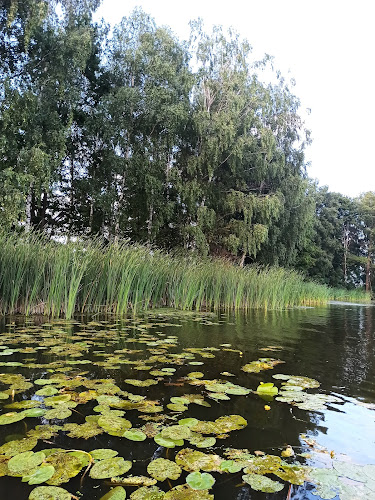
Nature plays a supporting role rather than stealing the spotlight. The Dnieper River is the most obvious natural feature, but there are also smaller rivers, lakes, and dense woods that locals use for fishing, mushroom picking, and weekend escapes. Don’t expect big national parks with signs everywhere. Instead, expect locals who know exactly where to go, and paths that look like they’ve been there forever because, well, they probably have.
Key Features
- Historic city of Mogilev with river embankments, old churches, and layered architecture
- Babruysk Fortress, one of the most significant military structures in Belarus
- Strong World War II memorial culture and museums across the region
- Dnieper River landscapes ideal for slow walks and quiet reflection
- Local markets offering regional food, honey, berries, and homemade goods
- Less-touristed towns like Asipovichy that show everyday Belarusian life
- Forests and countryside used actively by locals, not staged for visitors
- Affordable travel costs compared to more popular European destinations
Best Time to Visit
If you ask me, late spring and early autumn are the sweet spots for visiting the Mogilev Region. May and June bring long daylight hours, fresh greenery, and a sense that the region is waking up after winter. The rivers look their best then, and walking around Mogilev doesn’t feel like a chore. September and early October are just as good, maybe better. The forests turn gold and rust-colored, markets fill with apples and mushrooms, and the air has that crispness that makes you want to keep walking.
Summer is fine too, but it can get surprisingly warm and humid. Locals escape to rivers or their dachas, and cities feel a bit slower. That’s not necessarily bad, but if you’re planning long sightseeing days, be ready to pace yourself. I once tried to cram too much into a July afternoon here and ended up hiding in the shade with an ice cream, questioning my life choices.
Winter is a different story. It’s cold, yes, and daylight is short. But there’s something stark and honest about the region under snow. Memorials feel even more solemn, and cities like Mogilev take on a quieter, introspective mood. If you’re comfortable with winter travel and like fewer people around, it can be rewarding. Just pack properly. Belarusian winters don’t mess around.
How to Get There
Getting to the Mogilev Region is fairly straightforward, though it does require a bit of planning. Most travelers arrive in Belarus via Minsk, the capital. From there, Mogilev is well connected by train and bus. Trains are generally reliable and affordable, and the journey from Minsk to Mogilev takes a few hours. It’s not a high-speed thrill ride, but you get to watch the countryside roll by, which I personally enjoy.
If you’re coming from neighboring regions or countries, road travel is also an option. Major highways connect Mogilev with other parts of Belarus, and buses serve smaller towns like Babruysk and Asipovichy regularly. Driving gives you more flexibility, especially if you want to explore rural areas or move at your own pace. Just be prepared for the occasional pothole or unexpected tractor on the road. It’s all part of the experience.
Within the region, public transport works, but patience helps. Trains and buses run on schedules that make sense to locals, not always to travelers in a hurry. Taxis are available in cities and are generally affordable. And walking is often the best way to understand a place anyway. Some of my favorite moments here came from wandering without a plan and stumbling onto a small park or a bakery that smelled too good to ignore.
Tips for Visiting
First tip, and I say this with feeling: manage your expectations. The Mogilev Region isn’t about flashy attractions or perfectly curated experiences. It rewards curiosity, patience, and a willingness to engage with places as they are. If you arrive expecting polished tourism infrastructure, you might feel underwhelmed. But if you come ready to observe and listen, you’ll get more than you bargained for.
Learn a few basic Russian or Belarusian phrases. English isn’t widely spoken, especially outside Mogilev city. Even a simple hello or thank you goes a long way. I’ve had entire conversations conducted with hand gestures and smiles, and somehow it worked. Locals tend to be reserved at first but genuinely helpful once the ice breaks.
Food-wise, don’t skip local dishes. Look for places serving draniki (potato pancakes), soups, and hearty meat dishes. Portions are generous, prices are reasonable, and it’s filling in that comforting, no-nonsense way. Markets are great for snacks and observing daily life. You’ll see older women selling berries or pickles, and yes, you should buy something if you can.
Respect the historical sites. Many memorials and museums deal with loss and war, and locals treat them seriously. Loud behavior or casual selfies can feel out of place. Take your time, read the plaques, and let the place speak. It’s not always easy, but it’s important.
Lastly, give yourself time. This region doesn’t reveal itself in a checklist. Stay an extra day. Sit by the river. Take the slower train. The Mogilev Region grows on you, quietly and steadily. And you might leave realizing you’ve seen a side of Belarus that many travelers never do. And that, in my book, is a pretty good reason to go.
Key Features
- Historic city of Mogilev with river embankments, old churches, and layered architecture
- Babruysk Fortress, one of the most significant military structures in Belarus
- Strong World War II memorial culture and museums across the region
- Dnieper River landscapes ideal for slow walks and quiet reflection
- Local markets offering regional food, honey, berries, and homemade goods
- Less-touristed towns like Asipovichy that show everyday Belarusian life
- Forests and countryside used actively by locals, not staged for visitors
- Affordable travel costs compared to more popular European destinations
More Details
Updated December 30, 2025
Table of Contents
Description
The Mogilev Region, or Mahilyow voblasts if you like the local flavor, sits in eastern Belarus and quietly does its own thing. It doesn’t shout for attention. And honestly, that’s part of the charm. This is a place where history feels close enough to touch, where rivers still shape daily life, and where travelers who like to slow down tend to feel oddly at home.
The administrative heart of the region is the city of Mogilev, a riverside city on the Dnieper that has seen more than its fair share of turning points in Eastern European history. Walk its streets and you’ll notice layers: Soviet-era buildings rubbing shoulders with older churches, memorials that ask for a pause, and cafés where time seems to move a little slower. I remember sitting near the river embankment one evening, watching locals stroll past, and thinking, this place doesn’t perform for tourists. It just exists. And that’s refreshing.
Beyond Mogilev itself, the region spreads out into a mix of forests, farmland, and industrial towns like Babruysk and Asipovichy. Babruysk, in particular, has a reputation for being blunt and hardworking. It’s known across Belarus for its fortress and its straight-talking attitude. Asipovichy feels more like a railway town that grew into itself over time, practical and unpretentious. These aren’t postcard-perfect towns, but they are real, lived-in places. And travelers who appreciate authenticity usually end up liking them more than they expected.
The Mogilev Region has also been shaped deeply by 20th-century events, especially World War II. Memorials, museums, and preserved sites are scattered across the oblast. They’re not overproduced or theatrical, but they hit hard. You don’t just learn facts here; you feel weight. If you’re the kind of traveler who values understanding a place beyond photos, this region delivers, sometimes quietly, sometimes with a lump in your throat.
Nature plays a supporting role rather than stealing the spotlight. The Dnieper River is the most obvious natural feature, but there are also smaller rivers, lakes, and dense woods that locals use for fishing, mushroom picking, and weekend escapes. Don’t expect big national parks with signs everywhere. Instead, expect locals who know exactly where to go, and paths that look like they’ve been there forever because, well, they probably have.
Key Features
- Historic city of Mogilev with river embankments, old churches, and layered architecture
- Babruysk Fortress, one of the most significant military structures in Belarus
- Strong World War II memorial culture and museums across the region
- Dnieper River landscapes ideal for slow walks and quiet reflection
- Local markets offering regional food, honey, berries, and homemade goods
- Less-touristed towns like Asipovichy that show everyday Belarusian life
- Forests and countryside used actively by locals, not staged for visitors
- Affordable travel costs compared to more popular European destinations
Best Time to Visit
If you ask me, late spring and early autumn are the sweet spots for visiting the Mogilev Region. May and June bring long daylight hours, fresh greenery, and a sense that the region is waking up after winter. The rivers look their best then, and walking around Mogilev doesn’t feel like a chore. September and early October are just as good, maybe better. The forests turn gold and rust-colored, markets fill with apples and mushrooms, and the air has that crispness that makes you want to keep walking.
Summer is fine too, but it can get surprisingly warm and humid. Locals escape to rivers or their dachas, and cities feel a bit slower. That’s not necessarily bad, but if you’re planning long sightseeing days, be ready to pace yourself. I once tried to cram too much into a July afternoon here and ended up hiding in the shade with an ice cream, questioning my life choices.
Winter is a different story. It’s cold, yes, and daylight is short. But there’s something stark and honest about the region under snow. Memorials feel even more solemn, and cities like Mogilev take on a quieter, introspective mood. If you’re comfortable with winter travel and like fewer people around, it can be rewarding. Just pack properly. Belarusian winters don’t mess around.
How to Get There
Getting to the Mogilev Region is fairly straightforward, though it does require a bit of planning. Most travelers arrive in Belarus via Minsk, the capital. From there, Mogilev is well connected by train and bus. Trains are generally reliable and affordable, and the journey from Minsk to Mogilev takes a few hours. It’s not a high-speed thrill ride, but you get to watch the countryside roll by, which I personally enjoy.
If you’re coming from neighboring regions or countries, road travel is also an option. Major highways connect Mogilev with other parts of Belarus, and buses serve smaller towns like Babruysk and Asipovichy regularly. Driving gives you more flexibility, especially if you want to explore rural areas or move at your own pace. Just be prepared for the occasional pothole or unexpected tractor on the road. It’s all part of the experience.
Within the region, public transport works, but patience helps. Trains and buses run on schedules that make sense to locals, not always to travelers in a hurry. Taxis are available in cities and are generally affordable. And walking is often the best way to understand a place anyway. Some of my favorite moments here came from wandering without a plan and stumbling onto a small park or a bakery that smelled too good to ignore.
Tips for Visiting
First tip, and I say this with feeling: manage your expectations. The Mogilev Region isn’t about flashy attractions or perfectly curated experiences. It rewards curiosity, patience, and a willingness to engage with places as they are. If you arrive expecting polished tourism infrastructure, you might feel underwhelmed. But if you come ready to observe and listen, you’ll get more than you bargained for.
Learn a few basic Russian or Belarusian phrases. English isn’t widely spoken, especially outside Mogilev city. Even a simple hello or thank you goes a long way. I’ve had entire conversations conducted with hand gestures and smiles, and somehow it worked. Locals tend to be reserved at first but genuinely helpful once the ice breaks.
Food-wise, don’t skip local dishes. Look for places serving draniki (potato pancakes), soups, and hearty meat dishes. Portions are generous, prices are reasonable, and it’s filling in that comforting, no-nonsense way. Markets are great for snacks and observing daily life. You’ll see older women selling berries or pickles, and yes, you should buy something if you can.
Respect the historical sites. Many memorials and museums deal with loss and war, and locals treat them seriously. Loud behavior or casual selfies can feel out of place. Take your time, read the plaques, and let the place speak. It’s not always easy, but it’s important.
Lastly, give yourself time. This region doesn’t reveal itself in a checklist. Stay an extra day. Sit by the river. Take the slower train. The Mogilev Region grows on you, quietly and steadily. And you might leave realizing you’ve seen a side of Belarus that many travelers never do. And that, in my book, is a pretty good reason to go.
Key Highlights
- Historic city of Mogilev with river embankments, old churches, and layered architecture
- Babruysk Fortress, one of the most significant military structures in Belarus
- Strong World War II memorial culture and museums across the region
- Dnieper River landscapes ideal for slow walks and quiet reflection
- Local markets offering regional food, honey, berries, and homemade goods
- Less-touristed towns like Asipovichy that show everyday Belarusian life
- Forests and countryside used actively by locals, not staged for visitors
- Affordable travel costs compared to more popular European destinations
Location
Places to Stay Near Mogilev Region
Find and Book a Tour
Explore More Travel Guides
No reviews found! Be the first to review!
Traveler Reviews for Mogilev Region
There are no reviews yet. Be the first one to write one.
Have you visited Mogilev Region? Help other travelers by sharing your review.
You Might Also Like
Hrodna Region
The Belarusian State Museum of Rural Architecture and Life
Mound of Glory
Find Accommodations Nearby
Recommended Tours & Activities
Visitor Reviews
There are no reviews yet. Be the first one to write one.
Share Your Experience
Have you visited Mogilev Region? Help other travelers by leaving a review.