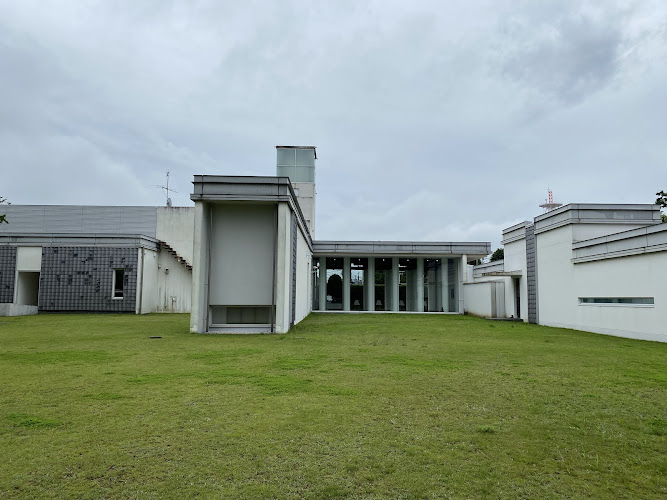
The Mogi Honke Museum of Art (MOMOA) is an esteemed private cultural museum located in Noda, Chiba Prefecture, Japan. Established in 2006 by Mogi Shichizaemon XII—the twelfth-generation leader of one of Kikkoman Corporation’s founding families—the museum preserves an extraordinary collection of over 4,300 fine art treasures, including Katsushika Hokusai’s iconic Thirty-six Views of Mount Fuji and masterworks of Ukiyo-e woodblock printing.
Highlights & Key Features
Hokusai Masterpiece Woodblock Collection: Rare complete series of Katsushika Hokusai’s Thirty-six Views of Mount Fuji, including The Great Wave.
Comprehensive Ukiyo-e Holdings: Over 2,900 historic Edo-period prints by masters Hiroshige, Utamaro, Sharaku, and Kuniyoshi.
Kikkoman Founding Heritage: Established by Mogi Shichizaemon XII, preserving the cultural patronage of Japan’s historic soy sauce brewing capital.
Tranquil Japanese Garden Setting: Elegant contemporary gallery surrounded by manicured moss gardens, cherry blossoms, and seasonal maple foliage.
Visitor Guide & Information
## Overview of the Mogi Honke Museum of Art
The **Mogi Honke Museum of Art** (茂木本家美術館, *Mogi Honke Bijutsukan*, commonly abbreviated as **MOMOA**) is one of the most distinguished private fine art institutions in the Greater Tokyo metropolitan area. Situated in the historic soy sauce brewing city of Noda in northwestern Chiba Prefecture, the museum was opened to the public in October 2006 by **Mogi Shichizaemon XII** (1907–2012), the twelfth-generation hereditary patriarch of the prestigious Mogi Honke family.
The Mogi clan was one of the eight founding brewing families that consolidated their traditional Edo-period brewing operations in 1917 to establish the Noda Shoyu Company, known globally today as the **Kikkoman Corporation**. Over decades of philanthropic collecting, Shichizaemon XII assembled more than 4,300 fine art objects—spanning classical Japanese woodblock prints (*ukiyo-e*), modern *Nihonga* paintings, Western-style oil canvases (*Yoga*), modern sculptures, and master ceramics. Designed as a serene cultural sanctuary, MOMOA allows visitors to study seminal masterpieces of Japanese graphic art in an intimate, contemplation-friendly setting away from crowded urban museums.
## The World-Class Ukiyo-e Collection
The crown jewel of MOMOA’s holdings is its world-renowned collection of approximately 2,900 traditional Japanese woodblock prints:
– **Katsushika Hokusai and Mount Fuji:** The museum possesses an exceptional, well-preserved complete set of Katsushika Hokusai’s celebrated landscape series, ***Thirty-six Views of Mount Fuji*** (*Fugaku Sanjūrokkei*). Visitors can inspect fine early impressions of iconic compositions including *The Great Wave off Kanagawa* (*Kanagawa Oki Nami Ura*) and *Fine Wind, Clear Morning* (*Gaifū Kaisei*, colloquially known as “Red Fuji”), admiring the delicate gradation of imported Prussian blue pigments and the crisp relief lines carved into wild cherry woodblocks.
– **Utagawa Hiroshige:** The holdings feature prominent series by landscape master Utagawa Hiroshige, including ***The Fifty-three Stations of the Tōkaidō*** (*Tōkaidō Gojūsan-tsugi*) and *One Hundred Famous Views of Edo*, capturing the atmospheric mood of rainy mountain passes, snow-covered post towns, and lantern-lit bridges.
– **Figures, Actors, and Legends:** Beyond landscapes, the collection encompasses rare portraits of beauties (*bijinga*) by Kitagawa Utamaro, dramatic Kabuki actor portraits by the mysterious master Tōshūsai Sharaku, dynamic warrior prints (*musha-e*) by Utagawa Kuniyoshi, and early modern *Shin-Hanga* prints from the Taisho and early Showa eras.
## Modern Paintings, Sculpture, and Ceramics
While woodblock prints form the core of the museum’s fame, MOMOA preserves significant holdings in other artistic media:
– **Nihonga (Modern Japanese Painting):** The galleries display prominent works by modern masters of traditional Japanese painting, including Yokoyama Taikan, Kawai Gyokudō, Ogura Yuki, and Maeda Seison, showcasing gold-leaf applications, mineral pigments (*iwa-enogu*), and expressive sumi-e ink washes.
– **Western-Style Oil Paintings (*Yoga*):** Works by pioneering Japanese oil painters such as Kishida Ryūsei, Umehara Ryūzaborō, and Yasui Sōtarō illustrate how twentieth-century Japanese artists synthesized European impressionism and post-impressionism with Japanese sensibilities.
– **Sculpture and Ceramics:** Ceramic vessels by Living National Treasures such as Hamada Shōji and Kitaōji Rosanjin sit alongside bronze and stone sculptures positioned throughout the galleries and the adjacent Japanese strolling garden.
## Architecture and the Japanese Garden
The museum was designed by distinguished architect **Ryōichi Takahashi** to harmonize built architecture with natural Japanese landscaping:
– **Minimalist Architecture:** The museum pavilion features low-slung, contemporary geometric lines finished in warm earthen tones, natural cedar wood, and expansive floor-to-ceiling glass apertures that frame views of the landscaped courtyard.
– **The Strolling Garden:** Surrounding the gallery pavilion is a traditional Japanese stroll garden featuring stone lanterns, moss-covered boulders, gently curving gravel pathways, and specimen maple and cherry trees. The garden provides a contemplative buffer, allowing visitors to decompress between gallery viewings and observe seasonal transformations—from delicate spring sakura blossoms to blazing red autumnal momiji foliage.
## Cultural Heritage of Noda City
A visit to the Mogi Honke Museum of Art provides an entry point into the industrial and architectural history of **Noda**:
– **Historic Soy Sauce Breweries:** For more than 400 years, Noda served as the primary soy sauce brewing capital of eastern Japan, favored for its fertile soybean and wheat farmlands and strategic location along the Edo and Tone rivers for water freight into Edo (modern Tokyo).
– **The Mogi Residence and Heritage Buildings:** Nearby stands the historic Mogi Honke Main Residence, an expansive compound of Meiji and Taisho-era timber merchant residences, black-tiled storehouses, and earthen brewery walls recognized as Registered Tangible Cultural Properties of Japan.
– **Kikkoman Soy Sauce Museum (Goyogura):** Visitors can pair their art excursion with a tour of the nearby Kikkoman Soy Sauce Factory and the preserved Goyogura brewery, where traditional cedar fermentation vats historically produced artisanal soy sauce for the Imperial Household.
## Visitor Logistics and Getting There
– **Address:** 248 Noda, Noda City, Chiba Prefecture 278-0037, Japan.
– **By Train from Central Tokyo:**
– Take the JR Joban Line or Tsukuba Express from Ueno or Akihabara to **Kashiwa Station** or **Nagareyama-ōtakanomori Station**.
– Transfer to the **Tobu Urban Park Line (Tobu Noda Line)** and disembark at **Nodashi Station** (*Noda City Station*).
– From the station exit, the museum is a pleasant ten-to-twelve-minute walk (or a three-minute taxi ride) northward through historic residential avenues.
– **Reservation Guidance:** Because gallery capacities are carefully curated to ensure quiet, uncrowded viewing of delicate woodblock prints, checking the official museum schedule and making a reservation via the official website (momoa.jp) or phone prior to visiting is strongly advised.
Community & Insider Notes
Last modified August 17, 2026
## Overview of the Mogi Honke Museum of Art
The **Mogi Honke Museum of Art** (茂木本家美術館, *Mogi Honke Bijutsukan*, commonly abbreviated as **MOMOA**) is one of the most distinguished private fine art institutions in the Greater Tokyo metropolitan area. Situated in the historic soy sauce brewing city of Noda in northwestern Chiba Prefecture, the museum was opened to the public in October 2006 by **Mogi Shichizaemon XII** (1907–2012), the twelfth-generation hereditary patriarch of the prestigious Mogi Honke family.
The Mogi clan was one of the eight founding brewing families that consolidated their traditional Edo-period brewing operations in 1917 to establish the Noda Shoyu Company, known globally today as the **Kikkoman Corporation**. Over decades of philanthropic collecting, Shichizaemon XII assembled more than 4,300 fine art objects—spanning classical Japanese woodblock prints (*ukiyo-e*), modern *Nihonga* paintings, Western-style oil canvases (*Yoga*), modern sculptures, and master ceramics. Designed as a serene cultural sanctuary, MOMOA allows visitors to study seminal masterpieces of Japanese graphic art in an intimate, contemplation-friendly setting away from crowded urban museums.
## The World-Class Ukiyo-e Collection
The crown jewel of MOMOA’s holdings is its world-renowned collection of approximately 2,900 traditional Japanese woodblock prints:
– **Katsushika Hokusai and Mount Fuji:** The museum possesses an exceptional, well-preserved complete set of Katsushika Hokusai’s celebrated landscape series, ***Thirty-six Views of Mount Fuji*** (*Fugaku Sanjūrokkei*). Visitors can inspect fine early impressions of iconic compositions including *The Great Wave off Kanagawa* (*Kanagawa Oki Nami Ura*) and *Fine Wind, Clear Morning* (*Gaifū Kaisei*, colloquially known as “Red Fuji”), admiring the delicate gradation of imported Prussian blue pigments and the crisp relief lines carved into wild cherry woodblocks.
– **Utagawa Hiroshige:** The holdings feature prominent series by landscape master Utagawa Hiroshige, including ***The Fifty-three Stations of the Tōkaidō*** (*Tōkaidō Gojūsan-tsugi*) and *One Hundred Famous Views of Edo*, capturing the atmospheric mood of rainy mountain passes, snow-covered post towns, and lantern-lit bridges.
– **Figures, Actors, and Legends:** Beyond landscapes, the collection encompasses rare portraits of beauties (*bijinga*) by Kitagawa Utamaro, dramatic Kabuki actor portraits by the mysterious master Tōshūsai Sharaku, dynamic warrior prints (*musha-e*) by Utagawa Kuniyoshi, and early modern *Shin-Hanga* prints from the Taisho and early Showa eras.
## Modern Paintings, Sculpture, and Ceramics
While woodblock prints form the core of the museum’s fame, MOMOA preserves significant holdings in other artistic media:
– **Nihonga (Modern Japanese Painting):** The galleries display prominent works by modern masters of traditional Japanese painting, including Yokoyama Taikan, Kawai Gyokudō, Ogura Yuki, and Maeda Seison, showcasing gold-leaf applications, mineral pigments (*iwa-enogu*), and expressive sumi-e ink washes.
– **Western-Style Oil Paintings (*Yoga*):** Works by pioneering Japanese oil painters such as Kishida Ryūsei, Umehara Ryūzaborō, and Yasui Sōtarō illustrate how twentieth-century Japanese artists synthesized European impressionism and post-impressionism with Japanese sensibilities.
– **Sculpture and Ceramics:** Ceramic vessels by Living National Treasures such as Hamada Shōji and Kitaōji Rosanjin sit alongside bronze and stone sculptures positioned throughout the galleries and the adjacent Japanese strolling garden.
## Architecture and the Japanese Garden
The museum was designed by distinguished architect **Ryōichi Takahashi** to harmonize built architecture with natural Japanese landscaping:
– **Minimalist Architecture:** The museum pavilion features low-slung, contemporary geometric lines finished in warm earthen tones, natural cedar wood, and expansive floor-to-ceiling glass apertures that frame views of the landscaped courtyard.
– **The Strolling Garden:** Surrounding the gallery pavilion is a traditional Japanese stroll garden featuring stone lanterns, moss-covered boulders, gently curving gravel pathways, and specimen maple and cherry trees. The garden provides a contemplative buffer, allowing visitors to decompress between gallery viewings and observe seasonal transformations—from delicate spring sakura blossoms to blazing red autumnal momiji foliage.
## Cultural Heritage of Noda City
A visit to the Mogi Honke Museum of Art provides an entry point into the industrial and architectural history of **Noda**:
– **Historic Soy Sauce Breweries:** For more than 400 years, Noda served as the primary soy sauce brewing capital of eastern Japan, favored for its fertile soybean and wheat farmlands and strategic location along the Edo and Tone rivers for water freight into Edo (modern Tokyo).
– **The Mogi Residence and Heritage Buildings:** Nearby stands the historic Mogi Honke Main Residence, an expansive compound of Meiji and Taisho-era timber merchant residences, black-tiled storehouses, and earthen brewery walls recognized as Registered Tangible Cultural Properties of Japan.
– **Kikkoman Soy Sauce Museum (Goyogura):** Visitors can pair their art excursion with a tour of the nearby Kikkoman Soy Sauce Factory and the preserved Goyogura brewery, where traditional cedar fermentation vats historically produced artisanal soy sauce for the Imperial Household.
## Visitor Logistics and Getting There
– **Address:** 248 Noda, Noda City, Chiba Prefecture 278-0037, Japan.
– **By Train from Central Tokyo:**
– Take the JR Joban Line or Tsukuba Express from Ueno or Akihabara to **Kashiwa Station** or **Nagareyama-ōtakanomori Station**.
– Transfer to the **Tobu Urban Park Line (Tobu Noda Line)** and disembark at **Nodashi Station** (*Noda City Station*).
– From the station exit, the museum is a pleasant ten-to-twelve-minute walk (or a three-minute taxi ride) northward through historic residential avenues.
– **Reservation Guidance:** Because gallery capacities are carefully curated to ensure quiet, uncrowded viewing of delicate woodblock prints, checking the official museum schedule and making a reservation via the official website (momoa.jp) or phone prior to visiting is strongly advised.
Mogi-Honke Museum of Art (MOMOA), Noda—A Small Museum With Serious Ukiyo-e Strength
Where it is: 242 Noda, Noda-shi, Chiba 278-0037, Japan (8–9 minutes on foot from Nodashi Station on the Tobu Urban Park Line).MOMOA – 茂木本家美術館
Important correction to common map data: this museum is in Noda City (Chiba Prefecture), not Kashiwa. If you see “Kashiwa” in auto-filled listings, treat it as an error. The museum’s official address is at Noda 242.MOMOA – 茂木本家美術館
Why this museum matters
Opened in 2006 to share the lifetime collection of Mogi Shichizaemon (12th head of the Mogi head family), MOMOA punches above its size with rotating shows that spotlight ukiyo-e woodblock prints and modern/ contemporary Nihonga masters. The Mogi family—key founders behind what became Kikkoman—built a refined collection; the museum now presents curated rotations rather than an overwhelming “everything at once.”MOMOA – 茂木本家美術館
Expect names you actually recognize on the walls: Hokusai, Hiroshige, Utamaro, Sharaku, Kuniyoshi for prints; and Yokoyama Taikan, Umehara Ryūzaburō, Kataoka Tamako, Wada Eisaku, Kinyō Kōji in painting, plus compact sculpture displays. Exhibitions change several times per year; the permanent galleries often include Fuji-themed works.Tokyo Art Beat
Essential visiting info (double-check before you go)
Hours: 10:00–17:00 (last entry 16:00).
Closed:Mondays & Tuesdays, plus summer/winter closure periods.
Admission: Adults ¥700; free for junior-high students and younger.
Reservation:Required (the museum explicitly requests advance booking to manage capacity).
Phone for bookings/questions: 04-7120-1489 (10:00–16:00 on open days).
Accessibility & inclusion: Barrier-free access noted; disability ID holders and one caregiver receive a ¥100 discount; Mirairo ID accepted.
All above are directly from the museum’s Guide and venue pages. Policies can change—check the official site the week you visit.MOMOA – 茂木本家美術館
Getting there, cleanly
Train: Ride the Tobu Urban Park Line to Nodashi Station; walk 8–9 minutes. Wayfinding is straightforward from the station’s east side toward “Noda 242.”MOMOA – 茂木本家美術館
Car: From Joban Expressway Nagareyama I.C., follow the Matsudo–Noda route ~8 km, right at Nakanodai intersection, then left after Shimomachi signal—MOMOA sits ahead.MOMOA – 茂木本家美術館
What you’ll see (and why it’s different)
Focused rotations vs. warehouse feel. The museum typically shows 80–90 works at a time from several thousand in the holdings, so galleries are digestible and well-lit for print viewing (crucial for ukiyo-e paper conservation).ソラのだ|野田市の魅力まるわかりマップ
Print-first curation. Past rotations highlighted Kawase Hasui and Edo-period masters; print people will appreciate condition and color retention.
A calm complex. The compact building, on-site café (Café MOMOA), shop, and small garden create an easy half-day stop without museum fatigue.MOMOA – 茂木本家美術館
Pair it with Noda’s soy-sauce heritage (high-value combo)
Noda is “soy-sauce city.” The Mogi family and partner houses consolidated in 1917 as Noda Shoyu Co., Ltd., later renamed Kikkoman. You can book the Kikkoman Soy Sauce Museum & Factory Tour nearby (separate venue). It’s a well-run, free (or low-cost) educational tour with scheduled time slots; expect fermentation walkthroughs and strong historical context.Kikkoman
Tour site & booking: Kikkoman’s official “Food Education / Plant Tour” pages list current tour times and the factory address (110 Noda, Noda-shi, 278-0037). Reservations are required.Kikkoman
Doing MOMOA in the morning then the Kikkoman tour after lunch is a logical day plan: 10:00 museum opening → café break → early afternoon factory slot (typically 13:00 or 14:30 when available). Always reconfirm times, as the factory schedules change by season and demand.Kikkoman
Practical tips that improve the visit
Book first, then plan trains. MOMOA is reservation-based; secure your museum window before you lock rail departures.MOMOA – 茂木本家美術館
Aim for clear weather if you care about color. Ukiyo-e and Nihonga read best under steady natural light; the galleries handle lighting well, but bright days make the walk from Nodashi Station more pleasant. (No special source needed—this is practical viewing advice.)
Leave bag space. The shop often stocks focused catalogs and quality reproductions—lighter than typical “mega-museum” tomes yet content-rich. (Inventory varies; confirm on site.)MOMOA – 茂木本家美術館
Accessibility details. If you use a wheelchair or have mobility concerns, note the barrier-free tag and ID-holder discount; bring Mirairo ID if you use the app.Tokyo Art Beat
Key facts at a glance
Official name:Mogi-Honke Museum of Art (MOMOA).MOMOA – 茂木本家美術館
On-site amenities:Café MOMOA, museum shop.MOMOA – 茂木本家美術館
What might be outdated (check before you go)
Seasonal closures and special exhibitions shift; the museum has summer and winter closure periods and rotating shows. Verify current dates and any reservation changes on MOMOA’s site.MOMOA – 茂木本家美術館
Kikkoman factory tour times (e.g., 9:00 / 10:30 / 13:00 / 14:30) are typical but subject to change; always confirm availability and language support when booking.Kikkoman
Bottom line
If you enjoy ukiyo-e and want a quiet, curated alternative to Tokyo’s bigger institutions, the Mogi-Honke Museum of Art is a strong day-trip anchor with realistic logistics, transparent pricing, and an adjacent soy-sauce industrial heritage story you can actually tour. Lock the reservation, ride the Tobu line to Nodashi, and give yourself a half day to do the museum, café, and—if schedules align—the Kikkoman experience.MOMOA – 茂木本家美術館
All details verified against official or reputable sources at the time of writing; policies can change without notice.
Explore verified points of interest within walking or short transit distance.
No neighboring places mapped within 5 km yet.
Find Places to Stay Nearby
Stay22 provides this accommodation search. We may earn a commission if you book through it; verify current prices and terms with the provider.
🗺️
Interactive accommodation map requires marketing cookies to display live rates.
Recommended Experiences & Activities
GetYourGuide provides this tour inventory. We may earn a commission if you book through it; verify current availability, prices, and terms with the provider.
Top Viator Experiences & Guided Tours in Noda
We may earn a commission if you book through links on this page at no extra cost to you. All tours feature verified customer reviews and flexible cancellation options.