
Minor Basilica and Parish of St. Martin of Tours
About Minor Basilica and Parish of St. Martin of Tours
Description
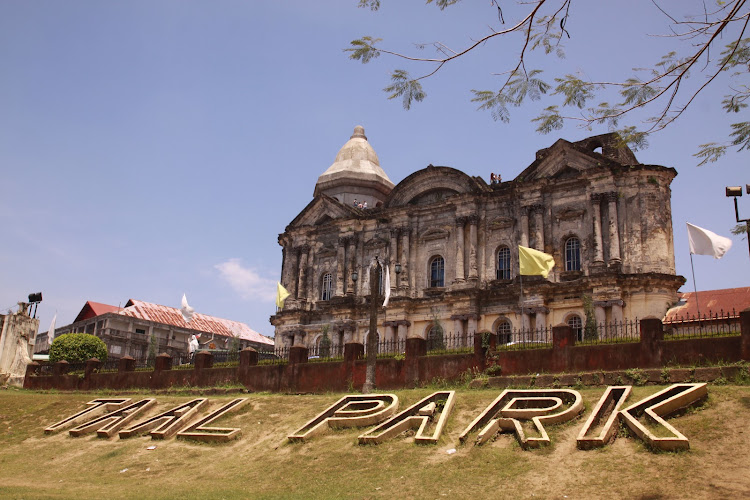
Walking up to the imposing stone facade of the Minor Basilica and Parish of St. Martin of Tours really got my heart pounding the first time. It's hard "not" to feel small when you stand in front of this thing, honestly—it's absolutely massive. Most folks don't realize, and who can blame them, but this church isn't just one of the biggest in Batangas, it's one of the largest Catholic churches in all of Asia. It's the kind of place that makes you stop short, crane your neck, and forget whatever hurry you're in.
Built originally in the late 1500s, then reconstructed several times due to earthquakes (which, hey, given the wild history of the Philippines, is impressive on its own), the current structure has roots dating back to the 19th century. What sets it apart? The Spanish-style architecture here doesn't only echo grandeur, it tells a real story—there's this mix of Corinthian columns, ornate carvings, and a bell tower you probably can't resist snapping a picture of. And gosh, once you step inside, that high vaulted ceiling and the way light filters through those centuries-old windows—unforgettable. I've seen many travelers get visibly moved, standing in front of the baroque altar, soaking up all that quiet dignity.
But, and this is important, it's not just about looks. This basilica is a living, working place of worship. On a weekday morning, you'll maybe find yourself sharing a pew with locals, or if you time your trip right, you might catch one of those grand wedding ceremonies the place is sort of famous for. It can get crowded, sure, and sometimes people forget this isn't just a tourist spot—it's a spiritual sanctuary for a lot of faithful Filipinos.
Some quirks: the plaza outside is lively, with the occasional vendor hawking cold drinks or rosaries, mixing a festive energy into the solemn atmosphere. And don't get me started on the side chapels—this place has way more than you'd expect, each with its own little slice of history. For accessibility, I'm relieved to say the main entrance and parking have been made wheelchair-friendly, a thoughtful touch for such an old structure, though interiors can be a bit bumpy in spots. Bottom line, it's got that perfect blend of living tradition, stirring beauty, and human warmth. (I can't help but get a bit swoony talking about old churches, but really, you have to see it for yourself!)
Key Features
- Enormous Baroque Architecture: You’ll immediately notice it's one of the largest Catholic churches in the country, with a façade so wide and grand it somehow makes every visitor pull out their cameras—I've yet to see anyone resist.
- Historical Depth: The structure traces its roots to the 16th century, surviving earthquakes, reconstruction, and all kinds of natural mayhem. There’s something poetic about its resilience.
- Intricate Interior: Expect elaborate woodwork on the ceiling, beautiful stained glass, and that main altar dripping with baroque flourishes. Honestly, parts of the ceiling remind me of classic European cathedrals—just with a splashing of Filipino charm.
- Active Parish Life: Daily masses, local weddings (some quite extravagant), and religious festivals keep this place pulsing with local life. You’ll feel the devotion everywhere.
- Panoramic Bell Tower Views: For the adventurous, climb the stairs to the bell tower for views of Taal town—a bit dusty but oh-so-worth-it. If you’re afraid of heights, maybe just admire from below.
- Wheelchair Accessibility: Yes, you read that right. For an ancient site, it’s surprisingly approachable for those with mobility needs, though the floor gets uneven in tucked-away areas.
- Heritage Plaza: The space outside the basilica is always bustling with locals, travelers, and sometimes a surprise cultural performance (caught one last summer—made my whole trip!).
- Quiet Chapels: Several side chapels offer quiet spaces for prayer, reflection, or simply escaping a noisy crowd. I always duck into one when things get overwhelming.
Best Time to Visit
So, let’s get practical. While this grand basilica never loses its luster, there are certain times when it practically sings. If you aren’t the biggest fan of big crowds, show up early on a weekday morning. The breeze is cool, the plaza is calm, and the only sounds you’ll hear are church bells and maybe the distant chatter of a local vendor prepping for the day.
If you're after atmosphere and a local buzz, time your visit around the feast of St. Martin of Tours every November 11th. The energy ramps up with processions, music, and religious fervor you kinda have to see to believe. It transforms the whole town—visitors and locals pour in, kids in costumes, choir music wafting from inside the church, food stalls popping up everywhere. Just know, space gets tight and parking becomes a real scavenger hunt.
The dry season (December to May) is the safest bet weather-wise. There’s nothing worse than slipping on the old flagstone floors during monsoon rain, trust me. And if you time your trip in the cool months from December to February, you’ll get clearer views from the bell tower—and not sweat buckets. For photographers, that late afternoon sun paints the façade a glowing gold—cheesy, I know, but totally Instagram-worthy. If you can stick around, evening Mass is something special, especially when the church is aglow with candles and warm light.
How to Get There
Getting yourself to the Minor Basilica and Parish of St. Martin of Tours is an adventure in itself—and I've done it the hard way (via provincial buses with a car-sick child in tow) and the easy way (by car, windows down, playlist blasting).
From Metro Manila: If you're coming from Manila, it’s about 2-3 hours, traffic gods permitting. The most direct route is by private car via the South Luzon Expressway (SLEX), then exit at STAR Tollway toward Lipa, then eventually to Taal town. Road signs are plenty, but don’t be shy—ask locals for directions if you miss a turn; Filipinos are famously helpful and often delighted to practice their English.
By Bus: Hop on a Batangas-bound bus from bus terminals in the city, alight at Lemery, and from there, grab a tricycle or jeepney straight to Taal town. It's a tiny bit more effort, but honestly? Sometimes the journey adds to the experience. You’ll see stretches of the countryside, rice paddies, small town life—not bad, especially for photographs or if you like people-watching as much as I do.
Parking can be tricky if you arrive during Mass or fiesta seasons, so be patient. Some lots aren't paved; prepare to channel your inner off-roader. If you’re relying on public transport, download an offline map just in case—signal gets spotty.
Little tip: If you happen to arrive on a late afternoon, the walk up to the basilica with the sun setting over the rooftops is pure magic—I've done it more than once, and it never gets old.
Tips for Visiting
- Dress Appropriately: This is an active place of worship, so avoid shorts, sleeveless tops, or loud clothing—I've seen folks handed makeshift scarves at the door more than once.
- Mind Mass Times: Local Mass schedules vary, and it gets packed! If you want to explore quietly, stop by between services; otherwise, joining a service is a great way to soak in the local spiritual vibe.
- Climb the Bell Tower (Carefully!): The view is a stunner, but stairs are steep and a bit uneven—hold onto the railing, and wear comfy shoes. I once did it in flip-flops: never again.
- Check Out the Surroundings: The town of Taal is full of heritage homes, little museums, and local markets. If you can, wander on foot—you might even stumble into a street parade.
- Bring Cash: Many vendors outside—selling everything from halo-halo to hand-carved rosaries—are cash-only. Support local, grab a snack, and maybe something for your mantle at home.
- Be Courteous with Photography: No flash photography during Mass, and if you want a snap with locals or church staff, always ask first. A little respect goes a long way.
- Wheelchair Accessibility: Entr
Key Features
- Key Features
- Best Time to Visit
- How to Get There
- Tips for Visiting
More Details
Updated June 9, 2025
Table of Contents
- Description
- Key Features
- Best Time to Visit
- How to Get There
- Tips for Visiting
- Key Highlights
- Location
- Places to Stay Near Minor Basilica and Parish of St. Martin of Tours
- Find and Book a Tour
- Explore More Travel Guides
- Nearby Places You Might Like
- Traveler Reviews for Minor Basilica and Parish of St. Martin of Tours
- Share Your Experience
Description
Walking up to the imposing stone facade of the Minor Basilica and Parish of St. Martin of Tours really got my heart pounding the first time. It’s hard “not” to feel small when you stand in front of this thing, honestly—it’s absolutely massive. Most folks don’t realize, and who can blame them, but this church isn’t just one of the biggest in Batangas, it’s one of the largest Catholic churches in all of Asia. It’s the kind of place that makes you stop short, crane your neck, and forget whatever hurry you’re in.
Built originally in the late 1500s, then reconstructed several times due to earthquakes (which, hey, given the wild history of the Philippines, is impressive on its own), the current structure has roots dating back to the 19th century. What sets it apart? The Spanish-style architecture here doesn’t only echo grandeur, it tells a real story—there’s this mix of Corinthian columns, ornate carvings, and a bell tower you probably can’t resist snapping a picture of. And gosh, once you step inside, that high vaulted ceiling and the way light filters through those centuries-old windows—unforgettable. I’ve seen many travelers get visibly moved, standing in front of the baroque altar, soaking up all that quiet dignity.
But, and this is important, it’s not just about looks. This basilica is a living, working place of worship. On a weekday morning, you’ll maybe find yourself sharing a pew with locals, or if you time your trip right, you might catch one of those grand wedding ceremonies the place is sort of famous for. It can get crowded, sure, and sometimes people forget this isn’t just a tourist spot—it’s a spiritual sanctuary for a lot of faithful Filipinos.
Some quirks: the plaza outside is lively, with the occasional vendor hawking cold drinks or rosaries, mixing a festive energy into the solemn atmosphere. And don’t get me started on the side chapels—this place has way more than you’d expect, each with its own little slice of history. For accessibility, I’m relieved to say the main entrance and parking have been made wheelchair-friendly, a thoughtful touch for such an old structure, though interiors can be a bit bumpy in spots. Bottom line, it’s got that perfect blend of living tradition, stirring beauty, and human warmth. (I can’t help but get a bit swoony talking about old churches, but really, you have to see it for yourself!)
Key Features
- Enormous Baroque Architecture: You’ll immediately notice it’s one of the largest Catholic churches in the country, with a façade so wide and grand it somehow makes every visitor pull out their cameras—I’ve yet to see anyone resist.
- Historical Depth: The structure traces its roots to the 16th century, surviving earthquakes, reconstruction, and all kinds of natural mayhem. There’s something poetic about its resilience.
- Intricate Interior: Expect elaborate woodwork on the ceiling, beautiful stained glass, and that main altar dripping with baroque flourishes. Honestly, parts of the ceiling remind me of classic European cathedrals—just with a splashing of Filipino charm.
- Active Parish Life: Daily masses, local weddings (some quite extravagant), and religious festivals keep this place pulsing with local life. You’ll feel the devotion everywhere.
- Panoramic Bell Tower Views: For the adventurous, climb the stairs to the bell tower for views of Taal town—a bit dusty but oh-so-worth-it. If you’re afraid of heights, maybe just admire from below.
- Wheelchair Accessibility: Yes, you read that right. For an ancient site, it’s surprisingly approachable for those with mobility needs, though the floor gets uneven in tucked-away areas.
- Heritage Plaza: The space outside the basilica is always bustling with locals, travelers, and sometimes a surprise cultural performance (caught one last summer—made my whole trip!).
- Quiet Chapels: Several side chapels offer quiet spaces for prayer, reflection, or simply escaping a noisy crowd. I always duck into one when things get overwhelming.
Best Time to Visit
So, let’s get practical. While this grand basilica never loses its luster, there are certain times when it practically sings. If you aren’t the biggest fan of big crowds, show up early on a weekday morning. The breeze is cool, the plaza is calm, and the only sounds you’ll hear are church bells and maybe the distant chatter of a local vendor prepping for the day.
If you’re after atmosphere and a local buzz, time your visit around the feast of St. Martin of Tours every November 11th. The energy ramps up with processions, music, and religious fervor you kinda have to see to believe. It transforms the whole town—visitors and locals pour in, kids in costumes, choir music wafting from inside the church, food stalls popping up everywhere. Just know, space gets tight and parking becomes a real scavenger hunt.
The dry season (December to May) is the safest bet weather-wise. There’s nothing worse than slipping on the old flagstone floors during monsoon rain, trust me. And if you time your trip in the cool months from December to February, you’ll get clearer views from the bell tower—and not sweat buckets. For photographers, that late afternoon sun paints the façade a glowing gold—cheesy, I know, but totally Instagram-worthy. If you can stick around, evening Mass is something special, especially when the church is aglow with candles and warm light.
How to Get There
Getting yourself to the Minor Basilica and Parish of St. Martin of Tours is an adventure in itself—and I’ve done it the hard way (via provincial buses with a car-sick child in tow) and the easy way (by car, windows down, playlist blasting).
From Metro Manila: If you’re coming from Manila, it’s about 2-3 hours, traffic gods permitting. The most direct route is by private car via the South Luzon Expressway (SLEX), then exit at STAR Tollway toward Lipa, then eventually to Taal town. Road signs are plenty, but don’t be shy—ask locals for directions if you miss a turn; Filipinos are famously helpful and often delighted to practice their English.
By Bus: Hop on a Batangas-bound bus from bus terminals in the city, alight at Lemery, and from there, grab a tricycle or jeepney straight to Taal town. It’s a tiny bit more effort, but honestly? Sometimes the journey adds to the experience. You’ll see stretches of the countryside, rice paddies, small town life—not bad, especially for photographs or if you like people-watching as much as I do.
Parking can be tricky if you arrive during Mass or fiesta seasons, so be patient. Some lots aren’t paved; prepare to channel your inner off-roader. If you’re relying on public transport, download an offline map just in case—signal gets spotty.
Little tip: If you happen to arrive on a late afternoon, the walk up to the basilica with the sun setting over the rooftops is pure magic—I’ve done it more than once, and it never gets old.
Tips for Visiting
- Dress Appropriately: This is an active place of worship, so avoid shorts, sleeveless tops, or loud clothing—I’ve seen folks handed makeshift scarves at the door more than once.
- Mind Mass Times: Local Mass schedules vary, and it gets packed! If you want to explore quietly, stop by between services; otherwise, joining a service is a great way to soak in the local spiritual vibe.
- Climb the Bell Tower (Carefully!): The view is a stunner, but stairs are steep and a bit uneven—hold onto the railing, and wear comfy shoes. I once did it in flip-flops: never again.
- Check Out the Surroundings: The town of Taal is full of heritage homes, little museums, and local markets. If you can, wander on foot—you might even stumble into a street parade.
- Bring Cash: Many vendors outside—selling everything from halo-halo to hand-carved rosaries—are cash-only. Support local, grab a snack, and maybe something for your mantle at home.
- Be Courteous with Photography: No flash photography during Mass, and if you want a snap with locals or church staff, always ask first. A little respect goes a long way.
-
Wheelchair Accessibility: Entr
Key Highlights
- Key Features
- Best Time to Visit
- How to Get There
- Tips for Visiting
Location
Places to Stay Near Minor Basilica and Parish of St. Martin of Tours
Find and Book a Tour
Explore More Travel Guides
No reviews found! Be the first to review!
Traveler Reviews for Minor Basilica and Parish of St. Martin of Tours
There are no reviews yet. Be the first one to write one.
Have you visited Minor Basilica and Parish of St. Martin of Tours? Help other travelers by sharing your review.
You Might Also Like
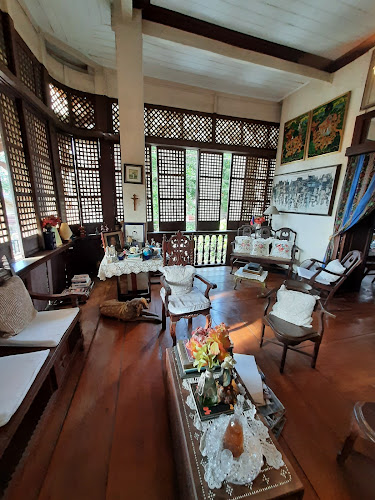
Goco Ancestral House
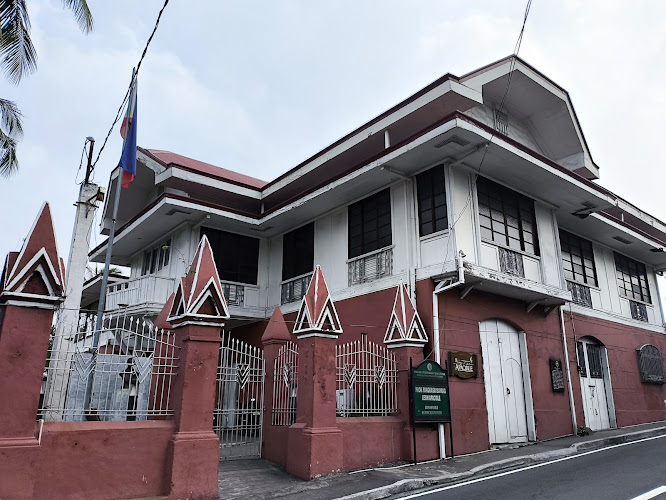
Museo nina Leon at Galicano Apacible
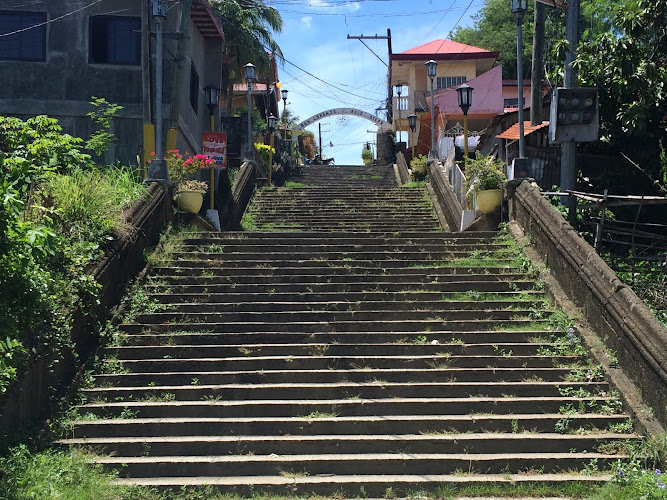
San Lorenzo Ruiz Steps
Find Accommodations Nearby
Recommended Tours & Activities
Visitor Reviews
There are no reviews yet. Be the first one to write one.
Share Your Experience
Have you visited Minor Basilica and Parish of St. Martin of Tours? Help other travelers by leaving a review.