
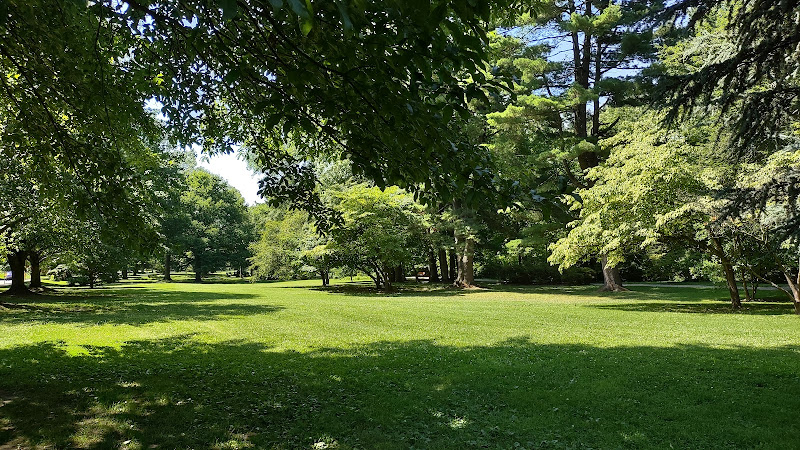
Merion Botanical Park
About Merion Botanical Park
Description
Hidden among the leafy avenues of Merion Station, the Merion Botanical Park often flies beneath most travel radars, which—honestly—only adds to its charm. This is one of those places where you "accidentally" become a regular because the path winds just right and the birds don't just sing, they genuinely seem to be in a good mood. The park, modest in size compared to sprawling arboretums yet abundant in personality, feels like a well-kept local secret. It’s the sort of place I ended up lingering far longer than I meant to, sitting on a bench under an old oak, sipping coffee and actually noticing which wildflowers were coming up after last night’s rain.
This wouldn’t be your go-to for massive greenhouse collections or formal rose gardens that shout for your attention. Instead, Merion Botanical Park is more like a heartfelt conversation with a friend who really listens. The garden beds reflect thoughtful volunteer care, there’s a meandering vibe to the trails, and you will spot more than a handful of locals taking their dogs for their ritual trot. It feels lived-in—in the best way. When I visited, a grandmother was proudly showing her grandkids a hidden patch of daffodils, while a young couple tried (with various success) to keep their spaniel from leaping into the creek. There are memories in the making here.
Accessibility isn’t just lip service at Merion Botanical Park. With a wheelchair accessible entrance and parking, families, elders, and those with mobility challenges can experience the soul-restoring magic of a local botanical haven without hurdles. Trails are friendly for little legs and strollers; honestly, it's the perfect launchpad for budding naturalists (or just squirmy kids who need to run off breakfast).
What’s most striking—especially if you’re a local traveler or someone just passing through Philadelphia's quieter neighborhoods—is how community-oriented the whole environment feels. Flowers get planted by the hands of people who probably see them bloom on their daily walks. There’s just so much earnestness here. It’s not ever going to feel crowded, either; there’s room to breathe, think, and just be. Bring your sketchbook or a good book; you’ll probably want to stay.
Key Features
- Wheelchair Accessible: Both parking lot and entrance are fully accessible, so everyone can enjoy the journey into native trees and curated beds.
- Family-Friendly Trails: Well-maintained paths perfect for kids, with gentle grades and hidden natural wonders around just about every corner. There are even designated kid-friendly hikes, making it ideal for families looking to burn off some youthful energy.
- Dog-Friendly: Don’t leave Fido at home; leashed dogs are welcome throughout the park! You’ll notice plenty of wagging tails along the winding paths.
- Diverse Plant Life: Thanks to years of careful stewardship, you'll spot everything from native Pennsylvania wildflowers to mature shade trees. If you come at the right time of year, the rhododendrons and azaleas explode with color.
- Community Connection: This isn’t a faceless public attraction. Volunteers and neighbors shape the space, organizing clean-ups and adding small touches. If you catch an event, consider yourself lucky.
- Peaceful Vibe: Forget traffic noise or crowds; this garden is for people who want to hear a goldfinch call or follow a butterfly along the trail. It’s about slowing down.
- Natural Stream: A gentle waterway cuts through the landscape, adding ambiance and the chance to catch sight of frogs (or toddlers in rain boots, weather depending).
- Rest Areas & Benches: Thoughtfully placed seats let you soak up the surroundings without feeling rushed. I always appreciate a bench that feels like it was installed for pausing, not just passing through.
Best Time to Visit
You probably guessed—spring and fall steal the show. Honestly, if you’re after that feeling of utter freshness, mid-April is when the wildflowers and early bulbs put on their subtle but determined display. The air smells like green waking up, and it’s when I felt closest to “wow, I should pay more attention to nature.”
Those aforementioned rhododendrons? Early May is their moment. The explosion of color isn’t overwhelming, but there’s an understated confidence to each bloom. Come back in late September to catch the trees trading greens for amber and rust. I won’t pretend winter is a wild party here, but for some, the quiet frosted branches and nearly empty trails are pure bliss—especially after fresh snow. If you’re a birder, don’t pass up winter; there’s a lot of action at the feeders.
Summer is perfectly pleasant, too, if you favor shade and the murmur of the stream over big crowds. There’s always something quietly growing. I once met a local who swears by early morning walks here in July, when the dew still glimmers on the grass.
Pro tip: Avoid rainy weekends if you mind a bit of mud. But honestly, a pair of boots and a raincoat makes for an entirely new and somehow more magical experience—a chance to have the whole leafy world to yourself.
How to Get There
Merion Botanical Park is ridiculously easy to get to, whether you’re swinging by as a local or are an out-of-towner navigating unfamiliar roads. If you’re driving, there’s usually ample parking right by the entrance—and yes, it’s free (which still feels like an undeserved gift, let’s be honest).
For travelers who prefer public transport (respect!), several regional bus and train lines drop you within a short walk of the entrance. I once made the whole journey from Philadelphia’s city center with one transfer and a fifteen-minute stroll. It’s the sort of adventure that reminds you suburban Philadelphia has these green gems sprinkled everywhere.
Biking? There are nearby paths that connect you to other local parks, and getting here on two wheels feels just right, especially in the springtime when the streets are lined with cherry blossoms. If you’re coming with family or friends, carpooling is a good idea, especially if an event is happening or it’s peak bloom season.
Once you arrive, all you need to do is follow the signs—or honestly, just trust the meandering locals with dogs and children; they know where to go.
Tips for Visiting
First off, wear comfortable shoes. Even though the paths are well-kept, you’ll want to keep wandering “just a bit further.” And if you’re like me, you'll end up veering off the main trail to investigate some curious flower or watch a chipmunk do that weird little tail twitch.
Bring water and maybe a snack, especially if you plan to sit a while. There aren’t food vendors inside—part of the charm, honestly—but that means you’ll need to BYO coffee or picnic. I’ve seen more than a few families camped out with blankets and juice boxes, totally at home amid the wildflowers.
Photography is a must, but please, don’t trample the beds for the perfect shot. There's always a better angle a step or two back (and you get fewer muddy knees). If you’re into birdwatching, bring binoculars—the park is a regular itinerary stop for warblers and robins, and hawks sometimes pass overhead.
Visiting with young kids? You're in luck. The kid-friendly trails aren’t just babble; they’re genuinely navigable for little legs, and there are usually other families about. If you’ve got a dog—just remember the leash. Most pet owners are super considerate, but best to bring waste bags and keep an eye out for the occasional curious squirrel.
If you love plants and want to learn more, keep an eye on community bulletin boards or local social groups; impromptu guided walks or garden volunteer days do happen, and these are led by people with stories to share. I still remember a retired botany teacher who gave me an impromptu lecture on the wild violets' role in the ecosystem.
And don’t rush. The joy of Merion Botanical Park is in letting your plans loosen, sitting beside the stream for “just five more minutes” (which often turns into half an hour), watching as the light shifts, and maybe even leaving your phone in your pocket the whole time. Take the moment—you won’t get it back.
At the end of the day, this isn’t a place for loud tourists or hurried sightseeing. It’s for travelers and wanderers who know the value of slow, genuine connection with nature. And trust me, if you linger, you'll spot at least one scene—be it a pileated woodpecker clinging to a branch, a riot of color in late spring, or a wave from a fellow walker—that’ll stick with you long after you’ve left.
Key Features
- Key Features
- Best Time to Visit
- How to Get There
- Tips for Visiting
More Details
Updated July 6, 2025
Table of Contents
Description
Hidden among the leafy avenues of Merion Station, the Merion Botanical Park often flies beneath most travel radars, which—honestly—only adds to its charm. This is one of those places where you “accidentally” become a regular because the path winds just right and the birds don’t just sing, they genuinely seem to be in a good mood. The park, modest in size compared to sprawling arboretums yet abundant in personality, feels like a well-kept local secret. It’s the sort of place I ended up lingering far longer than I meant to, sitting on a bench under an old oak, sipping coffee and actually noticing which wildflowers were coming up after last night’s rain.
This wouldn’t be your go-to for massive greenhouse collections or formal rose gardens that shout for your attention. Instead, Merion Botanical Park is more like a heartfelt conversation with a friend who really listens. The garden beds reflect thoughtful volunteer care, there’s a meandering vibe to the trails, and you will spot more than a handful of locals taking their dogs for their ritual trot. It feels lived-in—in the best way. When I visited, a grandmother was proudly showing her grandkids a hidden patch of daffodils, while a young couple tried (with various success) to keep their spaniel from leaping into the creek. There are memories in the making here.
Accessibility isn’t just lip service at Merion Botanical Park. With a wheelchair accessible entrance and parking, families, elders, and those with mobility challenges can experience the soul-restoring magic of a local botanical haven without hurdles. Trails are friendly for little legs and strollers; honestly, it’s the perfect launchpad for budding naturalists (or just squirmy kids who need to run off breakfast).
What’s most striking—especially if you’re a local traveler or someone just passing through Philadelphia’s quieter neighborhoods—is how community-oriented the whole environment feels. Flowers get planted by the hands of people who probably see them bloom on their daily walks. There’s just so much earnestness here. It’s not ever going to feel crowded, either; there’s room to breathe, think, and just be. Bring your sketchbook or a good book; you’ll probably want to stay.
Key Features
- Wheelchair Accessible: Both parking lot and entrance are fully accessible, so everyone can enjoy the journey into native trees and curated beds.
- Family-Friendly Trails: Well-maintained paths perfect for kids, with gentle grades and hidden natural wonders around just about every corner. There are even designated kid-friendly hikes, making it ideal for families looking to burn off some youthful energy.
- Dog-Friendly: Don’t leave Fido at home; leashed dogs are welcome throughout the park! You’ll notice plenty of wagging tails along the winding paths.
- Diverse Plant Life: Thanks to years of careful stewardship, you’ll spot everything from native Pennsylvania wildflowers to mature shade trees. If you come at the right time of year, the rhododendrons and azaleas explode with color.
- Community Connection: This isn’t a faceless public attraction. Volunteers and neighbors shape the space, organizing clean-ups and adding small touches. If you catch an event, consider yourself lucky.
- Peaceful Vibe: Forget traffic noise or crowds; this garden is for people who want to hear a goldfinch call or follow a butterfly along the trail. It’s about slowing down.
- Natural Stream: A gentle waterway cuts through the landscape, adding ambiance and the chance to catch sight of frogs (or toddlers in rain boots, weather depending).
- Rest Areas & Benches: Thoughtfully placed seats let you soak up the surroundings without feeling rushed. I always appreciate a bench that feels like it was installed for pausing, not just passing through.
Best Time to Visit
You probably guessed—spring and fall steal the show. Honestly, if you’re after that feeling of utter freshness, mid-April is when the wildflowers and early bulbs put on their subtle but determined display. The air smells like green waking up, and it’s when I felt closest to “wow, I should pay more attention to nature.”
Those aforementioned rhododendrons? Early May is their moment. The explosion of color isn’t overwhelming, but there’s an understated confidence to each bloom. Come back in late September to catch the trees trading greens for amber and rust. I won’t pretend winter is a wild party here, but for some, the quiet frosted branches and nearly empty trails are pure bliss—especially after fresh snow. If you’re a birder, don’t pass up winter; there’s a lot of action at the feeders.
Summer is perfectly pleasant, too, if you favor shade and the murmur of the stream over big crowds. There’s always something quietly growing. I once met a local who swears by early morning walks here in July, when the dew still glimmers on the grass.
Pro tip: Avoid rainy weekends if you mind a bit of mud. But honestly, a pair of boots and a raincoat makes for an entirely new and somehow more magical experience—a chance to have the whole leafy world to yourself.
How to Get There
Merion Botanical Park is ridiculously easy to get to, whether you’re swinging by as a local or are an out-of-towner navigating unfamiliar roads. If you’re driving, there’s usually ample parking right by the entrance—and yes, it’s free (which still feels like an undeserved gift, let’s be honest).
For travelers who prefer public transport (respect!), several regional bus and train lines drop you within a short walk of the entrance. I once made the whole journey from Philadelphia’s city center with one transfer and a fifteen-minute stroll. It’s the sort of adventure that reminds you suburban Philadelphia has these green gems sprinkled everywhere.
Biking? There are nearby paths that connect you to other local parks, and getting here on two wheels feels just right, especially in the springtime when the streets are lined with cherry blossoms. If you’re coming with family or friends, carpooling is a good idea, especially if an event is happening or it’s peak bloom season.
Once you arrive, all you need to do is follow the signs—or honestly, just trust the meandering locals with dogs and children; they know where to go.
Tips for Visiting
First off, wear comfortable shoes. Even though the paths are well-kept, you’ll want to keep wandering “just a bit further.” And if you’re like me, you’ll end up veering off the main trail to investigate some curious flower or watch a chipmunk do that weird little tail twitch.
Bring water and maybe a snack, especially if you plan to sit a while. There aren’t food vendors inside—part of the charm, honestly—but that means you’ll need to BYO coffee or picnic. I’ve seen more than a few families camped out with blankets and juice boxes, totally at home amid the wildflowers.
Photography is a must, but please, don’t trample the beds for the perfect shot. There’s always a better angle a step or two back (and you get fewer muddy knees). If you’re into birdwatching, bring binoculars—the park is a regular itinerary stop for warblers and robins, and hawks sometimes pass overhead.
Visiting with young kids? You’re in luck. The kid-friendly trails aren’t just babble; they’re genuinely navigable for little legs, and there are usually other families about. If you’ve got a dog—just remember the leash. Most pet owners are super considerate, but best to bring waste bags and keep an eye out for the occasional curious squirrel.
If you love plants and want to learn more, keep an eye on community bulletin boards or local social groups; impromptu guided walks or garden volunteer days do happen, and these are led by people with stories to share. I still remember a retired botany teacher who gave me an impromptu lecture on the wild violets’ role in the ecosystem.
And don’t rush. The joy of Merion Botanical Park is in letting your plans loosen, sitting beside the stream for “just five more minutes” (which often turns into half an hour), watching as the light shifts, and maybe even leaving your phone in your pocket the whole time. Take the moment—you won’t get it back.
At the end of the day, this isn’t a place for loud tourists or hurried sightseeing. It’s for travelers and wanderers who know the value of slow, genuine connection with nature. And trust me, if you linger, you’ll spot at least one scene—be it a pileated woodpecker clinging to a branch, a riot of color in late spring, or a wave from a fellow walker—that’ll stick with you long after you’ve left.
Key Highlights
- Key Features
- Best Time to Visit
- How to Get There
- Tips for Visiting
Location
Places to Stay Near Merion Botanical Park
Find and Book a Tour
Explore More Travel Guides
No reviews found! Be the first to review!
Traveler Reviews for Merion Botanical Park
There are no reviews yet. Be the first one to write one.
Have you visited Merion Botanical Park? Help other travelers by sharing your review.
You Might Also Like

Lyon

Jennings Beach

Alabama Museum of Natural History
Find Accommodations Nearby
Recommended Tours & Activities
Visitor Reviews
There are no reviews yet. Be the first one to write one.
Share Your Experience
Have you visited Merion Botanical Park? Help other travelers by leaving a review.