
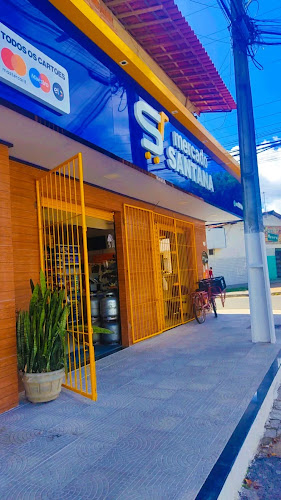
Mercado Santana 1
About Mercado Santana 1
Description
Mercado Santana 1 stands as one of those authentic market experiences that travelers often stumble upon by happy accident, though honestly it deserves to be at the top of your list if you're looking to experience local life in a genuinely unfiltered way. This isn't one of those sanitized tourist markets where everything feels staged for Instagram - it's a working mercado where locals actually shop, and that makes all the difference. The market operates primarily as a traditional butcher shop and general market space, which might not sound particularly exciting at first glance. But here's the thing I've learned after years of traveling: the best cultural experiences happen in places where people go about their daily routines. And Mercado Santana 1 fits that bill perfectly. You'll find yourself surrounded by the sights and sounds of a genuine neighborhood gathering spot, where vendors know their regular customers by name and the rhythm of commerce follows patterns established over decades. Walking through Mercado Santana 1, you're immediately struck by how functional everything is. There's no pretense here, no attempt to cater specifically to tourists looking for souvenirs or photo ops. Instead, you get meat counters displaying cuts you might not recognize, produce sections with fruits and vegetables that locals actually cook with, and an atmosphere that feels refreshingly real. The butcher shop component is particularly impressive if you're someone who appreciates quality meat preparation and wants to see how different cultures approach their protein selection. What really sets this mercado apart is its commitment to serving the community rather than chasing tourist dollars. Sure, visitors are welcome and you'll probably enjoy browsing even if you're not planning to cook anything. But the primary function remains providing neighborhood residents with their daily necessities. That authenticity translates into reasonable prices, genuine interactions, and a chance to observe local shopping habits up close.Key Features
The market offers several standout characteristics that make it worth adding to your travel itinerary:- Traditional butcher shop with expertly prepared meat cuts showcasing local preferences and culinary traditions
- Authentic neighborhood market atmosphere where locals conduct their regular shopping without tourist-oriented modifications
- Modern payment options including credit cards, debit cards, and NFC mobile payments making transactions convenient for international visitors
- Reasonable pricing structure reflecting local economic conditions rather than inflated tourist rates
- Opportunity to observe genuine cultural shopping patterns and vendor-customer relationships
- Fresh produce and meat selection that changes based on seasonal availability and local demand
- Knowledgeable vendors who can explain different cuts, preparation methods, and traditional cooking approaches
- Compact layout that allows for easy navigation without feeling overwhelming or overly commercialized
Best Time to Visit
Timing your visit to Mercado Santana 1 can significantly impact your experience, and I've got some thoughts based on what typically works best at traditional markets like this one. Morning hours, particularly between 8 AM and 11 AM, offer the most authentic market experience. This is when local residents do their shopping before the heat of the day sets in, and you'll see the market operating at full capacity. The energy during these hours is something special - vendors calling out their offerings, customers examining produce and discussing recipes with butchers, and the general bustle of commerce happening all around you. Plus, the meat selection is at its freshest early in the day, which matters if you're actually planning to purchase anything. Mid-morning to early afternoon presents a different vibe but still worthwhile. The crowds thin out somewhat, which can actually work in your favor if you prefer a more relaxed browsing experience. You'll have more opportunity to chat with vendors without feeling like you're holding up a line, and that's when you can really learn about local ingredients and cooking methods. I'd generally avoid visiting during traditional siesta hours or late afternoon. Many market vendors take breaks during the hottest part of the day, and selection may be more limited as popular items sell out. The market likely operates on a schedule that reflects local habits, meaning it probably closes earlier than you might expect if you're used to Western shopping hours. Weekday visits typically provide a more genuine experience than weekends, though weekends can be busier and therefore more energetic. If you're trying to avoid crowds entirely, aim for Tuesday through Thursday mornings. But if you want to see the market at its most lively and social, Saturday mornings are usually peak time. Seasonal considerations matter too. The market likely sees different products depending on what's in season locally, so if you're interested in regional specialties, do a bit of research about what's harvested when. And honestly, visiting during local festival periods can add an extra dimension to the experience, as markets often carry special items tied to celebrations.How to Get There
Getting to Mercado Santana 1 requires some planning, but it's definitely manageable for travelers willing to navigate like locals do. One thing worth mentioning upfront - the market doesn't offer wheelchair accessible parking, so visitors with mobility considerations should plan alternative arrangements. Taxis and rideshare services represent probably your easiest option, especially if you're staying in a tourist area. The beauty of using these services is that drivers generally know the market well since it's a legitimate local destination rather than some obscure spot. Just show the driver the market name and you should be fine. The cost is usually reasonable since you're not heading to a tourist trap with inflated prices. Public transportation can work well if you're comfortable with local bus or metro systems. Markets like this are typically located in residential neighborhoods with decent public transit connections since local shoppers need to reach them easily. Take some time before your trip to map out routes using local transit apps or Google Maps. And here's a tip I've learned the hard way - download offline maps before you go, just in case your data connection gets spotty. If you're driving yourself, be prepared for potentially tight parking situations. Traditional mercados often exist in older neighborhood areas where parking wasn't really part of the original infrastructure plan. You might need to park a few blocks away and walk, which honestly isn't a bad thing since you'll see more of the neighborhood anyway. Just make sure you understand local parking regulations because getting towed or ticketed in a foreign place is nobody's idea of a good time. Walking to the market can be a great option if your accommodation is within reasonable distance. I'm a big believer in exploring neighborhoods on foot when possible because you notice details that flash past when you're in a vehicle. You'll spot interesting shops, observe daily life, and generally get a better feel for the area. Just use common sense about safety and keep valuables secured.Tips for Visiting
Let me share some practical advice that'll help you get the most out of your Mercado Santana 1 experience, based on what typically works well at authentic local markets. First off, bring cash even though the market accepts modern payment methods. While credit cards, debit cards, and mobile payments are accepted, having local currency can sometimes speed up transactions and is appreciated by vendors. Plus, smaller purchases might be easier to handle with cash, and you'll avoid any potential issues with card readers or connectivity problems. Dress appropriately for a working market environment. This means comfortable shoes that you don't mind getting a bit dirty, and clothing suitable for walking around a space that might not be climate controlled. Markets can be warm, crowded, and sometimes a bit messy - that's part of their charm, but you should be dressed accordingly. Learn a few basic phrases in the local language before visiting. Even if your accent is terrible (and trust me, mine usually is), making the effort to communicate in the local language goes a long way. Basic greetings, "how much does this cost," "thank you," and "can I take a photo" will serve you well. Vendors appreciate when visitors make an effort, and it can lead to more genuine interactions. Don't be afraid to explore thoroughly but be respectful of the fact that this is a working market. Feel free to look around, observe the various offerings, and soak in the atmosphere. But remember that vendors are trying to conduct business, so don't block aisles for extended periods or interfere with actual customers trying to shop. If you're interested in purchasing meat from the butcher section, consider asking for recommendations rather than just pointing at random cuts. The butchers know their products intimately and can suggest items that work well for specific cooking methods or dishes. This is especially valuable if you're renting accommodation with cooking facilities and want to prepare something local. Photography etiquette matters here. While the market offers fantastic photo opportunities, always ask permission before photographing vendors or their displays. Some people are happy to be photographed, others aren't, and respecting those boundaries is crucial. And honestly, some of my best market photos have come from conversations that started with politely asking permission. Visit with an open mind and without rigid expectations. Markets like Mercado Santana 1 might not have every amenity you're used to, and things might operate differently than you expect. That's kind of the whole point. Embrace the differences, go with the flow, and appreciate the chance to experience something authentically local. Consider timing your visit so you can purchase items to take home or prepare immediately afterward. Fresh market ingredients are best enjoyed quickly, so if you're buying produce or meat, have a plan for what you'll do with it. Some travelers arrange to visit the market before heading back to their rental accommodation to cook lunch. Finally, bring a reusable bag if you're planning to purchase anything. Sustainability practices vary, and having your own bag ensures you can carry purchases easily regardless of what the vendors provide. Plus, it's better for the environment and practical for navigating crowded market spaces.Key Features
- Traditional butcher shop with expertly prepared meat cuts showcasing local preferences and culinary traditions
- Authentic neighborhood market atmosphere where locals conduct their regular shopping without tourist-oriented modifications
- Modern payment options including credit cards, debit cards, and NFC mobile payments making transactions convenient for international visitors
- Reasonable pricing structure reflecting local economic conditions rather than inflated tourist rates
- Opportunity to observe genuine cultural shopping patterns and vendor-customer relationships
- Fresh produce and meat selection that changes based on seasonal availability and local demand
- Knowledgeable vendors who can explain different cuts, preparation methods, and traditional cooking approaches
- Compact layout that allows for easy navigation without feeling overwhelming or overly commercialized
More Details
Updated March 30, 2026
Table of Contents
Description
Mercado Santana 1 stands as one of those authentic market experiences that travelers often stumble upon by happy accident, though honestly it deserves to be at the top of your list if you’re looking to experience local life in a genuinely unfiltered way. This isn’t one of those sanitized tourist markets where everything feels staged for Instagram – it’s a working mercado where locals actually shop, and that makes all the difference.
The market operates primarily as a traditional butcher shop and general market space, which might not sound particularly exciting at first glance. But here’s the thing I’ve learned after years of traveling: the best cultural experiences happen in places where people go about their daily routines. And Mercado Santana 1 fits that bill perfectly. You’ll find yourself surrounded by the sights and sounds of a genuine neighborhood gathering spot, where vendors know their regular customers by name and the rhythm of commerce follows patterns established over decades.
Walking through Mercado Santana 1, you’re immediately struck by how functional everything is. There’s no pretense here, no attempt to cater specifically to tourists looking for souvenirs or photo ops. Instead, you get meat counters displaying cuts you might not recognize, produce sections with fruits and vegetables that locals actually cook with, and an atmosphere that feels refreshingly real. The butcher shop component is particularly impressive if you’re someone who appreciates quality meat preparation and wants to see how different cultures approach their protein selection.
What really sets this mercado apart is its commitment to serving the community rather than chasing tourist dollars. Sure, visitors are welcome and you’ll probably enjoy browsing even if you’re not planning to cook anything. But the primary function remains providing neighborhood residents with their daily necessities. That authenticity translates into reasonable prices, genuine interactions, and a chance to observe local shopping habits up close.
Key Features
The market offers several standout characteristics that make it worth adding to your travel itinerary:
- Traditional butcher shop with expertly prepared meat cuts showcasing local preferences and culinary traditions
- Authentic neighborhood market atmosphere where locals conduct their regular shopping without tourist-oriented modifications
- Modern payment options including credit cards, debit cards, and NFC mobile payments making transactions convenient for international visitors
- Reasonable pricing structure reflecting local economic conditions rather than inflated tourist rates
- Opportunity to observe genuine cultural shopping patterns and vendor-customer relationships
- Fresh produce and meat selection that changes based on seasonal availability and local demand
- Knowledgeable vendors who can explain different cuts, preparation methods, and traditional cooking approaches
- Compact layout that allows for easy navigation without feeling overwhelming or overly commercialized
Best Time to Visit
Timing your visit to Mercado Santana 1 can significantly impact your experience, and I’ve got some thoughts based on what typically works best at traditional markets like this one.
Morning hours, particularly between 8 AM and 11 AM, offer the most authentic market experience. This is when local residents do their shopping before the heat of the day sets in, and you’ll see the market operating at full capacity. The energy during these hours is something special – vendors calling out their offerings, customers examining produce and discussing recipes with butchers, and the general bustle of commerce happening all around you. Plus, the meat selection is at its freshest early in the day, which matters if you’re actually planning to purchase anything.
Mid-morning to early afternoon presents a different vibe but still worthwhile. The crowds thin out somewhat, which can actually work in your favor if you prefer a more relaxed browsing experience. You’ll have more opportunity to chat with vendors without feeling like you’re holding up a line, and that’s when you can really learn about local ingredients and cooking methods.
I’d generally avoid visiting during traditional siesta hours or late afternoon. Many market vendors take breaks during the hottest part of the day, and selection may be more limited as popular items sell out. The market likely operates on a schedule that reflects local habits, meaning it probably closes earlier than you might expect if you’re used to Western shopping hours.
Weekday visits typically provide a more genuine experience than weekends, though weekends can be busier and therefore more energetic. If you’re trying to avoid crowds entirely, aim for Tuesday through Thursday mornings. But if you want to see the market at its most lively and social, Saturday mornings are usually peak time.
Seasonal considerations matter too. The market likely sees different products depending on what’s in season locally, so if you’re interested in regional specialties, do a bit of research about what’s harvested when. And honestly, visiting during local festival periods can add an extra dimension to the experience, as markets often carry special items tied to celebrations.
How to Get There
Getting to Mercado Santana 1 requires some planning, but it’s definitely manageable for travelers willing to navigate like locals do. One thing worth mentioning upfront – the market doesn’t offer wheelchair accessible parking, so visitors with mobility considerations should plan alternative arrangements.
Taxis and rideshare services represent probably your easiest option, especially if you’re staying in a tourist area. The beauty of using these services is that drivers generally know the market well since it’s a legitimate local destination rather than some obscure spot. Just show the driver the market name and you should be fine. The cost is usually reasonable since you’re not heading to a tourist trap with inflated prices.
Public transportation can work well if you’re comfortable with local bus or metro systems. Markets like this are typically located in residential neighborhoods with decent public transit connections since local shoppers need to reach them easily. Take some time before your trip to map out routes using local transit apps or Google Maps. And here’s a tip I’ve learned the hard way – download offline maps before you go, just in case your data connection gets spotty.
If you’re driving yourself, be prepared for potentially tight parking situations. Traditional mercados often exist in older neighborhood areas where parking wasn’t really part of the original infrastructure plan. You might need to park a few blocks away and walk, which honestly isn’t a bad thing since you’ll see more of the neighborhood anyway. Just make sure you understand local parking regulations because getting towed or ticketed in a foreign place is nobody’s idea of a good time.
Walking to the market can be a great option if your accommodation is within reasonable distance. I’m a big believer in exploring neighborhoods on foot when possible because you notice details that flash past when you’re in a vehicle. You’ll spot interesting shops, observe daily life, and generally get a better feel for the area. Just use common sense about safety and keep valuables secured.
Tips for Visiting
Let me share some practical advice that’ll help you get the most out of your Mercado Santana 1 experience, based on what typically works well at authentic local markets.
First off, bring cash even though the market accepts modern payment methods. While credit cards, debit cards, and mobile payments are accepted, having local currency can sometimes speed up transactions and is appreciated by vendors. Plus, smaller purchases might be easier to handle with cash, and you’ll avoid any potential issues with card readers or connectivity problems.
Dress appropriately for a working market environment. This means comfortable shoes that you don’t mind getting a bit dirty, and clothing suitable for walking around a space that might not be climate controlled. Markets can be warm, crowded, and sometimes a bit messy – that’s part of their charm, but you should be dressed accordingly.
Learn a few basic phrases in the local language before visiting. Even if your accent is terrible (and trust me, mine usually is), making the effort to communicate in the local language goes a long way. Basic greetings, “how much does this cost,” “thank you,” and “can I take a photo” will serve you well. Vendors appreciate when visitors make an effort, and it can lead to more genuine interactions.
Don’t be afraid to explore thoroughly but be respectful of the fact that this is a working market. Feel free to look around, observe the various offerings, and soak in the atmosphere. But remember that vendors are trying to conduct business, so don’t block aisles for extended periods or interfere with actual customers trying to shop.
If you’re interested in purchasing meat from the butcher section, consider asking for recommendations rather than just pointing at random cuts. The butchers know their products intimately and can suggest items that work well for specific cooking methods or dishes. This is especially valuable if you’re renting accommodation with cooking facilities and want to prepare something local.
Photography etiquette matters here. While the market offers fantastic photo opportunities, always ask permission before photographing vendors or their displays. Some people are happy to be photographed, others aren’t, and respecting those boundaries is crucial. And honestly, some of my best market photos have come from conversations that started with politely asking permission.
Visit with an open mind and without rigid expectations. Markets like Mercado Santana 1 might not have every amenity you’re used to, and things might operate differently than you expect. That’s kind of the whole point. Embrace the differences, go with the flow, and appreciate the chance to experience something authentically local.
Consider timing your visit so you can purchase items to take home or prepare immediately afterward. Fresh market ingredients are best enjoyed quickly, so if you’re buying produce or meat, have a plan for what you’ll do with it. Some travelers arrange to visit the market before heading back to their rental accommodation to cook lunch.
Finally, bring a reusable bag if you’re planning to purchase anything. Sustainability practices vary, and having your own bag ensures you can carry purchases easily regardless of what the vendors provide. Plus, it’s better for the environment and practical for navigating crowded market spaces.
Key Highlights
- Traditional butcher shop with expertly prepared meat cuts showcasing local preferences and culinary traditions
- Authentic neighborhood market atmosphere where locals conduct their regular shopping without tourist-oriented modifications
- Modern payment options including credit cards, debit cards, and NFC mobile payments making transactions convenient for international visitors
- Reasonable pricing structure reflecting local economic conditions rather than inflated tourist rates
- Opportunity to observe genuine cultural shopping patterns and vendor-customer relationships
- Fresh produce and meat selection that changes based on seasonal availability and local demand
- Knowledgeable vendors who can explain different cuts, preparation methods, and traditional cooking approaches
- Compact layout that allows for easy navigation without feeling overwhelming or overly commercialized
Location
Places to Stay Near Mercado Santana 1
Find and Book a Tour
Explore More Travel Guides
No reviews found! Be the first to review!
Mercado Santana 1 is a prominent Mercado located in Feira de Santana.
Visit us at: R. F Feira IX – Calumbi, Feira de Santana – BA, 44009-360, Brazil.
Traveler Reviews for Mercado Santana 1
There are no reviews yet. Be the first one to write one.
Have you visited Mercado Santana 1? Help other travelers by sharing your review.
You Might Also Like
Cidade das Compras
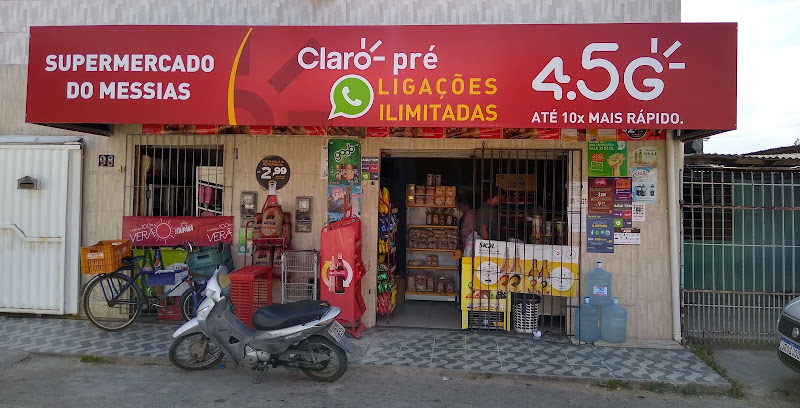
𝗠𝗘𝗥𝗖𝗔𝗗𝗢 𝗗𝗢 𝗠𝗘𝗦𝗦𝗜𝗔𝗦
ibis Feira de Santana
Find Accommodations Nearby
Recommended Tours & Activities
Visitor Reviews
There are no reviews yet. Be the first one to write one.
Share Your Experience
Have you visited Mercado Santana 1? Help other travelers by leaving a review.