About memorial de l’independance

Description

The Memorial de l’Indépendance in Gonaïves stands as one of Haiti’s most meaningful landmarks—a place where history breathes through every stone and whisper of the Caribbean breeze. It’s not just a museum; it’s a symbol of resilience, pride, and the unyielding spirit that birthed the world’s first Black republic. Stepping inside feels like walking through the echoes of January 1, 1804, when Haiti’s independence was declared right here. You can almost feel the weight of that moment hanging in the air, a mix of triumph, sacrifice, and fierce determination.

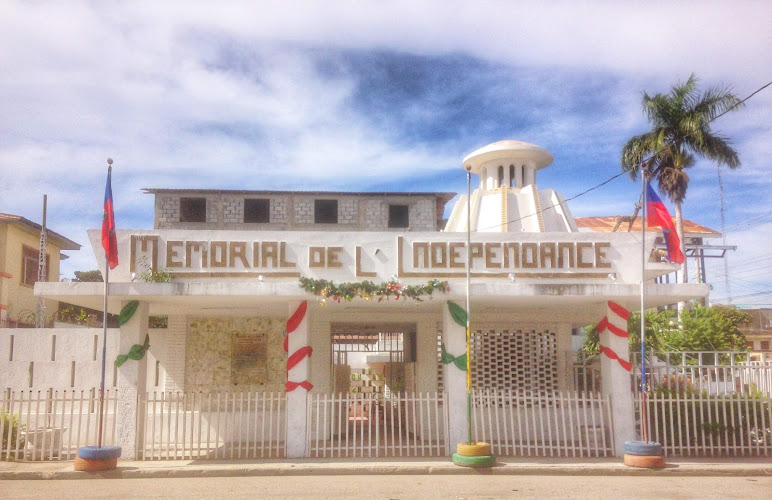
Now, I’ll be honest—this isn’t a glossy, high-tech museum with touchscreens and fancy lighting. It’s more raw, more real. Some visitors might notice the building’s wear and tear, especially after years of weather and floods, but that’s part of its authenticity. It’s a living monument, imperfect yet powerful. And that’s kind of what makes it special. The UFO-shaped roof gives it a curious charm, and the exhibits inside tell stories that textbooks often skim over. You’ll see artifacts, documents, portraits, and even personal belongings that connect you to the revolutionaries who fought for Haiti’s freedom.

The atmosphere is quiet, almost reverent. It’s the kind of place where you slow down, reflect, and realize how extraordinary this small Caribbean nation truly is. Families often come here, school groups too, and even travelers like me—just trying to understand the heart of Haiti beyond the beaches and music. It’s educational, yes, but also deeply emotional. And if you’re the type of traveler who loves places that tell real stories, not just pretty ones, this museum will move you.

Key Features

  • Historical Significance: Built on the site where Haiti’s independence was declared in 1804, the memorial is a cornerstone of national identity.
  • Museum Exhibits: Displays include original documents, artifacts, and artwork from the Haitian Revolution, offering a glimpse into the nation’s birth.
  • Architectural Design: The structure, built in 1939 under President Sténio Vincent, features a distinctive dome-like roof often compared to a UFO.
  • Accessibility: Wheelchair-accessible restrooms and facilities make it inclusive for all visitors.
  • Family-Friendly: The museum is suitable for children, with exhibits that engage curiosity and spark discussion about history and freedom.
  • Peaceful Ambiance: Despite its historical weight, the site offers a serene environment for reflection and learning.
  • Affordable Entry: The entrance fee is modest, making it accessible to both locals and travelers exploring Haitian culture.

Best Time to Visit

If you ask locals, they’ll tell you that mornings are the best time to visit. The light is soft, the air is cooler, and the streets of Gonaïves are just waking up. I went around 9 a.m., and it felt like I had the place almost to myself. The quiet made it easier to take in the details—every plaque, every photograph, every story etched into the walls.

Weather-wise, the dry season from November to April is ideal. You’ll avoid the heavy rains that sometimes make travel tricky, especially if you’re coming from Port-au-Prince or Cap-Haïtien. Visiting on national holidays, like Independence Day on January 1st, can be an unforgettable experience too. The energy in the city is electric, filled with parades, music, and pride. But keep in mind, it’ll be crowded, and accommodations might book up fast.

Personally, I think visiting outside the big celebrations gives you more space to absorb the atmosphere without distraction. You can take your time, talk to the staff, and really connect with the stories told inside those walls.

How to Get There

Getting to the Memorial de l’Indépendance isn’t complicated, but it does require a bit of planning. Gonaïves is about three hours north of Port-au-Prince by car, depending on traffic and road conditions. The drive itself is scenic—mountains, small villages, and glimpses of rural Haitian life along the way. If you’re not comfortable driving, you can hire a private driver or take a local bus (called a “tap-tap”) for a more adventurous route.

Once in Gonaïves, the memorial is easy to find. It’s located near the city center, surrounded by local shops and cafés. Most locals know it well, so if you get lost, just ask for “le Mémorial de l’Indépendance” and someone will point you in the right direction. Parking is available nearby, though space can be limited on weekends and holidays.

For those who love exploring on foot, walking through the streets of Gonaïves is an experience in itself. The rhythm of daily life, the smell of street food, the chatter of vendors—it all adds to the sense that this city is the beating heart of Haitian independence.

Tips for Visiting

Here’s the thing about visiting the Memorial de l’Indépendance: it’s not just another stop on your travel itinerary. It’s a journey into Haiti’s soul. So, a few practical and personal tips to make your visit smoother—and more meaningful.

  • Bring cash: The entrance fee is small, but cards aren’t accepted. Local currency (Haitian gourdes) works best.
  • Check opening hours: The museum sometimes closes unexpectedly or for maintenance, so it’s wise to confirm before you go—especially on Sundays.
  • Take your time: Don’t rush through the exhibits. Each artifact tells a story, and the staff are often happy to share more if you ask.
  • Dress comfortably: Light clothing and good walking shoes are a must. It can get warm inside, especially in the early afternoon.
  • Respect the space: This isn’t just a museum; it’s a sacred site for many Haitians. Keep your voice low and be mindful when taking photos.
  • Talk to locals: Gonaïves residents are proud of their city’s role in Haitian independence. Conversations here can be as enlightening as the exhibits themselves.
  • Combine your visit: If you have time, explore nearby historical landmarks or grab a bite at a local restaurant. The food in Gonaïves—especially griot and fried plantains—is worth the trip alone.

When I visited, I ended up chatting with an elderly man outside the museum who claimed his great-great-grandfather fought in the revolution. Whether or not that’s true, it reminded me that history here isn’t just in books—it’s alive, passed down through families, stories, and traditions. That’s what makes this place unforgettable.

So, if you’re planning a trip through Haiti and want to experience something truly meaningful, make time for the Memorial de l’Indépendance. It’s not flashy, and it doesn’t need to be. It’s honest, powerful, and deeply human—just like the story it tells.

Key Features

  • Key Features
  • Best Time to Visit
  • How to Get There
  • Tips for Visiting

More Details

Updated December 1, 2025


Description

The Memorial de l’Indépendance in Gonaïves stands as one of Haiti’s most meaningful landmarks—a place where history breathes through every stone and whisper of the Caribbean breeze. It’s not just a museum; it’s a symbol of resilience, pride, and the unyielding spirit that birthed the world’s first Black republic. Stepping inside feels like walking through the echoes of January 1, 1804, when Haiti’s independence was declared right here. You can almost feel the weight of that moment hanging in the air, a mix of triumph, sacrifice, and fierce determination.

Now, I’ll be honest—this isn’t a glossy, high-tech museum with touchscreens and fancy lighting. It’s more raw, more real. Some visitors might notice the building’s wear and tear, especially after years of weather and floods, but that’s part of its authenticity. It’s a living monument, imperfect yet powerful. And that’s kind of what makes it special. The UFO-shaped roof gives it a curious charm, and the exhibits inside tell stories that textbooks often skim over. You’ll see artifacts, documents, portraits, and even personal belongings that connect you to the revolutionaries who fought for Haiti’s freedom.

The atmosphere is quiet, almost reverent. It’s the kind of place where you slow down, reflect, and realize how extraordinary this small Caribbean nation truly is. Families often come here, school groups too, and even travelers like me—just trying to understand the heart of Haiti beyond the beaches and music. It’s educational, yes, but also deeply emotional. And if you’re the type of traveler who loves places that tell real stories, not just pretty ones, this museum will move you.

Key Features

  • Historical Significance: Built on the site where Haiti’s independence was declared in 1804, the memorial is a cornerstone of national identity.
  • Museum Exhibits: Displays include original documents, artifacts, and artwork from the Haitian Revolution, offering a glimpse into the nation’s birth.
  • Architectural Design: The structure, built in 1939 under President Sténio Vincent, features a distinctive dome-like roof often compared to a UFO.
  • Accessibility: Wheelchair-accessible restrooms and facilities make it inclusive for all visitors.
  • Family-Friendly: The museum is suitable for children, with exhibits that engage curiosity and spark discussion about history and freedom.
  • Peaceful Ambiance: Despite its historical weight, the site offers a serene environment for reflection and learning.
  • Affordable Entry: The entrance fee is modest, making it accessible to both locals and travelers exploring Haitian culture.

Best Time to Visit

If you ask locals, they’ll tell you that mornings are the best time to visit. The light is soft, the air is cooler, and the streets of Gonaïves are just waking up. I went around 9 a.m., and it felt like I had the place almost to myself. The quiet made it easier to take in the details—every plaque, every photograph, every story etched into the walls.

Weather-wise, the dry season from November to April is ideal. You’ll avoid the heavy rains that sometimes make travel tricky, especially if you’re coming from Port-au-Prince or Cap-Haïtien. Visiting on national holidays, like Independence Day on January 1st, can be an unforgettable experience too. The energy in the city is electric, filled with parades, music, and pride. But keep in mind, it’ll be crowded, and accommodations might book up fast.

Personally, I think visiting outside the big celebrations gives you more space to absorb the atmosphere without distraction. You can take your time, talk to the staff, and really connect with the stories told inside those walls.

How to Get There

Getting to the Memorial de l’Indépendance isn’t complicated, but it does require a bit of planning. Gonaïves is about three hours north of Port-au-Prince by car, depending on traffic and road conditions. The drive itself is scenic—mountains, small villages, and glimpses of rural Haitian life along the way. If you’re not comfortable driving, you can hire a private driver or take a local bus (called a “tap-tap”) for a more adventurous route.

Once in Gonaïves, the memorial is easy to find. It’s located near the city center, surrounded by local shops and cafés. Most locals know it well, so if you get lost, just ask for “le Mémorial de l’Indépendance” and someone will point you in the right direction. Parking is available nearby, though space can be limited on weekends and holidays.

For those who love exploring on foot, walking through the streets of Gonaïves is an experience in itself. The rhythm of daily life, the smell of street food, the chatter of vendors—it all adds to the sense that this city is the beating heart of Haitian independence.

Tips for Visiting

Here’s the thing about visiting the Memorial de l’Indépendance: it’s not just another stop on your travel itinerary. It’s a journey into Haiti’s soul. So, a few practical and personal tips to make your visit smoother—and more meaningful.

  • Bring cash: The entrance fee is small, but cards aren’t accepted. Local currency (Haitian gourdes) works best.
  • Check opening hours: The museum sometimes closes unexpectedly or for maintenance, so it’s wise to confirm before you go—especially on Sundays.
  • Take your time: Don’t rush through the exhibits. Each artifact tells a story, and the staff are often happy to share more if you ask.
  • Dress comfortably: Light clothing and good walking shoes are a must. It can get warm inside, especially in the early afternoon.
  • Respect the space: This isn’t just a museum; it’s a sacred site for many Haitians. Keep your voice low and be mindful when taking photos.
  • Talk to locals: Gonaïves residents are proud of their city’s role in Haitian independence. Conversations here can be as enlightening as the exhibits themselves.
  • Combine your visit: If you have time, explore nearby historical landmarks or grab a bite at a local restaurant. The food in Gonaïves—especially griot and fried plantains—is worth the trip alone.

When I visited, I ended up chatting with an elderly man outside the museum who claimed his great-great-grandfather fought in the revolution. Whether or not that’s true, it reminded me that history here isn’t just in books—it’s alive, passed down through families, stories, and traditions. That’s what makes this place unforgettable.

So, if you’re planning a trip through Haiti and want to experience something truly meaningful, make time for the Memorial de l’Indépendance. It’s not flashy, and it doesn’t need to be. It’s honest, powerful, and deeply human—just like the story it tells.

Key Highlights

  • Key Features
  • Best Time to Visit
  • How to Get There
  • Tips for Visiting

Location

Places to Stay Near memorial de l'independance

Find and Book a Tour

Explore More Travel Guides

No reviews found! Be the first to review!

Traveler Reviews for memorial de l’independance

There are no reviews yet. Be the first one to write one.

Share Your Experience

Have you visited memorial de l’independance? Help other travelers by sharing your review.

Find Accommodations Nearby

Recommended Tours & Activities

Visitor Reviews

There are no reviews yet. Be the first one to write one.

Share Your Experience

Have you visited memorial de l’independance? Help other travelers by leaving a review.