
Meknes Museum
About Meknes Museum
Description
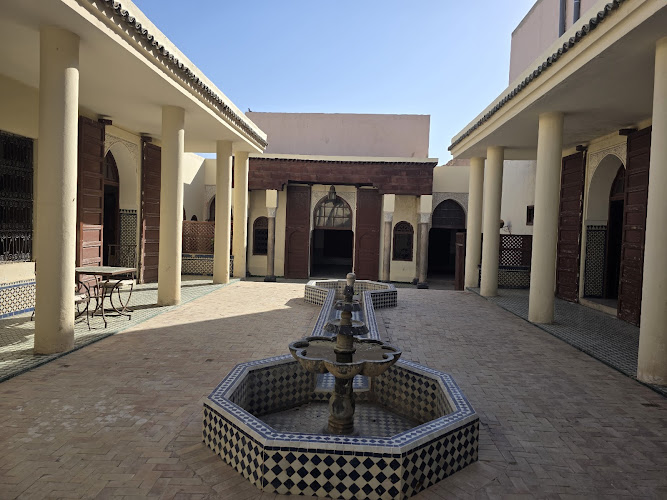
The Meknes Museum stands as one of Morocco's fascinating windows into the country's rich historical tapestry, housed within a beautifully preserved traditional Moroccan building that itself tells stories of centuries past. When I first heard about this museum, I'll be honest – I wasn't expecting much beyond the typical dusty displays you often find in regional history museums. But there's something genuinely captivating about how this institution manages to preserve and present the cultural heritage of the Meknes region. This history museum serves as a cultural repository for artifacts spanning multiple periods of Moroccan civilization, from ancient Berber times through the Islamic dynasties that shaped this imperial city. The building itself deserves attention – it's one of those architectural gems where the container is almost as interesting as what's contained within. Walking through its doors feels like stepping back in time, with traditional zellige tilework and carved cedar ceilings that remind visitors why Meknes earned its designation as a UNESCO World Heritage site. The collection here isn't massive by international standards, but what it lacks in quantity it makes up for in regional significance. You'll find archaeological discoveries from nearby Roman ruins at Volubilis, traditional Moroccan crafts that showcase the artisanal heritage of the region, and historical documents that illuminate the glory days when Meknes served as Morocco's capital under Sultan Moulay Ismail in the 17th century. The museum does a decent job of contextualizing these pieces within the broader narrative of Moroccan history, though I'd say the presentation style is somewhat traditional and could use a modern refresh in places. What makes this museum particularly worthwhile for travelers is its authenticity. This isn't a tourist trap designed to extract maximum dirhams from visitors – it's a genuine local institution that happens to welcome curious travelers. The atmosphere tends to be quiet, sometimes almost meditative, which can be a welcome respite from the bustling souks and crowded tourist attractions elsewhere in the city. Some visitors find this peaceful quality enchanting, while others might consider it a bit sleepy depending on what they're seeking from their museum experience.Key Features
- Architectural beauty featuring traditional Moroccan design elements including intricate tilework, carved plaster, and painted wood ceilings that exemplify imperial-era craftsmanship
- Archaeological artifacts from the Roman site of Volubilis, including pottery, coins, and fragments that connect the region's pre-Islamic history to its later development
- Traditional Moroccan arts and crafts displays showcasing local artisanal work including embroidery, metalwork, and woodcarving techniques specific to the Meknes region
- Historical weapons and military artifacts from various periods, particularly items connected to Sultan Moulay Ismail's reign when Meknes was the imperial capital
- Ethnographic exhibits documenting daily life, traditional clothing, and cultural practices of different communities that have called the Meknes region home
- Restroom facilities available on-site, making it practical for families and those planning extended visits
- Child-friendly environment with enough visual interest to keep younger visitors engaged, though interactive elements are limited
- Quieter atmosphere compared to larger Moroccan museums, allowing for contemplative viewing and photography opportunities
- Rotating exhibitions that sometimes feature contemporary interpretations of traditional themes or special collections from private donors
- Knowledgeable local staff who can provide context and answer questions, though English proficiency varies
Best Time to Visit
Timing your visit to the Meknes Museum requires considering both the season and time of day to maximize your experience. The museum operates year-round, but the quality of your visit can vary significantly based on when you choose to go. Spring months from March through May offer perhaps the most comfortable visiting conditions. The weather in Meknes during this period is mild and pleasant, making the walk to the museum enjoyable rather than an ordeal. Plus, this is when you'll often encounter fewer tour groups, meaning you can actually spend time with the exhibits without feeling rushed or crowded. I personally think there's something special about visiting museums during shoulder season – you get that sense of discovery without the tourist circus that sometimes diminishes the experience. Summer can be brutally hot in Meknes, with temperatures soaring well into the 90s Fahrenheit. The museum building itself stays relatively cool thanks to its thick traditional walls, which is actually a bonus. But getting there might leave you sweaty and uncomfortable. If you're visiting during summer months, definitely plan your museum visit for morning hours between 9 AM and noon when temperatures are more manageable. Fall, particularly September and October, represents another excellent window. The summer crowds have dissipated, local life returns to its regular rhythm, and the weather moderates to comfortable levels. This is when you'll get the most authentic experience of the museum as locals use it. Winter visits work well too, though Meknes can get surprisingly chilly and occasionally rainy. The museum isn't heavily heated, so dress in layers. However, winter weekdays often mean you'll have galleries almost entirely to yourself, which creates an incredibly intimate experience with the artifacts. Regarding time of day, I'd suggest arriving either right when the museum opens or during the late afternoon. Mid-day tends to bring any school groups or organized tours that might be scheduled. Early morning visits give you fresh eyes and empty galleries – there's something magical about being alone with history. Late afternoon has its own charm, particularly how the natural light filters through traditional windows and illuminates the exhibits differently. Avoid Fridays if possible, as this is the Muslim holy day and the museum may have reduced hours or be closed altogether. Always verify current opening hours before planning your visit, as they can shift seasonally or during Ramadan when schedules across Morocco adjust significantly.How to Get There
Getting to the Meknes Museum requires a bit of navigation through the city's medina area, but it's part of the adventure really. The museum sits within the old city, which means modern transportation can only take you so far before you'll need to rely on your own two feet. If you're staying within Meknes itself, your best approach is typically by petit taxi – those small vehicles that zip around Moroccan cities. These taxis are metered and affordable, though you'll want to ensure the driver actually uses the meter or agree on a price before departing. Tell the driver you're heading to the museum or ask for the nearest recognizable landmark. Most drivers know the area well. They'll drop you at the medina entrance nearest to the museum, from which you'll walk the remaining distance. The walk through the medina to reach the museum is actually part of the experience. You'll navigate narrow lanes, pass traditional shops, and get a genuine feel for daily life in this historic city. Bring a map on your phone or a physical one, though honestly, asking locals for directions works wonderfully and often leads to unexpected friendly encounters. Moroccans are generally helpful to visitors seeking cultural sites. For those coming from other Moroccan cities, Meknes is well-connected by train. The train from Fes takes about 45 minutes, from Rabat roughly 2 hours, and from Casablanca around 3 hours. The Meknes train station lies outside the medina, so you'll need that petit taxi to get you closer to the museum area. Train travel in Morocco is comfortable and affordable – definitely my preferred method for intercity travel. Bus services also connect Meknes to surrounding areas, though trains offer more comfort and reliability in my experience. If you do arrive by bus, you'll similarly need local transportation to reach the medina and museum area. Some travelers opt for organized tours from Fes or other cities that include the Meknes Museum as part of a broader imperial cities itinerary. This eliminates navigation concerns entirely, though you'll have less flexibility in how long you spend at the museum and you'll be on someone else's schedule. Walking from most medina accommodations is entirely feasible and actually recommended if you're staying nearby. The medina isn't enormous by Moroccan standards, and orienting yourself on foot helps you understand the city's layout. Just allow extra time for getting lost – because you probably will at least once, and that's genuinely okay. Parking near the museum is challenging if you're driving, as the medina's narrow streets weren't designed for modern vehicles. There are parking areas at medina gates where you can leave a car, but then you're back to walking anyway.Tips for Visiting
Making the most of your Meknes Museum experience requires some practical preparation and the right mindset. Let me share some insights that'll help you avoid common frustrations and maximize your time there. First off, bring cash in Moroccan dirhams for the entrance fee. This isn't the kind of place that's set up for credit cards, and the admission is quite affordable anyway – usually just a few dollars equivalent. Keep small bills handy as making change can sometimes be an issue. Photography policies vary, so ask before you start snapping away. Generally, non-flash photography is permitted in most areas, but some specific exhibits may have restrictions. I've found that asking permission politely in French or Arabic goes much further than just assuming you can photograph everything. And honestly? Sometimes just experiencing the artifacts with your eyes rather than through a camera screen creates better memories anyway. The museum isn't huge, so plan for about 60 to 90 minutes for a thorough visit. Some people breeze through in 30 minutes, but that seems like shortchanging yourself. Take time to read the descriptions (many are in French and Arabic, with less comprehensive English translations), sit in the courtyard if there is one, and let the atmosphere sink in. Dress modestly out of respect for local customs. This means covering shoulders and knees at minimum. While the museum staff won't likely turn you away for wearing shorts, you'll feel more comfortable and respectful dressed appropriately. Plus, you'll stand out less, which sometimes means getting bothered less by would-be guides or sellers on your walk to and from the museum. Consider hiring a local guide if you really want to understand the context of what you're seeing. The museum itself may have guides available, or you can arrange one through your hotel. A knowledgeable guide transforms the experience from looking at old objects to understanding the stories they tell. But make sure to agree on the price and duration beforehand to avoid awkward negotiations afterward. The restroom facilities are available, which is genuinely helpful, but don't expect luxury. Bring tissues or toilet paper just in case, and maybe hand sanitizer. This is standard advice for travel in Morocco generally. If you're visiting with children, the museum works reasonably well for kids who have some interest in history or different cultures. There aren't interactive displays or activity sheets like you'd find in many Western museums, so keeping younger children engaged requires some creativity on your part. I've seen parents successfully turn it into a treasure hunt or story-telling experience. The museum can be combined nicely with other Meknes attractions in a single day. The famous Bab Mansour gate, the Mausoleum of Moulay Ismail, and the old medina souks are all relatively nearby. Plan your route to make geographical sense rather than bouncing all over the city. Don't expect extensive English signage or audio guides. The museum caters primarily to French-speaking visitors and locals. If you don't read French, doing a bit of research beforehand about Meknes history and the artifacts you'll likely see helps provide context you won't get from the labels. Visit on a weekday rather than weekend if possible for a quieter experience. Weekends can bring Moroccan families and student groups, which is lovely for observing how locals engage with their own heritage but potentially crowding if you prefer solitude with the exhibits. Finally, manage your expectations. This isn't the Louvre or the British Museum. It's a regional history museum with a modest collection in a secondary Moroccan city. But approached with curiosity rather than demanding world-class blockbuster exhibits, it offers genuine insight into this particular place and its multi-layered past. Sometimes the smaller, less-polished museums reveal more about a place's authentic character than the major institutions designed primarily for tourist consumption.Key Features
- Architectural beauty featuring traditional Moroccan design elements including intricate tilework, carved plaster, and painted wood ceilings that exemplify imperial-era craftsmanship
- Archaeological artifacts from the Roman site of Volubilis, including pottery, coins, and fragments that connect the region's pre-Islamic history to its later development
- Traditional Moroccan arts and crafts displays showcasing local artisanal work including embroidery, metalwork, and woodcarving techniques specific to the Meknes region
- Historical weapons and military artifacts from various periods, particularly items connected to Sultan Moulay Ismail's reign when Meknes was the imperial capital
- Ethnographic exhibits documenting daily life, traditional clothing, and cultural practices of different communities that have called the Meknes region home
- Restroom facilities available on-site, making it practical for families and those planning extended visits
- Child-friendly environment with enough visual interest to keep younger visitors engaged, though interactive elements are limited
- Quieter atmosphere compared to larger Moroccan museums, allowing for contemplative viewing and photography opportunities
More Details
Updated March 30, 2026
Table of Contents
Description
The Meknes Museum stands as one of Morocco’s fascinating windows into the country’s rich historical tapestry, housed within a beautifully preserved traditional Moroccan building that itself tells stories of centuries past. When I first heard about this museum, I’ll be honest – I wasn’t expecting much beyond the typical dusty displays you often find in regional history museums. But there’s something genuinely captivating about how this institution manages to preserve and present the cultural heritage of the Meknes region.
This history museum serves as a cultural repository for artifacts spanning multiple periods of Moroccan civilization, from ancient Berber times through the Islamic dynasties that shaped this imperial city. The building itself deserves attention – it’s one of those architectural gems where the container is almost as interesting as what’s contained within. Walking through its doors feels like stepping back in time, with traditional zellige tilework and carved cedar ceilings that remind visitors why Meknes earned its designation as a UNESCO World Heritage site.
The collection here isn’t massive by international standards, but what it lacks in quantity it makes up for in regional significance. You’ll find archaeological discoveries from nearby Roman ruins at Volubilis, traditional Moroccan crafts that showcase the artisanal heritage of the region, and historical documents that illuminate the glory days when Meknes served as Morocco’s capital under Sultan Moulay Ismail in the 17th century. The museum does a decent job of contextualizing these pieces within the broader narrative of Moroccan history, though I’d say the presentation style is somewhat traditional and could use a modern refresh in places.
What makes this museum particularly worthwhile for travelers is its authenticity. This isn’t a tourist trap designed to extract maximum dirhams from visitors – it’s a genuine local institution that happens to welcome curious travelers. The atmosphere tends to be quiet, sometimes almost meditative, which can be a welcome respite from the bustling souks and crowded tourist attractions elsewhere in the city. Some visitors find this peaceful quality enchanting, while others might consider it a bit sleepy depending on what they’re seeking from their museum experience.
Key Features
- Architectural beauty featuring traditional Moroccan design elements including intricate tilework, carved plaster, and painted wood ceilings that exemplify imperial-era craftsmanship
- Archaeological artifacts from the Roman site of Volubilis, including pottery, coins, and fragments that connect the region’s pre-Islamic history to its later development
- Traditional Moroccan arts and crafts displays showcasing local artisanal work including embroidery, metalwork, and woodcarving techniques specific to the Meknes region
- Historical weapons and military artifacts from various periods, particularly items connected to Sultan Moulay Ismail’s reign when Meknes was the imperial capital
- Ethnographic exhibits documenting daily life, traditional clothing, and cultural practices of different communities that have called the Meknes region home
- Restroom facilities available on-site, making it practical for families and those planning extended visits
- Child-friendly environment with enough visual interest to keep younger visitors engaged, though interactive elements are limited
- Quieter atmosphere compared to larger Moroccan museums, allowing for contemplative viewing and photography opportunities
- Rotating exhibitions that sometimes feature contemporary interpretations of traditional themes or special collections from private donors
- Knowledgeable local staff who can provide context and answer questions, though English proficiency varies
Best Time to Visit
Timing your visit to the Meknes Museum requires considering both the season and time of day to maximize your experience. The museum operates year-round, but the quality of your visit can vary significantly based on when you choose to go.
Spring months from March through May offer perhaps the most comfortable visiting conditions. The weather in Meknes during this period is mild and pleasant, making the walk to the museum enjoyable rather than an ordeal. Plus, this is when you’ll often encounter fewer tour groups, meaning you can actually spend time with the exhibits without feeling rushed or crowded. I personally think there’s something special about visiting museums during shoulder season – you get that sense of discovery without the tourist circus that sometimes diminishes the experience.
Summer can be brutally hot in Meknes, with temperatures soaring well into the 90s Fahrenheit. The museum building itself stays relatively cool thanks to its thick traditional walls, which is actually a bonus. But getting there might leave you sweaty and uncomfortable. If you’re visiting during summer months, definitely plan your museum visit for morning hours between 9 AM and noon when temperatures are more manageable.
Fall, particularly September and October, represents another excellent window. The summer crowds have dissipated, local life returns to its regular rhythm, and the weather moderates to comfortable levels. This is when you’ll get the most authentic experience of the museum as locals use it.
Winter visits work well too, though Meknes can get surprisingly chilly and occasionally rainy. The museum isn’t heavily heated, so dress in layers. However, winter weekdays often mean you’ll have galleries almost entirely to yourself, which creates an incredibly intimate experience with the artifacts.
Regarding time of day, I’d suggest arriving either right when the museum opens or during the late afternoon. Mid-day tends to bring any school groups or organized tours that might be scheduled. Early morning visits give you fresh eyes and empty galleries – there’s something magical about being alone with history. Late afternoon has its own charm, particularly how the natural light filters through traditional windows and illuminates the exhibits differently.
Avoid Fridays if possible, as this is the Muslim holy day and the museum may have reduced hours or be closed altogether. Always verify current opening hours before planning your visit, as they can shift seasonally or during Ramadan when schedules across Morocco adjust significantly.
How to Get There
Getting to the Meknes Museum requires a bit of navigation through the city’s medina area, but it’s part of the adventure really. The museum sits within the old city, which means modern transportation can only take you so far before you’ll need to rely on your own two feet.
If you’re staying within Meknes itself, your best approach is typically by petit taxi – those small vehicles that zip around Moroccan cities. These taxis are metered and affordable, though you’ll want to ensure the driver actually uses the meter or agree on a price before departing. Tell the driver you’re heading to the museum or ask for the nearest recognizable landmark. Most drivers know the area well. They’ll drop you at the medina entrance nearest to the museum, from which you’ll walk the remaining distance.
The walk through the medina to reach the museum is actually part of the experience. You’ll navigate narrow lanes, pass traditional shops, and get a genuine feel for daily life in this historic city. Bring a map on your phone or a physical one, though honestly, asking locals for directions works wonderfully and often leads to unexpected friendly encounters. Moroccans are generally helpful to visitors seeking cultural sites.
For those coming from other Moroccan cities, Meknes is well-connected by train. The train from Fes takes about 45 minutes, from Rabat roughly 2 hours, and from Casablanca around 3 hours. The Meknes train station lies outside the medina, so you’ll need that petit taxi to get you closer to the museum area. Train travel in Morocco is comfortable and affordable – definitely my preferred method for intercity travel.
Bus services also connect Meknes to surrounding areas, though trains offer more comfort and reliability in my experience. If you do arrive by bus, you’ll similarly need local transportation to reach the medina and museum area.
Some travelers opt for organized tours from Fes or other cities that include the Meknes Museum as part of a broader imperial cities itinerary. This eliminates navigation concerns entirely, though you’ll have less flexibility in how long you spend at the museum and you’ll be on someone else’s schedule.
Walking from most medina accommodations is entirely feasible and actually recommended if you’re staying nearby. The medina isn’t enormous by Moroccan standards, and orienting yourself on foot helps you understand the city’s layout. Just allow extra time for getting lost – because you probably will at least once, and that’s genuinely okay.
Parking near the museum is challenging if you’re driving, as the medina’s narrow streets weren’t designed for modern vehicles. There are parking areas at medina gates where you can leave a car, but then you’re back to walking anyway.
Tips for Visiting
Making the most of your Meknes Museum experience requires some practical preparation and the right mindset. Let me share some insights that’ll help you avoid common frustrations and maximize your time there.
First off, bring cash in Moroccan dirhams for the entrance fee. This isn’t the kind of place that’s set up for credit cards, and the admission is quite affordable anyway – usually just a few dollars equivalent. Keep small bills handy as making change can sometimes be an issue.
Photography policies vary, so ask before you start snapping away. Generally, non-flash photography is permitted in most areas, but some specific exhibits may have restrictions. I’ve found that asking permission politely in French or Arabic goes much further than just assuming you can photograph everything. And honestly? Sometimes just experiencing the artifacts with your eyes rather than through a camera screen creates better memories anyway.
The museum isn’t huge, so plan for about 60 to 90 minutes for a thorough visit. Some people breeze through in 30 minutes, but that seems like shortchanging yourself. Take time to read the descriptions (many are in French and Arabic, with less comprehensive English translations), sit in the courtyard if there is one, and let the atmosphere sink in.
Dress modestly out of respect for local customs. This means covering shoulders and knees at minimum. While the museum staff won’t likely turn you away for wearing shorts, you’ll feel more comfortable and respectful dressed appropriately. Plus, you’ll stand out less, which sometimes means getting bothered less by would-be guides or sellers on your walk to and from the museum.
Consider hiring a local guide if you really want to understand the context of what you’re seeing. The museum itself may have guides available, or you can arrange one through your hotel. A knowledgeable guide transforms the experience from looking at old objects to understanding the stories they tell. But make sure to agree on the price and duration beforehand to avoid awkward negotiations afterward.
The restroom facilities are available, which is genuinely helpful, but don’t expect luxury. Bring tissues or toilet paper just in case, and maybe hand sanitizer. This is standard advice for travel in Morocco generally.
If you’re visiting with children, the museum works reasonably well for kids who have some interest in history or different cultures. There aren’t interactive displays or activity sheets like you’d find in many Western museums, so keeping younger children engaged requires some creativity on your part. I’ve seen parents successfully turn it into a treasure hunt or story-telling experience.
The museum can be combined nicely with other Meknes attractions in a single day. The famous Bab Mansour gate, the Mausoleum of Moulay Ismail, and the old medina souks are all relatively nearby. Plan your route to make geographical sense rather than bouncing all over the city.
Don’t expect extensive English signage or audio guides. The museum caters primarily to French-speaking visitors and locals. If you don’t read French, doing a bit of research beforehand about Meknes history and the artifacts you’ll likely see helps provide context you won’t get from the labels.
Visit on a weekday rather than weekend if possible for a quieter experience. Weekends can bring Moroccan families and student groups, which is lovely for observing how locals engage with their own heritage but potentially crowding if you prefer solitude with the exhibits.
Finally, manage your expectations. This isn’t the Louvre or the British Museum. It’s a regional history museum with a modest collection in a secondary Moroccan city. But approached with curiosity rather than demanding world-class blockbuster exhibits, it offers genuine insight into this particular place and its multi-layered past. Sometimes the smaller, less-polished museums reveal more about a place’s authentic character than the major institutions designed primarily for tourist consumption.
Key Highlights
- Architectural beauty featuring traditional Moroccan design elements including intricate tilework, carved plaster, and painted wood ceilings that exemplify imperial-era craftsmanship
- Archaeological artifacts from the Roman site of Volubilis, including pottery, coins, and fragments that connect the region's pre-Islamic history to its later development
- Traditional Moroccan arts and crafts displays showcasing local artisanal work including embroidery, metalwork, and woodcarving techniques specific to the Meknes region
- Historical weapons and military artifacts from various periods, particularly items connected to Sultan Moulay Ismail's reign when Meknes was the imperial capital
- Ethnographic exhibits documenting daily life, traditional clothing, and cultural practices of different communities that have called the Meknes region home
- Restroom facilities available on-site, making it practical for families and those planning extended visits
- Child-friendly environment with enough visual interest to keep younger visitors engaged, though interactive elements are limited
- Quieter atmosphere compared to larger Moroccan museums, allowing for contemplative viewing and photography opportunities
Location
Places to Stay Near Meknes Museum
Find and Book a Tour
Explore More Travel Guides
No reviews found! Be the first to review!
Meknes Museum is a prominent museums located in Meknes.
Visit us at: VCVP+7FV, Rue Driba, Meknès, Morocco.
Traveler Reviews for Meknes Museum
There are no reviews yet. Be the first one to write one.
Have you visited Meknes Museum? Help other travelers by sharing your review.
You Might Also Like

Bab el-Khemis
Château Roslane

Great Mosque of Meknes
Find Accommodations Nearby
Recommended Tours & Activities
Visitor Reviews
There are no reviews yet. Be the first one to write one.
Share Your Experience
Have you visited Meknes Museum? Help other travelers by leaving a review.