
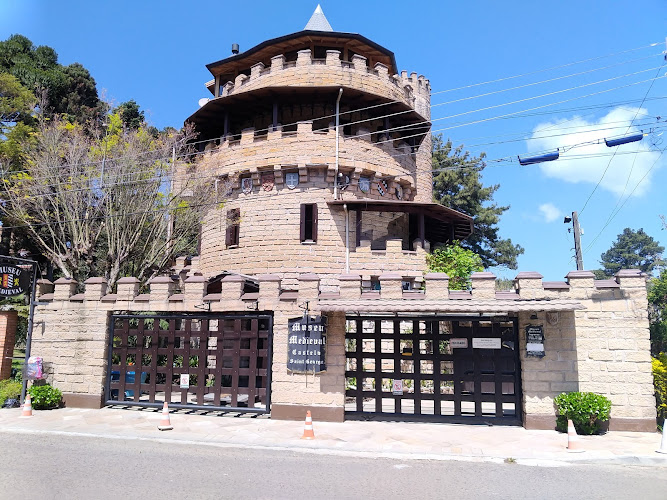
Medieval Museum Castle Saint George
About Medieval Museum Castle Saint George
Description
The Medieval Museum Castle Saint George stands as a remarkable testament to medieval warfare and craftsmanship, housed within an impressive stone castle-style building that immediately transports visitors back several centuries. This history museum has carved out quite a reputation for itself among travelers who appreciate authentic historical artifacts and the artistry of medieval weaponry. Walking through its halls feels like stepping into a different era, where knights and soldiers once wielded these very instruments of war and defense. What makes this museum particularly fascinating is its unique combination of genuine historical pieces alongside expertly crafted reproductions. And honestly, this approach works brilliantly because it allows visitors to appreciate rare authentic artifacts while also getting up close to detailed replicas that help fill in the historical gaps. The curators have done an exceptional job of creating an atmosphere that's both educational and genuinely exciting, especially for those who've always been captivated by medieval history. I've always found that the best museums are the ones that don't just display objects behind glass but actually tell stories. This place manages to do exactly that, weaving narratives about medieval combat, craftsmanship, and daily life through its carefully arranged collections. The stone architecture itself contributes to the immersive experience, making you feel like you're actually wandering through a genuine medieval fortress rather than just another modern museum building. The museum serves multiple purposes really – it's a serious educational institution for history enthusiasts, a tourist attraction for casual visitors, and an engaging destination for families looking to spark their children's interest in history. That versatility shows in how thoughtfully the exhibits have been designed to appeal to different age groups and knowledge levels.Key Features
- Extensive collection of medieval weapons including swords, axes, maces, and polearms from various European regions and time periods
- Authentic castle architecture that enhances the historical atmosphere and provides an immersive setting for the collections
- Mix of genuine historical artifacts and high-quality reproductions that allow for comprehensive displays without compromising preservation needs
- Educational displays explaining medieval combat techniques, armor development, and weapon craftsmanship
- Family-friendly exhibits designed to engage younger visitors while maintaining historical accuracy and depth for adult audiences
- Coat of arms displays showcasing heraldic traditions and the symbolic language of medieval nobility
- Interactive elements that help visitors understand the weight, balance, and practical use of medieval weaponry
- Restroom facilities available on-site for visitor convenience during extended explorations
- Welcoming environment that prioritizes inclusivity and serves as a transgender safe space
- Professional curation that contextualizes weapons within broader medieval social and military history
- Rotating or special exhibits that provide returning visitors with fresh perspectives on medieval warfare and culture
- Detailed information placards offering insights into manufacturing techniques, regional variations, and historical significance of displayed items
Best Time to Visit
Planning your visit to the Medieval Museum Castle Saint George requires considering a few different factors to maximize your experience. Weekday mornings tend to offer the most peaceful browsing opportunities, allowing you to take your time examining the intricate details of each piece without navigating around large crowds. If you're someone who really wants to absorb the historical context and read all those fascinating placards, this quieter time makes all the difference. But here's something I've learned from visiting similar attractions – sometimes a bit of crowd energy actually adds to the experience, especially if you've got kids in tow. Weekend afternoons often see families exploring together, and there's something genuinely enjoyable about watching children's eyes light up when they see these massive swords and elaborate suits of armor. The excitement becomes contagious. School holiday periods naturally bring larger groups of visitors, which you'll want to keep in mind depending on your preferences. Some travelers actually enjoy the busier atmosphere because museum staff often provide more frequent guided explanations when groups are present. Others find it overwhelming and prefer the contemplative quiet of off-peak times. Weather doesn't dramatically impact your visit since this is primarily an indoor attraction, though the stone structure can feel a bit chilly during winter months. Bring a light jacket if you're visiting during colder seasons – those castle walls are authentic enough that they share some of the thermal properties of actual medieval fortifications! Early afternoon visits, around 1-3 PM on weekdays, often hit a sweet spot where morning rush has cleared but the after-school crowd hasn't arrived yet. This timing works particularly well for photography enthusiasts who want to capture the displays without people wandering into their shots constantly. Consider allocating at least two to three hours for your visit if you're genuinely interested in medieval history. Rushing through diminishes the experience significantly, and you'll kick yourself later for not spending more time with pieces that caught your interest.How to Get There
Getting to the Medieval Museum Castle Saint George requires a bit of planning, but the journey itself becomes part of the adventure. The museum's location makes it accessible through various transportation methods, though having a clear strategy definitely helps avoid unnecessary frustration. For travelers driving to the museum, navigation apps generally provide accurate directions to the vicinity. Parking situations can vary depending on the time and season, so arriving with a flexible mindset helps. Some visitors have mentioned that parking requires a short walk to the actual entrance, but honestly, that little stroll helps build anticipation as the castle structure comes into view. Public transportation users will find that local bus routes service the area, though you'll want to check current schedules since these can change seasonally. The walk from the nearest bus stop to the museum entrance typically takes about ten to fifteen minutes, and the route is reasonably well-marked. Just keep your eyes open for directional signage as you get closer. Taxi and rideshare services know the location well, making this a convenient option for travelers staying in nearby accommodations. The drop-off point puts you within easy walking distance of the entrance, which is particularly helpful if you're traveling with elderly family members or young children who might struggle with longer walks. For international visitors or those coming from further distances, researching the broader regional transportation infrastructure beforehand saves considerable headaches. Understanding whether you'll need to arrange car rentals, coordinate with tour operators, or rely on public transit networks helps create realistic timeframes for your visit. Walking from nearby hotels or accommodations is certainly possible if you're staying locally, and many visitors actually prefer this approach because it allows them to explore the surrounding area at their own pace. The neighborhood itself offers glimpses of local character that you'd miss when driving past quickly.Tips for Visiting
Making the most of your Medieval Museum Castle Saint George experience involves more than just showing up – a few strategic choices can transform a good visit into a genuinely memorable one. First off, wear comfortable shoes. I can't stress this enough. Those stone floors aren't forgiving, and you'll be on your feet for a couple hours minimum if you're doing this right. Bring a water bottle because staying hydrated helps maintain your focus and energy throughout the visit. The restroom facilities are available, which is great, but having water on hand means you won't need to interrupt your exploration for basic refreshment needs. Photography policies deserve checking before you start snapping pictures. Most museums have specific rules about flash photography and certain restricted areas, and respecting these guidelines protects both the artifacts and your relationship with museum staff. Natural light from windows often provides better photo opportunities anyway, creating atmospheric shots that really capture the medieval ambiance. If you're visiting with children, prepare them beforehand with age-appropriate information about what they'll see. Kids respond much better to museum experiences when they have some context and know what to expect. And here's a pro tip – challenge them to find specific items or answer questions throughout the visit, turning it into an educational scavenger hunt that keeps engagement high. Don't feel obligated to see absolutely everything in one visit. Museum fatigue is real, and your brain can only absorb so much information before details start blurring together. Focus on sections that genuinely interest you, spend quality time with those displays, and save other areas for a potential return visit. Take advantage of any available guides or audio tours if they're offered. These resources provide context and stories that aren't necessarily written on the display cards, enriching your understanding of what you're seeing significantly. Sometimes the most fascinating details come from these supplementary sources rather than the exhibits themselves. Timing your visit to avoid peak lunch hours (roughly noon to 1 PM) can help you miss the busiest periods when tour groups often pass through. The museum's family-friendly nature means weekends see more children, which is wonderful if you're bringing your own but might affect the atmosphere if you're seeking a quieter, more contemplative experience. Consider bringing a small notebook if you're a history buff or researcher. Jotting down interesting details, questions that arise, or connections you notice between different pieces enhances retention and gives you valuable reference material later. I've found that the act of writing helps cement information in ways that just looking never quite achieves. Budget some extra time in your schedule beyond the museum visit itself. You might discover nearby cafes or shops worth exploring, and rushing immediately to your next destination means missing potential serendipitous discoveries that often become travel highlights. Check whether the museum offers any special events, demonstrations, or temporary exhibitions during your planned visit dates. These occasional offerings can provide unique experiences unavailable during regular hours, like weapons handling demonstrations or expert talks on specific aspects of medieval warfare. The inclusive environment means all visitors should feel comfortable exploring at their own pace. Staff members are typically knowledgeable and helpful when approached with questions, so don't hesitate to engage them for additional information or clarification about exhibits that catch your attention. Lastly, manage your expectations realistically. This museum excels at presenting medieval weaponry and related military history, so visitors seeking broader medieval life exhibits covering daily civilian activities, fashion, or arts might find the focus narrower than anticipated. But for anyone fascinated by the martial aspects of the medieval period, this collection delivers exactly what its name promises – an authentic dive into the weapons and warfare that defined centuries of European history.Key Features
- Extensive collection of medieval weapons including swords, axes, maces, and polearms from various European regions and time periods
- Authentic castle architecture that enhances the historical atmosphere and provides an immersive setting for the collections
- Mix of genuine historical artifacts and high-quality reproductions that allow for comprehensive displays without compromising preservation needs
- Educational displays explaining medieval combat techniques, armor development, and weapon craftsmanship
- Family-friendly exhibits designed to engage younger visitors while maintaining historical accuracy and depth for adult audiences
- Coat of arms displays showcasing heraldic traditions and the symbolic language of medieval nobility
- Interactive elements that help visitors understand the weight, balance, and practical use of medieval weaponry
- Restroom facilities available on-site for visitor convenience during extended explorations
More Details
Updated January 17, 2026
Table of Contents
- Description
- Key Features
- Best Time to Visit
- How to Get There
- Tips for Visiting
- Key Highlights
- Location
- Places to Stay Near Medieval Museum Castle Saint George
- Find and Book a Tour
- Explore More Travel Guides
- Nearby Places You Might Like
- Traveler Reviews for Medieval Museum Castle Saint George
- Share Your Experience
Description
The Medieval Museum Castle Saint George stands as a remarkable testament to medieval warfare and craftsmanship, housed within an impressive stone castle-style building that immediately transports visitors back several centuries. This history museum has carved out quite a reputation for itself among travelers who appreciate authentic historical artifacts and the artistry of medieval weaponry. Walking through its halls feels like stepping into a different era, where knights and soldiers once wielded these very instruments of war and defense.
What makes this museum particularly fascinating is its unique combination of genuine historical pieces alongside expertly crafted reproductions. And honestly, this approach works brilliantly because it allows visitors to appreciate rare authentic artifacts while also getting up close to detailed replicas that help fill in the historical gaps. The curators have done an exceptional job of creating an atmosphere that’s both educational and genuinely exciting, especially for those who’ve always been captivated by medieval history.
I’ve always found that the best museums are the ones that don’t just display objects behind glass but actually tell stories. This place manages to do exactly that, weaving narratives about medieval combat, craftsmanship, and daily life through its carefully arranged collections. The stone architecture itself contributes to the immersive experience, making you feel like you’re actually wandering through a genuine medieval fortress rather than just another modern museum building.
The museum serves multiple purposes really – it’s a serious educational institution for history enthusiasts, a tourist attraction for casual visitors, and an engaging destination for families looking to spark their children’s interest in history. That versatility shows in how thoughtfully the exhibits have been designed to appeal to different age groups and knowledge levels.
Key Features
- Extensive collection of medieval weapons including swords, axes, maces, and polearms from various European regions and time periods
- Authentic castle architecture that enhances the historical atmosphere and provides an immersive setting for the collections
- Mix of genuine historical artifacts and high-quality reproductions that allow for comprehensive displays without compromising preservation needs
- Educational displays explaining medieval combat techniques, armor development, and weapon craftsmanship
- Family-friendly exhibits designed to engage younger visitors while maintaining historical accuracy and depth for adult audiences
- Coat of arms displays showcasing heraldic traditions and the symbolic language of medieval nobility
- Interactive elements that help visitors understand the weight, balance, and practical use of medieval weaponry
- Restroom facilities available on-site for visitor convenience during extended explorations
- Welcoming environment that prioritizes inclusivity and serves as a transgender safe space
- Professional curation that contextualizes weapons within broader medieval social and military history
- Rotating or special exhibits that provide returning visitors with fresh perspectives on medieval warfare and culture
- Detailed information placards offering insights into manufacturing techniques, regional variations, and historical significance of displayed items
Best Time to Visit
Planning your visit to the Medieval Museum Castle Saint George requires considering a few different factors to maximize your experience. Weekday mornings tend to offer the most peaceful browsing opportunities, allowing you to take your time examining the intricate details of each piece without navigating around large crowds. If you’re someone who really wants to absorb the historical context and read all those fascinating placards, this quieter time makes all the difference.
But here’s something I’ve learned from visiting similar attractions – sometimes a bit of crowd energy actually adds to the experience, especially if you’ve got kids in tow. Weekend afternoons often see families exploring together, and there’s something genuinely enjoyable about watching children’s eyes light up when they see these massive swords and elaborate suits of armor. The excitement becomes contagious.
School holiday periods naturally bring larger groups of visitors, which you’ll want to keep in mind depending on your preferences. Some travelers actually enjoy the busier atmosphere because museum staff often provide more frequent guided explanations when groups are present. Others find it overwhelming and prefer the contemplative quiet of off-peak times.
Weather doesn’t dramatically impact your visit since this is primarily an indoor attraction, though the stone structure can feel a bit chilly during winter months. Bring a light jacket if you’re visiting during colder seasons – those castle walls are authentic enough that they share some of the thermal properties of actual medieval fortifications!
Early afternoon visits, around 1-3 PM on weekdays, often hit a sweet spot where morning rush has cleared but the after-school crowd hasn’t arrived yet. This timing works particularly well for photography enthusiasts who want to capture the displays without people wandering into their shots constantly.
Consider allocating at least two to three hours for your visit if you’re genuinely interested in medieval history. Rushing through diminishes the experience significantly, and you’ll kick yourself later for not spending more time with pieces that caught your interest.
How to Get There
Getting to the Medieval Museum Castle Saint George requires a bit of planning, but the journey itself becomes part of the adventure. The museum’s location makes it accessible through various transportation methods, though having a clear strategy definitely helps avoid unnecessary frustration.
For travelers driving to the museum, navigation apps generally provide accurate directions to the vicinity. Parking situations can vary depending on the time and season, so arriving with a flexible mindset helps. Some visitors have mentioned that parking requires a short walk to the actual entrance, but honestly, that little stroll helps build anticipation as the castle structure comes into view.
Public transportation users will find that local bus routes service the area, though you’ll want to check current schedules since these can change seasonally. The walk from the nearest bus stop to the museum entrance typically takes about ten to fifteen minutes, and the route is reasonably well-marked. Just keep your eyes open for directional signage as you get closer.
Taxi and rideshare services know the location well, making this a convenient option for travelers staying in nearby accommodations. The drop-off point puts you within easy walking distance of the entrance, which is particularly helpful if you’re traveling with elderly family members or young children who might struggle with longer walks.
For international visitors or those coming from further distances, researching the broader regional transportation infrastructure beforehand saves considerable headaches. Understanding whether you’ll need to arrange car rentals, coordinate with tour operators, or rely on public transit networks helps create realistic timeframes for your visit.
Walking from nearby hotels or accommodations is certainly possible if you’re staying locally, and many visitors actually prefer this approach because it allows them to explore the surrounding area at their own pace. The neighborhood itself offers glimpses of local character that you’d miss when driving past quickly.
Tips for Visiting
Making the most of your Medieval Museum Castle Saint George experience involves more than just showing up – a few strategic choices can transform a good visit into a genuinely memorable one. First off, wear comfortable shoes. I can’t stress this enough. Those stone floors aren’t forgiving, and you’ll be on your feet for a couple hours minimum if you’re doing this right.
Bring a water bottle because staying hydrated helps maintain your focus and energy throughout the visit. The restroom facilities are available, which is great, but having water on hand means you won’t need to interrupt your exploration for basic refreshment needs.
Photography policies deserve checking before you start snapping pictures. Most museums have specific rules about flash photography and certain restricted areas, and respecting these guidelines protects both the artifacts and your relationship with museum staff. Natural light from windows often provides better photo opportunities anyway, creating atmospheric shots that really capture the medieval ambiance.
If you’re visiting with children, prepare them beforehand with age-appropriate information about what they’ll see. Kids respond much better to museum experiences when they have some context and know what to expect. And here’s a pro tip – challenge them to find specific items or answer questions throughout the visit, turning it into an educational scavenger hunt that keeps engagement high.
Don’t feel obligated to see absolutely everything in one visit. Museum fatigue is real, and your brain can only absorb so much information before details start blurring together. Focus on sections that genuinely interest you, spend quality time with those displays, and save other areas for a potential return visit.
Take advantage of any available guides or audio tours if they’re offered. These resources provide context and stories that aren’t necessarily written on the display cards, enriching your understanding of what you’re seeing significantly. Sometimes the most fascinating details come from these supplementary sources rather than the exhibits themselves.
Timing your visit to avoid peak lunch hours (roughly noon to 1 PM) can help you miss the busiest periods when tour groups often pass through. The museum’s family-friendly nature means weekends see more children, which is wonderful if you’re bringing your own but might affect the atmosphere if you’re seeking a quieter, more contemplative experience.
Consider bringing a small notebook if you’re a history buff or researcher. Jotting down interesting details, questions that arise, or connections you notice between different pieces enhances retention and gives you valuable reference material later. I’ve found that the act of writing helps cement information in ways that just looking never quite achieves.
Budget some extra time in your schedule beyond the museum visit itself. You might discover nearby cafes or shops worth exploring, and rushing immediately to your next destination means missing potential serendipitous discoveries that often become travel highlights.
Check whether the museum offers any special events, demonstrations, or temporary exhibitions during your planned visit dates. These occasional offerings can provide unique experiences unavailable during regular hours, like weapons handling demonstrations or expert talks on specific aspects of medieval warfare.
The inclusive environment means all visitors should feel comfortable exploring at their own pace. Staff members are typically knowledgeable and helpful when approached with questions, so don’t hesitate to engage them for additional information or clarification about exhibits that catch your attention.
Lastly, manage your expectations realistically. This museum excels at presenting medieval weaponry and related military history, so visitors seeking broader medieval life exhibits covering daily civilian activities, fashion, or arts might find the focus narrower than anticipated. But for anyone fascinated by the martial aspects of the medieval period, this collection delivers exactly what its name promises – an authentic dive into the weapons and warfare that defined centuries of European history.
Key Highlights
- Extensive collection of medieval weapons including swords, axes, maces, and polearms from various European regions and time periods
- Authentic castle architecture that enhances the historical atmosphere and provides an immersive setting for the collections
- Mix of genuine historical artifacts and high-quality reproductions that allow for comprehensive displays without compromising preservation needs
- Educational displays explaining medieval combat techniques, armor development, and weapon craftsmanship
- Family-friendly exhibits designed to engage younger visitors while maintaining historical accuracy and depth for adult audiences
- Coat of arms displays showcasing heraldic traditions and the symbolic language of medieval nobility
- Interactive elements that help visitors understand the weight, balance, and practical use of medieval weaponry
- Restroom facilities available on-site for visitor convenience during extended explorations
Location
Places to Stay Near Medieval Museum Castle Saint George
Find and Book a Tour
Explore More Travel Guides
No reviews found! Be the first to review!
Traveler Reviews for Medieval Museum Castle Saint George
There are no reviews yet. Be the first one to write one.
Have you visited Medieval Museum Castle Saint George? Help other travelers by sharing your review.
You Might Also Like

Mini Mundo

Square of Ethnic Groups

Snowland
Find Accommodations Nearby
Recommended Tours & Activities
Visitor Reviews
There are no reviews yet. Be the first one to write one.
Share Your Experience
Have you visited Medieval Museum Castle Saint George? Help other travelers by leaving a review.