
Mausoleum of Habib Bourguiba
About Mausoleum of Habib Bourguiba
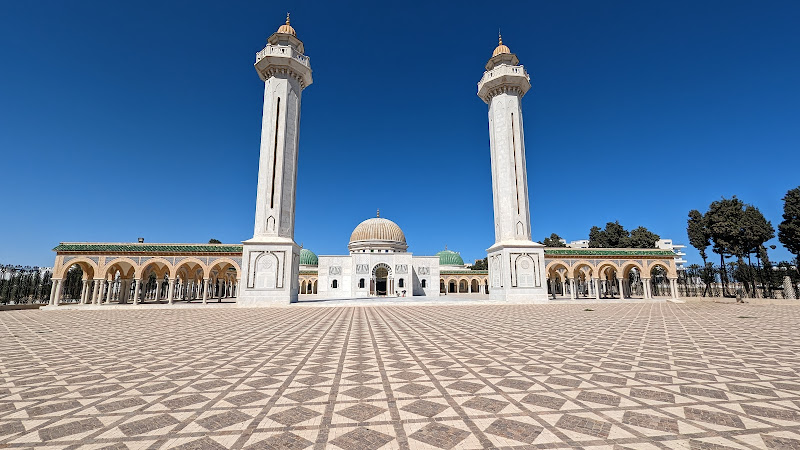
If you’re wandering through the heart of Tunisia, the Mausoleum of Habib Bourguiba is one of those places that, for me anyway, just tugs at your curiosity. There’s an odd sense of serenity mixed with historical weight, and honestly, it’s hard not to leave a little moved. This grand mausoleum stands as the final resting place of President Habib Bourguiba – yes, the one they call the “Father of Tunisian Independence.” The place doesn’t do modesty: twin minarets shoot up into the sky, flanking a lavish structure with a shimmering golden dome that seems to glow any time the sun even thinks about peeking out.
Beyond the mosaic-clad arches and pristine white marble, you’ll see touches that are distinctly personal to Bourguiba’s legacy—photographs, personal effects, the infamous signature glasses, and stories etched into the stonework, almost as if the very tiles want to tell their side of history.
Now, no spot’s perfect, and it strikes me that while most people are awestruck by the architectural bravado and reverent hush inside, some folks feel it’s a bit too grand, maybe even ostentatious. I totally get where they’re coming from. Yet, I’d argue it’s these elements that give you such an unfiltered look at how Tunisia honors those who shaped its destiny. At least, that’s the impression I walked away with.
The mausoleum is open to all, by the way—even those with mobility concerns; smooth ramps and generous entryways make visiting less stressful than you might expect. Whether you love the solemn atmosphere of historical sites, or you enjoy dissecting the aesthetics and symbolism in architecture, or you just like being able to say “Oh yeah, I visited the tomb of Tunisia’s first president,” there’s something about this spot that sticks with you.
Key Features
- Striking Golden Dome: This dome doesn’t just crown the mausoleum—it defines the skyline from afar and is easily one of Tunisia’s most recognizable sights.
- Tall Minarets: Twin minarets frame the structure, offering a classic yet bold silhouette that’s both symbolic and architecturally arresting.
- Mosaic Artwork: Tunisian artisans went to town here—breathtaking mosaics adorn gates, walkways, and interiors. Even if you’re not usually swept away by patterns, you’ll catch yourself lingering.
- Museum Inside: Personal artifacts of Habib Bourguiba are displayed—think vintage photographs, state gifts, official attire, and yes, his trademark round glasses. Sometimes, it just feels surreal seeing these up close.
- Marble Courtyard: Distinctly white, with intricate engravings—great for those travel photos, but remember to be respectful while snapping away.
- Calm, Reflective Atmosphere: Despite its grand scale, there’s a palpable stillness, as if time slows down a bit when you’re wandering these corridors.
- Wheelchair Accessible: Entrances and key areas are designed for easy access, which you don’t always get at historical landmarks in this part of the world.
- Symbolic Statues and Islamic Calligraphy: Details everywhere; look up, down, and around. Every corner tells a new story.
- Peaceful Gardens: On a nice day, these are just the ticket for a bit of quiet contemplation before or after your visit—and the occasional people-watching (always fun, in my opinion).
Best Time to Visit
Timing is a real game changer here. Personally, I prefer spring (think March to May) and autumn (late September through early November). The weather is mild, so you won’t find yourself melting under the Tunisian sun or shivering in a breeze that can whip through those marble corridors like it’s late for an appointment. Summer afternoons can get almost comically hot—unless you love that Mediterranean bake-oven vibe.
Early mornings bring a soft, golden illumination, especially on that dome, matched with lighter foot traffic so you can almost, almost have the place to yourself. Avoid Fridays around midday—prayers at nearby mosques mean crowds and sometimes restricted hours. Public holidays, especially those tied to Tunisian independence or Bourguiba’s birthday, bring in waves of visitors and lively commemorations. It’s a spectacle, sure, but don’t expect a meditative walk; it’ll be you plus a few hundred (very enthusiastic) others.
If you’re a photographer—or just someone who likes a good selfie without random strangers photobombing—late afternoon gives you that soft, even light, and it’s usually less crowded. But, as someone who’s definitely learned this the hard way, always double check opening hours before you trek over. Sometimes there are surprise closures for maintenance or official events—a bit annoying, but it happens.
How to Get There
Okay, let’s be practical. First, I should say: getting there is easier than a lot of people expect, even if you’re totally new to Tunisia. If you’re coming from Monastir (one of Tunisia’s underrated coastal towns, by the way), the mausoleum is a stone’s throw from the Ribat and marina—a 15-minute walk, tops, unless you get distracted by the bazaar en route (trust me, it happens).
Cabs are plentiful and pretty affordable in the area. I had a smooth ride—less than ten minutes from the city center, though of course, your mileage may vary depending on traffic and your driver’s appetite for conversational detours. If you’re a fan of public transport, the shared minibus (“louage”) system can get you fairly close, but be prepared for some ambiguity and a little chaos. That’s part of the adventure, right?
Plenty of package tours also include the mausoleum, especially if you’re already bouncing between other Monastir landmarks—sometimes this is easiest, especially if you’d rather not spend an afternoon deciphering maps or negotiating with cabbies. Parking’s pretty simple and usually free or cheap. Just keep your wits about you—always have a little cash for tip or sudden changes.
Tips for Visiting
Let me give you the lowdown—stuff I wish someone had told me before my own visit (and, honestly, a couple of mistakes I made so you don’t have to).
- Dress Respectfully: This might sound obvious, but do yourself a favor and opt for respectful attire—knees and shoulders covered, extra layer in your bag if you’re unsure. The site is as sacred as it is touristy.
- Photography: Photos are encouraged outside, but go easy inside. Not everywhere allows snapping, so always check with the staff first. Don’t be that person with the flash going off during someone’s quiet moment of reflection.
- Plan Around Prayer Times: Fridays bring higher crowds, and there may be areas with limited access, especially during midday prayers. You don’t want to travel all that way only to awkwardly wait outside.
- Mind the Quiet: It’s easy to forget yourself in a group, but remember people are here to pay respects. Keep voices down, and step outside to take a call or wrangle restless kids. You’ll earn approving nods from the guardians.
- Bring Some Water: The walkways are exposed, and summer heat can sneak up on you. Handy tip from me: carry a refillable bottle, there’s not always a vendor nearby.
- Cash, Not Cards: Entrance is usually free, but if you want an official tour or leave a donation, cash is king. Nearby vendors—same deal. Don’t expect contactless magic.
- Wheelchair Users: The accessibility here is surprisingly good for a historical site, but there are still a few slopes and thresholds that might need assistance. Call ahead if you’re worried.
- Read Up Beforehand: There’s English signage, but peppered with translation quirks. Reading a bit about Bourguiba’s legacy before you go (or on the ride there) will make the exhibits pop. Trust me, context makes all the difference.
- Don’t Rush: Build in extra time—not just to wander, but to breathe in the ambiance. I went “for half an hour.” Two hours later I was still walking in circles, soaking up new details.
- Combine with Other Attractions: The Ribat, the Monastir marina, and the beach are all within reach. Plan your day and make the most of it—you won’t regret mixing a bit of history, sea air, and maybe some grilled seafood into a single outing.
Lastly—and maybe this is just a personal quirk—give yourself a moment of gratitude before you leave. There’s a very tangible sense of Tunisia’s journey here, from struggle to independence, mourning to celebration. You’ll carry a little
You Might Also Like
88 La Goulette Rd

Abdelliya Palace
Acqua Palace
Tours & Activities
GetYourGuide provides this tour inventory. We may earn a commission if you book through it; verify current availability, prices, and terms with the provider.
Visitor Reviews
There are no reviews yet. Be the first one to write one.
Share Your Experience
Have you visited Mausoleum of Habib Bourguiba? Help other travelers by leaving a review.