Guided Sightseeing Tours & Activities in Matsuyama
- Browse sightseeing excursions and activities in Matsuyama
- Check live availability, rates & traveler reviews on Viator
- Secure online booking with flexible options
乙67-6 Minamisayacho, Matsuyama, Ehime 791-8032, Japan

The Matsuyama Archaeological Museum offers travelers a fascinating glimpse into the rich historical tapestry of this corner of Japan, presenting artifacts and exhibitions that tell the story of human settlement in the region from prehistoric times through the feudal era.
This museum isn’t your typical stuffy repository of old stuff behind glass – it’s actually designed to help visitors understand how people really lived in ancient Matsuyama, which makes the whole experience surprisingly engaging even if you’re not normally the museum type.
What strikes most visitors right away is how the museum manages to take what could be dry archaeological findings and transform them into narratives that actually matter. You’ll find yourself looking at pottery shards and stone tools, sure, but the way they’re presented helps you understand the daily lives, struggles, and innovations of the people who created them centuries ago. And honestly, there’s something pretty humbling about standing in front of objects that were last touched by human hands thousands of years before you were born.
The building itself serves its purpose well without being architecturally flashy. It’s a functional space that puts the focus squarely on the collections rather than trying to compete with them. For travelers with limited time in Matsuyama, this museum provides concentrated cultural context that can actually enhance your appreciation of other sites you’ll visit in the city. Understanding the historical foundations makes everything else make more sense, you know?
The Matsuyama Archaeological Museum distinguishes itself through several noteworthy characteristics that make it worth including on your itinerary:
• Comprehensive collection spanning from the Jomon period (around 14,000 BCE) through medieval times, giving visitors a complete timeline of regional development that few other museums in the area can match
• Recreated dwelling structures that allow you to walk through and experience the spatial reality of ancient homes – way more impactful than just reading about them in a display panel
• Interactive exhibits designed with families in mind, though I’ll be honest, some of them show their age a bit compared to cutting-edge museums in Tokyo or Osaka
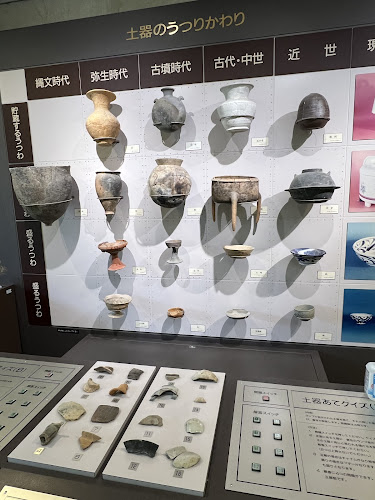
• Extensive pottery collections that reveal the evolution of ceramic techniques and artistic sensibilities across millennia, which sounds boring but actually becomes quite compelling when you see how designs changed
• Detailed explanations of burial customs and ritual practices, offering insights into the spiritual beliefs of ancient inhabitants that shaped their entire worldview
• Full accessibility features including wheelchair-friendly entrances, parking areas, and restrooms, making it genuinely welcoming for all visitors regardless of mobility considerations
• Well-maintained restroom facilities, which any seasoned traveler knows can make or break a museum visit
• Kid-friendly displays and hands-on activities that prevent the glazed-over eyes that usually happen when you drag children through historical sites
• English signage throughout most exhibits, though it’s not as comprehensive as you’d find in major metropolitan museums – bring a translation app if you want deeper understanding
• Rotating special exhibitions that focus on specific archaeological discoveries or themes, meaning repeat visitors might find something new
Timing your visit to the Matsuyama Archaeological Museum can significantly impact your experience, and there’s more to consider than just the weather outside.
The museum tends to be quietest on weekday mornings, particularly Tuesday through Thursday between opening time and around 11 AM. If you’re someone who really wants to take your time with exhibits without crowds of school groups or other tourists blocking your view, these slots are golden. I’ve found that having space to yourself in museums completely changes how much you absorb – you can stand there thinking about something for five minutes without feeling like you’re holding up the line.
Weekends and Japanese national holidays bring significantly larger crowds, especially families with children. This isn’t necessarily bad if you enjoy that energetic atmosphere, but it does mean more noise and less contemplative viewing. Spring and autumn see increased visitor numbers overall as these seasons bring tourists to Matsuyama for the pleasant weather and seasonal scenery.
Summer months from June through August can be quite hot and humid, but here’s the thing – that makes air-conditioned museum visits particularly appealing. You might actually find yourself sharing the galleries with locals who are using the museum as a comfortable escape from the heat, which can lead to interesting conversations if you’re open to them.
Winter visits have their own charm. January and February see fewer tourists in Matsuyama generally, making this an excellent time for travelers who prefer solitude with their history. The museum’s heating works well, and there’s something satisfying about exploring ancient cultures while it’s cold and gray outside.
But honestly? The “best” time really depends on what you value. If you want the authentic experience of seeing Japanese families engaging with their cultural heritage, weekends are perfect. If you want scholarly quiet, hit those weekday mornings. Don’t overthink it too much.
Getting to the Matsuyama Archaeological Museum requires a bit more effort than reaching the city’s more centrally-located attractions, but the journey isn’t complicated once you understand your options.
Most travelers will be starting from Matsuyama Station or the Dogo Onsen area, which are the two main tourist hubs. From Matsuyama Station, the most straightforward approach involves taking a bus – the city’s bus system is pretty reliable even if the route numbers can seem confusing at first. You’ll want to look for buses heading toward the museum’s general area, and asking at the tourist information desk at the station will get you sorted with the right route number and timing.
Taxis offer a more direct but pricier alternative, and honestly, if you’re traveling with two or three people, the cost difference becomes negligible when you factor in the convenience and time saved. Japanese taxi drivers are remarkably professional, and while not all speak English, showing them the museum name written in Japanese on your phone works perfectly well.
For the more adventurous, renting a bicycle provides an enjoyable way to reach the museum while seeing neighborhoods that most tourists never experience. Matsuyama is relatively bike-friendly, though you’ll want to be comfortable navigating using a smartphone map app. The ride takes about 20-30 minutes from central areas depending on your pace and exact starting point.
If you’re driving – and some travelers do rent cars to explore the broader Ehime Prefecture – the museum provides dedicated parking that’s wheelchair accessible. Navigation systems handle Japanese addresses well, so getting there is straightforward enough.
One thing worth mentioning: the museum isn’t within easy walking distance of other major attractions, so plan accordingly. This is a destination unto itself rather than something you’ll stumble upon while wandering around.
Making the most of your Matsuyama Archaeological Museum experience involves some practical considerations that guidebooks sometimes skip over.
First off, budget about 90 minutes to two hours for your visit if you’re someone who actually reads the displays rather than just glancing at objects. Rushing through defeats the purpose, and some of the most interesting artifacts have stories that take a few minutes to fully appreciate. That said, if you’re genuinely not into museums and just feel obligated to visit, you can do a highlights tour in about 45 minutes without feeling like you completely wasted the admission fee.
Photography policies allow picture-taking in most areas, but flash photography isn’t permitted as it can damage artifacts over time. Natural light in the museum isn’t always ideal for phone cameras, so don’t expect Instagram-perfect shots of everything. Sometimes it’s better to just experience things with your eyes rather than through a screen anyway.
The museum doesn’t have a restaurant or cafe, which surprised me the first time I visited. There’s a vending machine area where you can grab drinks, but if you’re planning an extended visit, eat beforehand or bring snacks. The surrounding area doesn’t have many dining options either, so factor this into your planning.
English ability among staff members varies considerably. Some team members can handle basic questions in English, while others rely entirely on Japanese. Don’t let this discourage you – people are genuinely helpful and will work hard to communicate despite language barriers. Having a translation app ready makes everything smoother.
For families with young children, the hands-on sections near the middle of the exhibition flow work well for keeping kids engaged. Let them spend time there rather than rushing them through – it’s designed to be touched and explored, and watching children interact with historical concepts through play is actually pretty delightful.
The gift shop stocks some unique items you won’t find at every tourist shop in Matsuyama – replica pottery pieces, books about regional archaeology, and educational materials that make meaningful souvenirs if you’re into that sort of thing. Prices are reasonable compared to tourist traps.
Accessibility features genuinely work well here, which isn’t something you can take for granted at every museum in Japan. If you or someone in your group has mobility concerns, you can navigate the entire museum comfortably. Staff members are experienced in assisting visitors with various needs.
Lastly, consider visiting the museum earlier in your Matsuyama trip rather than leaving it for your last day. The historical context you gain here actually enriches visits to Matsuyama Castle, local temples, and even the Dogo Onsen area. Understanding what came before makes what exists now more meaningful – that’s not just museum propaganda, it genuinely works that way.
One more thing – don’t expect this to be the Louvre or the British Museum. The Matsuyama Archaeological Museum is a regional institution presenting local history, and that’s exactly its strength. Appreciating it for what it is rather than comparing it to world-famous collections will leave you much more satisfied with the experience.

Last modified August 17, 2026
The Matsuyama Archaeological Museum offers travelers a fascinating glimpse into the rich historical tapestry of this corner of Japan, presenting artifacts and exhibitions that tell the story of human settlement in the region from prehistoric times through the feudal era. This museum isn’t your typical stuffy repository of old stuff behind glass – it’s actually designed to help visitors understand how people really lived in ancient Matsuyama, which makes the whole experience surprisingly engaging even if you’re not normally the museum type.
What strikes most visitors right away is how the museum manages to take what could be dry archaeological findings and transform them into narratives that actually matter. You’ll find yourself looking at pottery shards and stone tools, sure, but the way they’re presented helps you understand the daily lives, struggles, and innovations of the people who created them centuries ago. And honestly, there’s something pretty humbling about standing in front of objects that were last touched by human hands thousands of years before you were born.
The building itself serves its purpose well without being architecturally flashy. It’s a functional space that puts the focus squarely on the collections rather than trying to compete with them. For travelers with limited time in Matsuyama, this museum provides concentrated cultural context that can actually enhance your appreciation of other sites you’ll visit in the city. Understanding the historical foundations makes everything else make more sense, you know?
The Matsuyama Archaeological Museum distinguishes itself through several noteworthy characteristics that make it worth including on your itinerary:
• Comprehensive collection spanning from the Jomon period (around 14,000 BCE) through medieval times, giving visitors a complete timeline of regional development that few other museums in the area can match
• Recreated dwelling structures that allow you to walk through and experience the spatial reality of ancient homes – way more impactful than just reading about them in a display panel
• Interactive exhibits designed with families in mind, though I’ll be honest, some of them show their age a bit compared to cutting-edge museums in Tokyo or Osaka
• Extensive pottery collections that reveal the evolution of ceramic techniques and artistic sensibilities across millennia, which sounds boring but actually becomes quite compelling when you see how designs changed
• Detailed explanations of burial customs and ritual practices, offering insights into the spiritual beliefs of ancient inhabitants that shaped their entire worldview
• Full accessibility features including wheelchair-friendly entrances, parking areas, and restrooms, making it genuinely welcoming for all visitors regardless of mobility considerations
• Well-maintained restroom facilities, which any seasoned traveler knows can make or break a museum visit
• Kid-friendly displays and hands-on activities that prevent the glazed-over eyes that usually happen when you drag children through historical sites
• English signage throughout most exhibits, though it’s not as comprehensive as you’d find in major metropolitan museums – bring a translation app if you want deeper understanding
• Rotating special exhibitions that focus on specific archaeological discoveries or themes, meaning repeat visitors might find something new
Timing your visit to the Matsuyama Archaeological Museum can significantly impact your experience, and there’s more to consider than just the weather outside.
The museum tends to be quietest on weekday mornings, particularly Tuesday through Thursday between opening time and around 11 AM. If you’re someone who really wants to take your time with exhibits without crowds of school groups or other tourists blocking your view, these slots are golden. I’ve found that having space to yourself in museums completely changes how much you absorb – you can stand there thinking about something for five minutes without feeling like you’re holding up the line.
Weekends and Japanese national holidays bring significantly larger crowds, especially families with children. This isn’t necessarily bad if you enjoy that energetic atmosphere, but it does mean more noise and less contemplative viewing. Spring and autumn see increased visitor numbers overall as these seasons bring tourists to Matsuyama for the pleasant weather and seasonal scenery.
Summer months from June through August can be quite hot and humid, but here’s the thing – that makes air-conditioned museum visits particularly appealing. You might actually find yourself sharing the galleries with locals who are using the museum as a comfortable escape from the heat, which can lead to interesting conversations if you’re open to them.
Winter visits have their own charm. January and February see fewer tourists in Matsuyama generally, making this an excellent time for travelers who prefer solitude with their history. The museum’s heating works well, and there’s something satisfying about exploring ancient cultures while it’s cold and gray outside.
But honestly? The “best” time really depends on what you value. If you want the authentic experience of seeing Japanese families engaging with their cultural heritage, weekends are perfect. If you want scholarly quiet, hit those weekday mornings. Don’t overthink it too much.
Getting to the Matsuyama Archaeological Museum requires a bit more effort than reaching the city’s more centrally-located attractions, but the journey isn’t complicated once you understand your options.
Most travelers will be starting from Matsuyama Station or the Dogo Onsen area, which are the two main tourist hubs. From Matsuyama Station, the most straightforward approach involves taking a bus – the city’s bus system is pretty reliable even if the route numbers can seem confusing at first. You’ll want to look for buses heading toward the museum’s general area, and asking at the tourist information desk at the station will get you sorted with the right route number and timing.
Taxis offer a more direct but pricier alternative, and honestly, if you’re traveling with two or three people, the cost difference becomes negligible when you factor in the convenience and time saved. Japanese taxi drivers are remarkably professional, and while not all speak English, showing them the museum name written in Japanese on your phone works perfectly well.
For the more adventurous, renting a bicycle provides an enjoyable way to reach the museum while seeing neighborhoods that most tourists never experience. Matsuyama is relatively bike-friendly, though you’ll want to be comfortable navigating using a smartphone map app. The ride takes about 20-30 minutes from central areas depending on your pace and exact starting point.
If you’re driving – and some travelers do rent cars to explore the broader Ehime Prefecture – the museum provides dedicated parking that’s wheelchair accessible. Navigation systems handle Japanese addresses well, so getting there is straightforward enough.
One thing worth mentioning: the museum isn’t within easy walking distance of other major attractions, so plan accordingly. This is a destination unto itself rather than something you’ll stumble upon while wandering around.
Making the most of your Matsuyama Archaeological Museum experience involves some practical considerations that guidebooks sometimes skip over.
First off, budget about 90 minutes to two hours for your visit if you’re someone who actually reads the displays rather than just glancing at objects. Rushing through defeats the purpose, and some of the most interesting artifacts have stories that take a few minutes to fully appreciate. That said, if you’re genuinely not into museums and just feel obligated to visit, you can do a highlights tour in about 45 minutes without feeling like you completely wasted the admission fee.
Photography policies allow picture-taking in most areas, but flash photography isn’t permitted as it can damage artifacts over time. Natural light in the museum isn’t always ideal for phone cameras, so don’t expect Instagram-perfect shots of everything. Sometimes it’s better to just experience things with your eyes rather than through a screen anyway.
The museum doesn’t have a restaurant or cafe, which surprised me the first time I visited. There’s a vending machine area where you can grab drinks, but if you’re planning an extended visit, eat beforehand or bring snacks. The surrounding area doesn’t have many dining options either, so factor this into your planning.
English ability among staff members varies considerably. Some team members can handle basic questions in English, while others rely entirely on Japanese. Don’t let this discourage you – people are genuinely helpful and will work hard to communicate despite language barriers. Having a translation app ready makes everything smoother.
For families with young children, the hands-on sections near the middle of the exhibition flow work well for keeping kids engaged. Let them spend time there rather than rushing them through – it’s designed to be touched and explored, and watching children interact with historical concepts through play is actually pretty delightful.
The gift shop stocks some unique items you won’t find at every tourist shop in Matsuyama – replica pottery pieces, books about regional archaeology, and educational materials that make meaningful souvenirs if you’re into that sort of thing. Prices are reasonable compared to tourist traps.
Accessibility features genuinely work well here, which isn’t something you can take for granted at every museum in Japan. If you or someone in your group has mobility concerns, you can navigate the entire museum comfortably. Staff members are experienced in assisting visitors with various needs.
Lastly, consider visiting the museum earlier in your Matsuyama trip rather than leaving it for your last day. The historical context you gain here actually enriches visits to Matsuyama Castle, local temples, and even the Dogo Onsen area. Understanding what came before makes what exists now more meaningful – that’s not just museum propaganda, it genuinely works that way.
One more thing – don’t expect this to be the Louvre or the British Museum. The Matsuyama Archaeological Museum is a regional institution presenting local history, and that’s exactly its strength. Appreciating it for what it is rather than comparing it to world-famous collections will leave you much more satisfied with the experience.
No reviews found! Be the first to review!
Matsuyama Archaeological Museum is a prominent museums located in Matsuyama.
Visit us at: 乙67-6 Minamisayacho, Matsuyama, Ehime 791-8032, Japan.
Stay22 provides this accommodation search. We may earn a commission if you book through it; verify current prices and terms with the provider.
GetYourGuide provides this tour inventory. We may earn a commission if you book through it; verify current availability, prices, and terms with the provider.
We may earn a commission if you book through links on this page at no extra cost to you. All tours feature verified customer reviews and flexible cancellation options.
No traveler reviews yet. Share your experience below!
No traveler questions yet. Be the first to ask a local!