Guided Sightseeing Tours & Activities in Matsuyama
- Browse sightseeing excursions and activities in Matsuyama
- Check live availability, rates & traveler reviews on Viator
- Secure online booking with flexible options
1-30 Dogokoen, Matsuyama, Ehime 790-0857, Japan

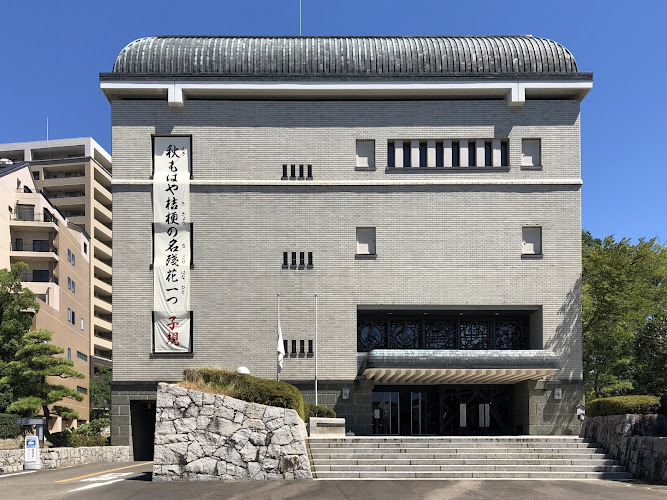
The Shiki Museum stands as a thoughtful tribute to one of Japan’s most influential literary figures, Masaoka Shiki, whose revolutionary approach to haiku poetry forever changed the landscape of Japanese literature.
This local history museum offers travelers an intimate glimpse into the life and work of a man who basically redefined an entire art form during the Meiji period. And honestly? You don’t need to be a poetry buff to appreciate what this place has to offer.
Walking through the museum feels a bit like stepping into Shiki’s world—a world where seventeen syllables could capture entire universes of meaning. The collection here is genuinely impressive, featuring personal belongings, original manuscripts, letters, and various artifacts that paint a comprehensive picture of the poet’s relatively short but incredibly impactful life. I’ve visited plenty of literary museums over the years, and what strikes me about this one is how it manages to make Shiki feel present, like you’re getting to know him as a person rather than just reading about some historical figure behind glass cases.
The museum doesn’t just focus on Shiki’s poetry either. It explores his role as a literary critic, his thoughts on baseball (yeah, the poet was apparently quite the sports enthusiast), and his struggles with tuberculosis that confined him to bed for much of his later years. There’s something deeply moving about seeing the writing implements he used while bedridden, still creating beauty despite physical suffering.
What really separates this museum from your typical tourist spot is its dedication to context. You’ll find exhibits explaining the broader literary movements of the time, the social changes happening in Japan, and how Shiki fit into—and challenged—those paradigms. The gift shop, while small, offers some genuinely unique items including beautifully printed collections of haiku and locally crafted souvenirs that actually feel special rather than mass-produced.
The museum presents several standout elements that make it worth adding to your itinerary:
• An extensive collection of Shiki’s original manuscripts and calligraphy, some of which are rotated seasonally to preserve their condition while keeping the exhibits fresh for repeat visitors
• Personal artifacts including the poet’s writing desk, brushes, and daily items that humanize this literary giant and show how he lived
• Interactive displays that explain haiku composition and even let visitors try their hand at creating their own seventeen-syllable masterpieces
• A recreated study space that resembles where Shiki did much of his work during his illness, complete with period-appropriate furnishings
• Rotating special exhibitions that delve into specific aspects of Shiki’s life, his contemporaries, or the evolution of haiku as an art form
• Educational materials available in multiple languages, though English translations aren’t always as comprehensive as you might hope
• Wheelchair accessible facilities throughout, making it genuinely welcoming for all visitors regardless of mobility concerns
• A quiet garden area that reflects the natural imagery often found in Shiki’s poetry—perfect for contemplation after touring the exhibits
• Documentary films and video presentations that provide additional context about the Meiji period and Shiki’s influence on modern Japanese culture
• An EV charging station on-site for eco-conscious travelers exploring the region by electric vehicle
Timing your visit to the Shiki Museum can really enhance the experience, and I’ve learned this through both good and less-ideal visits to similar cultural sites. The museum operates year-round, but certain seasons offer distinct advantages.
Spring brings a particular magic to the museum, especially if you can time your visit with the cherry blossom season. Given Shiki’s frequent references to seasonal changes in his work, experiencing the museum when nature itself is performing feels somehow appropriate. The surrounding area becomes quite beautiful, and the connection between the poetry on display and the world outside creates this wonderful resonance. But fair warning—this is also peak tourist season, so expect crowds.
Autumn presents another excellent window for visiting. The cooler temperatures make traveling more comfortable, and again, the seasonal changes echo themes prevalent in Shiki’s poetry. September through November typically sees moderate visitor numbers, meaning you can actually spend time with exhibits without feeling rushed by crowds pressing behind you.
Winter months are genuinely underrated for museum visits here. Sure, it’s cold, but the reduced tourist traffic means you’ll often have rooms nearly to yourself. There’s something special about reading Shiki’s winter haiku while the season itself surrounds you. Just dress warmly because traditional Japanese buildings aren’t always as heated as visitors from other countries might expect.
Summer can be challenging due to humidity and heat, plus school groups often visit during this period. If you do come in summer, try visiting right when they open or later in the afternoon when tour groups have typically moved on.
Weekdays generally offer a calmer experience than weekends regardless of season. Tuesday through Thursday seem to be the quietest days based on my observations and what other travelers have mentioned.
Getting to the Shiki Museum requires a bit of planning, but it’s definitely manageable even if your Japanese is limited to “konnichiwa” and “arigato.” The museum’s location makes it accessible by various transportation methods depending on where you’re staying and your comfort level with navigating Japanese public transit.
For those using public transportation—which I’d strongly recommend unless you’re already renting a car—trains provide the most straightforward route. The museum sits within reasonable walking distance from the nearest station, though “reasonable” is subjective. If you’re comfortable with a 15-20 minute walk, you’ll be fine. The walk itself takes you through some interesting neighborhoods that give you a feel for everyday life beyond the tourist areas.
Buses also service the area, and some routes stop even closer to the museum entrance. The challenge with buses in Japan, at least for non-Japanese speakers, is that announcements and signage can be harder to follow than the train system. That said, bus drivers are generally patient and helpful if you show them the museum’s name written in Japanese characters.
Taxis offer the most convenient option if you’re traveling with mobility concerns or just don’t want to navigate public transit. They’re pricier than trains or buses, obviously, but for a small group splitting the fare, it’s not unreasonable. Most taxi drivers will recognize the museum name, though having it written down in Japanese helps avoid confusion.
If you’re driving an electric vehicle, you’ll appreciate the CHAdeMO fast charging station available at the museum—though note that it’s often in use, so don’t arrive with a critically low battery expecting it to be free. The parking lot itself is accessible and has designated spaces for visitors with disabilities.
For international travelers, the museum makes a good day trip from major nearby cities. You can easily combine it with other regional attractions to make a full day’s adventure.
Let me share some practical advice that’ll help you get the most from your visit, stuff I wish someone had told me before my first time at smaller Japanese museums like this one.
First off, budget more time than you think you’ll need. Even if you’re not a poetry enthusiast, the exhibits here deserve at least 90 minutes to two hours for a thorough visit. Rushing through does a disservice to both the museum and yourself. And honestly, you might surprise yourself with how engaging it becomes once you’re actually there.
Photography policies can be strict in Japanese museums, so check the signage carefully or ask staff before snapping photos. Some areas allow photography without flash, others don’t allow it at all. Respecting these rules is important—museums staff will politely but firmly correct you if you’re breaking them.
The English information available is decent but not comprehensive. Consider downloading a translation app before visiting, or better yet, do some reading about Shiki’s life and work beforehand. Understanding the basics of his contribution to haiku makes the exhibits significantly more meaningful. I made the mistake once of visiting a similar museum completely unprepared, and while I still enjoyed it, I got so much more from my second visit after doing some homework.
Wear comfortable shoes because you’ll be standing and walking more than you might anticipate. The museum asks visitors to remove shoes in certain areas, so make sure you’re wearing socks you don’t mind showing off. Slip-on shoes make this process much easier than dealing with laces multiple times.
Bring cash for the admission fee and gift shop. While Japan is modernizing its payment systems, smaller museums sometimes still operate primarily with cash. There’s usually an ATM nearby if you forget, but save yourself the hassle.
The restroom facilities are clean and well-maintained, but if you have young children, be aware that changing tables might not be available in all restrooms. Plan accordingly.
If you’re visiting with limited mobility, contact the museum in advance. While the building is wheelchair accessible, having staff prepared for your arrival can make everything smoother. Japanese customer service is exceptional, and they’ll go out of their way to ensure you have a good experience.
The gift shop deserves a proper browse, not just a quick glance as you’re leaving. They stock some really thoughtful items that make excellent gifts or personal mementos. The translated haiku collections are particularly nice, and proceeds support the museum’s preservation work.
Consider visiting the museum as part of a broader exploration of literary Japan. If Shiki captures your interest, there are other related sites in the region that create a fuller picture of this literary period. But even as a standalone visit, the museum offers plenty to contemplate.
Don’t skip the garden area if weather permits. It’s small but lovely, and sitting quietly there after viewing the exhibits gives you space to reflect on what you’ve seen. Some of my best travel memories come from these unplanned moments of stillness rather than rushing from one attraction to the next.

Last modified March 30, 2026
The Shiki Museum stands as a thoughtful tribute to one of Japan’s most influential literary figures, Masaoka Shiki, whose revolutionary approach to haiku poetry forever changed the landscape of Japanese literature. This local history museum offers travelers an intimate glimpse into the life and work of a man who basically redefined an entire art form during the Meiji period. And honestly? You don’t need to be a poetry buff to appreciate what this place has to offer.
Walking through the museum feels a bit like stepping into Shiki’s world—a world where seventeen syllables could capture entire universes of meaning. The collection here is genuinely impressive, featuring personal belongings, original manuscripts, letters, and various artifacts that paint a comprehensive picture of the poet’s relatively short but incredibly impactful life. I’ve visited plenty of literary museums over the years, and what strikes me about this one is how it manages to make Shiki feel present, like you’re getting to know him as a person rather than just reading about some historical figure behind glass cases.
The museum doesn’t just focus on Shiki’s poetry either. It explores his role as a literary critic, his thoughts on baseball (yeah, the poet was apparently quite the sports enthusiast), and his struggles with tuberculosis that confined him to bed for much of his later years. There’s something deeply moving about seeing the writing implements he used while bedridden, still creating beauty despite physical suffering.
What really separates this museum from your typical tourist spot is its dedication to context. You’ll find exhibits explaining the broader literary movements of the time, the social changes happening in Japan, and how Shiki fit into—and challenged—those paradigms. The gift shop, while small, offers some genuinely unique items including beautifully printed collections of haiku and locally crafted souvenirs that actually feel special rather than mass-produced.
The museum presents several standout elements that make it worth adding to your itinerary:
• An extensive collection of Shiki’s original manuscripts and calligraphy, some of which are rotated seasonally to preserve their condition while keeping the exhibits fresh for repeat visitors
• Personal artifacts including the poet’s writing desk, brushes, and daily items that humanize this literary giant and show how he lived
• Interactive displays that explain haiku composition and even let visitors try their hand at creating their own seventeen-syllable masterpieces
• A recreated study space that resembles where Shiki did much of his work during his illness, complete with period-appropriate furnishings
• Rotating special exhibitions that delve into specific aspects of Shiki’s life, his contemporaries, or the evolution of haiku as an art form
• Educational materials available in multiple languages, though English translations aren’t always as comprehensive as you might hope
• Wheelchair accessible facilities throughout, making it genuinely welcoming for all visitors regardless of mobility concerns
• A quiet garden area that reflects the natural imagery often found in Shiki’s poetry—perfect for contemplation after touring the exhibits
• Documentary films and video presentations that provide additional context about the Meiji period and Shiki’s influence on modern Japanese culture
• An EV charging station on-site for eco-conscious travelers exploring the region by electric vehicle
Timing your visit to the Shiki Museum can really enhance the experience, and I’ve learned this through both good and less-ideal visits to similar cultural sites. The museum operates year-round, but certain seasons offer distinct advantages.
Spring brings a particular magic to the museum, especially if you can time your visit with the cherry blossom season. Given Shiki’s frequent references to seasonal changes in his work, experiencing the museum when nature itself is performing feels somehow appropriate. The surrounding area becomes quite beautiful, and the connection between the poetry on display and the world outside creates this wonderful resonance. But fair warning—this is also peak tourist season, so expect crowds.
Autumn presents another excellent window for visiting. The cooler temperatures make traveling more comfortable, and again, the seasonal changes echo themes prevalent in Shiki’s poetry. September through November typically sees moderate visitor numbers, meaning you can actually spend time with exhibits without feeling rushed by crowds pressing behind you.
Winter months are genuinely underrated for museum visits here. Sure, it’s cold, but the reduced tourist traffic means you’ll often have rooms nearly to yourself. There’s something special about reading Shiki’s winter haiku while the season itself surrounds you. Just dress warmly because traditional Japanese buildings aren’t always as heated as visitors from other countries might expect.
Summer can be challenging due to humidity and heat, plus school groups often visit during this period. If you do come in summer, try visiting right when they open or later in the afternoon when tour groups have typically moved on.
Weekdays generally offer a calmer experience than weekends regardless of season. Tuesday through Thursday seem to be the quietest days based on my observations and what other travelers have mentioned.
Getting to the Shiki Museum requires a bit of planning, but it’s definitely manageable even if your Japanese is limited to “konnichiwa” and “arigato.” The museum’s location makes it accessible by various transportation methods depending on where you’re staying and your comfort level with navigating Japanese public transit.
For those using public transportation—which I’d strongly recommend unless you’re already renting a car—trains provide the most straightforward route. The museum sits within reasonable walking distance from the nearest station, though “reasonable” is subjective. If you’re comfortable with a 15-20 minute walk, you’ll be fine. The walk itself takes you through some interesting neighborhoods that give you a feel for everyday life beyond the tourist areas.
Buses also service the area, and some routes stop even closer to the museum entrance. The challenge with buses in Japan, at least for non-Japanese speakers, is that announcements and signage can be harder to follow than the train system. That said, bus drivers are generally patient and helpful if you show them the museum’s name written in Japanese characters.
Taxis offer the most convenient option if you’re traveling with mobility concerns or just don’t want to navigate public transit. They’re pricier than trains or buses, obviously, but for a small group splitting the fare, it’s not unreasonable. Most taxi drivers will recognize the museum name, though having it written down in Japanese helps avoid confusion.
If you’re driving an electric vehicle, you’ll appreciate the CHAdeMO fast charging station available at the museum—though note that it’s often in use, so don’t arrive with a critically low battery expecting it to be free. The parking lot itself is accessible and has designated spaces for visitors with disabilities.
For international travelers, the museum makes a good day trip from major nearby cities. You can easily combine it with other regional attractions to make a full day’s adventure.
Let me share some practical advice that’ll help you get the most from your visit, stuff I wish someone had told me before my first time at smaller Japanese museums like this one.
First off, budget more time than you think you’ll need. Even if you’re not a poetry enthusiast, the exhibits here deserve at least 90 minutes to two hours for a thorough visit. Rushing through does a disservice to both the museum and yourself. And honestly, you might surprise yourself with how engaging it becomes once you’re actually there.
Photography policies can be strict in Japanese museums, so check the signage carefully or ask staff before snapping photos. Some areas allow photography without flash, others don’t allow it at all. Respecting these rules is important—museums staff will politely but firmly correct you if you’re breaking them.
The English information available is decent but not comprehensive. Consider downloading a translation app before visiting, or better yet, do some reading about Shiki’s life and work beforehand. Understanding the basics of his contribution to haiku makes the exhibits significantly more meaningful. I made the mistake once of visiting a similar museum completely unprepared, and while I still enjoyed it, I got so much more from my second visit after doing some homework.
Wear comfortable shoes because you’ll be standing and walking more than you might anticipate. The museum asks visitors to remove shoes in certain areas, so make sure you’re wearing socks you don’t mind showing off. Slip-on shoes make this process much easier than dealing with laces multiple times.
Bring cash for the admission fee and gift shop. While Japan is modernizing its payment systems, smaller museums sometimes still operate primarily with cash. There’s usually an ATM nearby if you forget, but save yourself the hassle.
The restroom facilities are clean and well-maintained, but if you have young children, be aware that changing tables might not be available in all restrooms. Plan accordingly.
If you’re visiting with limited mobility, contact the museum in advance. While the building is wheelchair accessible, having staff prepared for your arrival can make everything smoother. Japanese customer service is exceptional, and they’ll go out of their way to ensure you have a good experience.
The gift shop deserves a proper browse, not just a quick glance as you’re leaving. They stock some really thoughtful items that make excellent gifts or personal mementos. The translated haiku collections are particularly nice, and proceeds support the museum’s preservation work.
Consider visiting the museum as part of a broader exploration of literary Japan. If Shiki captures your interest, there are other related sites in the region that create a fuller picture of this literary period. But even as a standalone visit, the museum offers plenty to contemplate.
Don’t skip the garden area if weather permits. It’s small but lovely, and sitting quietly there after viewing the exhibits gives you space to reflect on what you’ve seen. Some of my best travel memories come from these unplanned moments of stillness rather than rushing from one attraction to the next.
No reviews found! Be the first to review!
The Shiki Museum is a prominent museums located in Matsuyama.
Visit us at: 1-30 Dogokoen, Matsuyama, Ehime 790-0857, Japan.
Stay22 provides this accommodation search. We may earn a commission if you book through it; verify current prices and terms with the provider.
GetYourGuide provides this tour inventory. We may earn a commission if you book through it; verify current availability, prices, and terms with the provider.
We may earn a commission if you book through links on this page at no extra cost to you. All tours feature verified customer reviews and flexible cancellation options.
No traveler reviews yet. Share your experience below!
No traveler questions yet. Be the first to ask a local!