
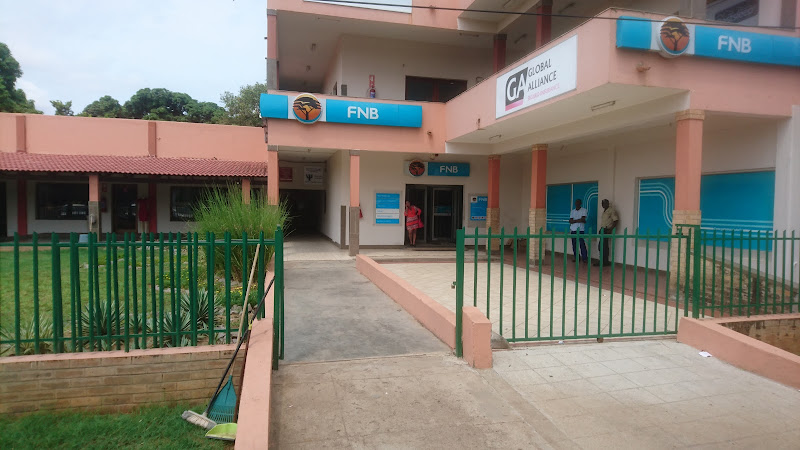
Matola
About Matola
Description
Matola, sitting right next to Mozambique’s capital, Maputo, is one of those places that quietly surprises you. It’s not the kind of city that tries too hard to impress, but rather one that grows on you the more time you spend wandering its streets and chatting with locals. As the largest suburb of Maputo and the country’s most populated city, Matola has this fascinating mix of industrial grit and genuine community warmth. It’s the capital of Maputo Province, and since 1998, it’s been running under its own elected municipal government—something that really shows in the way the city manages to balance progress with everyday life.
While many travelers pass through Matola on their way to the beaches or game reserves, those who linger a bit longer discover a city with layers. There’s the port, always buzzing with the hum of trade and cargo ships, and then there’s the industrial zone—Mozambique’s biggest—which powers much of the nation’s economy. But beyond the factories and warehouses, there’s a softer side. I remember walking through local markets where vendors sold everything from fresh cashews to colorful capulanas (those patterned fabrics you see everywhere in Mozambique). The smell of grilled fish and charcoal fills the air, and people greet you with a smile that feels entirely genuine.
Matola isn’t polished or picture-perfect, but that’s part of its charm. It’s real. It’s lived-in. It’s where Mozambique’s working heartbeat can be felt most strongly. Travelers who appreciate authenticity over postcard perfection will find plenty to love here.
Key Features
- Industrial Hub: Home to Mozambique’s largest industrial area, Matola drives much of the country’s economic activity, especially in manufacturing and logistics.
- Local Markets: Bustling open-air markets where visitors can buy fresh produce, handmade crafts, and traditional fabrics.
- Proximity to Maputo: Just a short drive from the capital, making it a convenient base for exploring both urban and coastal attractions.
- Cultural Blend: A melting pot of Mozambican traditions, with influences from Portuguese colonial history still visible in architecture and cuisine.
- Community Spirit: Despite its industrial nature, Matola retains a strong sense of neighborhood and local pride.
- Port Access: Matola’s port plays a vital role in trade, connecting Mozambique to international shipping routes.
Best Time to Visit
Timing your visit to Matola really depends on what you’re after. The dry season, from May to October, is generally the favorite among travelers. The weather is cooler, the skies are clear, and it’s easier to move around without worrying about sudden downpours. I personally love visiting around June or July—the air feels fresh, and the sunsets are something else. If you’re a fan of lively local energy, consider coming during the festive season around December when families gather, music fills the streets, and the city feels extra alive.
The wet season, from November to April, brings humidity and the occasional heavy rain, but it also paints the landscape in lush greens. It’s not a bad time to visit if you don’t mind a bit of unpredictability. Just pack light, breathable clothes and maybe an umbrella you can actually trust (I learned that lesson the hard way—cheap umbrellas don’t last long here!).
How to Get There
Getting to Matola is pretty straightforward, especially if you’re already in Maputo. The city lies just to the west of the capital, and it’s about a 15 to 20-minute drive depending on traffic. You can easily grab a taxi, hop on a local chapa (those minibus taxis that zip around everywhere), or even hire a private driver if you prefer a bit more comfort. The route itself gives you a glimpse of everyday Mozambican life—rows of roadside stalls, schoolchildren in uniform, and the occasional herd of goats crossing the road like they own the place.
If you’re arriving from outside Mozambique, you’ll likely land at Maputo International Airport. From there, Matola is just a short ride away. Some travelers also come through the South African border at Komatipoort, especially if they’re driving from Johannesburg—it’s roughly a four-hour drive, depending on border traffic. The roads are generally good, though I’d advise traveling during daylight hours for safety and visibility.
Tips for Visiting
First things first—don’t rush Matola. It’s not the kind of place you “do” in a day. Give yourself time to explore, to talk to people, and to soak in the rhythm of daily life. Here are a few tips that might make your visit smoother and more memorable:
- Learn a few Portuguese phrases: While many locals speak some English, a simple “bom dia” or “obrigado” goes a long way in breaking the ice.
- Stay hydrated: The heat can sneak up on you, especially if you’re walking around markets or industrial areas. Carry water at all times.
- Try local food: Don’t miss out on matapa (a local dish made with cassava leaves and peanuts) or freshly grilled prawns. Street food here is both affordable and delicious.
- Keep an open mind: Matola isn’t a tourist hotspot, so services might not always be polished. But that’s part of the adventure—embrace the imperfections.
- Take safety precautions: Like in most urban areas, keep an eye on your belongings in crowded places. The locals are friendly, but petty theft can happen.
- Explore beyond the city: Use Matola as a base to explore nearby attractions, like the beaches of Maputo or the wildlife reserves inland.
One thing I always tell fellow travelers—Matola rewards curiosity. If you wander off the main roads (safely, of course), you’ll stumble upon small cafés where locals gather to drink strong coffee and discuss football, or you’ll find murals that tell stories of resilience and pride. It’s these little discoveries that make travel worthwhile.
And here’s a small personal note: the first time I visited Matola, I expected an industrial town with little to see. But what I found was a city full of heart. The people, the food, the everyday hustle—it all left a mark. So if you’re planning a trip to Mozambique, don’t just pass through Matola. Stop. Look around. Talk to someone. You might just find that this unassuming city becomes one of your favorite memories from the journey.
Key Features
- Key Features
- Best Time to Visit
- How to Get There
- Tips for Visiting
More Details
Updated October 9, 2025
Table of Contents
Description
Matola, sitting right next to Mozambique’s capital, Maputo, is one of those places that quietly surprises you. It’s not the kind of city that tries too hard to impress, but rather one that grows on you the more time you spend wandering its streets and chatting with locals. As the largest suburb of Maputo and the country’s most populated city, Matola has this fascinating mix of industrial grit and genuine community warmth. It’s the capital of Maputo Province, and since 1998, it’s been running under its own elected municipal government—something that really shows in the way the city manages to balance progress with everyday life.
While many travelers pass through Matola on their way to the beaches or game reserves, those who linger a bit longer discover a city with layers. There’s the port, always buzzing with the hum of trade and cargo ships, and then there’s the industrial zone—Mozambique’s biggest—which powers much of the nation’s economy. But beyond the factories and warehouses, there’s a softer side. I remember walking through local markets where vendors sold everything from fresh cashews to colorful capulanas (those patterned fabrics you see everywhere in Mozambique). The smell of grilled fish and charcoal fills the air, and people greet you with a smile that feels entirely genuine.
Matola isn’t polished or picture-perfect, but that’s part of its charm. It’s real. It’s lived-in. It’s where Mozambique’s working heartbeat can be felt most strongly. Travelers who appreciate authenticity over postcard perfection will find plenty to love here.
Key Features
- Industrial Hub: Home to Mozambique’s largest industrial area, Matola drives much of the country’s economic activity, especially in manufacturing and logistics.
- Local Markets: Bustling open-air markets where visitors can buy fresh produce, handmade crafts, and traditional fabrics.
- Proximity to Maputo: Just a short drive from the capital, making it a convenient base for exploring both urban and coastal attractions.
- Cultural Blend: A melting pot of Mozambican traditions, with influences from Portuguese colonial history still visible in architecture and cuisine.
- Community Spirit: Despite its industrial nature, Matola retains a strong sense of neighborhood and local pride.
- Port Access: Matola’s port plays a vital role in trade, connecting Mozambique to international shipping routes.
Best Time to Visit
Timing your visit to Matola really depends on what you’re after. The dry season, from May to October, is generally the favorite among travelers. The weather is cooler, the skies are clear, and it’s easier to move around without worrying about sudden downpours. I personally love visiting around June or July—the air feels fresh, and the sunsets are something else. If you’re a fan of lively local energy, consider coming during the festive season around December when families gather, music fills the streets, and the city feels extra alive.
The wet season, from November to April, brings humidity and the occasional heavy rain, but it also paints the landscape in lush greens. It’s not a bad time to visit if you don’t mind a bit of unpredictability. Just pack light, breathable clothes and maybe an umbrella you can actually trust (I learned that lesson the hard way—cheap umbrellas don’t last long here!).
How to Get There
Getting to Matola is pretty straightforward, especially if you’re already in Maputo. The city lies just to the west of the capital, and it’s about a 15 to 20-minute drive depending on traffic. You can easily grab a taxi, hop on a local chapa (those minibus taxis that zip around everywhere), or even hire a private driver if you prefer a bit more comfort. The route itself gives you a glimpse of everyday Mozambican life—rows of roadside stalls, schoolchildren in uniform, and the occasional herd of goats crossing the road like they own the place.
If you’re arriving from outside Mozambique, you’ll likely land at Maputo International Airport. From there, Matola is just a short ride away. Some travelers also come through the South African border at Komatipoort, especially if they’re driving from Johannesburg—it’s roughly a four-hour drive, depending on border traffic. The roads are generally good, though I’d advise traveling during daylight hours for safety and visibility.
Tips for Visiting
First things first—don’t rush Matola. It’s not the kind of place you “do” in a day. Give yourself time to explore, to talk to people, and to soak in the rhythm of daily life. Here are a few tips that might make your visit smoother and more memorable:
- Learn a few Portuguese phrases: While many locals speak some English, a simple “bom dia” or “obrigado” goes a long way in breaking the ice.
- Stay hydrated: The heat can sneak up on you, especially if you’re walking around markets or industrial areas. Carry water at all times.
- Try local food: Don’t miss out on matapa (a local dish made with cassava leaves and peanuts) or freshly grilled prawns. Street food here is both affordable and delicious.
- Keep an open mind: Matola isn’t a tourist hotspot, so services might not always be polished. But that’s part of the adventure—embrace the imperfections.
- Take safety precautions: Like in most urban areas, keep an eye on your belongings in crowded places. The locals are friendly, but petty theft can happen.
- Explore beyond the city: Use Matola as a base to explore nearby attractions, like the beaches of Maputo or the wildlife reserves inland.
One thing I always tell fellow travelers—Matola rewards curiosity. If you wander off the main roads (safely, of course), you’ll stumble upon small cafés where locals gather to drink strong coffee and discuss football, or you’ll find murals that tell stories of resilience and pride. It’s these little discoveries that make travel worthwhile.
And here’s a small personal note: the first time I visited Matola, I expected an industrial town with little to see. But what I found was a city full of heart. The people, the food, the everyday hustle—it all left a mark. So if you’re planning a trip to Mozambique, don’t just pass through Matola. Stop. Look around. Talk to someone. You might just find that this unassuming city becomes one of your favorite memories from the journey.
Key Highlights
- Key Features
- Best Time to Visit
- How to Get There
- Tips for Visiting
Location
Places to Stay Near Matola
Find and Book a Tour
Explore More Travel Guides
No reviews found! Be the first to review!
Traveler Reviews for Matola
There are no reviews yet. Be the first one to write one.
Have you visited Matola? Help other travelers by sharing your review.
You Might Also Like
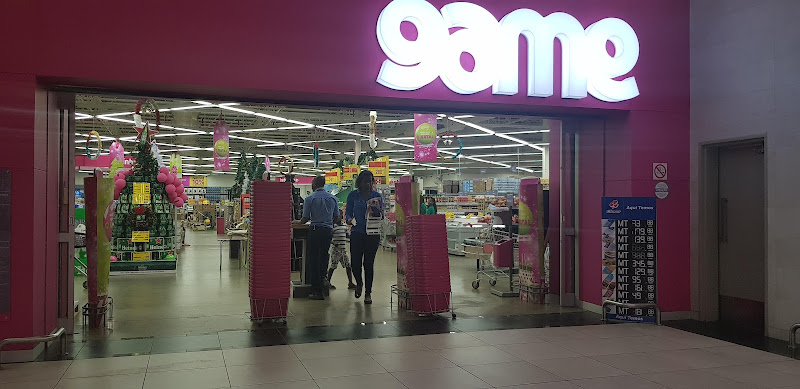
Game Matola
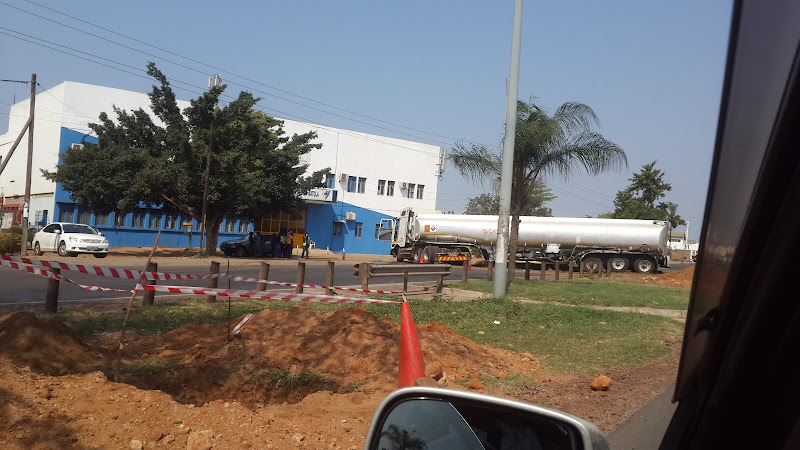
Campo Desportivo da Matola
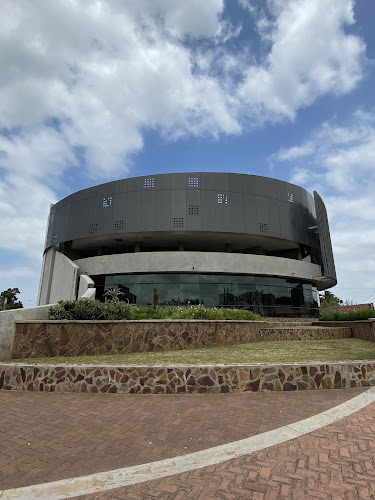
Monumento e Centro de Interpretação da Matola avenida
Find Accommodations Nearby
Recommended Tours & Activities
Visitor Reviews
There are no reviews yet. Be the first one to write one.
Share Your Experience
Have you visited Matola? Help other travelers by leaving a review.