
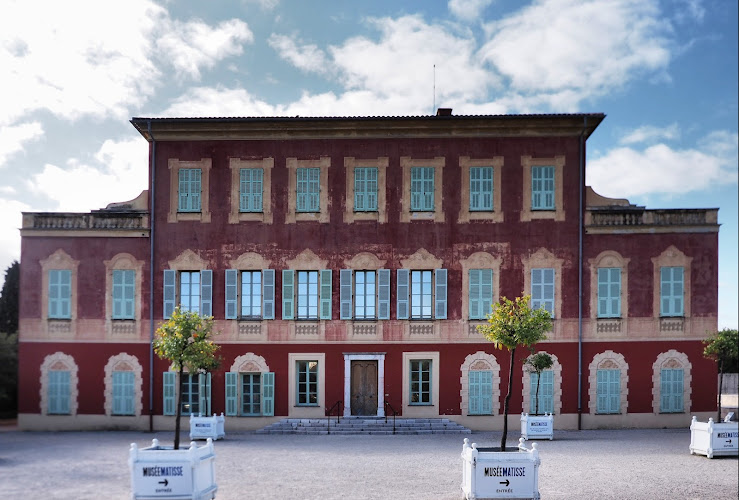
Matisse Museum
About Matisse Museum
There’s something quietly magical about stepping into the Matisse Museum in Nice. It’s not flashy or overly grand, but it has this calm, almost meditative air that feels like you’ve walked into the artist’s own world. Housed in a 17th-century Genoese-style villa overlooking the leafy Cimiez neighborhood, the museum feels like a retreat from the buzz of the French Riviera. Inside, you’ll find one of the largest collections of Henri Matisse’s works — paintings, sculptures, drawings, and even personal objects that tell the story of his creative evolution. It’s not just a gallery; it’s a deep dive into the mind of a man who saw color and form in ways few others did.
What I love most about this place is how personal it feels. You can see Matisse’s early experiments with light and shadow, then follow his journey into bold color and simplified shapes. There’s a quiet satisfaction in noticing how his technique softened over time, especially in his later years when he turned to cut-outs. You can almost sense the freedom he must have felt, painting and cutting from his bed after surgery, still chasing beauty in every line. That’s the kind of story that sticks with you long after you’ve left.
And while some visitors might expect a massive, overwhelming museum, the Matisse Museum feels intimate. It’s the kind of place where you can slow down, take your time, and really look. The rooms are airy, the natural light is soft, and the surrounding gardens are perfect for a quiet stroll afterward. Sure, not every visitor finds it mind-blowing — some say it’s smaller than expected or that the displays could be more dynamic — but for anyone who appreciates art that speaks through simplicity, this museum is a quiet gem.
Key Features
- Set within a beautifully restored 17th-century villa in the historic Cimiez district.
- Holds one of the world’s most extensive collections of Henri Matisse’s works, covering his entire career from the 1890s to his final years.
- Includes paintings, sculptures, drawings, engravings, and Matisse’s famous cut-out gouaches.
- Features personal artifacts, sketches, and letters that offer a glimpse into the artist’s creative process.
- Provides a peaceful library for art research and quiet reflection.
- Offers guided tours and educational workshops for families and children.
- Fully wheelchair accessible with accessible restrooms and parking.
- Free Wi-Fi throughout and a small gift shop featuring art books, prints, and souvenirs.
- Family-friendly and LGBTQ+ inclusive environment, making it welcoming for all travelers.
One of the highlights for me is the museum’s layout — it’s designed to flow like a story. You start with the early works, full of experimentation, and end with the serene, confident cut-outs. It’s like watching Matisse grow braver and freer with every decade. And if you’re the kind of person who likes to linger, there’s no rush here. You can sit on one of the benches, take in the colors, and just breathe. It’s a rare kind of peace.
Best Time to Visit
Honestly, there’s no bad time to visit the Matisse Museum, but each season has its charm. Spring and autumn are probably the sweet spots — the weather in Nice is mild, the crowds are thinner, and the gardens around the museum are in full bloom or golden with falling leaves. If you go in summer, expect more visitors, but the villa stays pleasantly cool inside. And winter? That’s when you get the place almost to yourself. There’s something special about wandering through quiet halls while the Mediterranean light filters through the windows.
I once visited on a rainy afternoon in February, and it was perfect. The sound of rain tapping on the old windowpanes, the smell of damp earth from the gardens, and that soft, diffused light on Matisse’s colors — it was like seeing the paintings come alive in a different way. So if you happen to catch a cloudy day in Nice, don’t think twice. Head here. You’ll see art in a whole new mood.
How to Get There
Reaching the Matisse Museum is pretty straightforward, though it sits slightly uphill in the Cimiez area. You can take a local bus from the city center — several routes stop nearby — or grab a taxi if you’d rather skip the climb. For those who like walking (and don’t mind a bit of a workout), the stroll through Cimiez’s quiet streets is actually quite lovely. You’ll pass old olive trees, Roman ruins, and elegant villas that remind you why Nice has been inspiring artists for centuries.
If you’re driving, there’s accessible parking close to the museum, and it’s well-signposted. Public transportation in Nice is reliable, and the buses run frequently, so you won’t have trouble getting there even without a car. And if you’re staying near the Promenade des Anglais, plan about 20–30 minutes of travel time. It’s an easy half-day trip that fits neatly into most itineraries.
Tips for Visiting
Here’s what I wish someone had told me before my first visit. First, give yourself at least an hour and a half — more if you’re an art lover. The museum isn’t huge, but it rewards slow looking. Don’t rush through the rooms; take time to notice the details, like the way Matisse’s brushstrokes change from one decade to the next. If you’re traveling with kids, good news — the museum is surprisingly child-friendly, with activities and discounts for little ones. The staff are warm and patient, and they’re used to curious young visitors.
Bring a bottle of water and maybe a light snack, since there’s no restaurant inside. But there are lovely picnic spots just outside in the surrounding gardens, where you can sit under olive trees and soak in the view of Nice below. The museum also offers free Wi-Fi, which is handy if you want to look up a bit of background on Matisse while you’re there (or post that inevitable photo of the villa’s red façade).
One more thing — if you’re planning to visit multiple museums in Nice, check out the city’s combined museum pass. It’s a great deal and includes entry to the Matisse Museum along with other cultural attractions. And don’t skip the small gift shop on your way out. It’s not just touristy trinkets; they actually stock some beautiful art books and reproductions that make thoughtful souvenirs.
Ultimately, the Matisse Museum isn’t about spectacle. It’s about slowing down, looking closely, and feeling connected to an artist who found joy in simplicity. Whether you’re a lifelong fan or just curious, it’s a place that gently reminds you why art matters — not because it’s perfect, but because it’s human. And maybe that’s why I keep going back every time I’m in Nice. It’s like catching up with an old friend who still has something new to say.
Key Features
- Set within a beautifully restored 17th-century villa in the historic Cimiez district.
- Holds one of the world’s most extensive collections of Henri Matisse’s works, covering his entire career from the 1890s to his final years.
- Includes paintings, sculptures, drawings, engravings, and Matisse’s famous cut-out gouaches.
- Features personal artifacts, sketches, and letters that offer a glimpse into the artist’s creative process.
- Provides a peaceful library for art research and quiet reflection.
- Offers guided tours and educational workshops for families and children.
- Fully wheelchair accessible with accessible restrooms and parking.
- Free Wi-Fi throughout and a small gift shop featuring art books, prints, and souvenirs.
You Might Also Like
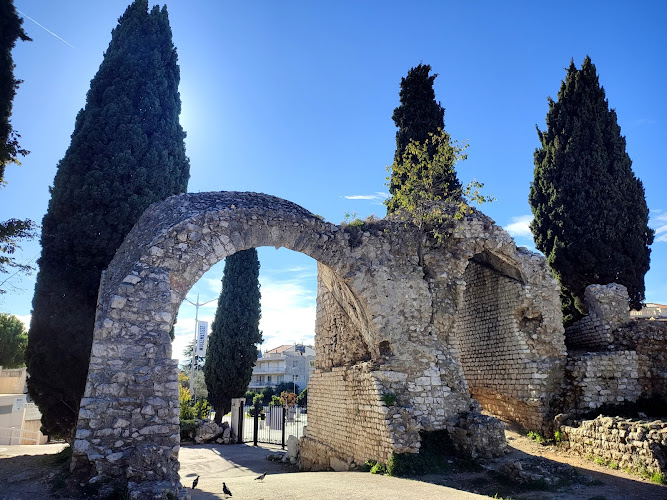
Arènes de Cimiez
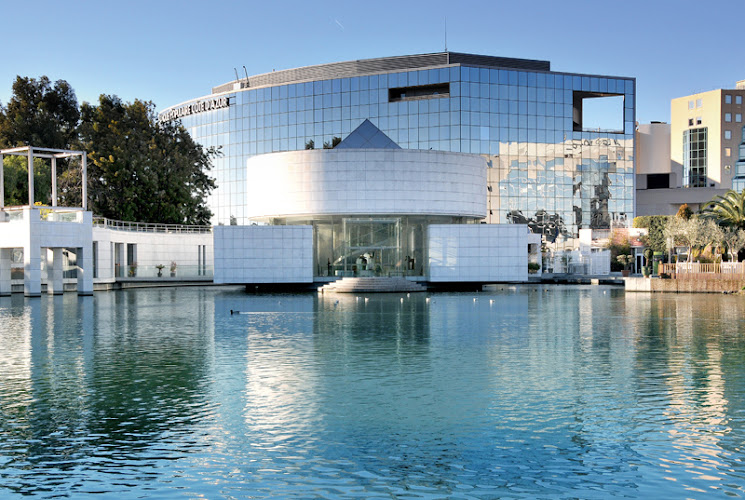
Asian Arts Museum

Basilique Notre-Dame de l’Assomption
Tours & Activities
GetYourGuide provides this tour inventory. We may earn a commission if you book through it; verify current availability, prices, and terms with the provider.
Visitor Reviews
There are no reviews yet. Be the first one to write one.
Share Your Experience
Have you visited Matisse Museum? Help other travelers by leaving a review.