

Matara
About Matara
Description
Let me tell you about Matara - it's one of those places that totally surprised me when I first visited. As Sri Lanka's southern powerhouse, this coastal gem sits about 160km from the bustling capital of Colombo. But don't let that distance fool you - this isn't just some sleepy beach town. I've spent enough time here to tell you that Matara perfectly balances its role as a commercial center with its laid-back coastal charm. The city has this fascinating way of blending old with new. Walking through the streets, you'll notice how centuries-old Dutch colonial buildings stand proudly next to modern shops and restaurants. The ocean breeze carries the scent of spices and salt air, while the sound of tuk-tuks mingles with the waves crashing against the shore.Key Features
• Dutch-era Matara Fort, which has survived centuries of history and still looks impressive • Two stunning beaches - Polhena and Medaketiya - each with its own unique character • The iconic Paravi Duwa temple, connected to the mainland by a narrow walkway • Star Fort, a unique astronomical-shaped fortress that's different from typical colonial structures • Bustling local markets where you can experience authentic Sri Lankan daily life • Ancient Buddhist temples showcasing incredible architectural details • The scenic Nilwala River cutting through the city's heart • Traditional fishing harbor where you can watch local fishermen at workBest Time to Visit
From my experience, December to April is absolutely perfect for visiting Matara. The weather's just right - sunny days with clear skies and minimal rain. I made the mistake of visiting during June once, right in the middle of monsoon season, and boy was that an adventure! But hey, if you don't mind occasional showers, you'll find better deals on accommodations during the off-season. The city really comes alive during January and April when various cultural festivals take place. Trust me, you haven't experienced Matara until you've seen it during these celebrations - the streets fill with traditional dancers, drummers, and the most amazing food stalls.How to Get There
Getting to Matara is actually pretty straightforward. I usually recommend taking the coastal train from Colombo - it's not just transportation, it's an experience in itself! The journey along the coastline is absolutely breathtaking, and you'll get to see some gorgeous beaches along the way. If you're more pressed for time, hop on an air-conditioned bus from Colombo's main bus terminal. They run frequently throughout the day and night. For those who prefer more flexibility, hiring a private car or taking a taxi is always an option - the drive takes about 3-4 hours depending on traffic.Tips for Visiting
After multiple visits to Matara, I've picked up some handy tips that'll make your trip so much better. First off, start your days early - the morning markets are fantastic, and you'll beat both the heat and the crowds. The local vendors are usually more chatty and willing to bargain in the morning too! Make sure to carry cash - while some larger establishments accept cards, many local shops and tuk-tuks only take cash. Speaking of tuk-tuks, always agree on a price before starting your journey. I learned this one the hard way! Try to learn a few basic Sinhala phrases - even just "thank you" (istuti) and "hello" (ayubowan) will get you far. The locals really appreciate the effort, and I've found it opens up so many more genuine interactions. Don't forget to pack modest clothing, especially if you're planning to visit temples. I always keep a light scarf in my bag - it comes in handy for covering shoulders or knees when needed. And remember, the sun can be intense here - bring a good hat and plenty of sunscreen. When it comes to food, don't be afraid to try the local spots. Some of my best meals in Matara have been from small, family-run restaurants. The fish curry here is outstanding - just be prepared for the spice levels! Always carry water with you, and maybe some antacids if you're not used to spicy food. If you're planning to swim, stick to the designated safe areas at Polhena Beach. The currents can be strong in certain spots, but the protected areas are perfect for a refreshing dip. And definitely don't miss watching at least one sunset from Matara Beach - find a nice spot, grab a fresh king coconut, and enjoy nature's show. Consider staying at least 2-3 days to really soak in the atmosphere. I've noticed many travelers rush through Matara on their way to more famous destinations, but this city deserves your time. The pace here is different - slower, more deliberate, and that's exactly what makes it special.Key Features
- Key Features
- Best Time to Visit
- How to Get There
- Tips for Visiting
More Details
Updated June 13, 2025
Table of Contents
Description
Let me tell you about Matara – it’s one of those places that totally surprised me when I first visited. As Sri Lanka’s southern powerhouse, this coastal gem sits about 160km from the bustling capital of Colombo. But don’t let that distance fool you – this isn’t just some sleepy beach town. I’ve spent enough time here to tell you that Matara perfectly balances its role as a commercial center with its laid-back coastal charm.
The city has this fascinating way of blending old with new. Walking through the streets, you’ll notice how centuries-old Dutch colonial buildings stand proudly next to modern shops and restaurants. The ocean breeze carries the scent of spices and salt air, while the sound of tuk-tuks mingles with the waves crashing against the shore.
Key Features
• Dutch-era Matara Fort, which has survived centuries of history and still looks impressive
• Two stunning beaches – Polhena and Medaketiya – each with its own unique character
• The iconic Paravi Duwa temple, connected to the mainland by a narrow walkway
• Star Fort, a unique astronomical-shaped fortress that’s different from typical colonial structures
• Bustling local markets where you can experience authentic Sri Lankan daily life
• Ancient Buddhist temples showcasing incredible architectural details
• The scenic Nilwala River cutting through the city’s heart
• Traditional fishing harbor where you can watch local fishermen at work
Best Time to Visit
From my experience, December to April is absolutely perfect for visiting Matara. The weather’s just right – sunny days with clear skies and minimal rain. I made the mistake of visiting during June once, right in the middle of monsoon season, and boy was that an adventure! But hey, if you don’t mind occasional showers, you’ll find better deals on accommodations during the off-season.
The city really comes alive during January and April when various cultural festivals take place. Trust me, you haven’t experienced Matara until you’ve seen it during these celebrations – the streets fill with traditional dancers, drummers, and the most amazing food stalls.
How to Get There
Getting to Matara is actually pretty straightforward. I usually recommend taking the coastal train from Colombo – it’s not just transportation, it’s an experience in itself! The journey along the coastline is absolutely breathtaking, and you’ll get to see some gorgeous beaches along the way.
If you’re more pressed for time, hop on an air-conditioned bus from Colombo’s main bus terminal. They run frequently throughout the day and night. For those who prefer more flexibility, hiring a private car or taking a taxi is always an option – the drive takes about 3-4 hours depending on traffic.
Tips for Visiting
After multiple visits to Matara, I’ve picked up some handy tips that’ll make your trip so much better. First off, start your days early – the morning markets are fantastic, and you’ll beat both the heat and the crowds. The local vendors are usually more chatty and willing to bargain in the morning too!
Make sure to carry cash – while some larger establishments accept cards, many local shops and tuk-tuks only take cash. Speaking of tuk-tuks, always agree on a price before starting your journey. I learned this one the hard way!
Try to learn a few basic Sinhala phrases – even just “thank you” (istuti) and “hello” (ayubowan) will get you far. The locals really appreciate the effort, and I’ve found it opens up so many more genuine interactions.
Don’t forget to pack modest clothing, especially if you’re planning to visit temples. I always keep a light scarf in my bag – it comes in handy for covering shoulders or knees when needed. And remember, the sun can be intense here – bring a good hat and plenty of sunscreen.
When it comes to food, don’t be afraid to try the local spots. Some of my best meals in Matara have been from small, family-run restaurants. The fish curry here is outstanding – just be prepared for the spice levels! Always carry water with you, and maybe some antacids if you’re not used to spicy food.
If you’re planning to swim, stick to the designated safe areas at Polhena Beach. The currents can be strong in certain spots, but the protected areas are perfect for a refreshing dip. And definitely don’t miss watching at least one sunset from Matara Beach – find a nice spot, grab a fresh king coconut, and enjoy nature’s show.
Consider staying at least 2-3 days to really soak in the atmosphere. I’ve noticed many travelers rush through Matara on their way to more famous destinations, but this city deserves your time. The pace here is different – slower, more deliberate, and that’s exactly what makes it special.
Key Highlights
- Key Features
- Best Time to Visit
- How to Get There
- Tips for Visiting
Location
Places to Stay Near Matara
Find and Book a Tour
Explore More Travel Guides
No reviews found! Be the first to review!
Traveler Reviews for Matara
There are no reviews yet. Be the first one to write one.
Have you visited Matara? Help other travelers by sharing your review.
You Might Also Like
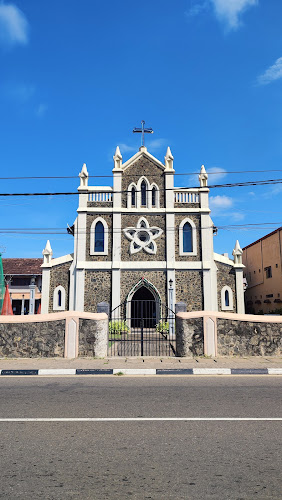
The Shrine of Our Lady of Matara
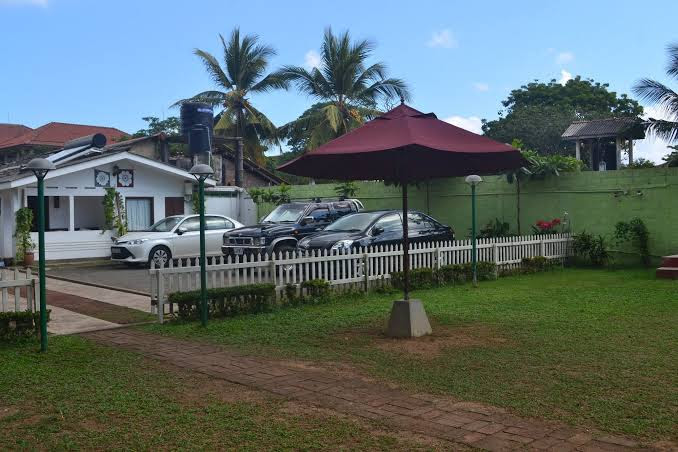
Hotel Nawathana
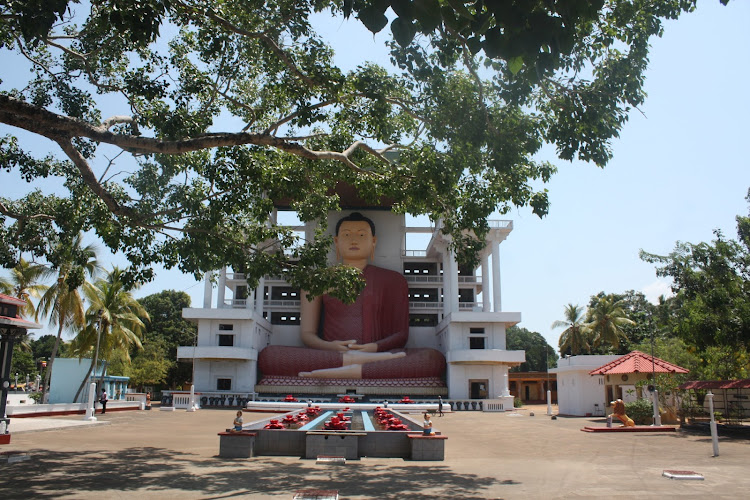
Weherahena Poorwarama Rajamaha Viharaya – Matara | වෙහෙරහේන පුර්වාරාම රජමහා විහාරය – මාතර
Find Accommodations Nearby
Recommended Tours & Activities
Visitor Reviews
There are no reviews yet. Be the first one to write one.
Share Your Experience
Have you visited Matara? Help other travelers by leaving a review.