

Masjid E Aabedin
About Masjid E Aabedin
Description
Masjid E Aabedin stands as a place of worship that draws both the faithful and curious travelers seeking to understand the spiritual fabric of the area. When I first heard about this mosque, I wasn't quite sure what to expect – mosques can sometimes feel intimidating to visitors who aren't familiar with Islamic traditions. But what makes this particular mosque worth mentioning is its genuine atmosphere of peace that seems to envelop you the moment you approach. The mosque serves its community with quiet dedication, offering a space where people come not just for prayer but for reflection and community gathering. What struck me most when researching this place was how consistently visitors mention the sense of tranquility they experience here. And honestly, in today's rushed world, finding authentic peaceful spaces is becoming increasingly rare. The architecture follows traditional Islamic design principles, though it's not about flashy grandeur here. Instead, the focus remains on creating an environment conducive to worship and contemplation. The prayer halls are thoughtfully arranged, and there's something genuinely moving about witnessing the community come together for their daily prayers if you happen to visit during those times. For travelers interested in religious and cultural exploration, Masjid E Aabedin offers an authentic glimpse into the daily spiritual life of the local Muslim community. It's not a tourist attraction per se, which is actually part of its charm – you're experiencing a real, functioning place of worship rather than something that's been staged for visitors.Key Features
The mosque provides several practical amenities and features that make it accessible and comfortable for visitors:- Wheelchair Accessible Entrance: The mosque has made provisions for visitors with mobility challenges, featuring a proper wheelchair-accessible entrance that allows everyone to participate in worship or visit the space regardless of physical limitations
- Prayer Facilities: Multiple prayer spaces accommodate the community's needs throughout the day, with designated areas that maintain the traditional separation practices common in Islamic worship
- Restroom Facilities: Clean restroom facilities are available on-site, which might seem like a basic amenity but is actually quite important for travelers who might spend extended time at the mosque or need to perform ablutions before prayer
- Peaceful Atmosphere: Perhaps the most valuable feature isn't physical at all – it's the overwhelming sense of calm that pervades the space, something that visitors consistently mention in their experiences
- Community Welcome: While primarily serving local worshippers, the mosque maintains an open approach to respectful visitors who genuinely want to learn and experience the space
- Traditional Design Elements: The architectural features reflect Islamic artistic traditions, providing visual interest and cultural education for those unfamiliar with mosque architecture
Best Time to Visit
Timing your visit to Masjid E Aabedin requires a bit of cultural awareness and practical thinking. Unlike museums or monuments with set touring hours, mosques function on prayer schedules that dictate the rhythm of activity throughout the day. If you're hoping to observe prayers and experience the mosque during its most active moments, the five daily prayer times offer the best opportunity. Fajr, the pre-dawn prayer, brings a particularly devoted crowd, though most travelers won't be keen on such early mornings. Dhuhr (midday prayer) and Asr (afternoon prayer) tend to see steady attendance without being overwhelmingly crowded. Friday congregational prayers draw the largest crowds, creating an impressive communal atmosphere – but this might not be the ideal time for casual visitors as the mosque fills with worshippers. For those who prefer a quieter, more contemplative visit, the periods between prayers offer the best opportunity. You'll have more space to appreciate the architecture and absorb the peaceful environment without worrying about interrupting worship. Mid-morning or mid-afternoon on weekdays typically provides this balance. Weather-wise, the cooler months generally make for more comfortable visits, particularly if you'll be spending time outdoors or walking to reach the mosque. But honestly, any time of year works since the interior provides shelter from extreme conditions. One thing I'd suggest avoiding is visiting during major Islamic holidays unless you're specifically interested in observing the celebrations. During Eid al-Fitr and Eid al-Adha, the mosque becomes packed with celebrants, which is beautiful to witness but doesn't allow for a calm, exploratory visit.How to Get There
Getting to Masjid E Aabedin requires some local navigation skills, and I'll be honest – this isn't always the easiest part of visiting religious sites off the main tourist circuits. The mosque serves a local community primarily, so signage might not cater to international visitors the way major tourist attractions do. Your best approach involves connecting with local transportation options. Taxis or ride-sharing services can take you directly to the mosque if you provide the name clearly to the driver. Many local drivers will be familiar with the mosque since it serves as a community landmark. Having the name written down in both English and the local script helps tremendously when communicating with drivers who might have limited English. Public transportation might be available depending on the specific location, but routes and schedules can be confusing for first-time visitors. If you're staying at a hotel or guesthouse, asking the staff for specific directions or even arranging transportation through them can save considerable hassle. They'll know the current best routes and can provide realistic time estimates. Walking to the mosque is certainly possible if you're staying nearby, and it actually gives you a better feel for the neighborhood and local life. Just make sure you've got a reliable map application on your phone with offline capabilities in case your data connection proves spotty. Parking is generally available in the surrounding area if you've rented a vehicle, though spaces might be limited during peak prayer times, especially on Fridays.Tips for Visiting
Visiting any mosque requires cultural sensitivity and awareness, and Masjid E Aabedin is no exception. Here's what I've learned about making your visit respectful and meaningful. Dress modestly – this isn't negotiable. For women, that means covering your arms, legs, and hair. Bring a scarf if you don't typically wear one, as covering your head shows respect for the sacred space. Men should wear long pants and shirts that cover their shoulders. Nobody's going to measure your hem length, but showing up in shorts and tank tops demonstrates a lack of respect that won't be appreciated. Remove your shoes before entering the prayer areas. Most mosques have designated spaces for shoe storage, and you'll notice locals doing this automatically. Carrying socks in your bag isn't a bad idea since you'll be walking on carpeted floors. Timing matters more than you might think. Avoid visiting during prayer times unless you're there specifically to observe. And if you do observe prayers, stay quiet and in designated visitor areas. Don't walk in front of people who are praying – it's considered highly disrespectful in Islamic practice. Photography deserves careful consideration. Some mosques welcome photography in certain areas, others don't. Always ask permission first, and never photograph people praying without explicit consent. I've seen too many travelers thoughtlessly snap photos during intimate moments of worship, treating people like exhibits rather than showing basic human courtesy. Women should be aware that many mosques have separate prayer areas, and certain sections might be restricted to men only. Don't take this personally – it's traditional practice, and understanding these customs is part of respectful cultural exchange. Silence or very quiet conversation is appropriate. Mosques aren't museums with tour guides lecturing to groups. The atmosphere should remain peaceful and conducive to prayer and reflection. Save your loud discussions for outside. If you're visiting outside prayer times and want to learn more about the mosque or Islamic practices, you might find community members willing to chat and answer questions. Approach respectfully, and don't interrupt anyone who appears to be in prayer or meditation. Most people appreciate genuine curiosity expressed politely. Consider the wheelchair accessible entrance if you or anyone in your group has mobility needs – it's there for a reason, and using it allows everyone to experience the space together. Finally, remember that you're a guest in a sacred space that serves a real community. This isn't Disneyland. The people here are engaging in sincere worship, not performing for tourists. Approaching your visit with humility and openness will result in a far more meaningful experience than treating it as just another checkbox on your travel itinerary. The restroom facilities are available if needed, but use them respectfully and leave them as clean as you found them. Basic courtesy goes a long way in creating positive impressions and keeping these spaces welcoming to visitors.Key Features
- Key Features
- Best Time to Visit
- How to Get There
- Tips for Visiting
More Details
Updated March 30, 2026
Table of Contents
Description
Masjid E Aabedin stands as a place of worship that draws both the faithful and curious travelers seeking to understand the spiritual fabric of the area. When I first heard about this mosque, I wasn’t quite sure what to expect – mosques can sometimes feel intimidating to visitors who aren’t familiar with Islamic traditions. But what makes this particular mosque worth mentioning is its genuine atmosphere of peace that seems to envelop you the moment you approach.
The mosque serves its community with quiet dedication, offering a space where people come not just for prayer but for reflection and community gathering. What struck me most when researching this place was how consistently visitors mention the sense of tranquility they experience here. And honestly, in today’s rushed world, finding authentic peaceful spaces is becoming increasingly rare.
The architecture follows traditional Islamic design principles, though it’s not about flashy grandeur here. Instead, the focus remains on creating an environment conducive to worship and contemplation. The prayer halls are thoughtfully arranged, and there’s something genuinely moving about witnessing the community come together for their daily prayers if you happen to visit during those times.
For travelers interested in religious and cultural exploration, Masjid E Aabedin offers an authentic glimpse into the daily spiritual life of the local Muslim community. It’s not a tourist attraction per se, which is actually part of its charm – you’re experiencing a real, functioning place of worship rather than something that’s been staged for visitors.
Key Features
The mosque provides several practical amenities and features that make it accessible and comfortable for visitors:
- Wheelchair Accessible Entrance: The mosque has made provisions for visitors with mobility challenges, featuring a proper wheelchair-accessible entrance that allows everyone to participate in worship or visit the space regardless of physical limitations
- Prayer Facilities: Multiple prayer spaces accommodate the community’s needs throughout the day, with designated areas that maintain the traditional separation practices common in Islamic worship
- Restroom Facilities: Clean restroom facilities are available on-site, which might seem like a basic amenity but is actually quite important for travelers who might spend extended time at the mosque or need to perform ablutions before prayer
- Peaceful Atmosphere: Perhaps the most valuable feature isn’t physical at all – it’s the overwhelming sense of calm that pervades the space, something that visitors consistently mention in their experiences
- Community Welcome: While primarily serving local worshippers, the mosque maintains an open approach to respectful visitors who genuinely want to learn and experience the space
- Traditional Design Elements: The architectural features reflect Islamic artistic traditions, providing visual interest and cultural education for those unfamiliar with mosque architecture
Best Time to Visit
Timing your visit to Masjid E Aabedin requires a bit of cultural awareness and practical thinking. Unlike museums or monuments with set touring hours, mosques function on prayer schedules that dictate the rhythm of activity throughout the day.
If you’re hoping to observe prayers and experience the mosque during its most active moments, the five daily prayer times offer the best opportunity. Fajr, the pre-dawn prayer, brings a particularly devoted crowd, though most travelers won’t be keen on such early mornings. Dhuhr (midday prayer) and Asr (afternoon prayer) tend to see steady attendance without being overwhelmingly crowded. Friday congregational prayers draw the largest crowds, creating an impressive communal atmosphere – but this might not be the ideal time for casual visitors as the mosque fills with worshippers.
For those who prefer a quieter, more contemplative visit, the periods between prayers offer the best opportunity. You’ll have more space to appreciate the architecture and absorb the peaceful environment without worrying about interrupting worship. Mid-morning or mid-afternoon on weekdays typically provides this balance.
Weather-wise, the cooler months generally make for more comfortable visits, particularly if you’ll be spending time outdoors or walking to reach the mosque. But honestly, any time of year works since the interior provides shelter from extreme conditions.
One thing I’d suggest avoiding is visiting during major Islamic holidays unless you’re specifically interested in observing the celebrations. During Eid al-Fitr and Eid al-Adha, the mosque becomes packed with celebrants, which is beautiful to witness but doesn’t allow for a calm, exploratory visit.
How to Get There
Getting to Masjid E Aabedin requires some local navigation skills, and I’ll be honest – this isn’t always the easiest part of visiting religious sites off the main tourist circuits. The mosque serves a local community primarily, so signage might not cater to international visitors the way major tourist attractions do.
Your best approach involves connecting with local transportation options. Taxis or ride-sharing services can take you directly to the mosque if you provide the name clearly to the driver. Many local drivers will be familiar with the mosque since it serves as a community landmark. Having the name written down in both English and the local script helps tremendously when communicating with drivers who might have limited English.
Public transportation might be available depending on the specific location, but routes and schedules can be confusing for first-time visitors. If you’re staying at a hotel or guesthouse, asking the staff for specific directions or even arranging transportation through them can save considerable hassle. They’ll know the current best routes and can provide realistic time estimates.
Walking to the mosque is certainly possible if you’re staying nearby, and it actually gives you a better feel for the neighborhood and local life. Just make sure you’ve got a reliable map application on your phone with offline capabilities in case your data connection proves spotty.
Parking is generally available in the surrounding area if you’ve rented a vehicle, though spaces might be limited during peak prayer times, especially on Fridays.
Tips for Visiting
Visiting any mosque requires cultural sensitivity and awareness, and Masjid E Aabedin is no exception. Here’s what I’ve learned about making your visit respectful and meaningful.
Dress modestly – this isn’t negotiable. For women, that means covering your arms, legs, and hair. Bring a scarf if you don’t typically wear one, as covering your head shows respect for the sacred space. Men should wear long pants and shirts that cover their shoulders. Nobody’s going to measure your hem length, but showing up in shorts and tank tops demonstrates a lack of respect that won’t be appreciated.
Remove your shoes before entering the prayer areas. Most mosques have designated spaces for shoe storage, and you’ll notice locals doing this automatically. Carrying socks in your bag isn’t a bad idea since you’ll be walking on carpeted floors.
Timing matters more than you might think. Avoid visiting during prayer times unless you’re there specifically to observe. And if you do observe prayers, stay quiet and in designated visitor areas. Don’t walk in front of people who are praying – it’s considered highly disrespectful in Islamic practice.
Photography deserves careful consideration. Some mosques welcome photography in certain areas, others don’t. Always ask permission first, and never photograph people praying without explicit consent. I’ve seen too many travelers thoughtlessly snap photos during intimate moments of worship, treating people like exhibits rather than showing basic human courtesy.
Women should be aware that many mosques have separate prayer areas, and certain sections might be restricted to men only. Don’t take this personally – it’s traditional practice, and understanding these customs is part of respectful cultural exchange.
Silence or very quiet conversation is appropriate. Mosques aren’t museums with tour guides lecturing to groups. The atmosphere should remain peaceful and conducive to prayer and reflection. Save your loud discussions for outside.
If you’re visiting outside prayer times and want to learn more about the mosque or Islamic practices, you might find community members willing to chat and answer questions. Approach respectfully, and don’t interrupt anyone who appears to be in prayer or meditation. Most people appreciate genuine curiosity expressed politely.
Consider the wheelchair accessible entrance if you or anyone in your group has mobility needs – it’s there for a reason, and using it allows everyone to experience the space together.
Finally, remember that you’re a guest in a sacred space that serves a real community. This isn’t Disneyland. The people here are engaging in sincere worship, not performing for tourists. Approaching your visit with humility and openness will result in a far more meaningful experience than treating it as just another checkbox on your travel itinerary.
The restroom facilities are available if needed, but use them respectfully and leave them as clean as you found them. Basic courtesy goes a long way in creating positive impressions and keeping these spaces welcoming to visitors.
Key Highlights
- Key Features
- Best Time to Visit
- How to Get There
- Tips for Visiting
Location
Places to Stay Near Masjid E Aabedin
Find and Book a Tour
Explore More Travel Guides
No reviews found! Be the first to review!
Masjid E Aabedin is a prominent मस्जिद located in Nanded, Nanded-Waghala.
Visit us at: 5884+22W, Guru Gobind Singh Ji Rd, opposite SBH Bank, Shivaji Nagar, Vishnu Nagar, Nanded, Maharashtra 431602, India.
Traveler Reviews for Masjid E Aabedin
There are no reviews yet. Be the first one to write one.
Have you visited Masjid E Aabedin? Help other travelers by sharing your review.
You Might Also Like
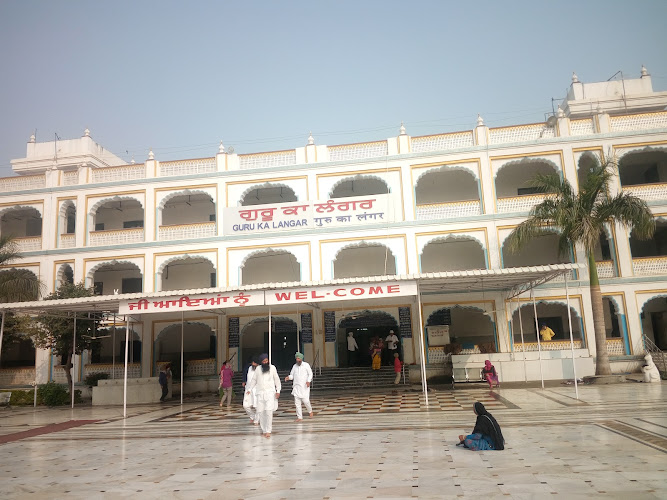
Langar Hall

Shri Guru Gobind Singh Ji Airport Nanded

Statue of Phule couple
Find Accommodations Nearby
Recommended Tours & Activities
Visitor Reviews
There are no reviews yet. Be the first one to write one.
Share Your Experience
Have you visited Masjid E Aabedin? Help other travelers by leaving a review.