
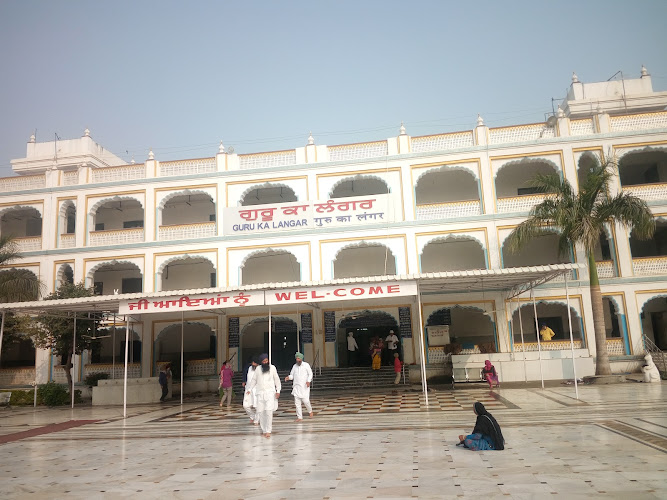
Langar Hall
About Langar Hall
Description
Langar Hall represents something special in the realm of religious institutions - a place where spirituality meets community service in the most tangible way possible. When you step into this space, you're not just visiting another house of worship. You're entering a place where the ancient Sikh tradition of langar, or free community kitchen, comes alive every single day. I'll be honest, when I first learned about the concept of langar, I was blown away by its simplicity and profound generosity. The idea that anyone, regardless of their background, religion, or financial status, can sit down and share a meal together feels revolutionary even today. And that's exactly what Langar Hall embodies - a living, breathing testament to equality and compassion. The facility operates as more than just a place for prayer and reflection. It's become a cornerstone for community gathering, where the practice of serving free meals transcends religious boundaries. Every visitor who walks through those accessible doors becomes part of a tradition that dates back centuries, yet feels incredibly relevant to our modern world where connection and kindness sometimes feel in short supply. What makes this particular institution stand out is its commitment to maintaining authentic practices while ensuring everyone can participate. The wheelchair accessible entrance and parking lot aren't afterthoughts - they're deliberate choices that reflect the core principle that langar is meant for everyone, truly everyone. And that's not just nice words on a website, it's implemented in the physical space itself. The atmosphere inside typically buzzes with activity as volunteers prepare meals, visitors pray, and community members gather for various events and services. There's this beautiful organized chaos that happens when you're feeding potentially hundreds of people daily. The smell of spices, the sound of prayers, the warmth of people coming together - it creates an experience that stays with you long after you leave.Key Features
The distinguishing characteristics of Langar Hall make it a unique destination for travelers seeking authentic cultural and spiritual experiences: • Complimentary community meals served daily to all visitors without discrimination or expectation of donation, following the sacred Sikh tradition of langar • Fully accessible facilities including wheelchair-friendly entrance and dedicated accessible parking spaces, ensuring everyone can participate in community activities • Active religious services and prayer sessions that welcome observers and participants from all faith backgrounds • Volunteer opportunities where visitors can engage directly with the community by helping prepare or serve meals • Cultural education programs that teach visitors about Sikh traditions, values, and the historical significance of langar • Clean, well-maintained dining areas where people from all walks of life sit together on equal footing • Traditional preparation of vegetarian meals that accommodate various dietary restrictions while maintaining authentic flavors • Multi-generational gathering space where families, elderly community members, and young people interact naturally • Regular religious festivals and celebrations that showcase Sikh culture, music, and traditions throughout the year • Community support services that extend beyond meals to include various forms of assistance to those in needBest Time to Visit
Timing your visit to Langar Hall really depends on what kind of experience you're after. If you want to witness the full scope of community participation and experience the energy at its peak, weekends are when you'll see the largest crowds. Saturday and Sunday typically draw more families and visitors who might have work commitments during the week. But here's the thing - weekdays have their own charm. I've heard from travelers who've visited on quieter weekday mornings and found the experience more intimate and easier to navigate, especially if it's their first time. You'll have more opportunities to chat with volunteers, ask questions, and really understand what's happening around you without feeling overwhelmed. The absolute best times, though, are during major Sikh festivals and celebrations. Vaisakhi in April, Gurpurab celebrations, and Diwali bring special programming, larger feasts, and incredible displays of community spirit. The energy during these times is something else entirely. Just be prepared for much larger crowds and longer waits for meals during these peak periods. Early morning visits coincide with morning prayers and the start of meal preparations, offering a behind-the-scenes glimpse into the massive undertaking of feeding a community. Late morning through early afternoon typically sees the busiest meal service times. And if you're someone who doesn't love crowds, mid-afternoon visits might offer a sweet spot between rush periods. Weather-wise, since most activities happen indoors, you don't need to worry too much about seasons. However, summer months might see increased attendance from families with children out of school. Winter festivals can be particularly memorable as the warmth inside contrasts beautifully with the cold outside, creating this cozy, welcoming atmosphere that really emphasizes the sanctuary aspect of the space.How to Get There
Getting to Langar Hall is generally straightforward, though your approach will depend on your mode of transportation. The dedicated parking lot makes driving one of the most convenient options, and remember, there are accessible parking spots if you need them. For those driving, GPS navigation will get you there without much trouble. Just punch in the name and you should be good to go. The parking area typically has adequate space, but again, during major festivals or weekend peak times, you might need to arrive a bit early or be prepared to park slightly further away. Public transportation users will want to research local bus routes in advance. Many religious institutions are well-serviced by public transit since they're community hubs, but checking schedules ahead of time saves frustration. Some visitors find that rideshare services like Uber or Lyft offer the most flexibility, especially if you're not familiar with the local transit system. Walking or cycling is absolutely viable if you're staying in the immediate area. The accessible entrance means you won't be dealing with challenging stairs or obstacles when you arrive. Plus, arriving by bike or on foot gives you time to mentally transition from tourist mode to participant mode, which honestly enhances the whole experience. One practical tip - don't stress too much about finding the exact entrance immediately. Most people visiting will be happy to point you in the right direction, and the accessible entrance is designed to be clearly marked and easy to locate. The Sikh community has a well-deserved reputation for hospitality, so don't hesitate to ask for guidance if you need it.Tips for Visiting
Before you head to Langar Hall, there are some practical considerations that'll make your experience smoother and more respectful. First off, covering your head is essential. Bring a scarf, bandana, or hat - something clean that shows you're honoring the sacred space. Most places keep extras on hand if you forget, but bringing your own is better. Removing your shoes before entering is non-negotiable. You'll typically find a designated area for footwear near the entrance. Bring socks or be prepared to go barefoot. And honestly, wearing shoes that slip on and off easily will save you some fumbling around. I always recommend socks because floors can get cold, and it just feels more comfortable. Dress modestly and comfortably. This isn't the place for shorts, tank tops, or revealing clothing. Think covered shoulders and knees as your baseline. But also remember you might be sitting on the floor during meals, so wear something you can move in easily. Those super tight jeans might look great, but they're not your friend when you're sitting cross-legged for 20 minutes. When it comes to the meal service, wash your hands thoroughly before eating - there are usually designated areas for this. Traditionally, everyone sits on the floor in rows, which symbolizes equality. Accept whatever is served gratefully, even if it's not familiar. Try everything on your plate, and don't waste food. Taking second helpings is fine, but take only what you'll eat. Photography requires sensitivity. Some people are comfortable being photographed, others aren't. The prayer hall might have specific restrictions about photography during services. When in doubt, ask permission first. Your Instagram can wait if it means respecting someone's spiritual practice or privacy. Volunteering to help with meal preparation or service is often welcomed, but ask first rather than just jumping in. There's usually a system in place, and well-meaning but uninformed help can actually create more work. But expressing genuine interest in participating almost always opens doors. Keep your voice down, especially near prayer areas. You're visiting a religious space where people come for spiritual connection, not a tourist attraction. That doesn't mean you can't talk or ask questions, just be mindful of your volume and the setting. Leave donations if you're able, but don't feel pressured. The whole point of langar is that it's free and unconditional. However, the operation costs money, and contributions help sustain this beautiful tradition. Whatever you can offer is appreciated, even if that's just your respectful participation and genuine gratitude. Turn off your phone or put it on silent during prayers or meals. The constant buzzing and ringing disrupts the communal experience. You're there to be present, so actually be present. Finally, come with an open heart and genuine curiosity. This isn't just a checkbox on your travel itinerary. You're witnessing and participating in a practice that's sustained communities for centuries. Ask questions respectfully, engage with the people around you, and allow yourself to be moved by the simple yet profound act of sharing food with strangers. That's where the real magic happens.Key Features
- Free communal vegetarian meals served daily
- Volunteer-run kitchen and service (sewa) opportunities
- Location within the Hazur Sahib pilgrimage area
- Simple, open-plan dining that encourages communal seating
- Respectful, quiet atmosphere with clear customs for visitors
More Details
Updated March 30, 2026
Table of Contents
Description
Langar Hall represents something special in the realm of religious institutions – a place where spirituality meets community service in the most tangible way possible. When you step into this space, you’re not just visiting another house of worship. You’re entering a place where the ancient Sikh tradition of langar, or free community kitchen, comes alive every single day.
I’ll be honest, when I first learned about the concept of langar, I was blown away by its simplicity and profound generosity. The idea that anyone, regardless of their background, religion, or financial status, can sit down and share a meal together feels revolutionary even today. And that’s exactly what Langar Hall embodies – a living, breathing testament to equality and compassion.
The facility operates as more than just a place for prayer and reflection. It’s become a cornerstone for community gathering, where the practice of serving free meals transcends religious boundaries. Every visitor who walks through those accessible doors becomes part of a tradition that dates back centuries, yet feels incredibly relevant to our modern world where connection and kindness sometimes feel in short supply.
What makes this particular institution stand out is its commitment to maintaining authentic practices while ensuring everyone can participate. The wheelchair accessible entrance and parking lot aren’t afterthoughts – they’re deliberate choices that reflect the core principle that langar is meant for everyone, truly everyone. And that’s not just nice words on a website, it’s implemented in the physical space itself.
The atmosphere inside typically buzzes with activity as volunteers prepare meals, visitors pray, and community members gather for various events and services. There’s this beautiful organized chaos that happens when you’re feeding potentially hundreds of people daily. The smell of spices, the sound of prayers, the warmth of people coming together – it creates an experience that stays with you long after you leave.
Key Features
The distinguishing characteristics of Langar Hall make it a unique destination for travelers seeking authentic cultural and spiritual experiences:
• Complimentary community meals served daily to all visitors without discrimination or expectation of donation, following the sacred Sikh tradition of langar
• Fully accessible facilities including wheelchair-friendly entrance and dedicated accessible parking spaces, ensuring everyone can participate in community activities
• Active religious services and prayer sessions that welcome observers and participants from all faith backgrounds
• Volunteer opportunities where visitors can engage directly with the community by helping prepare or serve meals
• Cultural education programs that teach visitors about Sikh traditions, values, and the historical significance of langar
• Clean, well-maintained dining areas where people from all walks of life sit together on equal footing
• Traditional preparation of vegetarian meals that accommodate various dietary restrictions while maintaining authentic flavors
• Multi-generational gathering space where families, elderly community members, and young people interact naturally
• Regular religious festivals and celebrations that showcase Sikh culture, music, and traditions throughout the year
• Community support services that extend beyond meals to include various forms of assistance to those in need
Best Time to Visit
Timing your visit to Langar Hall really depends on what kind of experience you’re after. If you want to witness the full scope of community participation and experience the energy at its peak, weekends are when you’ll see the largest crowds. Saturday and Sunday typically draw more families and visitors who might have work commitments during the week.
But here’s the thing – weekdays have their own charm. I’ve heard from travelers who’ve visited on quieter weekday mornings and found the experience more intimate and easier to navigate, especially if it’s their first time. You’ll have more opportunities to chat with volunteers, ask questions, and really understand what’s happening around you without feeling overwhelmed.
The absolute best times, though, are during major Sikh festivals and celebrations. Vaisakhi in April, Gurpurab celebrations, and Diwali bring special programming, larger feasts, and incredible displays of community spirit. The energy during these times is something else entirely. Just be prepared for much larger crowds and longer waits for meals during these peak periods.
Early morning visits coincide with morning prayers and the start of meal preparations, offering a behind-the-scenes glimpse into the massive undertaking of feeding a community. Late morning through early afternoon typically sees the busiest meal service times. And if you’re someone who doesn’t love crowds, mid-afternoon visits might offer a sweet spot between rush periods.
Weather-wise, since most activities happen indoors, you don’t need to worry too much about seasons. However, summer months might see increased attendance from families with children out of school. Winter festivals can be particularly memorable as the warmth inside contrasts beautifully with the cold outside, creating this cozy, welcoming atmosphere that really emphasizes the sanctuary aspect of the space.
How to Get There
Getting to Langar Hall is generally straightforward, though your approach will depend on your mode of transportation. The dedicated parking lot makes driving one of the most convenient options, and remember, there are accessible parking spots if you need them.
For those driving, GPS navigation will get you there without much trouble. Just punch in the name and you should be good to go. The parking area typically has adequate space, but again, during major festivals or weekend peak times, you might need to arrive a bit early or be prepared to park slightly further away.
Public transportation users will want to research local bus routes in advance. Many religious institutions are well-serviced by public transit since they’re community hubs, but checking schedules ahead of time saves frustration. Some visitors find that rideshare services like Uber or Lyft offer the most flexibility, especially if you’re not familiar with the local transit system.
Walking or cycling is absolutely viable if you’re staying in the immediate area. The accessible entrance means you won’t be dealing with challenging stairs or obstacles when you arrive. Plus, arriving by bike or on foot gives you time to mentally transition from tourist mode to participant mode, which honestly enhances the whole experience.
One practical tip – don’t stress too much about finding the exact entrance immediately. Most people visiting will be happy to point you in the right direction, and the accessible entrance is designed to be clearly marked and easy to locate. The Sikh community has a well-deserved reputation for hospitality, so don’t hesitate to ask for guidance if you need it.
Tips for Visiting
Before you head to Langar Hall, there are some practical considerations that’ll make your experience smoother and more respectful. First off, covering your head is essential. Bring a scarf, bandana, or hat – something clean that shows you’re honoring the sacred space. Most places keep extras on hand if you forget, but bringing your own is better.
Removing your shoes before entering is non-negotiable. You’ll typically find a designated area for footwear near the entrance. Bring socks or be prepared to go barefoot. And honestly, wearing shoes that slip on and off easily will save you some fumbling around. I always recommend socks because floors can get cold, and it just feels more comfortable.
Dress modestly and comfortably. This isn’t the place for shorts, tank tops, or revealing clothing. Think covered shoulders and knees as your baseline. But also remember you might be sitting on the floor during meals, so wear something you can move in easily. Those super tight jeans might look great, but they’re not your friend when you’re sitting cross-legged for 20 minutes.
When it comes to the meal service, wash your hands thoroughly before eating – there are usually designated areas for this. Traditionally, everyone sits on the floor in rows, which symbolizes equality. Accept whatever is served gratefully, even if it’s not familiar. Try everything on your plate, and don’t waste food. Taking second helpings is fine, but take only what you’ll eat.
Photography requires sensitivity. Some people are comfortable being photographed, others aren’t. The prayer hall might have specific restrictions about photography during services. When in doubt, ask permission first. Your Instagram can wait if it means respecting someone’s spiritual practice or privacy.
Volunteering to help with meal preparation or service is often welcomed, but ask first rather than just jumping in. There’s usually a system in place, and well-meaning but uninformed help can actually create more work. But expressing genuine interest in participating almost always opens doors.
Keep your voice down, especially near prayer areas. You’re visiting a religious space where people come for spiritual connection, not a tourist attraction. That doesn’t mean you can’t talk or ask questions, just be mindful of your volume and the setting.
Leave donations if you’re able, but don’t feel pressured. The whole point of langar is that it’s free and unconditional. However, the operation costs money, and contributions help sustain this beautiful tradition. Whatever you can offer is appreciated, even if that’s just your respectful participation and genuine gratitude.
Turn off your phone or put it on silent during prayers or meals. The constant buzzing and ringing disrupts the communal experience. You’re there to be present, so actually be present.
Finally, come with an open heart and genuine curiosity. This isn’t just a checkbox on your travel itinerary. You’re witnessing and participating in a practice that’s sustained communities for centuries. Ask questions respectfully, engage with the people around you, and allow yourself to be moved by the simple yet profound act of sharing food with strangers. That’s where the real magic happens.
Key Highlights
- Free communal vegetarian meals served daily
- Volunteer-run kitchen and service (sewa) opportunities
- Location within the Hazur Sahib pilgrimage area
- Simple, open-plan dining that encourages communal seating
- Respectful, quiet atmosphere with clear customs for visitors
Location
Places to Stay Near Langar Hall
Find and Book a Tour
Explore More Travel Guides
No reviews found! Be the first to review!
Langar Hall is a prominent Religious institution located in Nanded, Nanded-Waghala.
Visit us at: 5839+974, Sharda Nagar, Hyder Bagh, Dashmesh Nagar, Hazur Sahib, Nanded, Maharashtra 431601, India.
Traveler Reviews for Langar Hall
There are no reviews yet. Be the first one to write one.
Have you visited Langar Hall? Help other travelers by sharing your review.
Nearby Attractions
You Might Also Like

Statue of Phule couple

Shri Guru Gobind Singh Ji Airport Nanded

Masjid E Aabedin
Find Accommodations Nearby
Recommended Tours & Activities
Visitor Reviews
There are no reviews yet. Be the first one to write one.
Share Your Experience
Have you visited Langar Hall? Help other travelers by leaving a review.