
Maseru East
About Maseru East
Description
Maseru East, a lively and evolving part of Lesotho’s capital city, offers a real glimpse into the daily rhythm of local life. It’s not the kind of place that tries too hard to impress you with glittering attractions or glossy brochures. Instead, it’s where you feel the pulse of Maseru—markets humming with chatter, the scent of freshly baked bread wafting from roadside stalls, and the hum of minibuses weaving through narrow streets. It’s the kind of place that rewards curiosity and patience. You won’t find polished tourist traps here, but you will find authenticity in every corner.
I remember walking through Maseru East one afternoon, camera in hand, and being stopped by a group of school kids who insisted I take their photo. They laughed so hard when they saw themselves on the screen that I couldn’t help but laugh too. That’s Maseru East for you—unfiltered, warm, and full of small, human moments that stick with you long after you’ve left.
The area blends residential charm with a hint of urban grit. You’ll come across small shops selling colorful Basotho blankets, cozy eateries serving pap and stews, and a few modern touches creeping in—like new guesthouses and cafés that cater to both locals and travelers. It’s a neighborhood that’s still finding its balance between tradition and modernity, and that’s part of what makes it so intriguing.
For travelers looking to understand Lesotho beyond the postcard views of mountain ranges, Maseru East offers a grounded, people-first experience. It’s ideal for those who enjoy exploring places that feel lived-in, where every street corner tells a story, and where the smiles are genuine, not rehearsed.
Key Features
- Local Markets: Bustling open-air markets where you can sample local produce, handmade crafts, and traditional food.
- Cultural Insight: A chance to experience the everyday life of Basotho people, from morning commutes to evening gatherings.
- Accessibility: Close to central Maseru, making it easy to explore both the city’s main attractions and quieter neighborhoods.
- Authentic Cuisine: Family-run eateries serving hearty Lesotho dishes—perfect for anyone who loves discovering food through culture.
- Friendly Locals: The kind of place where people still greet strangers and offer directions with a smile.
- Urban Energy: A blend of city life and local traditions that gives travelers a deeper understanding of Lesotho’s capital.
Best Time to Visit
If you ask me, the best time to wander around Maseru East is during the dry season, roughly from April to September. The skies are clear, the air crisp, and the streets come alive with outdoor vendors and kids playing football in open lots. The winter months (June and July) can get chilly, especially in the evenings, but there’s something cozy about wrapping up in a Basotho blanket and sipping a warm drink while watching the sunset over the city’s rooftops.
Summer, from November through March, brings more heat and the occasional thunderstorm. It’s when the landscape glows green and the air smells fresh after rain. I personally love this time—there’s a sense of renewal everywhere. But if you’re not a fan of sudden showers, stick to the cooler months. Either way, Maseru East has its own charm year-round; it just depends on what kind of traveler you are.
How to Get There
Getting to Maseru East is pretty straightforward. If you’re arriving in Lesotho through the Maseru Bridge border post from South Africa, it’s just a short drive from there. Most visitors land in Maseru city center first, and from there, taxis or local minibuses will get you to Maseru East in about 10 to 15 minutes, depending on traffic. The roads are mostly paved, though you’ll hit a few bumpy patches along the way—nothing too dramatic, just part of the adventure.
If you prefer more comfort, you can hire a private driver or use one of the newer ride services that operate in the area. I’ve done both, and honestly, the local taxis are more fun if you don’t mind a bit of chaos. There’s something about the music, the conversations, and the unpredictable stops that make you feel like you’re part of the local rhythm.
Tips for Visiting
Let’s be real—Maseru East isn’t your typical tourist hotspot, and that’s exactly why it’s worth visiting. But a few tips can make your trip smoother and more enjoyable.
- Go with an open mind: Things might not always go as planned—timetables can be flexible, and directions may vary—but that’s part of the charm.
- Learn a few Sesotho phrases: Even simple words like “lumela” (hello) or “kea leboha” (thank you) go a long way in connecting with locals.
- Carry cash: Many small shops and taxis don’t take cards, so it’s good to have some maloti on hand.
- Stay aware but relaxed: Like any urban area, keep an eye on your belongings, especially in busy markets, but don’t let that stop you from exploring freely.
- Try local food: Skip the hotel breakfast one morning and grab a plate of papa and moroho from a street vendor—you’ll thank yourself later.
- Respect local customs: Dress modestly, ask before taking photos of people, and always greet before jumping into conversation.
One more thing—if you get the chance, visit on a weekend. That’s when the area truly comes alive. You’ll find pop-up soccer games, music drifting from nearby bars, and families gathering outside their homes. It’s a reminder that travel isn’t always about ticking boxes; sometimes it’s about slowing down and soaking in the ordinary moments that make a place feel real.
To sum it up, Maseru East isn’t the kind of place that tries to impress you—it just is. And that’s what makes it special. It’s a neighborhood that gives you stories instead of souvenirs, smiles instead of schedules, and a sense of connection that’s hard to find in more polished destinations. If you’re the kind of traveler who values authenticity over perfection, then Maseru East will quietly win your heart.
Key Features
- Key Features
- Best Time to Visit
- How to Get There
- Tips for Visiting
More Details
Updated October 8, 2025
Table of Contents
Description
Maseru East, a lively and evolving part of Lesotho’s capital city, offers a real glimpse into the daily rhythm of local life. It’s not the kind of place that tries too hard to impress you with glittering attractions or glossy brochures. Instead, it’s where you feel the pulse of Maseru—markets humming with chatter, the scent of freshly baked bread wafting from roadside stalls, and the hum of minibuses weaving through narrow streets. It’s the kind of place that rewards curiosity and patience. You won’t find polished tourist traps here, but you will find authenticity in every corner.
I remember walking through Maseru East one afternoon, camera in hand, and being stopped by a group of school kids who insisted I take their photo. They laughed so hard when they saw themselves on the screen that I couldn’t help but laugh too. That’s Maseru East for you—unfiltered, warm, and full of small, human moments that stick with you long after you’ve left.
The area blends residential charm with a hint of urban grit. You’ll come across small shops selling colorful Basotho blankets, cozy eateries serving pap and stews, and a few modern touches creeping in—like new guesthouses and cafés that cater to both locals and travelers. It’s a neighborhood that’s still finding its balance between tradition and modernity, and that’s part of what makes it so intriguing.
For travelers looking to understand Lesotho beyond the postcard views of mountain ranges, Maseru East offers a grounded, people-first experience. It’s ideal for those who enjoy exploring places that feel lived-in, where every street corner tells a story, and where the smiles are genuine, not rehearsed.
Key Features
- Local Markets: Bustling open-air markets where you can sample local produce, handmade crafts, and traditional food.
- Cultural Insight: A chance to experience the everyday life of Basotho people, from morning commutes to evening gatherings.
- Accessibility: Close to central Maseru, making it easy to explore both the city’s main attractions and quieter neighborhoods.
- Authentic Cuisine: Family-run eateries serving hearty Lesotho dishes—perfect for anyone who loves discovering food through culture.
- Friendly Locals: The kind of place where people still greet strangers and offer directions with a smile.
- Urban Energy: A blend of city life and local traditions that gives travelers a deeper understanding of Lesotho’s capital.
Best Time to Visit
If you ask me, the best time to wander around Maseru East is during the dry season, roughly from April to September. The skies are clear, the air crisp, and the streets come alive with outdoor vendors and kids playing football in open lots. The winter months (June and July) can get chilly, especially in the evenings, but there’s something cozy about wrapping up in a Basotho blanket and sipping a warm drink while watching the sunset over the city’s rooftops.
Summer, from November through March, brings more heat and the occasional thunderstorm. It’s when the landscape glows green and the air smells fresh after rain. I personally love this time—there’s a sense of renewal everywhere. But if you’re not a fan of sudden showers, stick to the cooler months. Either way, Maseru East has its own charm year-round; it just depends on what kind of traveler you are.
How to Get There
Getting to Maseru East is pretty straightforward. If you’re arriving in Lesotho through the Maseru Bridge border post from South Africa, it’s just a short drive from there. Most visitors land in Maseru city center first, and from there, taxis or local minibuses will get you to Maseru East in about 10 to 15 minutes, depending on traffic. The roads are mostly paved, though you’ll hit a few bumpy patches along the way—nothing too dramatic, just part of the adventure.
If you prefer more comfort, you can hire a private driver or use one of the newer ride services that operate in the area. I’ve done both, and honestly, the local taxis are more fun if you don’t mind a bit of chaos. There’s something about the music, the conversations, and the unpredictable stops that make you feel like you’re part of the local rhythm.
Tips for Visiting
Let’s be real—Maseru East isn’t your typical tourist hotspot, and that’s exactly why it’s worth visiting. But a few tips can make your trip smoother and more enjoyable.
- Go with an open mind: Things might not always go as planned—timetables can be flexible, and directions may vary—but that’s part of the charm.
- Learn a few Sesotho phrases: Even simple words like “lumela” (hello) or “kea leboha” (thank you) go a long way in connecting with locals.
- Carry cash: Many small shops and taxis don’t take cards, so it’s good to have some maloti on hand.
- Stay aware but relaxed: Like any urban area, keep an eye on your belongings, especially in busy markets, but don’t let that stop you from exploring freely.
- Try local food: Skip the hotel breakfast one morning and grab a plate of papa and moroho from a street vendor—you’ll thank yourself later.
- Respect local customs: Dress modestly, ask before taking photos of people, and always greet before jumping into conversation.
One more thing—if you get the chance, visit on a weekend. That’s when the area truly comes alive. You’ll find pop-up soccer games, music drifting from nearby bars, and families gathering outside their homes. It’s a reminder that travel isn’t always about ticking boxes; sometimes it’s about slowing down and soaking in the ordinary moments that make a place feel real.
To sum it up, Maseru East isn’t the kind of place that tries to impress you—it just is. And that’s what makes it special. It’s a neighborhood that gives you stories instead of souvenirs, smiles instead of schedules, and a sense of connection that’s hard to find in more polished destinations. If you’re the kind of traveler who values authenticity over perfection, then Maseru East will quietly win your heart.
Key Highlights
- Key Features
- Best Time to Visit
- How to Get There
- Tips for Visiting
Location
Places to Stay Near Maseru East
Find and Book a Tour
Explore More Travel Guides
No reviews found! Be the first to review!
Traveler Reviews for Maseru East
There are no reviews yet. Be the first one to write one.
Have you visited Maseru East? Help other travelers by sharing your review.
You Might Also Like
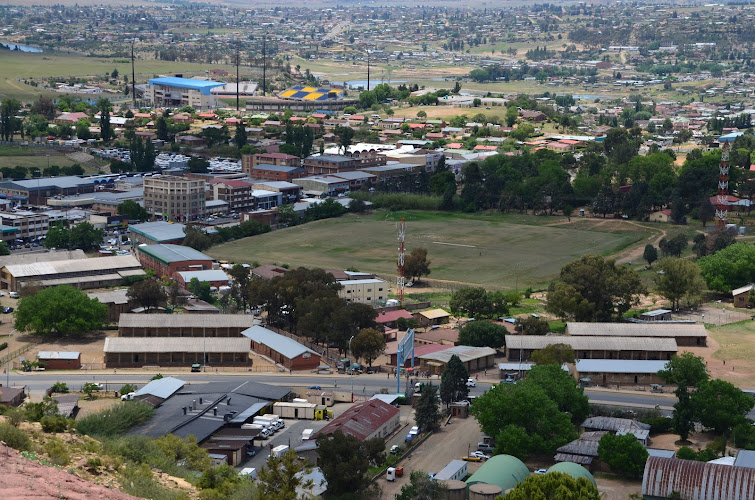
Maseru
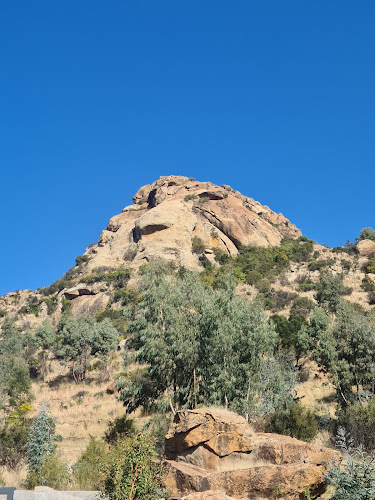
The Lion Rock Mountain
Basotho Hat
Find Accommodations Nearby
Recommended Tours & Activities
Visitor Reviews
There are no reviews yet. Be the first one to write one.
Share Your Experience
Have you visited Maseru East? Help other travelers by leaving a review.