About Martin Luther King Jr. Regional Shoreline

Description

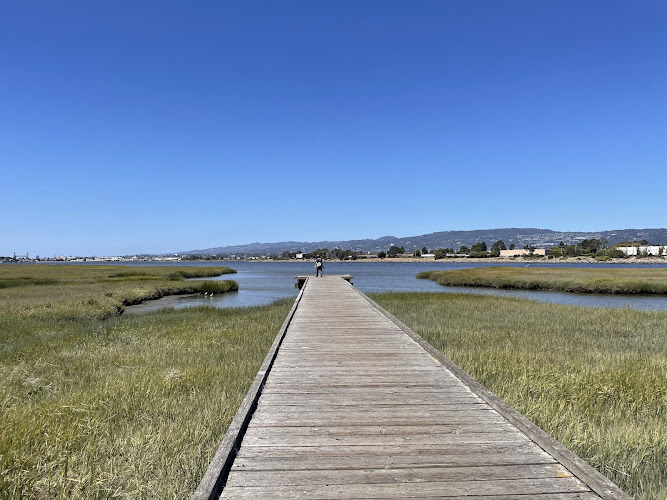
Martin Luther King Jr. Regional Shoreline stands as one of the Bay Area's more underappreciated natural spaces, and honestly, that's part of its charm. This wetland preserve stretches along the eastern shore of San Francisco Bay, offering visitors a chance to experience a unique ecosystem that many travelers zoom right past on their way to more famous destinations. But here's the thing - if you're looking for an authentic slice of California's coastal wetlands without the crowds, this place deserves serious consideration. The park encompasses roughly 741 acres of restored tidal wetlands, beaches, and hiking trails that wind through habitats you won't find just anywhere. I remember my first visit here, expecting something fairly ordinary, and being genuinely surprised by how different it felt from typical urban parks. The landscape has this raw, unpolished quality that makes you feel like you've stepped away from the city even though you're technically still within reach of Oakland's skyline. What makes this shoreline particularly special is its role as a shorebird preserve. Throughout the year, thousands of migratory birds use these wetlands as a rest stop along the Pacific Flyway. And if you've never watched a flock of sandpipers move in perfect synchronization across mudflats, well, you're missing out on one of nature's cooler shows. The preserve attracts serious birders with binoculars and field guides, but you don't need to know a plover from a pheasant to appreciate the sheer number of feathered visitors. The park also includes recreational facilities that make it more than just a nature walk. There's a boathouse where visitors can rent kayaks and other watercraft, fishing spots along the shore, and plenty of space for picnicking. It's the kind of place that works whether you're planning an active day outdoors or just want somewhere peaceful to sit and watch the water.

Key Features

Travelers planning their visit should know what sets this shoreline apart from other Bay Area parks. Here's what you'll actually find when you arrive:
  • Multiple hiking trails that range from easy waterfront walks to longer routes through varied terrain, all with bay views that change depending on the tide and time of day
  • Restored wetland habitats that showcase what this region's coastline looked like before urban development took over most of the shore
  • A functional boathouse offering kayak and canoe rentals for those who want to explore the bay from water level
  • Designated fishing areas where both saltwater and occasional freshwater species can be caught
  • Expansive picnic areas equipped with tables and barbecue grills, making it ideal for family gatherings or casual outdoor meals
  • Cycling lanes that connect to the larger Bay Trail network, perfect for bike enthusiasts exploring the region
  • Wheelchair accessible facilities including parking, pathways, and restrooms - accessibility was clearly considered in the park's design
  • Dog-friendly trails where pets can join their owners, though leash rules apply in certain areas
  • Free parking throughout the park, which is honestly refreshing given how many Bay Area attractions charge premium rates
  • Public restrooms that are maintained regularly enough to be usable, which matters more than people want to admit
The bird watching opportunities deserve special mention because they're genuinely world-class. Depending on the season, you might spot endangered California Clapper Rails, Black-necked Stilts, American Avocets, and dozens of other species. Spring and fall migrations bring the biggest variety, but even winter visits can be rewarding.

Best Time to Visit

Timing your visit to Martin Luther King Jr. Regional Shoreline can make a significant difference in your experience. The park is open year-round, but each season offers something different. For bird enthusiasts, spring migration from March through May is absolutely prime time. The wetlands come alive with activity as countless birds stop to refuel on their northward journey. Fall migration from August through October brings another wave, though it tends to be slightly less dramatic. I've visited in both seasons, and while spring edges ahead slightly for variety, fall often has better weather for hiking. Summer months from June through August offer the warmest temperatures and longest daylight hours. But here's something locals know - the East Bay can get surprisingly hot during summer afternoons, and there's not much shade along the waterfront trails. Mornings are your friend during this season, with cooler temperatures and better light for photography. Plus, the marine layer often burns off by mid-morning, giving you that perfect California sunshine without the brutal heat. Winter, from November through February, is the sleeper season that more travelers should consider. Sure, you might need a jacket, and rain can make trails muddy. But the park is quieter, the air is clearer, and certain bird species are actually easier to spot. I've had some of my most peaceful visits during January mornings when fog hung low over the water. Weekends obviously draw more visitors, especially families taking advantage of the picnic areas and boathouse. If crowds aren't your thing, weekday mornings offer a completely different experience. You'll often have entire sections of trail to yourself, which is rare for any Bay Area park. Tides matter here more than at many parks. Check tide schedules before visiting because low tide exposes mudflats that birds love but that limit boating and fishing options. High tide brings water closer to trails and makes kayaking more accessible. There's no wrong choice, just different experiences.

How to Get There

Getting to Martin Luther King Jr. Regional Shoreline requires a bit of navigation, but it's accessible from several directions. Most visitors arrive by car, and the park's free parking makes this the most practical option for anyone not already in the immediate area. From Oakland or Berkeley, head toward the bay along major thoroughfares until you connect with Doolittle Drive, which runs along the shoreline. The park has multiple access points, and honestly, signage could be better in some spots. Your GPS will get you close, but keep your eyes open for park entrance signs once you're in the general vicinity. Public transportation works but requires more planning. AC Transit serves the area, though you'll likely need to combine bus routes and walk the final distance. It's doable if you're committed to car-free travel, but most visitors find driving much more straightforward. Cyclists have perhaps the best access through the San Francisco Bay Trail, which runs directly through the park. If you're already exploring the Bay Area by bike, this makes for an excellent addition to your route. The relatively flat terrain means you don't need to be in peak cycling shape, and the dedicated lanes keep you safely separated from vehicle traffic. The park stretches along quite a bit of shoreline, so knowing which entrance serves your planned activities matters. The main areas include Arrowhead Marsh, Garretson Point, and the MLK Shoreline Staging Area. Each offers slightly different amenities and trail access. First-time visitors often do best starting at the main staging area where facilities are most concentrated. Parking lots can fill during popular times - particularly weekend afternoons in decent weather. Arriving before mid-morning gives you better options and frankly, a more enjoyable experience overall.

Tips for Visiting

After multiple visits to this shoreline, there are definitely things I wish I'd known earlier. These practical tips can help travelers make the most of their time. Dress in layers regardless of what the forecast says. Bay weather is notoriously unpredictable, and conditions can shift quickly. That morning fog might burn off into surprising warmth, or a cool breeze might pick up just when you've worked up a sweat on the trails. A light jacket stuffed in your pack solves most problems. Bring binoculars if you have them, even if you're not a serious birder. The wildlife here is genuinely interesting, and being able to see details makes the experience richer. Budget binoculars work fine - you don't need professional equipment. The trails can get muddy during and after rain. Waterproof hiking boots aren't essential during dry months, but they make winter visits much more pleasant. I learned this the hard way wearing running shoes in February. If you're planning to use the boathouse, call ahead to confirm hours and availability. Rental operations can vary seasonally, and showing up expecting to kayak only to find everything closed is disappointing. Also, life jackets are required, so don't skip that safety step. Sunscreen and hats matter more than you'd think. The waterfront offers minimal shade, and that bay breeze can mask just how much sun you're getting. I've gotten surprisingly sunburned on overcast days here. Pack out everything you pack in because trash cans fill quickly on busy days. The park staff do their best, but helping maintain the preserve's cleanliness benefits everyone and protects the wildlife habitats. Dogs are welcome but must be leashed in most areas. The wetlands are sensitive ecosystems, and off-leash dogs can disturb nesting birds and other wildlife. Plus, rangers do patrol and enforce regulations. Photography enthusiasts should time visits for golden hour - either early morning or late afternoon. The light across the water and wetlands is genuinely stunning during these times. Bring a telephoto lens for bird shots if you're serious about capturing wildlife. Check for any special events or guided walks offered by the East Bay Regional Park District. Ranger-led programs happen periodically and provide insight into the ecology and history that you'd miss exploring alone. Finally, set realistic expectations. This isn't Yosemite or Big Sur. It's an urban wetland preserve that offers a different kind of beauty - quieter, more subtle, but no less valuable. If you come looking for dramatic vistas, you might leave disappointed. But if you come ready to appreciate a restored ecosystem and enjoy some peaceful time outdoors, you'll likely leave planning your next visit.

Key Features

  • Arrowhead Marsh tidal wetlands and birdwatching
  • Tidewater Boating/Aquatic Center and boat launch
  • Shoreline trails and picnic areas with bay views
  • Access to San Leandro Bay for kayaking and fishing
  • Educational signage and habitat restoration projects

More Details

Updated January 17, 2026

Description

Martin Luther King Jr. Regional Shoreline stands as one of the Bay Area’s more underappreciated natural spaces, and honestly, that’s part of its charm. This wetland preserve stretches along the eastern shore of San Francisco Bay, offering visitors a chance to experience a unique ecosystem that many travelers zoom right past on their way to more famous destinations. But here’s the thing – if you’re looking for an authentic slice of California’s coastal wetlands without the crowds, this place deserves serious consideration.

The park encompasses roughly 741 acres of restored tidal wetlands, beaches, and hiking trails that wind through habitats you won’t find just anywhere. I remember my first visit here, expecting something fairly ordinary, and being genuinely surprised by how different it felt from typical urban parks. The landscape has this raw, unpolished quality that makes you feel like you’ve stepped away from the city even though you’re technically still within reach of Oakland’s skyline.

What makes this shoreline particularly special is its role as a shorebird preserve. Throughout the year, thousands of migratory birds use these wetlands as a rest stop along the Pacific Flyway. And if you’ve never watched a flock of sandpipers move in perfect synchronization across mudflats, well, you’re missing out on one of nature’s cooler shows. The preserve attracts serious birders with binoculars and field guides, but you don’t need to know a plover from a pheasant to appreciate the sheer number of feathered visitors.

The park also includes recreational facilities that make it more than just a nature walk. There’s a boathouse where visitors can rent kayaks and other watercraft, fishing spots along the shore, and plenty of space for picnicking. It’s the kind of place that works whether you’re planning an active day outdoors or just want somewhere peaceful to sit and watch the water.

Key Features

Travelers planning their visit should know what sets this shoreline apart from other Bay Area parks. Here’s what you’ll actually find when you arrive:

  • Multiple hiking trails that range from easy waterfront walks to longer routes through varied terrain, all with bay views that change depending on the tide and time of day
  • Restored wetland habitats that showcase what this region’s coastline looked like before urban development took over most of the shore
  • A functional boathouse offering kayak and canoe rentals for those who want to explore the bay from water level
  • Designated fishing areas where both saltwater and occasional freshwater species can be caught
  • Expansive picnic areas equipped with tables and barbecue grills, making it ideal for family gatherings or casual outdoor meals
  • Cycling lanes that connect to the larger Bay Trail network, perfect for bike enthusiasts exploring the region
  • Wheelchair accessible facilities including parking, pathways, and restrooms – accessibility was clearly considered in the park’s design
  • Dog-friendly trails where pets can join their owners, though leash rules apply in certain areas
  • Free parking throughout the park, which is honestly refreshing given how many Bay Area attractions charge premium rates
  • Public restrooms that are maintained regularly enough to be usable, which matters more than people want to admit

The bird watching opportunities deserve special mention because they’re genuinely world-class. Depending on the season, you might spot endangered California Clapper Rails, Black-necked Stilts, American Avocets, and dozens of other species. Spring and fall migrations bring the biggest variety, but even winter visits can be rewarding.

Best Time to Visit

Timing your visit to Martin Luther King Jr. Regional Shoreline can make a significant difference in your experience. The park is open year-round, but each season offers something different.

For bird enthusiasts, spring migration from March through May is absolutely prime time. The wetlands come alive with activity as countless birds stop to refuel on their northward journey. Fall migration from August through October brings another wave, though it tends to be slightly less dramatic. I’ve visited in both seasons, and while spring edges ahead slightly for variety, fall often has better weather for hiking.

Summer months from June through August offer the warmest temperatures and longest daylight hours. But here’s something locals know – the East Bay can get surprisingly hot during summer afternoons, and there’s not much shade along the waterfront trails. Mornings are your friend during this season, with cooler temperatures and better light for photography. Plus, the marine layer often burns off by mid-morning, giving you that perfect California sunshine without the brutal heat.

Winter, from November through February, is the sleeper season that more travelers should consider. Sure, you might need a jacket, and rain can make trails muddy. But the park is quieter, the air is clearer, and certain bird species are actually easier to spot. I’ve had some of my most peaceful visits during January mornings when fog hung low over the water.

Weekends obviously draw more visitors, especially families taking advantage of the picnic areas and boathouse. If crowds aren’t your thing, weekday mornings offer a completely different experience. You’ll often have entire sections of trail to yourself, which is rare for any Bay Area park.

Tides matter here more than at many parks. Check tide schedules before visiting because low tide exposes mudflats that birds love but that limit boating and fishing options. High tide brings water closer to trails and makes kayaking more accessible. There’s no wrong choice, just different experiences.

How to Get There

Getting to Martin Luther King Jr. Regional Shoreline requires a bit of navigation, but it’s accessible from several directions. Most visitors arrive by car, and the park’s free parking makes this the most practical option for anyone not already in the immediate area.

From Oakland or Berkeley, head toward the bay along major thoroughfares until you connect with Doolittle Drive, which runs along the shoreline. The park has multiple access points, and honestly, signage could be better in some spots. Your GPS will get you close, but keep your eyes open for park entrance signs once you’re in the general vicinity.

Public transportation works but requires more planning. AC Transit serves the area, though you’ll likely need to combine bus routes and walk the final distance. It’s doable if you’re committed to car-free travel, but most visitors find driving much more straightforward.

Cyclists have perhaps the best access through the San Francisco Bay Trail, which runs directly through the park. If you’re already exploring the Bay Area by bike, this makes for an excellent addition to your route. The relatively flat terrain means you don’t need to be in peak cycling shape, and the dedicated lanes keep you safely separated from vehicle traffic.

The park stretches along quite a bit of shoreline, so knowing which entrance serves your planned activities matters. The main areas include Arrowhead Marsh, Garretson Point, and the MLK Shoreline Staging Area. Each offers slightly different amenities and trail access. First-time visitors often do best starting at the main staging area where facilities are most concentrated.

Parking lots can fill during popular times – particularly weekend afternoons in decent weather. Arriving before mid-morning gives you better options and frankly, a more enjoyable experience overall.

Tips for Visiting

After multiple visits to this shoreline, there are definitely things I wish I’d known earlier. These practical tips can help travelers make the most of their time.

Dress in layers regardless of what the forecast says. Bay weather is notoriously unpredictable, and conditions can shift quickly. That morning fog might burn off into surprising warmth, or a cool breeze might pick up just when you’ve worked up a sweat on the trails. A light jacket stuffed in your pack solves most problems.

Bring binoculars if you have them, even if you’re not a serious birder. The wildlife here is genuinely interesting, and being able to see details makes the experience richer. Budget binoculars work fine – you don’t need professional equipment.

The trails can get muddy during and after rain. Waterproof hiking boots aren’t essential during dry months, but they make winter visits much more pleasant. I learned this the hard way wearing running shoes in February.

If you’re planning to use the boathouse, call ahead to confirm hours and availability. Rental operations can vary seasonally, and showing up expecting to kayak only to find everything closed is disappointing. Also, life jackets are required, so don’t skip that safety step.

Sunscreen and hats matter more than you’d think. The waterfront offers minimal shade, and that bay breeze can mask just how much sun you’re getting. I’ve gotten surprisingly sunburned on overcast days here.

Pack out everything you pack in because trash cans fill quickly on busy days. The park staff do their best, but helping maintain the preserve’s cleanliness benefits everyone and protects the wildlife habitats.

Dogs are welcome but must be leashed in most areas. The wetlands are sensitive ecosystems, and off-leash dogs can disturb nesting birds and other wildlife. Plus, rangers do patrol and enforce regulations.

Photography enthusiasts should time visits for golden hour – either early morning or late afternoon. The light across the water and wetlands is genuinely stunning during these times. Bring a telephoto lens for bird shots if you’re serious about capturing wildlife.

Check for any special events or guided walks offered by the East Bay Regional Park District. Ranger-led programs happen periodically and provide insight into the ecology and history that you’d miss exploring alone.

Finally, set realistic expectations. This isn’t Yosemite or Big Sur. It’s an urban wetland preserve that offers a different kind of beauty – quieter, more subtle, but no less valuable. If you come looking for dramatic vistas, you might leave disappointed. But if you come ready to appreciate a restored ecosystem and enjoy some peaceful time outdoors, you’ll likely leave planning your next visit.

Key Highlights

  • Arrowhead Marsh tidal wetlands and birdwatching
  • Tidewater Boating/Aquatic Center and boat launch
  • Shoreline trails and picnic areas with bay views
  • Access to San Leandro Bay for kayaking and fishing
  • Educational signage and habitat restoration projects

Location

Places to Stay Near Martin Luther King Jr. Regional Shoreline

Find and Book a Tour

Explore More Travel Guides

No reviews found! Be the first to review!

Traveler Reviews for Martin Luther King Jr. Regional Shoreline

There are no reviews yet. Be the first one to write one.

Share Your Experience

Have you visited Martin Luther King Jr. Regional Shoreline? Help other travelers by sharing your review.

Nearby Attractions

Oakland International Airport viewing areas and waterfront San Leandro Bay waterfront and marinas Nearby East Bay Regional Park District sites and trails

Find Accommodations Nearby

Recommended Tours & Activities

Visitor Reviews

There are no reviews yet. Be the first one to write one.

Share Your Experience

Have you visited Martin Luther King Jr. Regional Shoreline? Help other travelers by leaving a review.