
Marco das Três Fronteiras
About Marco das Três Fronteiras
Description
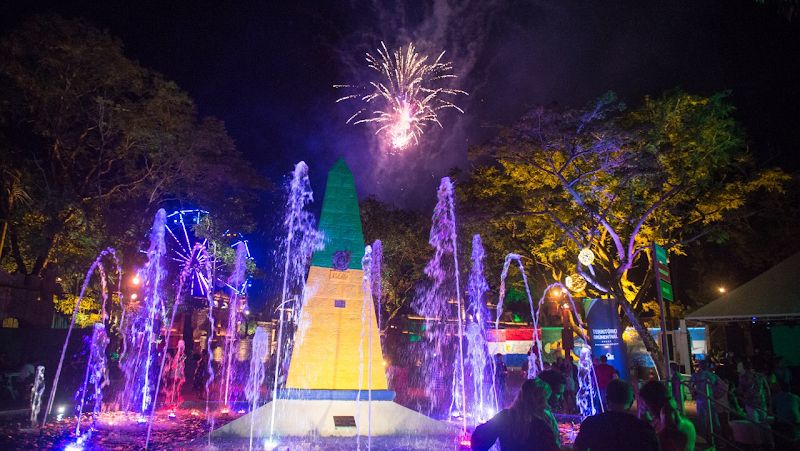
Marco das Três Fronteiras is one of those places that feels both historic and alive at the same time. Sitting right where Brazil, Argentina, and Paraguay meet, it’s not just a landmark—it’s a storybook of cultures, geography, and human connection. The site is marked by a tall obelisk, but the real magic comes from the atmosphere: the river views stretching out in two directions, the evening performances of traditional dances, and the way the lights turn the whole place into something almost cinematic after sunset.
It’s a tourist attraction, yes, but it doesn’t feel like just another stop on a checklist. There’s a Jesuit museum that gives you a glimpse into the region’s history, a restaurant where you can linger over local dishes, and even a playground for kids who might not care much about borders but love to run around. Families, couples, and solo travelers all seem to find their own rhythm here. And while not every visitor walks away blown away—some find it smaller or simpler than expected—most people end up appreciating the mix of culture, history, and scenery that makes it stand out.
What struck me personally when I visited was how calm it felt despite being such a popular spot. You’d expect chaos with so many tourists, but instead, there’s this sense of being part of something bigger, like standing at the literal crossroads of nations. And honestly, watching the sun dip behind the rivers while a group of dancers in colorful costumes takes the stage—it’s the kind of memory that sticks with you long after you’ve left.
Key Features
- Iconic obelisk marking the meeting point of Brazil, Argentina, and Paraguay
- Jesuit museum showcasing regional history and culture
- Restaurant offering local and international dishes
- Evening shows with traditional dances and music
- Fountain and illuminated pathways for night visits
- Playground and open spaces for children
- Wheelchair accessible entrances, restrooms, and parking
- LGBTQ+ friendly and safe environment
- Ticketing system with advance purchase recommended
- Multiple payment options including cards and mobile payments
Best Time to Visit
The landmark is open year-round, but timing your visit makes a big difference. Late afternoon is my personal favorite because you get to see the place in daylight, catch the sunset over the rivers, and then stay for the evening shows when the lights come on. It’s like getting three different experiences in one visit.
If you’re not a fan of crowds, weekdays are generally quieter. Weekends and holidays can get busy, especially during summer when families flock here. The cooler months between May and September are more comfortable if you’re not into sticky heat. That said, there’s something about a warm summer night here—with music in the air and people milling about—that feels pretty special too.
How to Get There
Reaching Marco das Três Fronteiras is fairly straightforward if you’re already in Foz do Iguaçu. Most hotels can arrange a transfer, and taxis or ride-share apps are widely available. Public buses also run routes nearby, though if you’re carrying kids or planning to stay late for the shows, I’d recommend a cab for convenience and safety.
If you’re the type who likes to drive, there’s parking available on-site. The roads are well-marked, and GPS directions are reliable, so you won’t have trouble finding it. Just keep in mind that traffic can pick up around sunset when everyone is heading there for the evening events.
Tips for Visiting
Here’s the thing: Marco das Três Fronteiras isn’t the kind of spot where you just breeze in and out. To really enjoy it, give yourself at least a couple of hours. Arrive before sunset, grab a bite at the restaurant or a snack from one of the vendors, and then settle in for the cultural show. It’s worth the wait.
A few practical tips from experience:
- Buy your tickets in advance: It saves time, especially on busy nights.
- Bring a light jacket: Evenings can get surprisingly cool, especially by the river.
- Charge your phone or camera: The views are photogenic, and you’ll regret not having enough battery.
- Plan for kids: The playground is great, but bring water and snacks if you’re traveling with little ones.
- Stay for the show: Don’t leave right after the sunset. The cultural performances are the highlight for many visitors.
- Be patient: Lines can form at the entrance or the restaurant, but the overall vibe is relaxed—lean into it.
One last thought: don’t expect a massive theme park or a long list of rides and attractions. Marco das Três Fronteiras is more about atmosphere and meaning than adrenaline. If you go in with that mindset, you’ll probably walk away with a smile and maybe even a little more appreciation for how borders can bring people together instead of keeping them apart.
Key Features
- Iconic obelisk marking the meeting point of Brazil, Argentina, and Paraguay
- Jesuit museum showcasing regional history and culture
- Restaurant offering local and international dishes
- Evening shows with traditional dances and music
- Fountain and illuminated pathways for night visits
- Playground and open spaces for children
- Wheelchair accessible entrances, restrooms, and parking
- LGBTQ+ friendly and safe environment
More Details
Updated September 23, 2025
Table of Contents
Description
Marco das Três Fronteiras is one of those places that feels both historic and alive at the same time. Sitting right where Brazil, Argentina, and Paraguay meet, it’s not just a landmark—it’s a storybook of cultures, geography, and human connection. The site is marked by a tall obelisk, but the real magic comes from the atmosphere: the river views stretching out in two directions, the evening performances of traditional dances, and the way the lights turn the whole place into something almost cinematic after sunset.
It’s a tourist attraction, yes, but it doesn’t feel like just another stop on a checklist. There’s a Jesuit museum that gives you a glimpse into the region’s history, a restaurant where you can linger over local dishes, and even a playground for kids who might not care much about borders but love to run around. Families, couples, and solo travelers all seem to find their own rhythm here. And while not every visitor walks away blown away—some find it smaller or simpler than expected—most people end up appreciating the mix of culture, history, and scenery that makes it stand out.
What struck me personally when I visited was how calm it felt despite being such a popular spot. You’d expect chaos with so many tourists, but instead, there’s this sense of being part of something bigger, like standing at the literal crossroads of nations. And honestly, watching the sun dip behind the rivers while a group of dancers in colorful costumes takes the stage—it’s the kind of memory that sticks with you long after you’ve left.
Key Features
- Iconic obelisk marking the meeting point of Brazil, Argentina, and Paraguay
- Jesuit museum showcasing regional history and culture
- Restaurant offering local and international dishes
- Evening shows with traditional dances and music
- Fountain and illuminated pathways for night visits
- Playground and open spaces for children
- Wheelchair accessible entrances, restrooms, and parking
- LGBTQ+ friendly and safe environment
- Ticketing system with advance purchase recommended
- Multiple payment options including cards and mobile payments
Best Time to Visit
The landmark is open year-round, but timing your visit makes a big difference. Late afternoon is my personal favorite because you get to see the place in daylight, catch the sunset over the rivers, and then stay for the evening shows when the lights come on. It’s like getting three different experiences in one visit.
If you’re not a fan of crowds, weekdays are generally quieter. Weekends and holidays can get busy, especially during summer when families flock here. The cooler months between May and September are more comfortable if you’re not into sticky heat. That said, there’s something about a warm summer night here—with music in the air and people milling about—that feels pretty special too.
How to Get There
Reaching Marco das Três Fronteiras is fairly straightforward if you’re already in Foz do Iguaçu. Most hotels can arrange a transfer, and taxis or ride-share apps are widely available. Public buses also run routes nearby, though if you’re carrying kids or planning to stay late for the shows, I’d recommend a cab for convenience and safety.
If you’re the type who likes to drive, there’s parking available on-site. The roads are well-marked, and GPS directions are reliable, so you won’t have trouble finding it. Just keep in mind that traffic can pick up around sunset when everyone is heading there for the evening events.
Tips for Visiting
Here’s the thing: Marco das Três Fronteiras isn’t the kind of spot where you just breeze in and out. To really enjoy it, give yourself at least a couple of hours. Arrive before sunset, grab a bite at the restaurant or a snack from one of the vendors, and then settle in for the cultural show. It’s worth the wait.
A few practical tips from experience:
- Buy your tickets in advance: It saves time, especially on busy nights.
- Bring a light jacket: Evenings can get surprisingly cool, especially by the river.
- Charge your phone or camera: The views are photogenic, and you’ll regret not having enough battery.
- Plan for kids: The playground is great, but bring water and snacks if you’re traveling with little ones.
- Stay for the show: Don’t leave right after the sunset. The cultural performances are the highlight for many visitors.
- Be patient: Lines can form at the entrance or the restaurant, but the overall vibe is relaxed—lean into it.
One last thought: don’t expect a massive theme park or a long list of rides and attractions. Marco das Três Fronteiras is more about atmosphere and meaning than adrenaline. If you go in with that mindset, you’ll probably walk away with a smile and maybe even a little more appreciation for how borders can bring people together instead of keeping them apart.
Key Highlights
- Iconic obelisk marking the meeting point of Brazil, Argentina, and Paraguay
- Jesuit museum showcasing regional history and culture
- Restaurant offering local and international dishes
- Evening shows with traditional dances and music
- Fountain and illuminated pathways for night visits
- Playground and open spaces for children
- Wheelchair accessible entrances, restrooms, and parking
- LGBTQ+ friendly and safe environment
Location
Places to Stay Near Marco das Três Fronteiras
Find and Book a Tour
Explore More Travel Guides
No reviews found! Be the first to review!
Traveler Reviews for Marco das Três Fronteiras
There are no reviews yet. Be the first one to write one.
Have you visited Marco das Três Fronteiras? Help other travelers by sharing your review.
You Might Also Like

Dreams Park Show
Foz do Iguaçu
Pousada Cataratas
Find Accommodations Nearby
Recommended Tours & Activities
Visitor Reviews
There are no reviews yet. Be the first one to write one.
Share Your Experience
Have you visited Marco das Três Fronteiras? Help other travelers by leaving a review.