
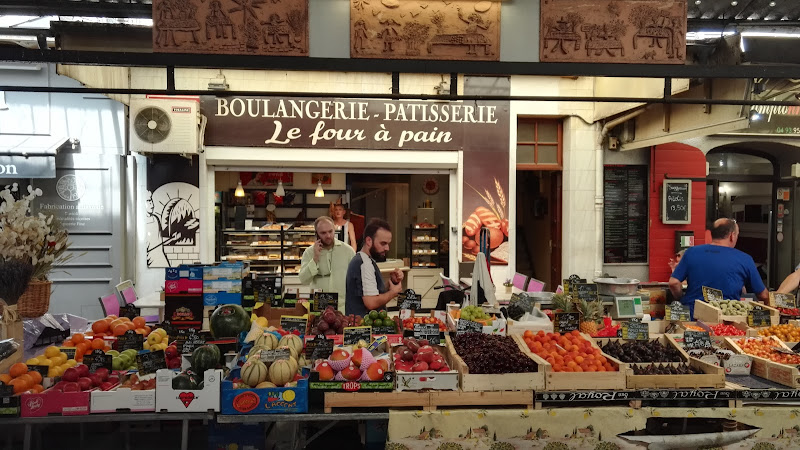
Marché provençal
About Marché provençal
Description
Marché provençal is one of those places in Antibes where you start to feel like a local almost instantly, even if your French is limited to a shy “Bonjour.” This covered market isn’t showy or polished for tourists—it’s the real deal, and believe me, it’s easy to lose yourself among the lively stalls and the endless scent of fresh basil. You’ll see grandmothers clacking their baskets, shopkeepers having a half-friendly, half-combative banter over a pile of oranges, and the occasional dreadlocked artist staring pensively at bundles of rosemary as if he’s composing an epic poem about herbs.
The market is bright and a little noisy and sometimes, yes, a bit crowded. It gets smudged with dirt from all the foot traffic. But here’s the thing: it hums with authenticity and a kind of charm you won’t find in any shopping mall or sterile chain supermarket. You’ll find rows upon rows of just-picked peaches, wrinkly tomatoes that taste like July sunshine, and more types of olives than I thought actually existed. And if you’re a cheese-lover—oh boy, prepare for some tough choices! From nutty tommes to goaty, creamy chèvres that practically melt on your tongue. For me, the highlight is watching the flower vendors setting up their blooms—color everywhere, a daily pop of joy.
Everything is local. Well, almost everything; sometimes I spot mandarins from a bit farther south. The point is, this place is about tradition and taste and being close to your food. It’s also about people-watching—the elderly couple picking fruit as if auditioning for the role of Market Kings and the chef in his whites buying a suspicious amount of garlic. Sure, it’s touristy in summer, and you might find yourself elbow-to-elbow with Insta-photo-seekers. But beyond that, it’s truly authentic.
I’m not going to sugarcoat it: prices can be high, especially compared to the big supermarkets. Sometimes stallholders get a little overwhelmed (and I’ve seen a few grumpy faces before 9 a.m.). Still, if you’re willing to lean in and maybe get your shoes a bit dusty, the Marché provençal is one of Antibes’ most rewarding spots—where food, culture, and good old-fashioned storytelling come together under one covered roof.
Key Features
- Traditional covered street market experience, open rain or shine
- Artisan cheeses (you’ll smell them before you see them—my nose never lies)
- Fresh, locally sourced fruit and vegetables that change with the seasons
- Piles of crusty breads and handmade pastries—tasting before buying is highly encouraged (and sometimes generously offered)
- An epic selection of olives, oils, and tapenades
- Gorgeous flower stalls, with buckets of roses, wildflowers, and fragrant herbs
- Friendly (and sometimes blunt) local vendors happy to share stories or offer a taste—if you ask nicely
- Spices, dried fruits, honey, and local jams that make perfect souvenirs
- Wheelchair accessible entrance, though be warned the crowds and busy mornings can make it a bit tricky at peak
- Onsite services for a quick snack or drink break without wandering too far off
- Paid parking lot nearby for those bringing a car—though it fills up, especially weekends!
Best Time to Visit
I’ve visited in the shoulder seasons and in the frenzied heart of August; I’m going to be honest, timing is everything here. Mornings are, hands down, the prime time. Roll in just after opening (usually 6 a.m. or so—yes, that’s early, but your stomach will thank me), and you’ll find the freshest produce, a manageable crowd, and vendors still in good humor, humming to the market’s own version of morning jazz. If you’re anything like me, grab a coffee from a nearby café, wander in with bleary eyes, and soak up that infectious local energy—so much better than any alarm clock.
The market is open nearly every morning, though Sundays can get particularly packed and competitive. During the height of summer, you’re competing with more tourists than tomatoes (okay, slight exaggeration). If you want the best selection, skip the midday rush. In the cooler months—honestly, a personal favorite—the market slows down a bit. There are fewer stalls, but the region’s winter offerings take the spotlight, and the experience feels more intimate and less hurried. Is there a bad time to go? Only if you show up after noon, when the best stuff’s been scooped up and stallholders are packing up, ready for their own long lunch breaks.
How to Get There
If you’re coming from nearby, walking is by far the way to go—this part of Antibes is made for ambling, not for traffic jams. Plus, you get to peek into little side streets and spot odd bits of street art and unexpected pastries along the way. Public transport is reliable, with buses stopping within an easy stroll. Just prepare for a little morning bustle—locals and tourists both have places to be (and markets to raid!)
For drivers, a paid parking lot is very close, but it does fill up—especially on Saturdays and high season days. If you’re set on driving, aim to arrive early, or try the nearby lots and walk a few minutes. And bikes are always an option; there are racks nearby, and it feels very French to roll up with your wicker basket strapped on the handlebars. Taxis are also available, but honestly, you’ll miss half the fun speeding through alleyways instead of soaking up the local flavor on foot.
And, just as a footnote from my own experience, Antibes’ compact old town is a joy to traverse on foot—turning what’s “just” a market trip into a bit of a self-guided adventure.
Tips for Visiting
Now, having been through the market enough times that the cheese monger gives me a wink, let me share a few off-the-record (okay, slightly on-the-record) tips:
- Bring cash. Many stalls accept cards these days, but not all, and the smaller ones especially can be cash-only. Plus, bargaining feels awkward if you’re waving plastic.
- Don’t be shy! Stallholders can seem brusque, but a friendly “Bonjour” goes a long way. Ask to taste; most are proud to show off their wares.
- Take your time. The magic’s in the details—like the way the tomatoes are stacked or the lavender wafting from a basket no bigger than your hat.
- Try something new—seriously. There are always seasonal oddities. One December I discovered candied chestnuts I still dream about. (Missed them last year and nearly shed a tear.)
- Plan for crowds, but don’t get frustrated. You’re not alone; everyone’s there for the same delicious reason.
- Mind your bags and watch your step—bags get thwacked by swinging baskets, and the floor can be slippery if it’s been raining.
- Cheese, cheese, cheese. Did I mention the cheese? Don’t leave without some aged comté or a slice of herby goat cheese. Oh, and ask how to serve it—local tips are worth their weight in brie.
- Consider bringing your own shopping tote. It’s eco-friendly and the vendors appreciate it—also, it makes you feel a tad more like a local. (Not essential, but you’ll look the part.)
- If you drive, come early. Parking fills up impossibly fast and circling the block is downright soul-sapping.
And you know, above all: just have fun with it. The Marché provençal isn’t meant to be rushed or ticked off a list. Linger, sample, laugh at the oddities (yes, that’s an entire stall dedicated to garlic ropes and nothing else), and soak in the little moments. Sure, you’ll pay a bit extra for those sun-warmed strawberries, but you’ll remember the flavor long after you’ve left Antibes. That, to me, is what makes this place stand out—a market not for tourists, but for travelers, curious souls, and anyone ready to fall in love with food all over again.
Key Features
- Traditional covered street market experience, open rain or shine
- Artisan cheeses (you’ll smell them before you see them—my nose never lies)
- Fresh, locally sourced fruit and vegetables that change with the seasons
- Piles of crusty breads and handmade pastries—tasting before buying is highly encouraged (and sometimes generously offered)
- An epic selection of olives, oils, and tapenades
- Gorgeous flower stalls, with buckets of roses, wildflowers, and fragrant herbs
- Friendly (and sometimes blunt) local vendors happy to share stories or offer a taste—if you ask nicely
- Spices, dried fruits, honey, and local jams that make perfect souvenirs
More Details
Updated June 22, 2025
Table of Contents
Description
Marché provençal is one of those places in Antibes where you start to feel like a local almost instantly, even if your French is limited to a shy “Bonjour.” This covered market isn’t showy or polished for tourists—it’s the real deal, and believe me, it’s easy to lose yourself among the lively stalls and the endless scent of fresh basil. You’ll see grandmothers clacking their baskets, shopkeepers having a half-friendly, half-combative banter over a pile of oranges, and the occasional dreadlocked artist staring pensively at bundles of rosemary as if he’s composing an epic poem about herbs.
The market is bright and a little noisy and sometimes, yes, a bit crowded. It gets smudged with dirt from all the foot traffic. But here’s the thing: it hums with authenticity and a kind of charm you won’t find in any shopping mall or sterile chain supermarket. You’ll find rows upon rows of just-picked peaches, wrinkly tomatoes that taste like July sunshine, and more types of olives than I thought actually existed. And if you’re a cheese-lover—oh boy, prepare for some tough choices! From nutty tommes to goaty, creamy chèvres that practically melt on your tongue. For me, the highlight is watching the flower vendors setting up their blooms—color everywhere, a daily pop of joy.
Everything is local. Well, almost everything; sometimes I spot mandarins from a bit farther south. The point is, this place is about tradition and taste and being close to your food. It’s also about people-watching—the elderly couple picking fruit as if auditioning for the role of Market Kings and the chef in his whites buying a suspicious amount of garlic. Sure, it’s touristy in summer, and you might find yourself elbow-to-elbow with Insta-photo-seekers. But beyond that, it’s truly authentic.
I’m not going to sugarcoat it: prices can be high, especially compared to the big supermarkets. Sometimes stallholders get a little overwhelmed (and I’ve seen a few grumpy faces before 9 a.m.). Still, if you’re willing to lean in and maybe get your shoes a bit dusty, the Marché provençal is one of Antibes’ most rewarding spots—where food, culture, and good old-fashioned storytelling come together under one covered roof.
Key Features
- Traditional covered street market experience, open rain or shine
- Artisan cheeses (you’ll smell them before you see them—my nose never lies)
- Fresh, locally sourced fruit and vegetables that change with the seasons
- Piles of crusty breads and handmade pastries—tasting before buying is highly encouraged (and sometimes generously offered)
- An epic selection of olives, oils, and tapenades
- Gorgeous flower stalls, with buckets of roses, wildflowers, and fragrant herbs
- Friendly (and sometimes blunt) local vendors happy to share stories or offer a taste—if you ask nicely
- Spices, dried fruits, honey, and local jams that make perfect souvenirs
- Wheelchair accessible entrance, though be warned the crowds and busy mornings can make it a bit tricky at peak
- Onsite services for a quick snack or drink break without wandering too far off
- Paid parking lot nearby for those bringing a car—though it fills up, especially weekends!
Best Time to Visit
I’ve visited in the shoulder seasons and in the frenzied heart of August; I’m going to be honest, timing is everything here. Mornings are, hands down, the prime time. Roll in just after opening (usually 6 a.m. or so—yes, that’s early, but your stomach will thank me), and you’ll find the freshest produce, a manageable crowd, and vendors still in good humor, humming to the market’s own version of morning jazz. If you’re anything like me, grab a coffee from a nearby café, wander in with bleary eyes, and soak up that infectious local energy—so much better than any alarm clock.
The market is open nearly every morning, though Sundays can get particularly packed and competitive. During the height of summer, you’re competing with more tourists than tomatoes (okay, slight exaggeration). If you want the best selection, skip the midday rush. In the cooler months—honestly, a personal favorite—the market slows down a bit. There are fewer stalls, but the region’s winter offerings take the spotlight, and the experience feels more intimate and less hurried. Is there a bad time to go? Only if you show up after noon, when the best stuff’s been scooped up and stallholders are packing up, ready for their own long lunch breaks.
How to Get There
If you’re coming from nearby, walking is by far the way to go—this part of Antibes is made for ambling, not for traffic jams. Plus, you get to peek into little side streets and spot odd bits of street art and unexpected pastries along the way. Public transport is reliable, with buses stopping within an easy stroll. Just prepare for a little morning bustle—locals and tourists both have places to be (and markets to raid!)
For drivers, a paid parking lot is very close, but it does fill up—especially on Saturdays and high season days. If you’re set on driving, aim to arrive early, or try the nearby lots and walk a few minutes. And bikes are always an option; there are racks nearby, and it feels very French to roll up with your wicker basket strapped on the handlebars. Taxis are also available, but honestly, you’ll miss half the fun speeding through alleyways instead of soaking up the local flavor on foot.
And, just as a footnote from my own experience, Antibes’ compact old town is a joy to traverse on foot—turning what’s “just” a market trip into a bit of a self-guided adventure.
Tips for Visiting
Now, having been through the market enough times that the cheese monger gives me a wink, let me share a few off-the-record (okay, slightly on-the-record) tips:
- Bring cash. Many stalls accept cards these days, but not all, and the smaller ones especially can be cash-only. Plus, bargaining feels awkward if you’re waving plastic.
- Don’t be shy! Stallholders can seem brusque, but a friendly “Bonjour” goes a long way. Ask to taste; most are proud to show off their wares.
- Take your time. The magic’s in the details—like the way the tomatoes are stacked or the lavender wafting from a basket no bigger than your hat.
- Try something new—seriously. There are always seasonal oddities. One December I discovered candied chestnuts I still dream about. (Missed them last year and nearly shed a tear.)
- Plan for crowds, but don’t get frustrated. You’re not alone; everyone’s there for the same delicious reason.
- Mind your bags and watch your step—bags get thwacked by swinging baskets, and the floor can be slippery if it’s been raining.
- Cheese, cheese, cheese. Did I mention the cheese? Don’t leave without some aged comté or a slice of herby goat cheese. Oh, and ask how to serve it—local tips are worth their weight in brie.
- Consider bringing your own shopping tote. It’s eco-friendly and the vendors appreciate it—also, it makes you feel a tad more like a local. (Not essential, but you’ll look the part.)
- If you drive, come early. Parking fills up impossibly fast and circling the block is downright soul-sapping.
And you know, above all: just have fun with it. The Marché provençal isn’t meant to be rushed or ticked off a list. Linger, sample, laugh at the oddities (yes, that’s an entire stall dedicated to garlic ropes and nothing else), and soak in the little moments. Sure, you’ll pay a bit extra for those sun-warmed strawberries, but you’ll remember the flavor long after you’ve left Antibes. That, to me, is what makes this place stand out—a market not for tourists, but for travelers, curious souls, and anyone ready to fall in love with food all over again.
Key Highlights
- Traditional covered street market experience, open rain or shine
- Artisan cheeses (you’ll smell them before you see them—my nose never lies)
- Fresh, locally sourced fruit and vegetables that change with the seasons
- Piles of crusty breads and handmade pastries—tasting before buying is highly encouraged (and sometimes generously offered)
- An epic selection of olives, oils, and tapenades
- Gorgeous flower stalls, with buckets of roses, wildflowers, and fragrant herbs
- Friendly (and sometimes blunt) local vendors happy to share stories or offer a taste—if you ask nicely
- Spices, dried fruits, honey, and local jams that make perfect souvenirs
Location
Places to Stay Near Marché provençal
Find and Book a Tour
Explore More Travel Guides
No reviews found! Be the first to review!
Traveler Reviews for Marché provençal
There are no reviews yet. Be the first one to write one.
Have you visited Marché provençal? Help other travelers by sharing your review.
You Might Also Like

Musée Picasso

Musée Peynet Et Du Dessin Humoristique
Château de la Croë
Find Accommodations Nearby
Recommended Tours & Activities
Visitor Reviews
There are no reviews yet. Be the first one to write one.
Share Your Experience
Have you visited Marché provençal? Help other travelers by leaving a review.