
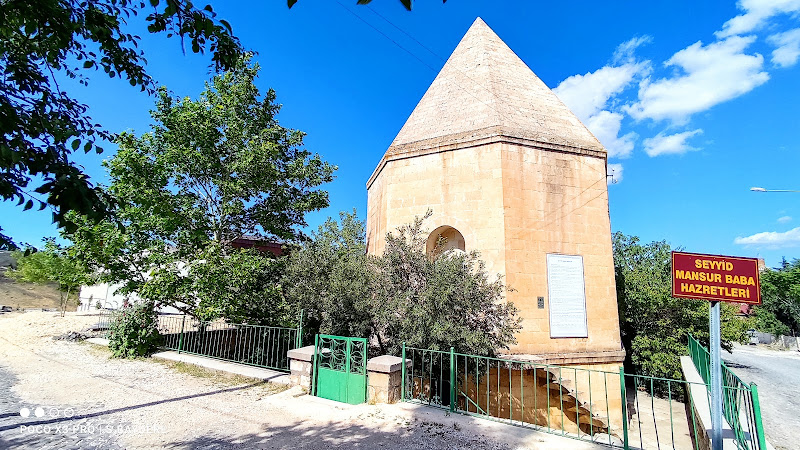
Mansur Baba Türbesi
About Mansur Baba Türbesi
The Mansur Baba Türbesi stands as one of those places that doesn’t scream for attention but rewards those who seek it out. This historical tomb shrine carries centuries of spiritual significance and architectural tradition, making it a fascinating stop for travelers interested in authentic cultural experiences rather than just ticking boxes on a tourist checklist.
When you visit, you’ll immediately notice that this isn’t some heavily commercialized attraction with tour buses lined up outside. It’s a genuine place of reverence that still functions as an active spiritual site for locals. The türbe, or tomb shrine, represents traditional Ottoman funerary architecture—something you don’t always get to experience up close in many destinations. And honestly, that’s what makes it special.
The atmosphere here is contemplative and peaceful. You won’t find crowds jostling for selfie spots, which might actually be refreshing if you’ve been hitting up the more popular tourist sites. Instead, you’ll encounter a space where history and spirituality intersect in a way that feels… well, real. The kind of place where you can actually take a moment to breathe and reflect without feeling rushed.
What struck me most about places like this is how they serve as living connections to the past. While the exact historical details of Mansur Baba himself may vary depending on who you ask, the türbe represents a tradition of saint veneration that’s been part of the cultural fabric for generations. Locals still visit to pay their respects, pray, and maintain the site—that continuity is something you can’t manufacture in a museum.
The building itself showcases characteristic elements of traditional Turkish tomb architecture, though it maintains a relatively modest profile compared to some of the grander imperial tombs you might have seen elsewhere. But that modesty is part of its charm. The structure reflects the architectural sensibilities of its era without pretension, and there’s something to be said for that kind of authenticity.
Key Features
The Mansur Baba Türbesi offers several distinctive elements that make it worth including in your travel itinerary:
- Authentic Historical Architecture: The türbe displays traditional Ottoman tomb design elements that provide insight into historical funerary practices and architectural styles. You’ll see characteristic features that have been preserved over the years, giving you a genuine glimpse into the past.
- Active Spiritual Site: Unlike many historical landmarks that exist solely as museums, this tomb shrine continues to serve as a place of devotion for the local community. That active spiritual dimension adds depth to your visit that you won’t find at purely historical sites.
- Peaceful Atmosphere: The location offers a tranquil environment away from the hustle of major tourist attractions. It’s the kind of place where you can actually hear yourself think and take in your surroundings without distraction.
- Kid-Friendly Environment: The site is appropriate for families traveling with children. The open space and calm atmosphere make it manageable for younger visitors, though parents should ensure kids understand the respectful behavior expected at religious sites.
- Cultural Insight: Visiting provides an opportunity to observe and understand the tradition of saint veneration in Turkish Islamic culture—something that enriches your understanding of the region beyond surface-level tourism.
- Architectural Details: Look for the traditional design elements in the structure itself, from the dome configuration to the entrance details. These features tell their own story about when and how the building was constructed.
- Local Community Connection: Because this remains an active site for locals, you’ll likely encounter Turkish visitors going about their devotional practices, offering an authentic cultural exchange opportunity.
- Unpretentious Experience: There’s no entrance fee drama, no aggressive vendors, no manufactured “experiences.” You get what you see—a historical tomb shrine that’s been serving its purpose for generations.
Best Time to Visit
Timing your visit to the Mansur Baba Türbesi can significantly impact your experience, though honestly, this isn’t the kind of place that gets overwhelmingly crowded regardless of when you show up.
The cooler months between October and April generally provide the most comfortable conditions for exploring. Turkish summers can be brutally hot, and spending time at outdoor historical sites during July or August might leave you more focused on finding shade than appreciating the architecture. Spring, particularly April and May, offers pleasant temperatures and the surrounding landscape looks its best after the winter rains.
Early mornings tend to be quietest, which might appeal if you prefer solitary contemplation. But don’t stress too much about precise timing—part of the appeal here is that it doesn’t follow the same crowded patterns as major tourist attractions. You could show up mid-afternoon on a Saturday and still find it relatively peaceful.
Fridays hold special significance as the Muslim day of congregational prayer, so you might encounter more local visitors on Friday afternoons. That can actually enhance your experience if you’re interested in observing authentic religious practices, but be extra mindful about respectful behavior on these days.
Avoid major Islamic holidays if you want to minimize crowds, or specifically target them if you want to see the site at its most active. During Ramadan, visiting patterns change significantly—mornings and afternoons are quieter, while post-sunset times see more activity. Just be aware that some visitors may be fasting, which adds another layer of spiritual significance to the atmosphere.
Weather-wise, sudden rain showers can occur, particularly in winter and spring. The türbe itself provides shelter, but getting there might involve some outdoor walking depending on where you’re coming from. Checking the forecast isn’t a bad idea, though a little rain never hurt anyone and sometimes adds a certain moody atmosphere to historical sites.
How to Get There
Getting to the Mansur Baba Türbesi requires a bit of planning, but it’s definitely manageable for independent travelers. The site isn’t located in the middle of a major tourist zone, which means you’ll need to be slightly more intentional about your route.
Public transportation is your friend here. Local buses serve the area, and using public transit gives you a chance to experience how residents actually navigate the city rather than staying in the tourist bubble. Download a local transit app or grab a transportation map—trust me, it makes everything easier. Don’t be shy about asking locals for directions either; most people appreciate when visitors make the effort to explore beyond the obvious attractions.
If you’re comfortable with ride-sharing apps, they work well for reaching the türbe. Just make sure you’ve got the location properly marked on your map before requesting a ride. Sometimes these smaller historical sites don’t come up correctly in navigation apps, so double-check the pin placement. I’ve learned this lesson the hard way more times than I’d like to admit.
Taxis are another option, though make sure the driver knows exactly where you’re headed. Having the name written down or showing them the location on a map helps avoid confusion. Some taxi drivers might not be immediately familiar with smaller historical sites, especially if they primarily serve tourist hotels and major attractions.
For the adventurous, walking can be a great option if you’re already in the general area. Turkish cities are generally walkable, and you’ll discover neighborhood details you’d miss from inside a vehicle. Just plan your route in advance and wear comfortable shoes—cobblestone streets and sidewalk conditions can vary.
Renting a car gives you maximum flexibility, though parking near historical sites can sometimes be challenging. If you go this route, arrive prepared to park a short walk away and complete the journey on foot.
Whatever transportation method you choose, leave buffer time in your schedule. Traffic patterns, unclear directions, and the general unpredictability of travel mean that things rarely go exactly according to plan. That’s okay—sometimes the detours become the most memorable parts of the journey.
Tips for Visiting
Making the most of your visit to Mansur Baba Türbesi involves some practical considerations and cultural awareness. This isn’t a place where you can just show up and wing it without thought—well, you could, but you’d miss important aspects of the experience.
Dress modestly. This is a functioning religious site, not a beach or casual tourist spot. Women should cover their shoulders and knees at minimum, and having a scarf to cover your head is respectful and may be required. Men should avoid shorts and tank tops. When in doubt, err on the side of more coverage rather than less. You’re a guest in someone else’s sacred space, and dressing appropriately shows respect for that.
Remove your shoes before entering the türbe itself. This is standard practice at Islamic religious sites, so wear shoes that slip on and off easily. Socks are fine to keep on, and actually recommended since floors can be cold or occasionally damp.
Photography is generally permitted in outdoor areas, but be cautious about taking photos inside the tomb structure. And absolutely never photograph people praying without explicit permission. Actually, just don’t photograph people praying at all—some moments aren’t meant to be documented for Instagram. If you’re unsure about photography rules, ask or simply observe what others are doing.
Keep your voice down. This isn’t the place for loud conversations or phone calls. The atmosphere is meant to be contemplative, and maintaining that quiet helps everyone, including you, have a better experience. Put your phone on silent while you’re at it.
If you’re visiting with kids, brief them beforehand about appropriate behavior. Children are welcome, but they need to understand this isn’t a playground. Teaching kids about respecting different cultural and religious spaces is valuable education anyway.
Bring some cash for any small donations if you feel inclined. Many türbes have collection boxes for maintaining the site. You’re not obligated, but if you want to contribute to preservation efforts, it’s an option.
Don’t visit if you’re not feeling well or particularly irritable. These spaces deserve visitors who can approach them with openness and respect. Come back another day when you’re in a better headspace to appreciate what you’re experiencing.
Watch for prayer times if you want to observe actual devotional practices, but also be aware that during prayers, you should stay out of the way and be extra quiet. There are apps and websites that list daily prayer times—checking them takes two minutes and helps you plan accordingly.
Engage with any site caretakers respectfully. They’re often fonts of information and stories about the türbe. Even if there’s a language barrier, a friendly demeanor goes a long way. I’ve had some of my best travel experiences come from conversations with people who maintain these historical and spiritual sites.
Finally, take your time. Don’t rush through just to check it off your list. Sit for a few minutes. Observe the architecture. Watch how locals interact with the space. Let the atmosphere sink in. The türbe has been there for centuries—it’ll still be there if you spend an extra fifteen minutes just being present in the moment.
Key Features
- 16th‑century vakfiye documentation attesting historical importance
- Association with Mansur Baba and the Yesevi spiritual tradition
- Compact stone tomb/shrine with traditional funerary architecture
- Adjoining small mescid (prayer space) reflecting living religious use
- Location in Harput near Ankuzu Kayalığı and other historic sites
Nearby Attractions
Harput Kalesi (Harput Castle)
Ulu Cami (Grand Mosque of Harput)
Ankuzu Kayalığı (Ankuzu Cliff) and surrounding Harput ruins
You Might Also Like

*BDT BELEK DOGA TOUR | Daily Tours, Day Trips and Excursions in Antalya*
1464. Sk. No:55
2006. Sk. No:2
Tours & Activities
GetYourGuide provides this tour inventory. We may earn a commission if you book through it; verify current availability, prices, and terms with the provider.
Visitor Reviews
There are no reviews yet. Be the first one to write one.
Share Your Experience
Have you visited Mansur Baba Türbesi? Help other travelers by leaving a review.