

Manizales
About Manizales
Description
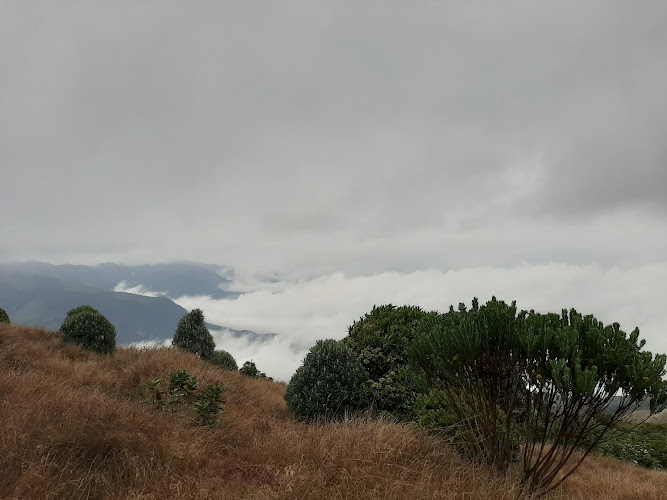
Manizales sits high in Colombia's coffee axis, perched at around 2,150 meters above sea level where the Andes mountains create a dramatic backdrop for daily life. The city sprawls across several steep hills and ridges, which means you'll get a serious leg workout just exploring the downtown core. And honestly, that's part of the charm – those inclines give you constantly changing perspectives of the surrounding landscape and the imposing Nevado del Ruiz volcano that looms in the distance. I remember the first time I visited a Colombian mountain city like this, and the altitude hit me harder than expected. You'll want to take it easy for the first day or two while your body adjusts. But once you're acclimated, Manizales reveals itself as a university town with genuine character, home to Universidad de Caldas and Universidad Nacional, which gives the place an energetic, youthful feel despite its traditional architecture. The city center clusters around Bolívar Square, where locals gather throughout the day and where you'll find that striking sculpture combining Simón Bolívar with a condor – Colombia's national bird. It's bold and unapologetic, which kind of sums up the city's attitude. The square serves as the natural starting point for most visitors, surrounded by the Cathedral Basilica of Our Lady of the Rosary with its neo-Gothic spires reaching skyward, and the Governor's Palace showcasing that distinct neo-colonial architecture that defines much of the historic core. What sets Manizales apart from other Colombian cities is how it's managed to preserve its cultural identity while modernizing. The coffee culture here isn't just tourist marketing – it's genuine, woven into the fabric of daily existence. You're in the heart of the Coffee Cultural Landscape, a UNESCO World Heritage site, and the mountains surrounding the city are blanketed with coffee farms that have operated for generations. The steep streets create neighborhoods stacked on top of each other, connected by winding roads and staircases. Some visitors find this challenging, but it creates intimate barrios with their own personalities. The climate stays cool year-round thanks to the elevation, hovering between 17-20°C most days, with frequent drizzle and occasional downpours that roll through the mountains. Bring layers and a good rain jacket, trust me on this.Key Features
The distinctive characteristics that make Manizales worth adding to your Colombia itinerary include: • Cathedral Basilica rooftop viewpoint offering panoramic views across the city and toward Nevado del Ruiz, accessible for a small fee and absolutely worth the climb up the narrow stairs • Annual Manizales Fair in January, one of Colombia's biggest cultural celebrations featuring bullfighting (controversial, I know), music festivals, and traditional parades that take over the entire city • Cable car system connecting different parts of the city and providing aerial perspectives of the dramatic topography and red-roofed buildings cascading down the hillsides • Los Yarumos Ecopark on the eastern edge of town where you can walk suspension bridges through cloud forest and potentially spot howler monkeys in the canopy • Coffee farm tours within 30-60 minutes of the city center, offering hands-on experiences from bean to cup that feel more authentic than many tourist-focused operations • El Cable neighborhood with its bohemian cafes, student hangouts, and street art reflecting the university influence • Torre de Chipre observation point giving you that postcard-perfect view of the entire urban sprawl with the mountains as backdrop • Recinto del Pensamiento nature reserve featuring bamboo forests, gardens, and walking trails just outside the city limits • The steep street architecture itself, with buildings seeming to defy gravity on slopes that would make San Francisco jealous • Year-round spring-like weather that never gets too hot or brutally cold, making outdoor exploration comfortable any monthBest Time to Visit
Here's where things get interesting because Manizales doesn't really have a bad season, but timing your visit can dramatically change your experience. The Manizales Fair in early January transforms the city completely. If you want to experience Colombian festival culture at its peak, this is when to come. Hotel prices jump significantly and you'll need to book months ahead, but the energy is electric. The entire first week of January features nonstop events, from traditional coffee ceremonies to concerts featuring national and international artists. But if crowds stress you out, avoid this period entirely. The drier months generally fall between December-February and June-August. However, calling any period "dry" in Manizales requires an asterisk – this is a mountain city where weather patterns do whatever they want. I've been caught in sudden downpours during supposedly dry months, and I've had perfectly sunny weeks during the rainy season. The reality is you should expect some rain whenever you visit. March through May and September through November bring heavier rainfall, turning streets into temporary rivers and occasionally causing landslides on rural roads. But these months also see fewer tourists, lower prices, and the coffee farms looking their greenest and most lush. The rain typically comes in afternoon or evening bursts rather than all-day affairs, so you can still accomplish plenty during morning hours. For coffee enthusiasts specifically, the main harvest season runs October through December, which means farm tours during this period show the full coffee production process in action. You'll see pickers working the slopes and processing facilities operating at full capacity. The secondary harvest happens April through June. Temperature-wise, expect consistency throughout the year. Pack the same clothing whether visiting in January or July – light layers, a weatherproof jacket, comfortable walking shoes with good grip for those slopes, and maybe a warm sweater for evenings. The altitude keeps things perpetually spring-like, which is glorious compared to Colombia's sweltering lowlands. Universidad de Caldas and Universidad Nacional follow academic calendars that influence the city's rhythm. When students are on break (December-January and June-July), some neighborhoods feel quieter and certain bars or cafes may reduce hours. During the school year, the city pulses with more energy, especially on weekends when students flood downtown areas.How to Get There
La Nubia Airport sits precariously on a mountain ridge just outside Manizales, and landing here ranks among the more thrilling arrival experiences you'll have in Colombia. The runway is relatively short and surrounded by dramatic drops on multiple sides, so don't be surprised if your fellow passengers applaud after touchdown – it's tradition. Avianca, LATAM, and EasyFly operate daily flights connecting Manizales with Bogotá, Medellín, and occasionally other Colombian cities. Flight times are short, typically 30-45 minutes from major hubs. From the airport, taxis run about 30-40 minutes into central Manizales depending on traffic. Agree on the fare beforehand or insist on using the meter. Uber operates in Manizales and often proves cheaper than traditional taxis, though availability varies. Some hotels arrange airport transfers if you request ahead. The overland bus option appeals to budget travelers and those wanting to see more countryside. The Manizales bus terminal connects to practically every major Colombian city. From Bogotá, expect 8-9 hours through stunning mountain scenery. From Medellín, buses take around 5 hours. From Pereira or Armenia in the coffee region, it's just 1-2 hours. Several companies run this route with varying comfort levels – Expreso Bolivariano and Expreso Palmira offer more comfortable seats for longer journeys. Driving yourself gives flexibility for exploring surrounding coffee farms and small towns, but those steep, winding roads require confidence and focus. Rental cars are available at the airport and downtown. Be prepared for aggressive local driving styles and streets that twist back on themselves repeatedly. From within the coffee region, hiring a private driver or joining organized tours makes sense for day trips to Manizales from Salento, Pereira, or Armenia. Many visitors base themselves in the coffee zone and make Manizales a day excursion rather than a multi-day stay.Tips for Visiting
The altitude affects people differently, so give yourself grace on arrival. Some travelers feel nothing, while others experience headaches, shortness of breath, or fatigue for a day or two. Stay hydrated, avoid heavy alcohol initially, and don't plan strenuous activities for your first afternoon. Those steep streets are no joke. Comfortable walking shoes with good traction are non-negotiable unless you want to spend your entire trip in taxis. I've watched countless tourists struggling in inappropriate footwear, and it severely limits what you can comfortably explore. The sidewalks get slippery when wet, which is often. Coffee farm tours book up quickly, especially during high season. Research and reserve before arriving rather than assuming you can arrange everything spontaneously. Hacienda Venecia, Recinto del Pensamiento, and Finca El Ocaso are popular options within reach of Manizales. Tours typically run 3-4 hours including transportation. The cable car system (Cable Aéreo) operates as public transportation, not a tourist attraction, but it provides fantastic views while serving a practical purpose. A ride costs less than a dollar and saves you from climbing some genuinely punishing hills. Locals use it for daily commutes, which adds authentic character you won't find on purpose-built tourist gondolas. Safety in Manizales generally rates as moderate for Colombia. The city sees far less tourist crime than Cartagena or Bogotá, but standard precautions apply. Avoid displaying expensive jewelry or electronics unnecessarily. Stick to well-populated areas after dark. The university areas and downtown stay relatively safe, but some peripheral neighborhoods require more caution. Spanish dominates overwhelmingly here. Unlike beach towns or major tourist hubs, English speakers are uncommon outside upscale hotels. Download translation apps, learn basic Spanish phrases, or accept that communication will occasionally involve creative hand gestures and patience. Most locals appreciate genuine attempts to speak Spanish, even poorly. The weather changes rapidly in the mountains. Mornings might start sunny and pleasant, then clouds roll in by early afternoon bringing rain. Carry a compact umbrella or rain jacket always. Layering works better than single heavy garments since you'll warm up significantly walking those hills. Banking and money exchange can be limited. Bring Colombian pesos from Bogotá or Medellín if possible. ATMs exist throughout downtown but sometimes run out of cash on weekends or during festivals. Credit cards work in established restaurants and hotels but many smaller establishments remain cash-only. The Cathedral rooftop closes during religious services and occasionally for maintenance. If seeing the view is important to you, confirm opening hours at the tourist information office in Bolívar Square rather than assuming access. The climb involves narrow spiral staircases that aren't suitable for anyone with mobility limitations or severe claustrophobia. Nevado del Ruiz volcano requires permits and guides to visit the upper elevations. The national park restricts access depending on volcanic activity levels. This isn't something you casually drive up to – it requires planning, appropriate cold-weather gear, and typically an overnight stay at high altitude. Tour operators in Manizales can arrange these excursions. Food in Manizales tends toward traditional paisa cuisine – bandeja paisa, ajiaco, empanadas, and arepa-based dishes. Vegetarian options exist but remain limited outside specifically vegetarian restaurants. The university areas offer more diverse and budget-friendly dining. Don't leave without trying the local coffee prepared in a traditional sock filter. Accomodation ranges from budget hostels popular with backpackers and university students to comfortable mid-range hotels to a handful of upscale options. Staying within walking distance of Bolívar Square provides easiest access to major sites, though you'll pay slightly more than in outer neighborhoods. Booking ahead becomes essential during the January fair and major Colombian holidays.Key Features
- High-altitude Andean setting with panoramic vistas
- Strong coffee-culture access—nearby coffee farms and tours
- Historic Cathedral Basilica (Catedral de Manizales) and central plazas
- Cable car and scenic viewpoints across steep urban terrain
- Gateway to Los Nevados National Natural Park and páramo landscapes
More Details
Updated January 17, 2026
Table of Contents
Description
Manizales sits high in Colombia’s coffee axis, perched at around 2,150 meters above sea level where the Andes mountains create a dramatic backdrop for daily life. The city sprawls across several steep hills and ridges, which means you’ll get a serious leg workout just exploring the downtown core. And honestly, that’s part of the charm – those inclines give you constantly changing perspectives of the surrounding landscape and the imposing Nevado del Ruiz volcano that looms in the distance.
I remember the first time I visited a Colombian mountain city like this, and the altitude hit me harder than expected. You’ll want to take it easy for the first day or two while your body adjusts. But once you’re acclimated, Manizales reveals itself as a university town with genuine character, home to Universidad de Caldas and Universidad Nacional, which gives the place an energetic, youthful feel despite its traditional architecture.
The city center clusters around Bolívar Square, where locals gather throughout the day and where you’ll find that striking sculpture combining Simón Bolívar with a condor – Colombia’s national bird. It’s bold and unapologetic, which kind of sums up the city’s attitude. The square serves as the natural starting point for most visitors, surrounded by the Cathedral Basilica of Our Lady of the Rosary with its neo-Gothic spires reaching skyward, and the Governor’s Palace showcasing that distinct neo-colonial architecture that defines much of the historic core.
What sets Manizales apart from other Colombian cities is how it’s managed to preserve its cultural identity while modernizing. The coffee culture here isn’t just tourist marketing – it’s genuine, woven into the fabric of daily existence. You’re in the heart of the Coffee Cultural Landscape, a UNESCO World Heritage site, and the mountains surrounding the city are blanketed with coffee farms that have operated for generations.
The steep streets create neighborhoods stacked on top of each other, connected by winding roads and staircases. Some visitors find this challenging, but it creates intimate barrios with their own personalities. The climate stays cool year-round thanks to the elevation, hovering between 17-20°C most days, with frequent drizzle and occasional downpours that roll through the mountains. Bring layers and a good rain jacket, trust me on this.
Key Features
The distinctive characteristics that make Manizales worth adding to your Colombia itinerary include:
• Cathedral Basilica rooftop viewpoint offering panoramic views across the city and toward Nevado del Ruiz, accessible for a small fee and absolutely worth the climb up the narrow stairs
• Annual Manizales Fair in January, one of Colombia’s biggest cultural celebrations featuring bullfighting (controversial, I know), music festivals, and traditional parades that take over the entire city
• Cable car system connecting different parts of the city and providing aerial perspectives of the dramatic topography and red-roofed buildings cascading down the hillsides
• Los Yarumos Ecopark on the eastern edge of town where you can walk suspension bridges through cloud forest and potentially spot howler monkeys in the canopy
• Coffee farm tours within 30-60 minutes of the city center, offering hands-on experiences from bean to cup that feel more authentic than many tourist-focused operations
• El Cable neighborhood with its bohemian cafes, student hangouts, and street art reflecting the university influence
• Torre de Chipre observation point giving you that postcard-perfect view of the entire urban sprawl with the mountains as backdrop
• Recinto del Pensamiento nature reserve featuring bamboo forests, gardens, and walking trails just outside the city limits
• The steep street architecture itself, with buildings seeming to defy gravity on slopes that would make San Francisco jealous
• Year-round spring-like weather that never gets too hot or brutally cold, making outdoor exploration comfortable any month
Best Time to Visit
Here’s where things get interesting because Manizales doesn’t really have a bad season, but timing your visit can dramatically change your experience.
The Manizales Fair in early January transforms the city completely. If you want to experience Colombian festival culture at its peak, this is when to come. Hotel prices jump significantly and you’ll need to book months ahead, but the energy is electric. The entire first week of January features nonstop events, from traditional coffee ceremonies to concerts featuring national and international artists. But if crowds stress you out, avoid this period entirely.
The drier months generally fall between December-February and June-August. However, calling any period “dry” in Manizales requires an asterisk – this is a mountain city where weather patterns do whatever they want. I’ve been caught in sudden downpours during supposedly dry months, and I’ve had perfectly sunny weeks during the rainy season. The reality is you should expect some rain whenever you visit.
March through May and September through November bring heavier rainfall, turning streets into temporary rivers and occasionally causing landslides on rural roads. But these months also see fewer tourists, lower prices, and the coffee farms looking their greenest and most lush. The rain typically comes in afternoon or evening bursts rather than all-day affairs, so you can still accomplish plenty during morning hours.
For coffee enthusiasts specifically, the main harvest season runs October through December, which means farm tours during this period show the full coffee production process in action. You’ll see pickers working the slopes and processing facilities operating at full capacity. The secondary harvest happens April through June.
Temperature-wise, expect consistency throughout the year. Pack the same clothing whether visiting in January or July – light layers, a weatherproof jacket, comfortable walking shoes with good grip for those slopes, and maybe a warm sweater for evenings. The altitude keeps things perpetually spring-like, which is glorious compared to Colombia’s sweltering lowlands.
Universidad de Caldas and Universidad Nacional follow academic calendars that influence the city’s rhythm. When students are on break (December-January and June-July), some neighborhoods feel quieter and certain bars or cafes may reduce hours. During the school year, the city pulses with more energy, especially on weekends when students flood downtown areas.
How to Get There
La Nubia Airport sits precariously on a mountain ridge just outside Manizales, and landing here ranks among the more thrilling arrival experiences you’ll have in Colombia. The runway is relatively short and surrounded by dramatic drops on multiple sides, so don’t be surprised if your fellow passengers applaud after touchdown – it’s tradition. Avianca, LATAM, and EasyFly operate daily flights connecting Manizales with Bogotá, Medellín, and occasionally other Colombian cities. Flight times are short, typically 30-45 minutes from major hubs.
From the airport, taxis run about 30-40 minutes into central Manizales depending on traffic. Agree on the fare beforehand or insist on using the meter. Uber operates in Manizales and often proves cheaper than traditional taxis, though availability varies. Some hotels arrange airport transfers if you request ahead.
The overland bus option appeals to budget travelers and those wanting to see more countryside. The Manizales bus terminal connects to practically every major Colombian city. From Bogotá, expect 8-9 hours through stunning mountain scenery. From Medellín, buses take around 5 hours. From Pereira or Armenia in the coffee region, it’s just 1-2 hours. Several companies run this route with varying comfort levels – Expreso Bolivariano and Expreso Palmira offer more comfortable seats for longer journeys.
Driving yourself gives flexibility for exploring surrounding coffee farms and small towns, but those steep, winding roads require confidence and focus. Rental cars are available at the airport and downtown. Be prepared for aggressive local driving styles and streets that twist back on themselves repeatedly.
From within the coffee region, hiring a private driver or joining organized tours makes sense for day trips to Manizales from Salento, Pereira, or Armenia. Many visitors base themselves in the coffee zone and make Manizales a day excursion rather than a multi-day stay.
Tips for Visiting
The altitude affects people differently, so give yourself grace on arrival. Some travelers feel nothing, while others experience headaches, shortness of breath, or fatigue for a day or two. Stay hydrated, avoid heavy alcohol initially, and don’t plan strenuous activities for your first afternoon.
Those steep streets are no joke. Comfortable walking shoes with good traction are non-negotiable unless you want to spend your entire trip in taxis. I’ve watched countless tourists struggling in inappropriate footwear, and it severely limits what you can comfortably explore. The sidewalks get slippery when wet, which is often.
Coffee farm tours book up quickly, especially during high season. Research and reserve before arriving rather than assuming you can arrange everything spontaneously. Hacienda Venecia, Recinto del Pensamiento, and Finca El Ocaso are popular options within reach of Manizales. Tours typically run 3-4 hours including transportation.
The cable car system (Cable Aéreo) operates as public transportation, not a tourist attraction, but it provides fantastic views while serving a practical purpose. A ride costs less than a dollar and saves you from climbing some genuinely punishing hills. Locals use it for daily commutes, which adds authentic character you won’t find on purpose-built tourist gondolas.
Safety in Manizales generally rates as moderate for Colombia. The city sees far less tourist crime than Cartagena or Bogotá, but standard precautions apply. Avoid displaying expensive jewelry or electronics unnecessarily. Stick to well-populated areas after dark. The university areas and downtown stay relatively safe, but some peripheral neighborhoods require more caution.
Spanish dominates overwhelmingly here. Unlike beach towns or major tourist hubs, English speakers are uncommon outside upscale hotels. Download translation apps, learn basic Spanish phrases, or accept that communication will occasionally involve creative hand gestures and patience. Most locals appreciate genuine attempts to speak Spanish, even poorly.
The weather changes rapidly in the mountains. Mornings might start sunny and pleasant, then clouds roll in by early afternoon bringing rain. Carry a compact umbrella or rain jacket always. Layering works better than single heavy garments since you’ll warm up significantly walking those hills.
Banking and money exchange can be limited. Bring Colombian pesos from Bogotá or Medellín if possible. ATMs exist throughout downtown but sometimes run out of cash on weekends or during festivals. Credit cards work in established restaurants and hotels but many smaller establishments remain cash-only.
The Cathedral rooftop closes during religious services and occasionally for maintenance. If seeing the view is important to you, confirm opening hours at the tourist information office in Bolívar Square rather than assuming access. The climb involves narrow spiral staircases that aren’t suitable for anyone with mobility limitations or severe claustrophobia.
Nevado del Ruiz volcano requires permits and guides to visit the upper elevations. The national park restricts access depending on volcanic activity levels. This isn’t something you casually drive up to – it requires planning, appropriate cold-weather gear, and typically an overnight stay at high altitude. Tour operators in Manizales can arrange these excursions.
Food in Manizales tends toward traditional paisa cuisine – bandeja paisa, ajiaco, empanadas, and arepa-based dishes. Vegetarian options exist but remain limited outside specifically vegetarian restaurants. The university areas offer more diverse and budget-friendly dining. Don’t leave without trying the local coffee prepared in a traditional sock filter.
Accomodation ranges from budget hostels popular with backpackers and university students to comfortable mid-range hotels to a handful of upscale options. Staying within walking distance of Bolívar Square provides easiest access to major sites, though you’ll pay slightly more than in outer neighborhoods. Booking ahead becomes essential during the January fair and major Colombian holidays.
Key Highlights
- High-altitude Andean setting with panoramic vistas
- Strong coffee-culture access—nearby coffee farms and tours
- Historic Cathedral Basilica (Catedral de Manizales) and central plazas
- Cable car and scenic viewpoints across steep urban terrain
- Gateway to Los Nevados National Natural Park and páramo landscapes
Location
Places to Stay Near Manizales
Find and Book a Tour
Explore More Travel Guides
No reviews found! Be the first to review!
Traveler Reviews for Manizales
There are no reviews yet. Be the first one to write one.
Have you visited Manizales? Help other travelers by sharing your review.
Nearby Attractions
You Might Also Like
Recinto del Pensamiento
Reserva Natural Torre 4

Nomadic George Mural
Find Accommodations Nearby
Recommended Tours & Activities
Visitor Reviews
There are no reviews yet. Be the first one to write one.
Share Your Experience
Have you visited Manizales? Help other travelers by leaving a review.