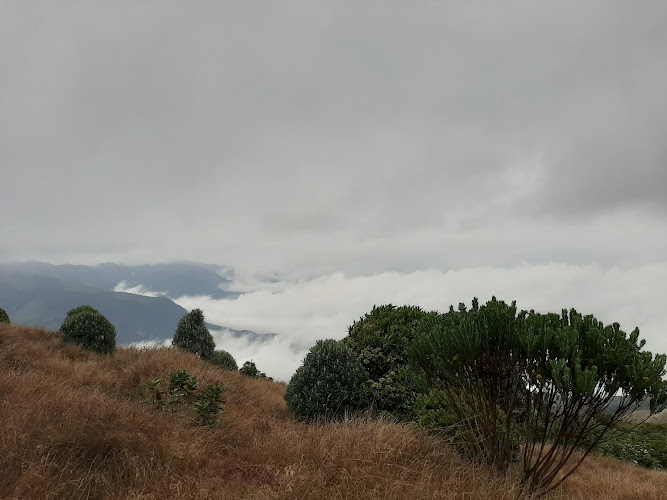
Description
Reserva Natural Torre 4 represents one of those places that doesn’t scream for attention but quietly offers something genuinely special to those who take the time to seek it out. I’ve always believed that the best natural experiences aren’t always the ones plastered across every travel brochure, and this nature preserve fits that philosophy perfectly.
This protected area serves as a sanctuary where nature gets to do its thing without too much human interference. And honestly? That’s exactly what makes it worth visiting. The reserve provides a peaceful escape from the usual tourist circuits, giving travelers a chance to connect with the natural world in a more authentic way. You won’t find massive crowds here or commercial developments that strip away the raw beauty of the landscape.
What strikes me most about Reserva Natural Torre 4 is how it manages to preserve its ecological integrity while still welcoming visitors who genuinely want to appreciate what nature has to offer. The area maintains its natural character, which means you’re getting a real experience rather than some sanitized, theme-park version of nature. It’s the kind of place where you can actually hear yourself think, where the sounds of wildlife replace the constant buzz of modern life.
The reserve functions as an important ecological zone, providing habitat for local flora and fauna that need protected spaces to thrive. But it’s not just about conservation on paper – when you visit, you can actually see and feel the difference that protection makes. The landscape has that untouched quality that’s becoming increasingly rare in our developed world.
Key Features
The Reserva Natural Torre 4 offers several distinctive characteristics that make it stand out among nature preserves:
• Protected natural habitat that showcases the region’s authentic ecological systems without excessive human modification
• Opportunities for genuine wildlife observation in an environment where animals can behave naturally without constant tourist pressure
• Peaceful atmosphere ideal for travelers seeking solitude and contemplation rather than crowded tourist experiences
• Well-maintained trails that allow exploration while minimizing environmental impact on the surrounding ecosystem
• Educational value for visitors interested in understanding local conservation efforts and natural history
• Photography opportunities that capture nature in its genuine state, perfect for travelers who appreciate authentic landscape imagery
• Relatively undiscovered status compared to major tourist attractions, meaning more intimate encounters with the natural environment
• Seasonal variations that create different experiences throughout the year, rewarding repeat visitors with new perspectives
• Natural terrain that provides moderate physical activity for those looking to combine exercise with nature appreciation
• Quiet zones where the absence of commercial development creates genuine connection with the natural world
Best Time to Visit
Timing your visit to Reserva Natural Torre 4 can really make or break your experience, and I’ve learned through my own travels that this matters way more than most people realize.
The optimal visiting periods depend largely on what you’re hoping to get out of your trip. Generally speaking, the shoulder seasons tend to offer the best balance between favorable weather conditions and fewer visitors. You get the advantage of comfortable temperatures without dealing with peak tourist crowds – and trust me, experiencing a nature reserve with only a handful of other people around changes everything.
Spring months bring the reserve to life in ways that are genuinely spectacular. The flora starts showing off, wildlife becomes more active, and the whole ecosystem seems to wake up from winter dormancy. If you’re into bird watching or wildlife photography, this is when you’ll see the most activity. I remember visiting a similar preserve during spring once, and the sheer amount of life buzzing around was almost overwhelming in the best possible way.
Summer can be beautiful but comes with its own considerations. Depending on the local climate, it might get pretty warm during midday hours. But here’s the thing – early morning visits during summer can be absolutely magical. The light is perfect, animals are active before the heat sets in, and you’ll have the trails mostly to yourself if you’re willing to set that alarm clock a bit earlier than usual.
Fall offers a completely different character. The changing seasons create visual interest that photographers absolutely love, and temperatures start cooling down to more comfortable levels for hiking. Wildlife behavior shifts during this time too, which means you might observe things you wouldn’t see during other seasons.
Winter visits require more planning and proper preparation, but they reward adventurous travelers with a completely different perspective of the reserve. The landscape takes on a stark beauty, and the reduced vegetation can actually make wildlife spotting easier in some cases. Just make sure you’re prepared for the weather conditions and check if all areas of the reserve remain accessible during colder months.
Weather patterns matter more than specific calendar dates, honestly. Check local forecasts before your visit and be flexible with your plans if possible. A sunny day after recent rainfall can create absolutely perfect conditions – everything looks fresh, animals come out to enjoy the improved weather, and the whole experience just feels more alive.
How to Get There
Getting to Reserva Natural Torre 4 requires a bit more planning than just punching an address into your GPS, but that’s part of what keeps it from being overrun with casual tourists who aren’t really committed to the experience.
Your journey will likely start from the nearest major town or city in the region. From there, you’ll need to navigate toward the reserve using a combination of main roads and potentially some smaller local routes. I always recommend downloading offline maps before heading out, because cell signal can get spotty once you leave more populated areas – learned that lesson the hard way on more than one occasion.
If you’re relying on public transportation, your options might be limited. Nature preserves like this one typically aren’t serviced by regular bus routes, which means you’ll probably need to arrange private transportation or rent a vehicle. And honestly? Having your own car gives you so much more flexibility with timing and allows you to explore the surrounding area at your own pace.
For international travelers, you’ll want to fly into the nearest airport and then arrange ground transportation from there. Build in extra time for this leg of your journey – things always take longer than you think when you’re navigating unfamiliar territory.
Road conditions vary depending on the season and recent weather. Some access routes might be unpaved or require careful driving, especially after rain. A regular car can usually handle it, but checking current conditions before you leave is smart. Local tourism offices or park services can provide up-to-date information about accessibility.
Parking facilities near the reserve are typically basic but functional. Don’t expect large paved lots with attendants – you’re more likely to find informal parking areas where visitors leave their vehicles before heading into the preserve. Make sure you don’t leave valuables visible in your car, standard travel wisdom that applies anywhere really.
Consider the total travel time when planning your visit. If the reserve is several hours from your accommodation, factor in breaks and potential delays. Arriving stressed and rushed defeats the whole purpose of visiting a peaceful nature preserve.
Tips for Visiting
Let me share some practical advice that’ll help you make the most of your time at Reserva Natural Torre 4, based on what actually matters when you’re visiting places like this.
First things first – dress appropriately for outdoor exploration. Comfortable, closed-toe shoes with good traction are non-negotiable. I’ve seen too many people show up at nature reserves wearing completely inappropriate footwear and then having a miserable time. Layers work better than single heavy pieces because temperatures can fluctuate throughout the day, and you’ll warm up quickly once you start moving.
Bring more water than you think you’ll need. Seriously, everyone underestimates this. There probably aren’t drinking fountains or shops once you’re inside the reserve, so whatever you carry is what you’ve got. I typically bring at least twice what I initially think I’ll drink, and I’m usually glad I did.
Pack some snacks, but here’s the important part – pack out everything you bring in. Leave no trace isn’t just a catchy phrase, it’s essential for preserving these spaces for future visitors. Bring a small bag specifically for your trash and any wrappers or food waste.
Binoculars enhance the experience tremendously if you’re interested in wildlife observation. You don’t need expensive professional equipment – even basic binoculars let you observe animals without disturbing them by getting too close. Same goes for cameras with decent zoom capabilities.
Insect repellent and sunscreen are your friends, depending on the season. Natural areas mean natural insects, and while they’re important parts of the ecosystem, you don’t necessarily want them feasting on you while you’re trying to enjoy the scenery.
Respect trail markers and designated paths. I know it’s tempting to wander off when you spot something interesting, but staying on established trails protects both the environment and your safety. You don’t know what hazards might exist off-trail, and your footsteps can damage delicate vegetation or disturb wildlife nesting areas.
Give wildlife plenty of space. This should go without saying, but every year people do foolish things trying to get close to wild animals for photos. Use that zoom lens, stay at safe distances, and never feed wildlife under any circumstances. Animals that become accustomed to human food lose their natural behaviors and can become dangerous.
Check the weather forecast but also be prepared for conditions to change. Mountain and forest weather can shift quickly, and what starts as a beautiful sunny morning might turn into something completely different by afternoon. A lightweight rain jacket takes up minimal space and can save your whole outing.
Arrive early if you want the best experience. Wildlife is most active during early morning hours, you’ll beat any crowds that might show up, and the lighting for photography is generally superior. Plus there’s something special about being in nature as the day begins that you just don’t get arriving at noon.
Let someone know your plans before heading into the reserve, especially if you’re traveling solo. Basic safety protocol that people often skip, but it matters. Tell someone where you’re going and when you expect to return.
Finally, slow down and actually be present. The whole point of visiting a nature preserve is to experience it, not to rush through ticking it off some bucket list. Put your phone on airplane mode, breathe deeply, and pay attention to what’s around you. That’s when the real magic happens.