
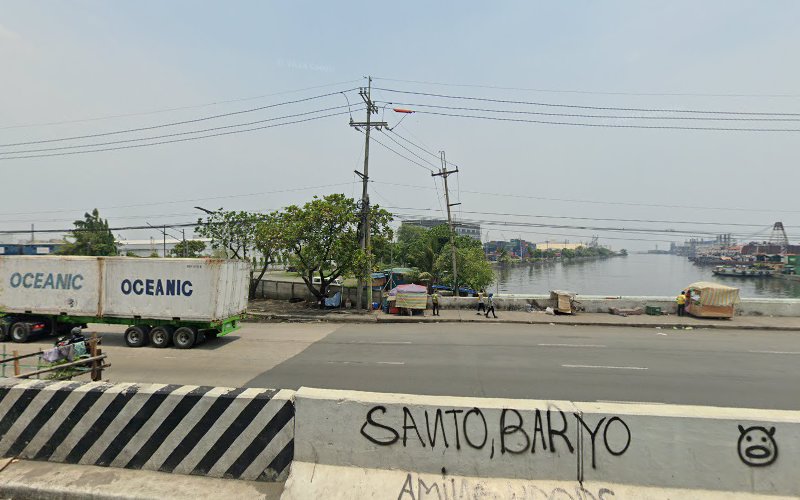
Manila- Navotas City Boundary
About Manila- Navotas City Boundary
Description
The Manila–Navotas City Boundary might not sound like the kind of place you’d put on your travel bucket list, but for those who love exploring the edges of cities—where one story ends and another begins—it’s surprisingly fascinating. This boundary marks the line where the bustling capital of Manila meets the industrious fishing city of Navotas. It’s more than just a divider; it’s a living symbol of history, trade, and the gritty resilience of Metro Manila’s coastal communities.
Standing near this boundary, you’ll notice the subtle shift in atmosphere. Manila’s dense urban sprawl slowly gives way to Navotas’ narrower streets and the unmistakable scent of the sea. I remember the first time I crossed this line—it was late afternoon, and the sky had that orange glow that makes everything feel cinematic. The fishing boats were docked along the coast, and kids were playing near the water, their laughter carrying over the hum of motorcycles and jeepneys. It felt raw, real, and deeply Filipino.
Historically, this area has been a witness to centuries of change. Navotas was once part of Malabon before it became its own municipality, and the boundary with Manila has shifted over time as the city expanded. Today, the Manila–Navotas line reflects both the continuity and contrast of two distinct urban identities. On one side, Manila’s old districts buzz with commerce; on the other, Navotas thrives on its fishing heritage and community spirit. It’s the kind of place where you can still see the Philippines’ working-class heart beating strong.
For travelers interested in urban culture, history, or photography, this boundary offers a slice of authenticity that polished tourist spots often lack. You’ll find murals, small eateries serving fresh seafood, and locals who are always up for a chat if you show genuine curiosity. It’s not fancy, but that’s exactly what makes it worth visiting. It’s Manila and Navotas stripped down to their truest selves—gritty, warm, and endlessly interesting.
Key Features
- Historical Significance: The boundary marks the evolving relationship between Manila and Navotas, tracing back to colonial and post-war urban development.
- Local Life: Experience the daily rhythm of fishermen, market vendors, and families living along the coast.
- Street Art and Culture: Discover colorful murals and community art projects that tell stories of resilience and pride.
- Scenic Waterfront Views: The area offers a raw but beautiful look at Manila Bay, especially at sunset.
- Accessible Local Eats: Sample authentic Filipino street food—fish balls, grilled squid, and freshly caught bangus—right where it’s made.
- Photographic Opportunities: The contrast between industrial structures and coastal life makes for compelling photos.
- Family-Friendly: Despite being urban, it’s a surprisingly engaging spot for kids curious about fishing boats and local culture.
Best Time to Visit
If you’re planning to explore the Manila–Navotas City Boundary, aim for the cooler months between December and February. The weather’s more forgiving, and the air feels cleaner, especially in the late afternoons. Early mornings are also great—there’s something magical about watching the fishermen return with their catch as the city slowly wakes up. Avoid the rainy season if you can, since flooding can make parts of the area tricky to navigate.
Personally, I love visiting just before sunset. The golden light hits the water perfectly, and you can see the silhouettes of boats and cranes against the horizon. It’s not a postcard-perfect view, but it’s honest. And if you’re lucky, you might catch one of those cotton-candy skies that make you forget you’re standing in one of Metro Manila’s busiest corners.
How to Get There
Getting to the boundary is fairly straightforward if you’re already in Metro Manila. From central Manila, you can take a jeepney or UV Express bound for Navotas. The ride itself is part of the experience—you’ll pass through Tondo, one of the city’s most storied districts, filled with history and character. Alternatively, taxis or ride-hailing apps can drop you closer to the boundary area, though traffic can be unpredictable (because, well, it’s Manila).
For the more adventurous traveler, hopping on a local tricycle once you’re near Navotas is a fun way to explore the smaller streets. The drivers often know the area’s hidden gems—like where to find the best fish soup or where you can get a great photo of the bay. Just remember to bring small bills and a sense of humor; the ride can get bumpy, but that’s part of the charm.
Tips for Visiting
Visiting the Manila–Navotas City Boundary isn’t about luxury or convenience—it’s about connection and discovery. Here are a few tips to make the most of your trip:
- Wear comfortable clothing. The area can get hot and humid, and you’ll likely be walking around narrow streets or coastal paths.
- Bring cash. Most local vendors and tricycle drivers don’t accept cards, and ATMs can be scarce nearby.
- Respect local customs. People here are friendly, but always ask before taking photos, especially of individuals or private property.
- Stay alert. Like many urban areas, it’s best to keep your belongings secure and be aware of your surroundings.
- Try the seafood. Navotas is known as the “Fishing Capital of the Philippines,” and the catch is as fresh as it gets. Don’t miss out on the grilled fish stalls near the boundary.
- Visit during daylight. It’s safer and you’ll get a better sense of the community’s daily life.
- Talk to locals. They often have the best stories about how the boundary has changed over the years.
One thing I’ve learned from exploring boundaries like this is that they’re not just lines on a map—they’re intersections of lives, histories, and dreams. The Manila–Navotas City Boundary reminds you that cities are living organisms, constantly growing and adapting. It’s a place that hums with energy, even in its quietest corners.
So if you’re the kind of traveler who likes to dig beneath the surface, to see the “real” side of a city, this spot deserves a few hours of your time. Bring your curiosity, an open mind, and maybe a camera—you’ll leave with more than just photos. You’ll take with you a deeper understanding of how Manila and Navotas coexist, side by side, tied together by water, work, and the unbreakable Filipino spirit.
Key Features
- Key Features
- Best Time to Visit
- How to Get There
- Tips for Visiting
More Details
Updated November 9, 2025
Table of Contents
Description
The Manila–Navotas City Boundary might not sound like the kind of place you’d put on your travel bucket list, but for those who love exploring the edges of cities—where one story ends and another begins—it’s surprisingly fascinating. This boundary marks the line where the bustling capital of Manila meets the industrious fishing city of Navotas. It’s more than just a divider; it’s a living symbol of history, trade, and the gritty resilience of Metro Manila’s coastal communities.
Standing near this boundary, you’ll notice the subtle shift in atmosphere. Manila’s dense urban sprawl slowly gives way to Navotas’ narrower streets and the unmistakable scent of the sea. I remember the first time I crossed this line—it was late afternoon, and the sky had that orange glow that makes everything feel cinematic. The fishing boats were docked along the coast, and kids were playing near the water, their laughter carrying over the hum of motorcycles and jeepneys. It felt raw, real, and deeply Filipino.
Historically, this area has been a witness to centuries of change. Navotas was once part of Malabon before it became its own municipality, and the boundary with Manila has shifted over time as the city expanded. Today, the Manila–Navotas line reflects both the continuity and contrast of two distinct urban identities. On one side, Manila’s old districts buzz with commerce; on the other, Navotas thrives on its fishing heritage and community spirit. It’s the kind of place where you can still see the Philippines’ working-class heart beating strong.
For travelers interested in urban culture, history, or photography, this boundary offers a slice of authenticity that polished tourist spots often lack. You’ll find murals, small eateries serving fresh seafood, and locals who are always up for a chat if you show genuine curiosity. It’s not fancy, but that’s exactly what makes it worth visiting. It’s Manila and Navotas stripped down to their truest selves—gritty, warm, and endlessly interesting.
Key Features
- Historical Significance: The boundary marks the evolving relationship between Manila and Navotas, tracing back to colonial and post-war urban development.
- Local Life: Experience the daily rhythm of fishermen, market vendors, and families living along the coast.
- Street Art and Culture: Discover colorful murals and community art projects that tell stories of resilience and pride.
- Scenic Waterfront Views: The area offers a raw but beautiful look at Manila Bay, especially at sunset.
- Accessible Local Eats: Sample authentic Filipino street food—fish balls, grilled squid, and freshly caught bangus—right where it’s made.
- Photographic Opportunities: The contrast between industrial structures and coastal life makes for compelling photos.
- Family-Friendly: Despite being urban, it’s a surprisingly engaging spot for kids curious about fishing boats and local culture.
Best Time to Visit
If you’re planning to explore the Manila–Navotas City Boundary, aim for the cooler months between December and February. The weather’s more forgiving, and the air feels cleaner, especially in the late afternoons. Early mornings are also great—there’s something magical about watching the fishermen return with their catch as the city slowly wakes up. Avoid the rainy season if you can, since flooding can make parts of the area tricky to navigate.
Personally, I love visiting just before sunset. The golden light hits the water perfectly, and you can see the silhouettes of boats and cranes against the horizon. It’s not a postcard-perfect view, but it’s honest. And if you’re lucky, you might catch one of those cotton-candy skies that make you forget you’re standing in one of Metro Manila’s busiest corners.
How to Get There
Getting to the boundary is fairly straightforward if you’re already in Metro Manila. From central Manila, you can take a jeepney or UV Express bound for Navotas. The ride itself is part of the experience—you’ll pass through Tondo, one of the city’s most storied districts, filled with history and character. Alternatively, taxis or ride-hailing apps can drop you closer to the boundary area, though traffic can be unpredictable (because, well, it’s Manila).
For the more adventurous traveler, hopping on a local tricycle once you’re near Navotas is a fun way to explore the smaller streets. The drivers often know the area’s hidden gems—like where to find the best fish soup or where you can get a great photo of the bay. Just remember to bring small bills and a sense of humor; the ride can get bumpy, but that’s part of the charm.
Tips for Visiting
Visiting the Manila–Navotas City Boundary isn’t about luxury or convenience—it’s about connection and discovery. Here are a few tips to make the most of your trip:
- Wear comfortable clothing. The area can get hot and humid, and you’ll likely be walking around narrow streets or coastal paths.
- Bring cash. Most local vendors and tricycle drivers don’t accept cards, and ATMs can be scarce nearby.
- Respect local customs. People here are friendly, but always ask before taking photos, especially of individuals or private property.
- Stay alert. Like many urban areas, it’s best to keep your belongings secure and be aware of your surroundings.
- Try the seafood. Navotas is known as the “Fishing Capital of the Philippines,” and the catch is as fresh as it gets. Don’t miss out on the grilled fish stalls near the boundary.
- Visit during daylight. It’s safer and you’ll get a better sense of the community’s daily life.
- Talk to locals. They often have the best stories about how the boundary has changed over the years.
One thing I’ve learned from exploring boundaries like this is that they’re not just lines on a map—they’re intersections of lives, histories, and dreams. The Manila–Navotas City Boundary reminds you that cities are living organisms, constantly growing and adapting. It’s a place that hums with energy, even in its quietest corners.
So if you’re the kind of traveler who likes to dig beneath the surface, to see the “real” side of a city, this spot deserves a few hours of your time. Bring your curiosity, an open mind, and maybe a camera—you’ll leave with more than just photos. You’ll take with you a deeper understanding of how Manila and Navotas coexist, side by side, tied together by water, work, and the unbreakable Filipino spirit.
Key Highlights
- Key Features
- Best Time to Visit
- How to Get There
- Tips for Visiting
Location
Find and Book a Tour
Explore More Travel Guides
No reviews found! Be the first to review!
There are no reviews yet. Be the first one to write one.
Have you visited Manila- Navotas City Boundary? Help other travelers by sharing your review.
You Might Also Like
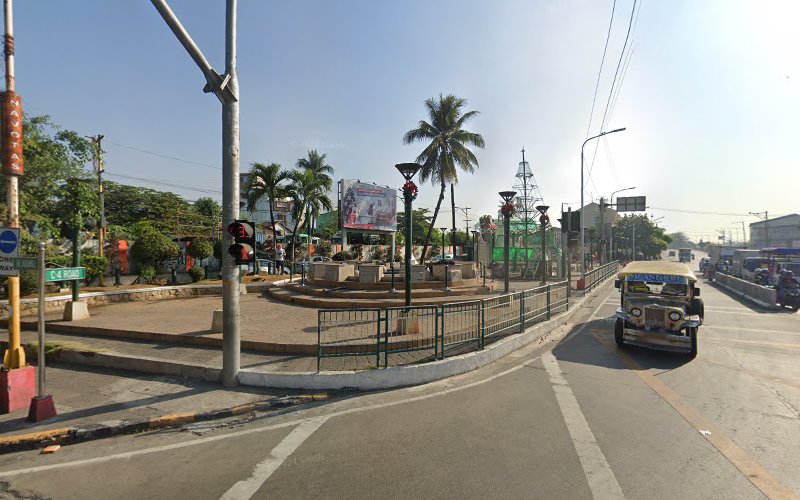
Navotas City Christmas Tree
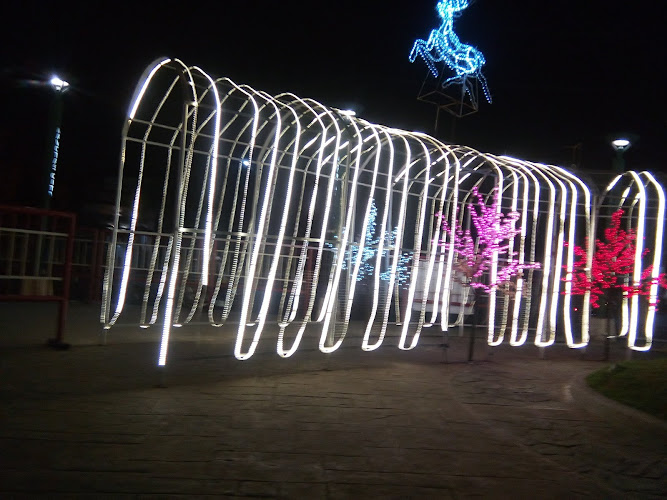
Navotas City Walk

Navotas City Park
Find Accommodations Nearby
Recommended Tours & Activities
Visitor Reviews
There are no reviews yet. Be the first one to write one.
Share Your Experience
Have you visited Manila- Navotas City Boundary? Help other travelers by leaving a review.